Muslim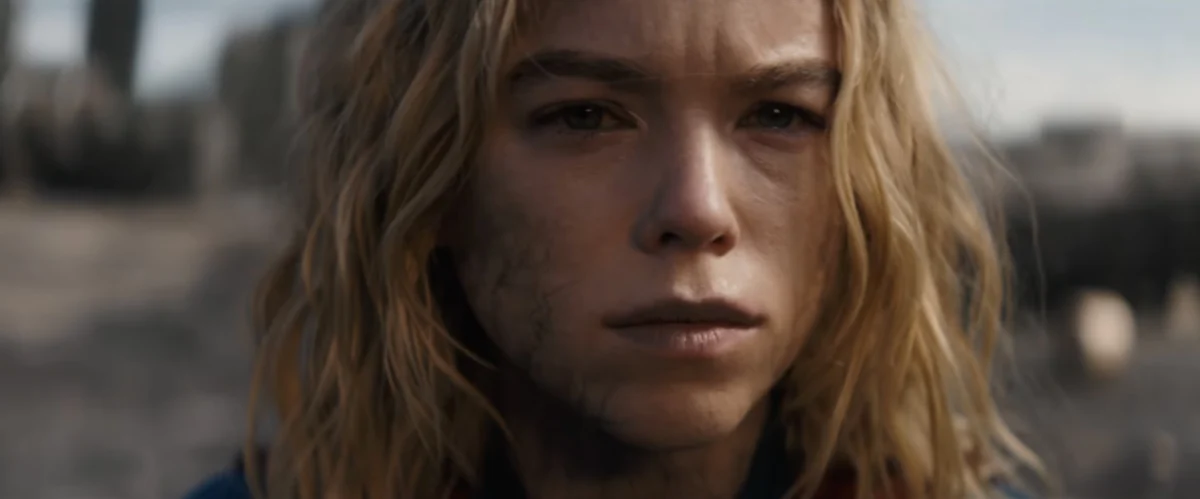
The promise of the new DC Universe (DCU) was anchored in a singular, revitalizing vision: to move past the disjointed, reactionary storytelling that plagued the previous era of DC cinema. With the 2025 release of James Gunn’s Superman receiving widespread acclaim for its emotional intelligence and thematic clarity, expectations for the studio’s next major outing, Supergirl, were sky-high. On paper, it was a foolproof endeavor. It featured a compelling lead in Milly Alcock, whose introduction as the jaded, hard-drinking cousin of Kal-El had already intrigued audiences, and it was rooted in the critically lauded Supergirl: Woman of Tomorrow comic book run by Tom King and Bilquis Evely.
However, the resulting film has proven to be a sobering reminder that a strong pedigree does not guarantee a successful cinematic translation. Instead of a soaring epic, Supergirl has arrived as a disjointed, tonally confused, and narratively regressive experience that threatens to derail the momentum of a franchise still finding its footing.
A Legacy of Uneven Representation
To understand the frustration surrounding Supergirl, one must look at the historical context of female-led superhero films. Hollywood has long struggled with the "superheroine dilemma." For years, the Marvel Cinematic Universe (MCU) relegated its female leads to supporting roles, delaying a Black Widow solo film for over a decade. Even when they arrived, projects like Captain Marvel suffered from a palpable lack of studio investment, while the DC Extended Universe (DCEU) offered a rollercoaster of quality—from the triumph of Wonder Woman to the baffling narrative choices of its sequel, Wonder Woman 1984, and the critical adoration but commercial failure of Birds of Prey.
Supergirl was meant to be the turning point—a definitive statement that a female-led DC film could be both a critical darling and a box-office titan. Instead, the film enters the fray as a cautionary tale, illustrating how even with the right source material, a lack of thematic focus and a failure to respect the dignity of its subject matter can alienate the very audience it seeks to capture.
Chronology: From Promise to Peril
The film’s narrative arc follows Ruthye Marye Knoll (Eve Ridley), a 13-year-old alien girl on a quest for vengeance against the brigand Krem of the Yellow Hills (Matthias Schoenaerts), who murdered her family. The plot is set in motion when Kara Zor-El (Milly Alcock)—while visiting Ruthye’s homeworld—finds her own ship stolen and her companion, Krypto, poisoned by Krem.
In the original comic run, the "dying dog" trope was a calculated ruse. In the film adaptation, it is played as a straight, high-stakes ticking clock—a choice that feels cynical and derivative. As the duo travels across the galaxy, the script—penned by Ana Nogueira—begins to strain under the weight of its own worldbuilding. The setting, intended to be expansive, instead feels like a "grungier" version of the Guardians of the Galaxy aesthetic, complete with out-of-place musical cues and a confusing, inconsistent approach to the "galactic common tongue."
The film’s lowest point occurs during a sequence on a public transit bus, which introduces the "Brigands"—a group whose primary, and only, function is to kidnap and traffick young women. This inclusion is not a minor plot point; it is the central catalyst for the film’s second act. By grafting a Mad Max: Fury Road-esque human trafficking plot onto a story that was originally a character study about the nature of justice, the film moves into ethically treacherous territory.
Supporting Data: Narrative and Thematic Inconsistencies
The film’s moral core is arguably its greatest failure. Throughout the runtime, Kara constantly admonishes Ruthye, warning her that revenge will "change" her, effectively arguing that a young girl should not seek justice against a man who orchestrated her family’s slaughter and seeks to enslave her.
This is fundamentally at odds with the source material. In Woman of Tomorrow, Ruthye’s journey is a nuanced exploration of morality, inspired by the classic Western True Grit. The comic allowed Ruthye to grow through her choices; the film, conversely, treats her as a passenger in a story that refuses to grant her agency.
Furthermore, the character of Lobo, played by Jason Momoa, is introduced as a fan-service cameo that quickly sours. While the character is known for being crude, his insistence on calling the protagonist "Tits" serves no narrative purpose other than to undermine the film’s supposed focus on the growth and independence of its female leads. When coupled with the film’s inconsistent use of "green suns" and its reliance on aesthetic tropes borrowed from low-budget cyberpunk, the technical craft of the film feels as flimsy as its script.
Official Responses and Behind-the-Scenes Friction
While studio heads have remained largely silent regarding the specific criticisms of the film, industry insiders suggest that the production was marked by a tug-of-war between the vision of the writers and the heavy-handed editorial influence of DCU architect James Gunn.
Reports from the set indicate that the "Gunn-ification" of the script—the insistence on specific types of humor, the inclusion of animal-centric trauma, and the aesthetic of "dirt-covered sci-fi"—was a point of contention. The result is a film that feels caught between two identities: a grounded, character-driven drama and a quippy, cynical blockbuster. For a studio attempting to establish a "prestige" brand for its superhero content, this lack of cohesive vision is a significant hurdle.
Implications for the Future of the DCU
The failure of Supergirl sends a chilling message to the industry: audiences are no longer content with merely having a "female-led" superhero film; they demand a film that respects its characters and its source material. By taking a story of profound grief and agency and turning it into a trope-laden, morally questionable road movie, the DCU has squandered a major opportunity.
The implications for the broader DCU are clear. If the studio continues to lean into the "grungy, cynical, and quippy" house style that characterized the Guardians of the Galaxy era, it will fail to differentiate itself from the very Marvel fatigue it is supposed to be curing. Superman proved that the DCU could be earnest, hopeful, and intelligent. Supergirl suggests that the studio is still tempted to fall back on "cheap" thrills and cynical humor to paper over narrative cracks.
If the DCU wants to thrive, it must learn that the strength of a film lies not in its cameos or its "edgy" villains, but in its respect for its protagonists. Ruthye Marye Knoll deserved to be more than a victim in a plot about sex slavery, and Kara Zor-El deserved a script that understood the difference between a "lost cause" and a survivor.
Ultimately, Supergirl stands as a reminder that the most dangerous thing for a superhero is not a villain with a weapon, but a script that doesn’t understand its own heart. The DCU has the talent and the resources to build something truly special, but as this film demonstrates, they are still at risk of tripping over their own boots. Whether the studio can recover from this misstep depends on their willingness to pivot away from the cynicism that currently defines their secondary output and return to the high-minded, character-first approach that earned them their initial success in 2025. For now, the audience is left with a film that feels less like a beginning and more like a warning.


 Reynand Wu