Dwi Wanna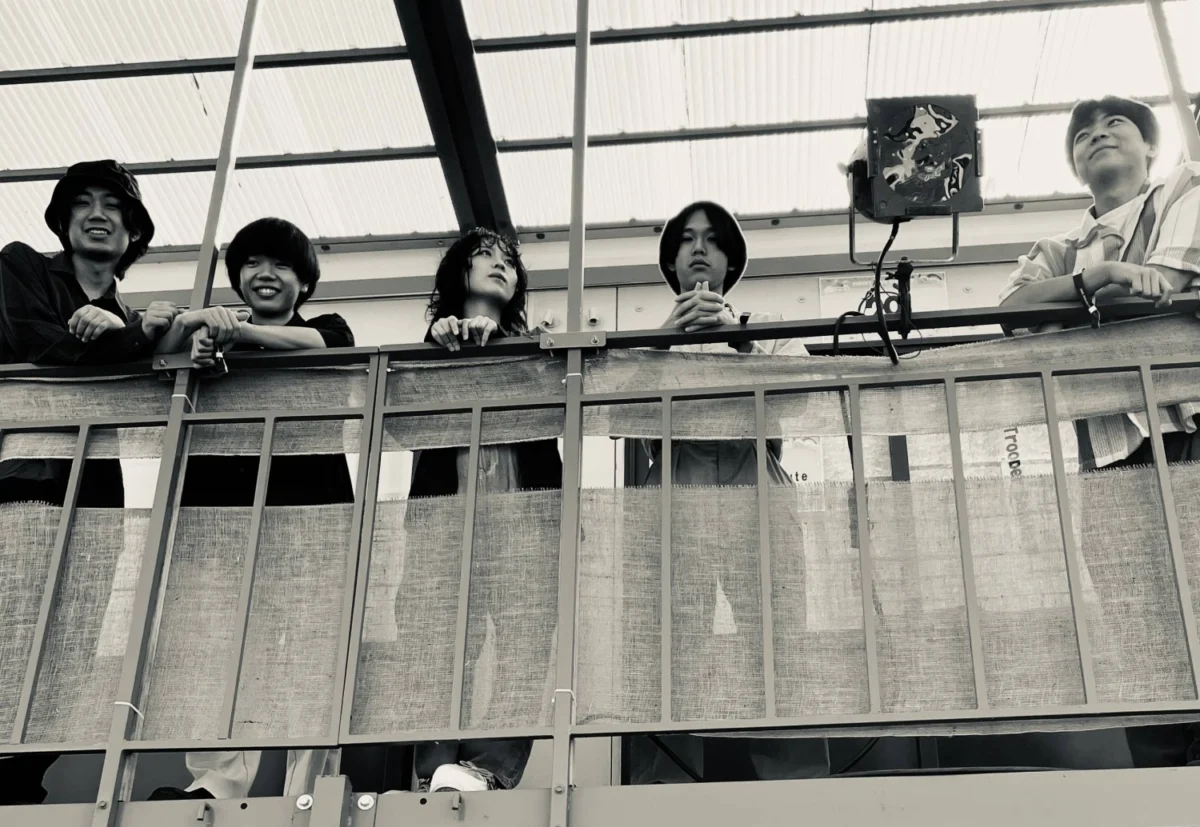
By Editorial Staff
For many, the passage of time is marked by a series of quiet, often unacknowledged departures. For Hayato Komiya, the 24-year-old frontman of the burgeoning Nagoya-based quintet, these moments were once mere background noise—a standard social ritual that he navigated with a sense of cool, observational detachment. However, a seismic shift in his creative perspective has culminated in the release of Tomodachi Ga Imashita (“I Had Friends”), a debut album that has begun to resonate deeply with a generation grappling with the ephemeral nature of modern connection.
Released on June 17, the album—featuring the collective talents of Sangen Ron, Junsei Iwai, Musashi, Hayato Komiya, and Kion Umemura—is more than a collection of tracks; it is a sonic exploration of the grief inherent in moving on.
The Genesis of a New Sound: Main Facts and Artistic Vision
The quintet, operating under the umbrella of Trooper Salute, represents a fresh wave of Japanese indie music that prioritizes lyrical vulnerability over polished pop perfection. The core of their debut project, Tomodachi Ga Imashita, is an autobiographical interrogation of friendship, loss, and the inevitable erosion of bonds as individuals transition through the milestones of early adulthood.
Komiya, the primary songwriter, describes the project as a "long-form diary of farewells." While the band’s sound—a blend of melodic indie-rock with atmospheric textures—is polished, the subject matter remains raw. The album serves as a document of the specific, heavy realization that the people who populate our daily lives are often only temporary fixtures.
The group, comprised of Ron, Iwai, Musashi, Komiya, and Umemura, has spent the last year refining their sound in the tight-knit music scene of Nagoya. Their synergy is evident in the record’s seamless transitions, shifting from upbeat, nostalgic anthems to melancholic, stripped-back ballads that highlight the fragility of their subject matter.
A Chronological Evolution: From Apathy to Empathy
To understand the weight of Tomodachi Ga Imashita, one must look at the trajectory of Komiya’s own emotional development.
The Era of Detachment (Pre-2023)
For most of his formative years, Komiya characterized himself as an observer. "Graduations never phased me," he admitted in a recent interview. He viewed the tearful departures of peers with a degree of psychological distance, firmly believing that he possessed the emotional fortitude to transcend the "out of sight, out of mind" phenomenon. He operated under the assumption that true connections would survive the friction of shifting life stages without requiring active, painful maintenance.
The Catalyst: May 2023
The turning point arrived during Komiya’s college years. While participating in his university’s music club, he found himself mentoring underclassmen while simultaneously looking up to a cohort of senior students. In May 2023, the inevitable cycle of the academic calendar dictated that these mentors—individuals who had provided the soundtrack to his burgeoning musical identity—would graduate and exit his sphere of influence.
"I felt this overwhelming sadness," Komiya told The Japan Times. "It wasn’t just the loss of a mentor; it was the realization that the version of me that existed within those relationships was also ending." This period of intense reflection became the crucible for the album.
The Recording Process (Late 2023–Early 2025)
Following that initial epiphany, the quintet began the long process of translating these abstract feelings of loss into melody. The recording sessions were characterized by an iterative process of trial and error. The band members recall spending days in the studio attempting to capture the specific "weight" of a goodbye—not just the sadness, but the underlying gratitude that makes the separation so painful in the first place.
Supporting Data: The Psychology of Modern Loneliness
The themes explored by the Nagoya quintet touch upon a broader sociological phenomenon: the "crisis of connection" in the digital age. Research from various psychological institutions suggests that while social media has increased the number of connections individuals maintain, it has simultaneously increased the anxiety surrounding the quality and longevity of those bonds.

According to a 2024 study on social retention, adults in their early 20s report a higher-than-average incidence of "relational burnout." This occurs when individuals feel the pressure to maintain digital contact with a sprawling network of acquaintances, leading to a dilution of deep, face-to-face intimacy.
Komiya’s lyrics in Tomodachi Ga Imashita tap into this precise anxiety. By framing friendship as something that can be lost—rather than something that simply persists—the album invites listeners to confront the fragility of their own social circles. The band’s success indicates a market appetite for music that acknowledges the "loneliness of the crowd," where one can be surrounded by peers yet feel profoundly disconnected from the past versions of themselves.
Official Responses and Industry Reception
The industry response to the album has been one of cautious optimism, with many critics pointing to the quintet’s ability to articulate the "unspoken malaise" of contemporary youth.
"What strikes me about this release is the honesty of the songwriting," says music critic Hiroshi Tanaka. "Most bands at this stage in their career try to write about universal concepts like love or rebellion. Komiya and his bandmates are writing about the very specific, quiet, and often embarrassing pain of growing apart from people you once thought were your soulmates. It’s a brave direction."
Trooper Salute, the management agency representing the quintet, noted that the band’s fan base has grown organically through word-of-mouth rather than aggressive marketing. "The listeners are finding the music because they recognize themselves in the lyrics," a spokesperson for the label stated. "There is no artifice here. The band is not trying to be a ‘star’; they are trying to be a mirror."
Implications: The Future of Relational Music
As the band prepares for their upcoming promotional tour across Japan, the implications of their work are beginning to manifest in the wider indie scene.
1. The Shift Toward Vulnerability
The success of Tomodachi Ga Imashita suggests a potential shift away from the highly produced, hyper-kinetic music that dominated the early 2020s. There is a clear hunger for "human-scale" music—songs that feel as though they were recorded in a living room rather than a digital workstation.
2. Redefining "Success"
For the quintet, success is no longer defined by chart positions or viral trends. It is defined by the depth of the resonance they achieve with their audience. The band has hinted that their next project will continue this thematic exploration, moving from the loss of friends to the more complex terrain of familial change and the loss of one’s younger self.
3. A New Generation of Storytellers
Komiya’s journey from detached observer to vulnerable songwriter serves as a case study for his generation. The transition from "cool distance" to "active empathy" is not merely a creative evolution; it is a survival strategy for navigating an increasingly fragmented world. By documenting the end of things, the band is ironically creating something that feels built to last.
Conclusion: A Soundtrack for the Left Behind
As the final notes of Tomodachi Ga Imashita fade, the listener is left not with a sense of despair, but with a strange, comforting clarity. The album does not offer a solution to the pain of growing apart; it offers the solace of knowing that you are not alone in the experience.
For Hayato Komiya, Sangen Ron, Junsei Iwai, Musashi, and Kion Umemura, the release of this album is just the beginning. They have opened a door to a conversation that most people are too afraid to start. As they continue to tour and connect with fans, it is clear that their music will continue to serve as a lighthouse for those navigating the often-stormy waters of transition. In a world that often demands we move on quickly and silently, this Nagoya quintet has given us permission to pause, look back, and finally say goodbye properly.


 Neng Nana
 Asro
Asro