Pevita Pearce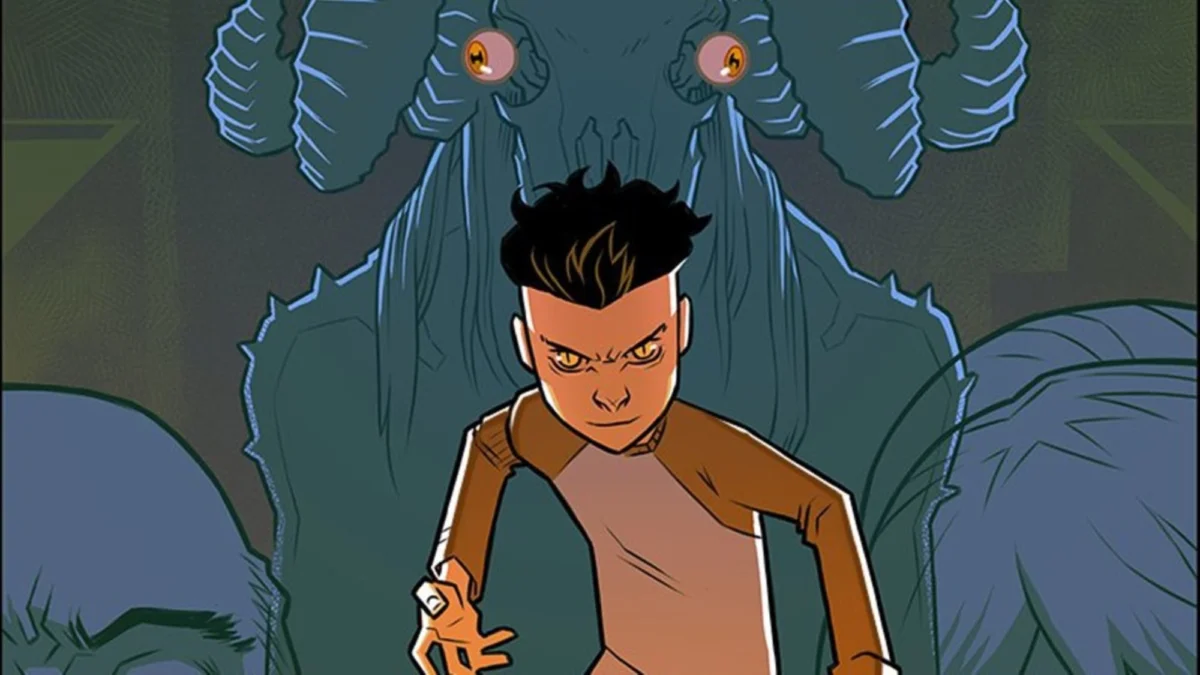
In the evolving landscape of 21st-century storytelling, the traditional "direct market" of comic books—those monthly periodicals sold in specialized local shops—is no longer the only game in town. For veteran writer Justin Jordan, a name synonymous with gritty, high-impact titles like Luther Strode, Spread, and a laundry list of work-for-hire gigs at DC and Valiant, the most successful venture of his career hasn’t been found on a spinning rack. It is being hosted on a smartphone screen.
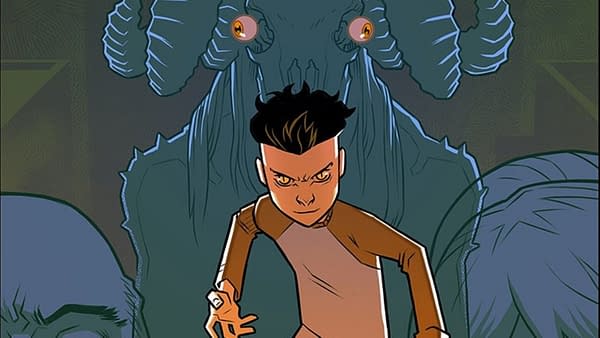
Jordan’s webcomic, Urban Animal, a collaboration with artist John Amor and letterer Micah Myers, has quietly amassed a staggering readership on the Webtoon platform, clocking in at upwards of 100,000 readers per week. This success story serves as a case study for how modern creators are bypassing legacy publishing models to tap into a global, digital-first audience.
The Evolution of a Creator: From DC to Digital
Justin Jordan’s resume reads like a map of the modern comic industry. Having cut his teeth on titles such as The Curse of Brimstone, New Guardians, and Team 7 at DC Comics, and having spearheaded the revival of Shadowman for Valiant, Jordan is well-versed in the rigors of the industry. He has balanced the delicate act of corporate work-for-hire with the creative freedom of his own intellectual properties (IPs).
However, as Jordan notes, he—like many of his peers—long suffered from the "direct market myopia." For years, the industry measured success exclusively through the lens of Diamond Comic Distributors’ sales charts and local comic shop foot traffic. But while that market fluctuates, the broader world of sequential storytelling is undergoing a massive, decentralized renaissance.
"I have a bad habit of saying ‘comics’ when what I am actually talking about is ‘direct market comics,’" Jordan admits. "We talk about comics being in trouble based on what’s happening in the direct market. But while the direct market has its ups and downs, comics—sequential storytelling—is enormously popular."
Chronology of a Digital Success
The shift toward digital platforms like Webtoon represents a fundamental change in how comics are consumed and monetized. Urban Animal began as a narrative experiment, a way for Jordan to explore the serialized, high-frequency format that digital platforms demand.
As of late 2020, Urban Animal boasted 465,000 subscribers. By 2023, the series has continued to solidify its position, proving that the digital-first model is not a passing fad but a sustainable ecosystem. Unlike the monthly print cycle, which requires months of production, printing, and shipping, Urban Animal is released on a weekly cadence, allowing for an immediate feedback loop between creator and audience.
This, according to Jordan, is the key to longevity. "It’s not a direct comparison to the top 300 in direct market comics because it’s free," Jordan explains. "Still, this is almost certainly more readers than anything else I’ve done… our weekly readership is at least in the range of the top ten print comics in any given month."
The Business Model: How Does a Free Comic Pay?
The most persistent question surrounding webcomics is the monetization of content that is, by design, accessible for free. Urban Animal utilizes a hybrid model that mirrors modern streaming services.
The Fast Pass System
Webtoon employs a "Fast Pass" program, which allows readers to pay a nominal fee (approximately 50 cents) to unlock episodes before they are released to the general public. While this may seem trivial, the aggregate data is significant. Jordan notes that, at a conservative estimate, 4,000 readers a week engage with the Fast Pass system.
"If you work out all the income we as yet have coming in from Webtoons, my part of that is usually almost identical to what I’d get paid to write a comic for DC for the same amount of content," Jordan reveals. "It’s considerably more than I’d make from many of my creator-owned books, at least on a per-issue basis."
Licensing vs. Ownership
Perhaps the most crucial distinction in this new model is the nature of the contract. In traditional creator-owned publishing, the publisher often retains a significant stake or full ownership of the IP. Conversely, the Webtoon model functions closer to the prose market. Jordan retains ownership, licensing the rights to the platform for a specific term. This allows the creative team to monetize the IP through multiple channels simultaneously—merchandise, international distribution, and, crucially, print collections.
The Role of Crowdfunding: The Next Frontier
With the success of the digital series firmly established, Jordan is looking to bridge the gap between the screen and the bookshelf. Partnering with Rocketship Entertainment—a publisher that specializes in bringing digital-first comics to the print market—Jordan is launching a Kickstarter campaign to produce a physical volume of Urban Animal.
This strategy is not merely about printing a book; it is about community engagement. "Kickstarter is also new territory for me," says Jordan. "I suspect crowdfunding is going to take an increasingly prominent place in direct market comics, especially if creators like Scott Snyder and Keanu Reeves are anything to go by."
By using Kickstarter as a launchpad, the team behind Urban Animal can accurately gauge demand before committing to expensive print runs, mitigating the financial risks that have historically plagued independent publishers.
Implications for the Future of Comics
The success of Urban Animal provides several key takeaways for the comic book industry at large:
- Audience Scalability: The digital audience for comics is vastly larger than the traditional direct market audience. When a series is accessible, the ceiling for growth is effectively removed.
- The "Hyper-Serialized" Advantage: Digital platforms reward frequent, consistent updates. For writers like Jordan, the challenge of writing for the "scroll" has become an opportunity to master a new, fast-paced narrative rhythm that keeps readers hooked.
- Diversification of Revenue: Creators are no longer dependent on a single point of sale. By combining ad revenue, platform licensing fees, reader-funded "fast passes," and eventual crowdfunding for print editions, creators can build a more stable, diversified income stream.
Conclusion: A New Paradigm
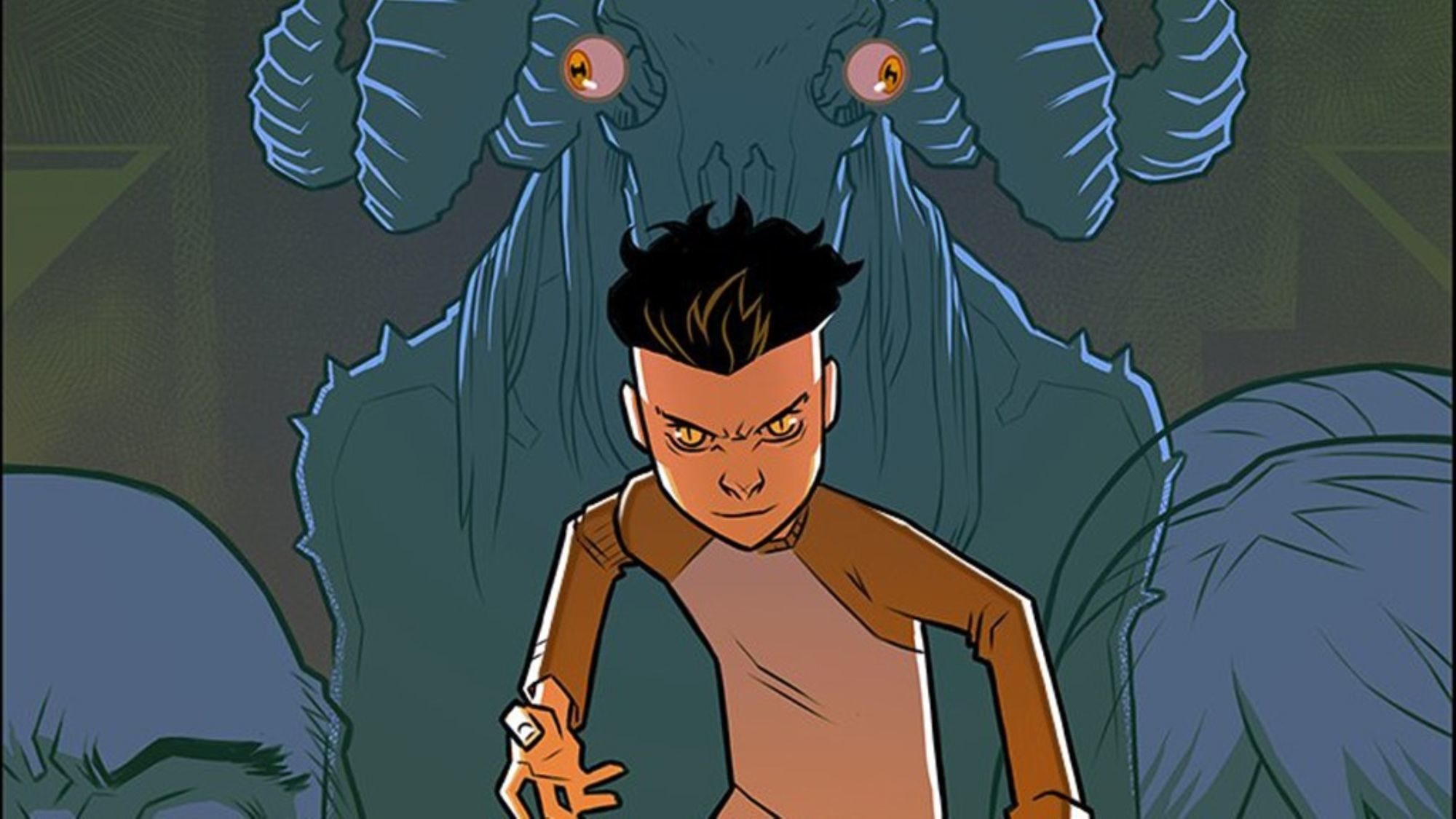
The story of Urban Animal is not just about a high school student named Joe Gomez who turns into a saber-toothed tiger—it is about the survival of the storyteller in a digital age.
"I think it’s one of the best things I’ve done," Jordan says, reflecting on the series. "And there’s no risk to you to swing over to Webtoons to check it out."
As the industry continues to grapple with the decline of traditional retail, the path carved by Justin Jordan and his contemporaries offers a roadmap. By embracing the digital shift, maintaining ownership of their work, and leveraging the power of direct-to-fan crowdfunding, creators are proving that comics aren’t dying—they are simply changing their shape, much like the characters in Jordan’s own hit series. The future of the medium may not be in the comic shop, but in the palm of a hand, updated every Saturday morning.

 Lina Hope
 Suro Senen