Jia Lissa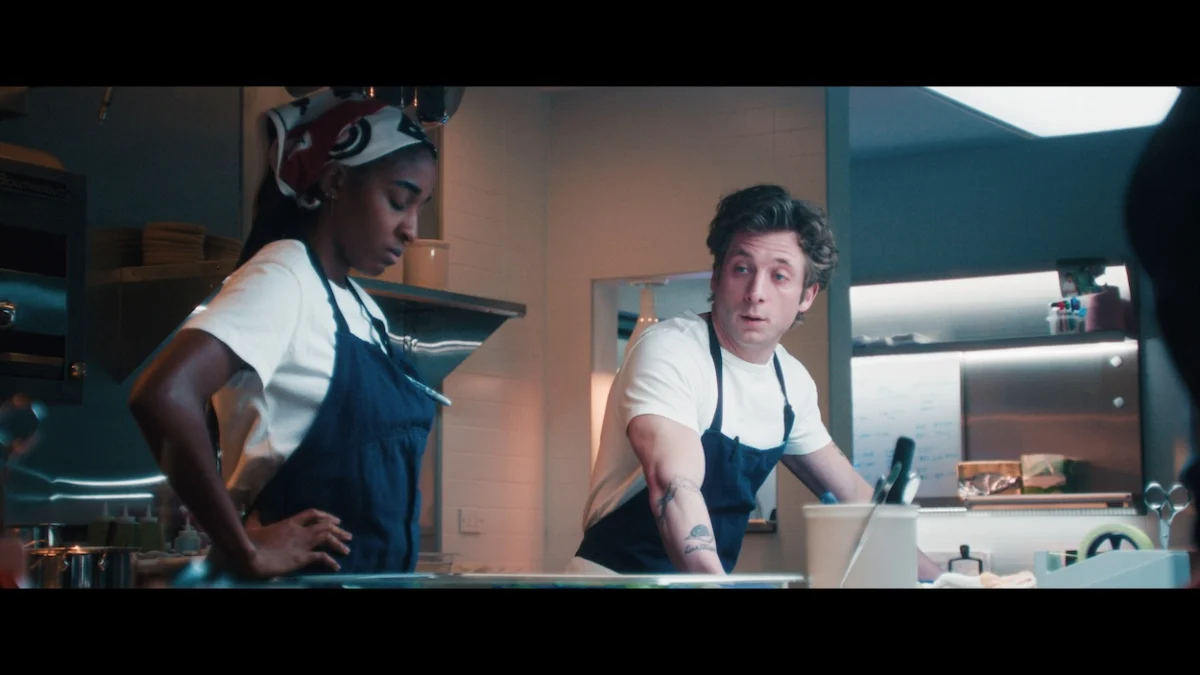
Editor’s note: The following analysis contains significant spoilers for the series finale of "The Bear," Season 5, Episode 8, “The Original Beef of Chicagoland.”
After five seasons of high-octane kitchen chaos, anxiety-inducing time crunches, and the relentless pursuit of culinary perfection, FX’s The Bear has officially closed its doors. The series, which redefined the aesthetic of the television drama, concluded its run not with a crash of plates, but with the quiet, reflective hum of a kitchen that has finally found its rhythm.
For a show that began in the cramped, grimy quarters of a Chicago sandwich shop, the trajectory toward two Michelin stars was always the primary narrative engine. Yet, as the final credits roll, it becomes clear that the show’s true legacy isn’t the stars on the wall—it’s the broken, brilliant, and ultimately healed family that earned them.
The Michelin Gambit: Memory, Timing, and the "Star Man"
The narrative structure of The Bear’s final season relied heavily on the audience’s capacity for recall. In Season 4, Episode 3, the restaurant received its prestigious Michelin accolades during a frantic, largely unnoticed service. Carmy (Jeremy Allen White) and Sydney (Ayo Edebiri) were so preoccupied with the daily grind that the presence of Peter Clark (Gary Janetti)—the man who would ultimately grant them their status—went largely unobserved by the characters, if not the viewers.
This setup serves as a masterclass in narrative misdirection. By embedding the pivotal moment of the restaurant’s validation deep within a season defined by Richie’s (Ebon Moss-Bachrach) existential dread and Carmy’s romantic entanglements, the creators effectively buried the lead. When Mr. Dearborn (Peter Grosz) arrived in Season 5, Episode 7—the presumed "Star Man"—the tension was manufactured. We, the audience, were led to believe the fate of the restaurant hung in the balance, when, in reality, the judgment had already been rendered months prior.

This serves as a pointed critique of the "survivalist" mindset that defined the show’s early years. As Jessica (Sarah Ramos) famously advised, the only way to earn the star is to treat every guest as the "chosen one." By blurring the line between a routine guest and a critic, The Bear forces us to confront the exhaustion of performance. Was the stress of the penultimate episode necessary? Perhaps not, but it underscored the show’s core philosophy: you cannot live in the moment if you are constantly hunting for the next validation.
A Chronology of Chaos and Calm
To understand the finale, one must look at the progression of the staff. The show’s timeline is marked not by dates, but by the evolution of its characters:
- The Early Days: Carmy, a man defined by isolation, treating his colleagues as tools rather than people.
- The Transition: The painstaking, often painful process of building a team, characterized by the intense, blue-and-purple-lit kitchen sequences where Sydney’s scallop dish became a symbol of her culinary ascension.
- The Conclusion: A state of equilibrium. The finale functions as a "bow on a bow," neatly tying up the arcs of every major player: Richie finds peace on a flight; Tina receives a promotion; Marcus reconciles with his father; and Natalie achieves a sustainable work-life balance.
While some critics argue that such a tidy conclusion feels "too gooey" for a show known for its grit, it acts as a necessary counterweight to the trauma that fueled the previous four seasons. The chaos has been transformed into a functional, breathing organism.
Supporting Data: The Character-First Approach
Despite the complex plot machinations regarding Michelin inspectors, The Bear remains, at its heart, a character study. The decision to cast Emmy-winning casting director Jeanie Bacharach as a florist in the finale is more than an inside joke; it is a meta-acknowledgment of the "family" that built the show.
The structural imbalance of the final episode—specifically the decision to shift Sydney to the background while prioritizing Carmy’s internal monologue—has sparked debate. Sydney’s arc, which dominated much of the season, culminates early, leaving her somewhat sidelined in the final hour. However, the show justifies this by centering the final moments on Carmy’s epiphany. His realization—that he no longer wants to "survive" the day, but rather exist within it—marks the definitive end of the "Carmy as a machine" era.

Official Perspectives and Artistic Intent
In his final, sprawling monologue, Carmy reflects on his shift from a solitary chef to a collaborative leader. Christopher Storer, the show’s creator, leans into a deeply romantic view of the culinary arts here. When Carmy visits his prospective employer, Bonnie Hunt’s character, the job interview quickly dissolves. The moment she mentions the "vibrant peas" from his past, the audience knows the charade is over. Carmy is not an architect; he is a chef who has finally learned how to be a person.
The "All good" text sent to the late Mikey is the symbolic closure of the series’ central ghost. By sitting in his office in full uniform, gazing at the legacy of the food they created, Carmy demonstrates that he has made peace with his past. He is no longer cooking to escape; he is cooking to connect.
The Implications of the "Bear" Legacy
The legacy of The Bear will be debated for years, largely due to its unconventional narrative choices. By choosing to prioritize character sentiment over plot-driven stakes, the show risks alienating viewers who tuned in for the "will-they-or-won’t-they" of the Michelin stars. Yet, the implication is clear: the stars were never the point.
The show’s broader lesson is one of presence. Throughout Season 5, we are repeatedly told to appreciate the moment, even when the show itself makes that difficult by constantly prompting us to look back at previous seasons. This duality—asking for presence while demanding recall—is the show’s greatest strength and its most frustrating flaw.
Ultimately, The Bear stands as a testament to the idea that professional excellence cannot replace human connection. Whether you loved the "gooey" resolutions of the finale or found them to be a departure from the show’s sharper roots, it is impossible to deny the emotional resonance of the final shot.

The restaurant is full. The staff is thriving. The, at times, suffocating intensity of the kitchen has been replaced by the quiet confidence of a team that knows exactly who they are. In the end, Carmy Berzatto didn’t just build a restaurant; he built a family. And for a man who spent his life running from the ghosts of his own, that is the only success that ever really mattered.
As the lights dim on the kitchen, the message to the viewer is simple: shuffle the memories as needed, but don’t forget the feeling. The service is over, the house is closed, and for the first time in five years, the kitchen is quiet.

 Asep Darmawan
 Layla Zulfa