Rifan Muazin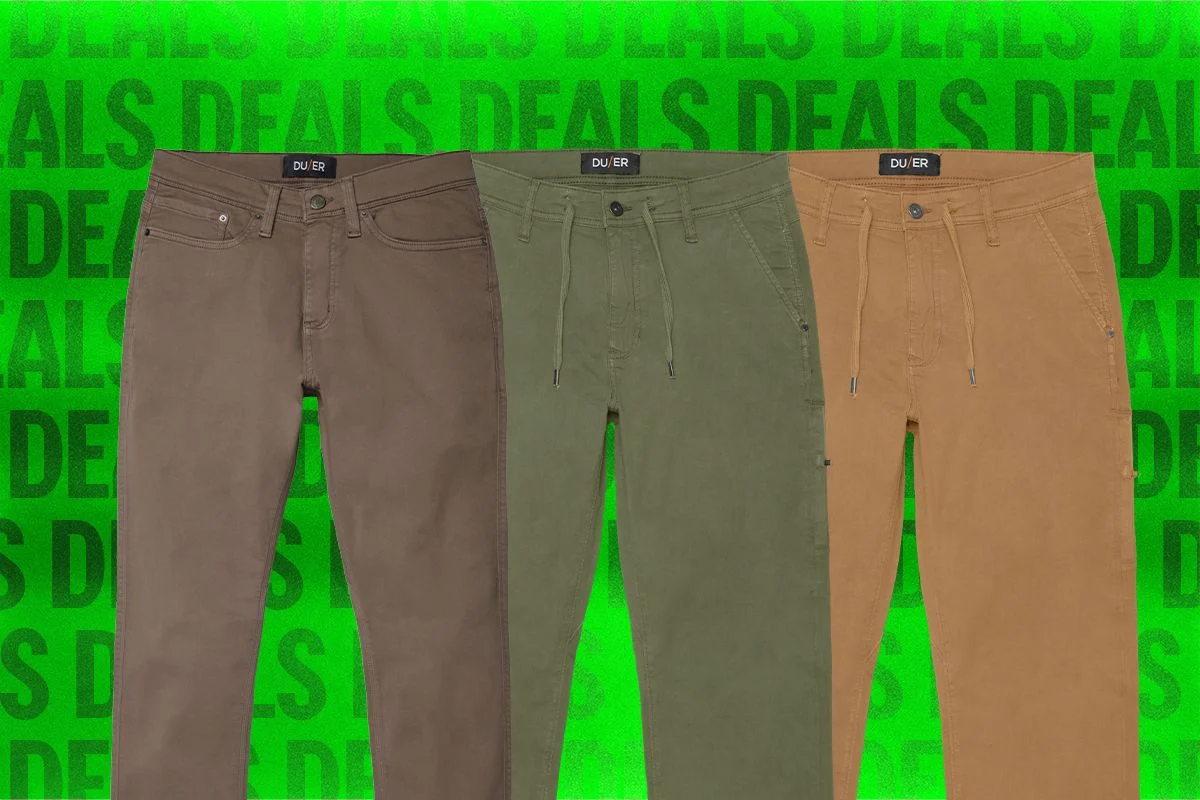
As the digital dust settles on the annual frenzy of Amazon Prime Day, savvy consumers and retail analysts are shifting their focus toward the next major fiscal milestone in the summer calendar: the Fourth of July holiday sales. While Prime Day has historically acted as a gravitational pull for e-commerce spending, recent market trends show a significant pivot among major retailers. In a bid to reclaim market share and combat "discount fatigue," large-scale retailers have recalibrated their seasonal calendars to launch midsummer sales that directly compete with—or immediately follow—Amazon’s aggressive promotional schedule.
For the modern shopper, this represents a unique window of opportunity. As retailers clear out spring inventory to make way for fall collections, the focus has shifted toward high-performance, active, and outdoor categories. From the rugged equipment at REI to the technical apparel of Duer, the landscape for midsummer savings is as vast as it is complex.
The Shift in Retail Strategy: Why July 4th Matters
The retail sector has undergone a fundamental transformation in how it approaches summer discounting. Historically, Independence Day sales were limited to brick-and-mortar furniture and appliance clearances. Today, the holiday has been subsumed into the "Big Summer Sale" cycle.
Retailers are no longer content to wait for the traditional Labor Day clearance to offload inventory. By aligning promotional events with the Fourth of July, companies like Backcountry, Home Depot, and Lululemon are leveraging the uptick in consumer travel, camping, and outdoor social gatherings. This strategy serves two purposes: it provides a tactical response to the Amazon ecosystem and capitalizes on the heightened consumer intent to purchase gear for the remainder of the summer season.
Chronology: The Evolution of Midsummer Sales
To understand the current market, one must look at the timeline of the 2026 retail cycle:
- Early July (Pre-Prime): Retailers initiate "warm-up" sales, testing consumer appetite for discounts in outdoor categories.
- The Prime Window: Amazon dominates the narrative, forcing other retailers to either mirror discounts or hold back their best inventory for the post-Prime "reset."
- Post-Prime/July 4th Weekend: This is the current phase. It is characterized by deep, strategic cuts on high-performance goods. Because consumer wallets are often depleted by the mid-July Amazon event, retailers are forced to offer higher percentages off—sometimes exceeding 35 percent—to incentivize spending during this window.
Deep Dive: The Case for Technical Apparel
Among the various categories benefiting from these discounts, technical apparel stands out. Brands that bridge the gap between "athleisure" and high-performance, such as the Canadian-based label Duer, are finding a dedicated audience among those who prioritize versatility.
Duer has carved a niche by integrating performance elements—such as moisture-wicking Tencel fabrics and reinforced triple-stitching—into what appears to be everyday office or casual wear. For the consumer who values the "do-it-all" garment, this is the prime time to invest. Duer rarely holds sales, and their standard price point—often hovering around $100 for trousers—can be a barrier to entry for many. However, the current pre-holiday window offers significant relief: 20 percent off popular pants and up to 35 percent off shorts and long-sleeve shirts.
The Anatomy of a High-Performance Wardrobe
For those looking to optimize their travel and camping gear, the following pieces serve as the gold standard for versatility:
- The No Sweat Relaxed Taper: A perennial favorite for a reason. These pants are designed to mimic the comfort of sweatpants while maintaining the aesthetic integrity required for a business casual environment. Their durability is equally suited for an impromptu weekend camping excursion.
- Performance Denim+ Straight: Traditional denim is often restrictive. By integrating performance fibers, these jeans offer a range of motion that is atypical for the material, making them an essential for long-haul travel.
- PurePima Only Tee: Often, the "basics" are where performance brands fail. However, the Pima cotton construction used by labels like Duer demonstrates high resistance to the wear and tear of the laundry cycle, maintaining structural integrity and shape after repeated washes.
- Air Flow Pique Polo: The ultimate test of a polo is the collar and the breathability of the fabric. With discounted offerings in colors like "Hazy Mauve," these items offer a technical edge for those working in humid summer conditions.
Supporting Data: Efficiency and Durability
In professional reviews and user feedback loops, the emphasis is increasingly on the "cost-per-wear" metric. When analyzing the current sales, it is important to distinguish between "fast fashion" markdowns and "investment piece" discounts.
Data from the WIRED review team suggests that apparel featuring Tencel or Pima cotton blends provides a better return on investment over a 12-month period compared to standard cotton counterparts. These materials offer superior thermal regulation—a critical factor for mid-summer travel—and demonstrate lower rates of shrinkage and pilling. During the current Fourth of July sales, the focus should be on acquiring these high-quality staples at a price point that justifies the investment.
Official Responses and Market Implications
Retail experts suggest that the current proliferation of sales is an indicator of a "buyer’s market" in the apparel sector. As inventory surpluses persist from a slower-than-expected spring, retailers are under immense pressure to convert stagnant stock into cash flow.
"The consumer has become incredibly sophisticated," notes a retail analyst. "They no longer wait for the ‘official’ start of a sale season. They are monitoring price drops in real-time, waiting for the overlap between high-quality brands and the fiscal cycles of the major retail giants."
The implications are clear: the Fourth of July weekend is no longer just about mattresses and grills. It has evolved into a strategic opportunity to build a high-performance wardrobe. Whether you are upgrading your camping kit at REI, sourcing hardware for home improvements at Home Depot, or refreshing your daily rotation with pieces from Duer, the data suggests that the best value is found in the intersection of technical functionality and holiday promotional timing.
Strategic Shopping Recommendations
If you are preparing for travel or outdoor adventures in the coming weeks, consider the following checklist for maximizing your Fourth of July savings:
- Prioritize Performance over Price: Don’t buy an item just because it is 50 percent off. Focus on items that feature technical fabrics (Tencel, Pima, performance denim) that will last beyond the current season.
- Check the "Last Chance" Sections: Most brands, including Lululemon and Duer, hide their deepest discounts in "We Made Too Much" or "Final Sale" categories. These are the items that represent the best value-to-cost ratio.
- Cross-Reference with Expert Reviews: Before committing to a purchase, verify that the item has been tested for long-term durability. A polo shirt that loses its shape after one wash is a poor value, even at a 40 percent discount.
- Assess Travel Compatibility: If you have an upcoming trip, prioritize gear that is lightweight, wrinkle-resistant, and capable of multi-day use without needing a wash.
As the summer progresses, the window for these deals will inevitably close. The current, competitive retail environment is a boon for the prepared consumer, provided they act with the same strategic focus that retailers are applying to their own inventory management. By focusing on quality, technical performance, and seasonal necessity, shoppers can effectively navigate the noise of post-Prime Day marketing and secure items that will provide utility for years to come.


 Ali Ikhwan
 Lina Hope