Neng Nana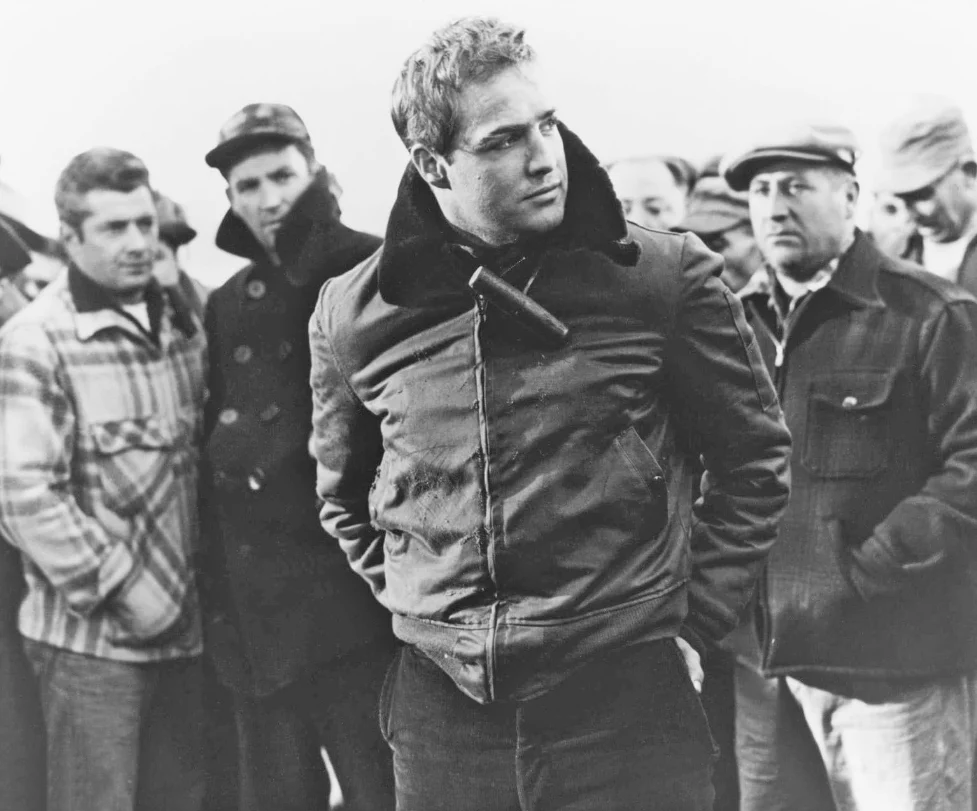
Few figures in the history of global cinema have left an imprint as indelible or as transformative as Marlon Brando. More than just an actor, Brando was a tectonic force, a performer who single-handedly dismantled the artificial, theatrical traditions of mid-century Hollywood and replaced them with the raw, pulsating heartbeat of "The Method." By stripping away the artifice, he forced audiences to confront the uncomfortable, messy, and deeply human realities of life.
As we revisit his expansive body of work, it becomes clear that Brando’s name remains synonymous with the very concept of cinematic greatness. From the brooding intensity of his early stage-to-screen transitions to his later, enigmatic portrayals of power and corruption, Brando’s career is a masterclass in range, vulnerability, and the art of transformation.
The Genesis of a Revolution: Redefining Acting
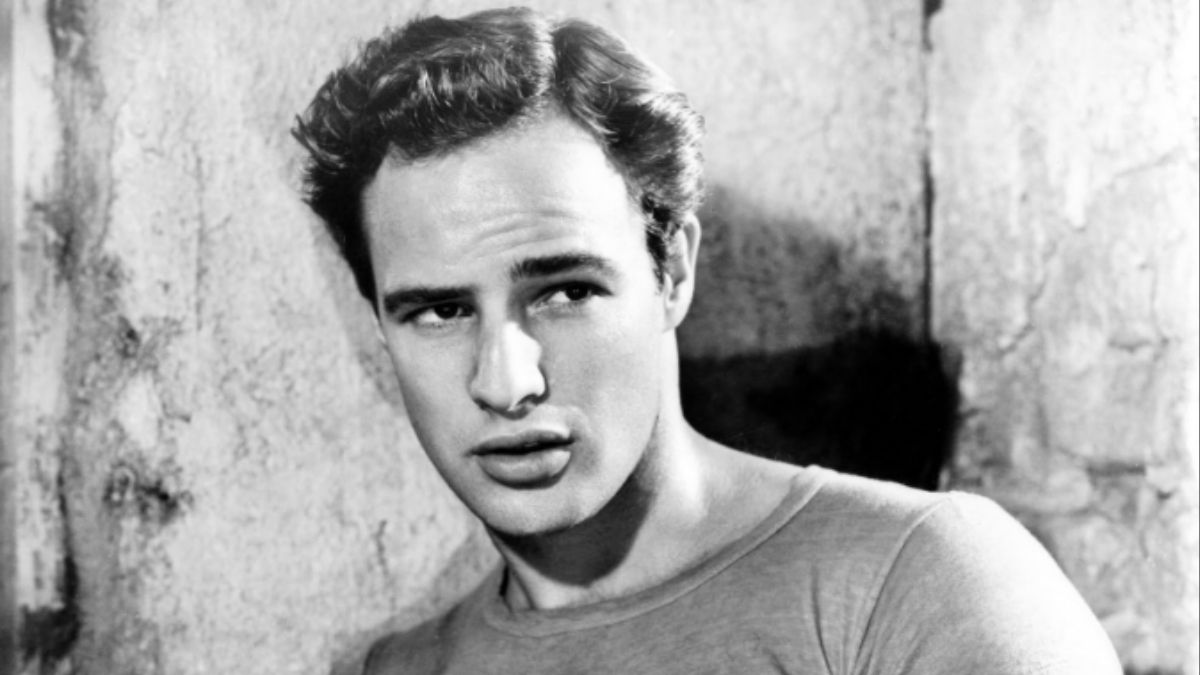
In the late 1940s and early 1950s, Hollywood acting was largely defined by declamatory style—actors spoke with perfect diction and carried themselves with a poise that felt rehearsed. Then came Brando. Emerging from the Actors Studio under the tutelage of Stella Adler, Brando introduced a naturalism that was initially jarring to the establishment but undeniably magnetic to the public.
He didn’t just play roles; he inhabited them. His presence was kinetic, characterized by mumbled dialogue, spontaneous gestures, and an internal fire that suggested he was always thinking far more than he was saying. This wasn’t just acting; it was psychological excavation.

A Chronology of Mastery: Key Performances
Brando’s filmography is a tapestry of iconic archetypes and nuanced portraits. Below are the definitive milestones that cemented his status as the most desirable—and formidable—name in the industry.
1. A Streetcar Named Desire (1951)
When Brando brought Stanley Kowalski to the silver screen, the cultural landscape shifted. Reprising his Broadway role, he imbued the character with a volatile, animalistic energy that terrified and seduced audiences in equal measure. It was the introduction of a new lexicon in acting, earning him his first Academy Award nomination and signaling the end of the "matinee idol" era.
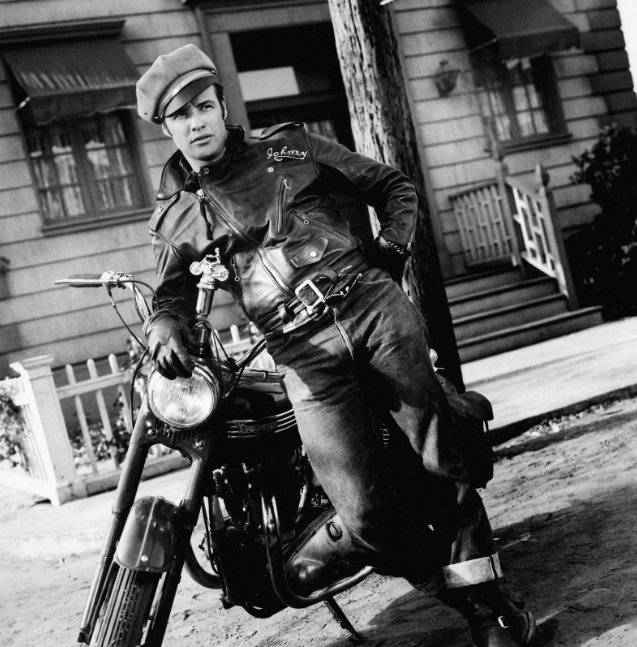
2. The Wild One (1953)
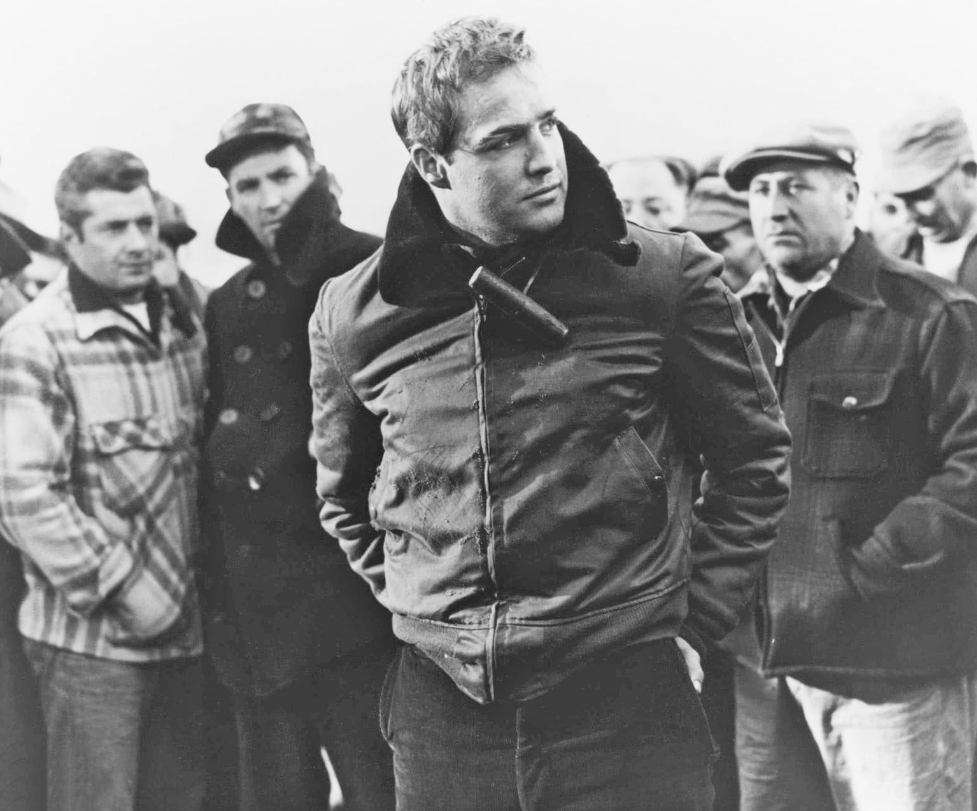
If Streetcar established his talent, The Wild One established his brand. As Johnny Strabler, the leader of a motorcycle gang, Brando became the ultimate symbol of postwar youth rebellion. With his leather jacket, tilted cap, and simmering apathy, he spoke to a generation that felt alienated by the stifling conformity of the 1950s.
3. On the Waterfront (1954)
Widely considered one of the greatest performances in film history, his turn as the washed-up prizefighter Terry Malloy remains the gold standard of naturalistic acting. The "I coulda been a contender" scene in the taxi cab is not merely a scripted moment; it is a profound exploration of regret and human fragility. This role earned him his first Academy Award for Best Actor.
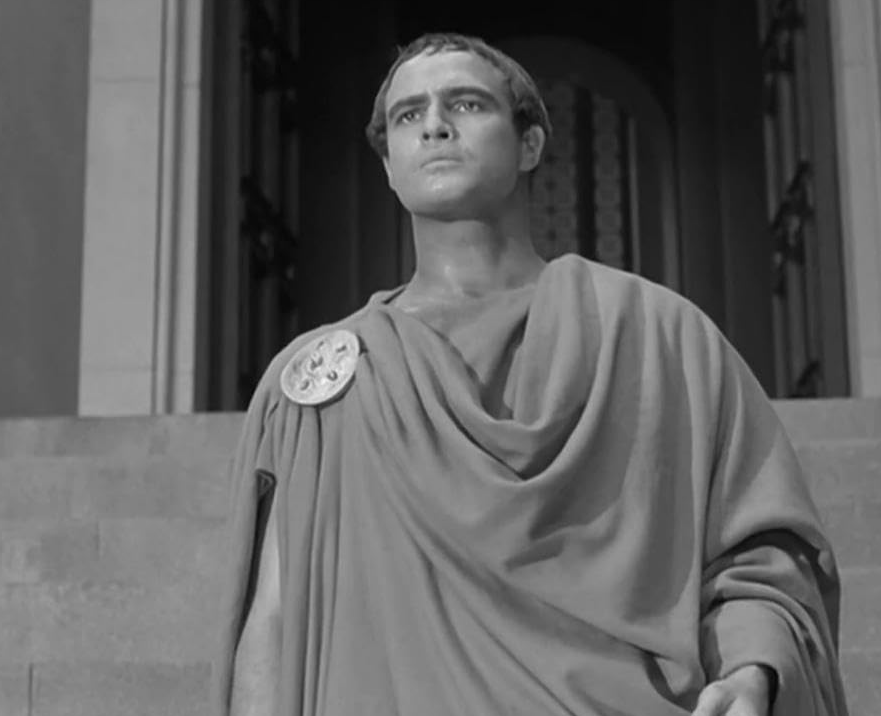
4. Julius Caesar (1953)
Brando silenced critics who doubted his range. As Mark Antony, he navigated the rigid requirements of Shakespearean prose while maintaining the modern, psychological depth that was his signature. His delivery of the funeral oration remains a masterclass in oratorical manipulation and emotional control.
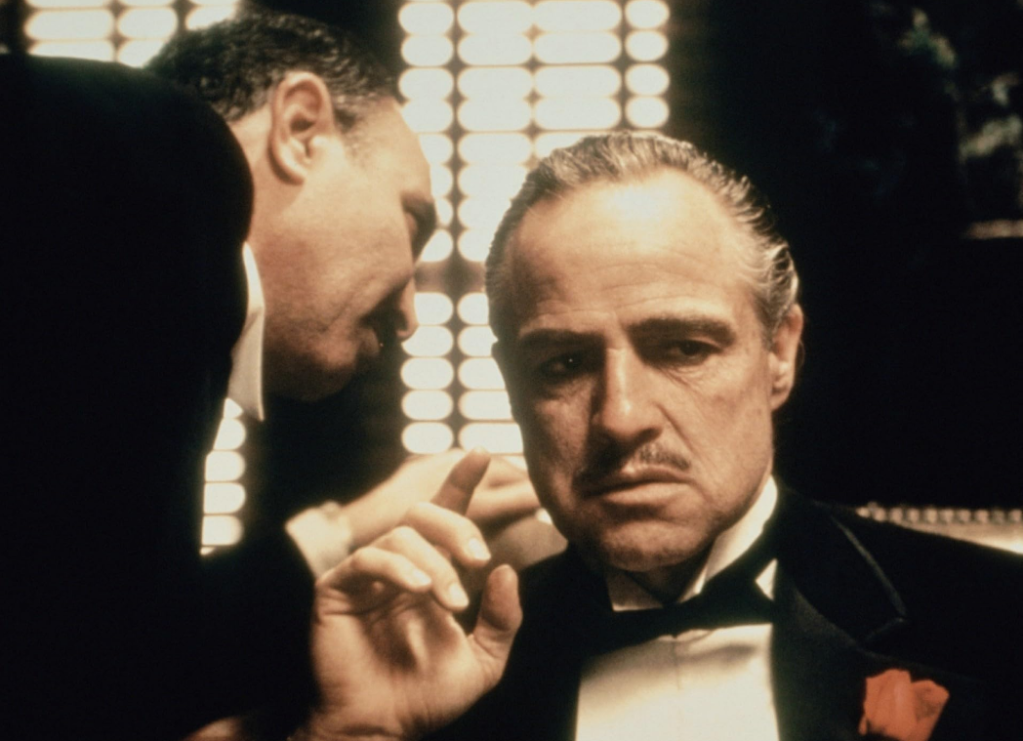
5. The Godfather (1972)
After a period of career instability, Brando’s return as Don Vito Corleone was nothing short of miraculous. Through heavy prosthetics and a whispered, raspy cadence, he transformed himself into the ultimate patriarch of the American mafia. He won his second Oscar for the role, famously refusing it to highlight the plight of Native Americans—a move that underscored his reputation as a man who played by his own rules.
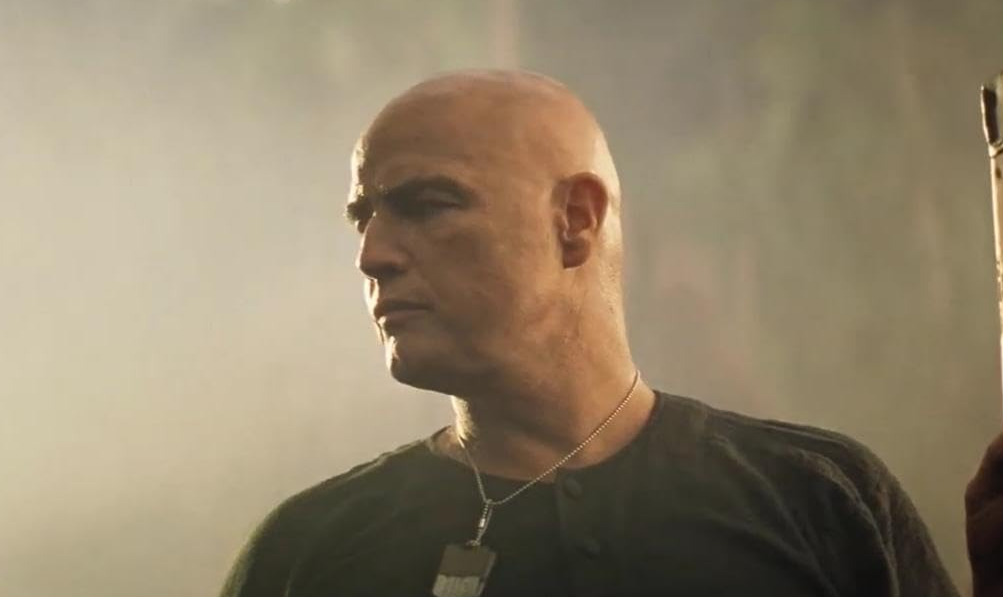
6. Apocalypse Now (1979)
As the renegade Colonel Kurtz, Brando delivered a haunting, fragmented performance that served as the dark heart of Francis Ford Coppola’s descent into the madness of the Vietnam War. It was an abstract, experimental turn that proved Brando was still willing to take profound risks, even when his star power could have allowed him to coast.
Supporting Data: The Impact of a Cinematic Giant
Brando’s influence extends far beyond his awards shelf. His stylistic choices—such as the "mumble," the brooding silence, and the emphasis on subtext—created a template followed by virtually every major actor who succeeded him. Robert De Niro, Al Pacino, Sean Penn, and Daniel Day-Lewis have all, at various points, cited the "Brando Effect" as a primary inspiration for their own commitment to character.
From a financial perspective, Brando proved that an actor’s commitment to "The Method" could translate into massive commercial success. Films like The Godfather and Superman (where he famously collected an exorbitant salary for a brief, albeit prestige-heavy, turn as Jor-El) demonstrated that his mere involvement in a project signaled prestige and gravity to a global audience.
Official Responses and Critical Legacy
Throughout his life, the critical consensus on Brando was often as polarized as his performances. While he was frequently hailed as the greatest actor of his generation, he was also criticized for his perceived lack of discipline, his high-profile feuds with directors, and his later-career choices to accept roles that seemed beneath his immense talents.
However, historical reflection has largely favored the "myth of Brando." Critics now emphasize that even in his more "unbalanced" performances—such as in The Missouri Breaks or Reflections in a Golden Eye—there is an undeniable curiosity at play. He was an actor who refused to repeat himself, constantly experimenting with the boundaries of how much an audience could handle.
The Enduring Implications for Hollywood
The implications of Brando’s career are profound. He liberated the actor from the chains of "the script as scripture." By prioritizing the truth of the moment over the literal interpretation of the dialogue, he essentially codified the modern approach to film performance.
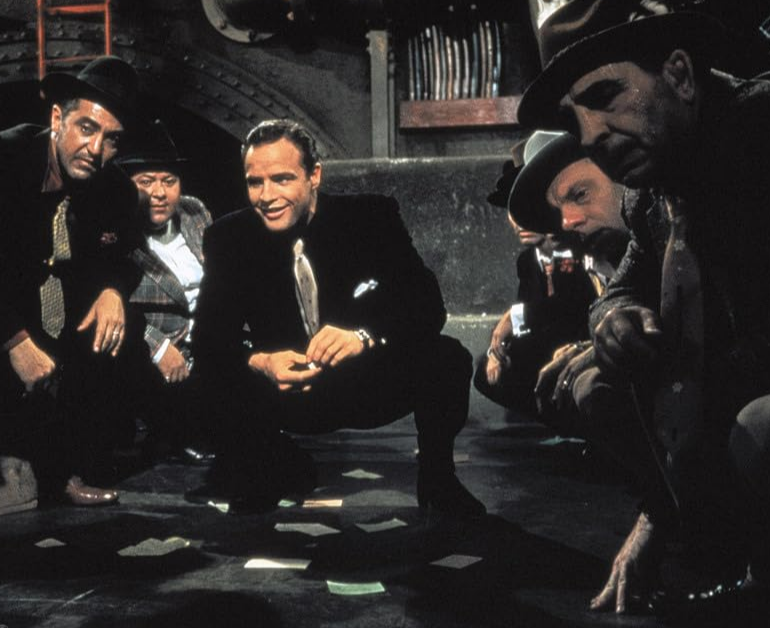
Furthermore, his political activism—most notably during his 1973 Oscar boycott—set a precedent for the celebrity activist. He proved that an actor’s platform could be used to challenge national narratives, a trend that remains prevalent in the industry today.
As we look at the current landscape of cinema, we see the echoes of Brando in the intensity of today’s leading performers. He transformed acting from a craft into a form of psychological confession. While the photos and the films remain, the true legacy of Marlon Brando is the permission he gave to every actor who followed: the permission to be human, to be flawed, and to be absolutely, unapologetically real.
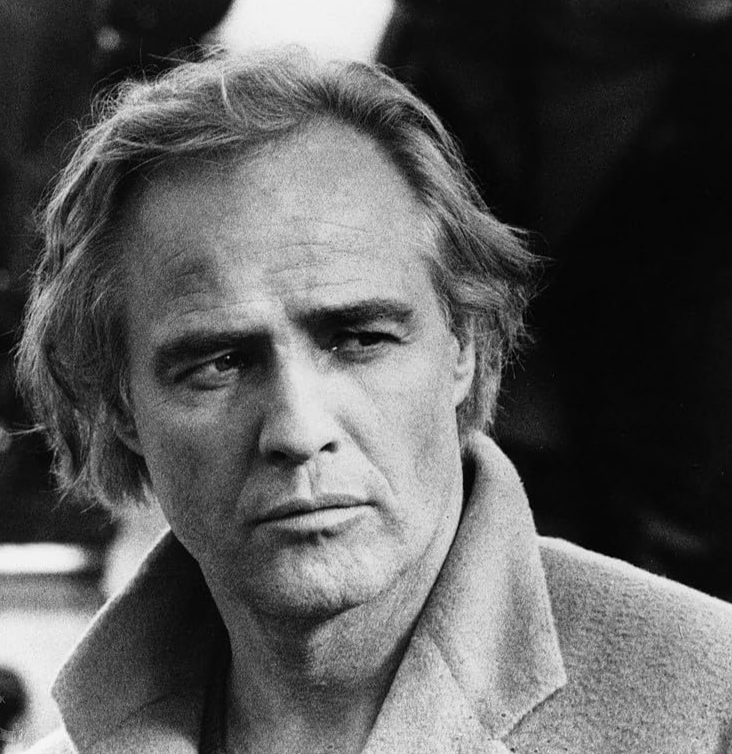
His life was a volatile, complex, and brilliant performance that, decades later, continues to define what it means to command the screen. Marlon Brando did not just act; he existed, and in doing so, he taught the world how to watch.

 Layla Zulfa
 Sagoh
Sagoh