Dwi Wanna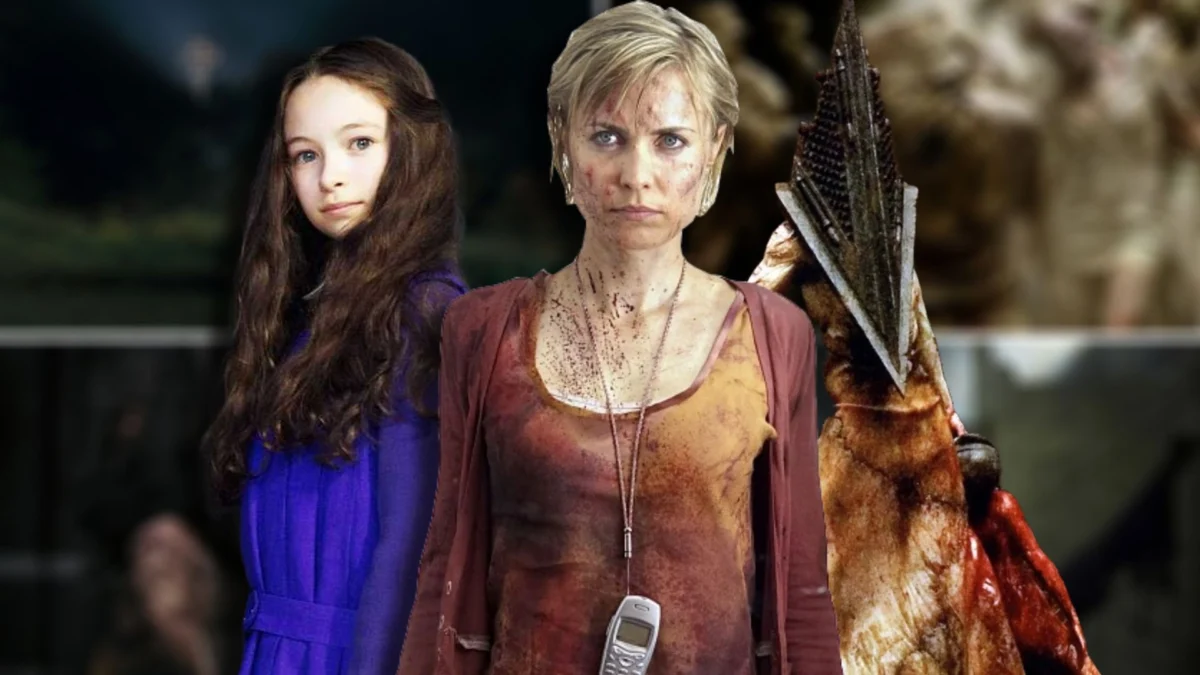
Twenty years have passed since director Christophe Gans first invited audiences into the decaying, ash-choked streets of Silent Hill. For a generation of horror enthusiasts, that 2006 adaptation served as a gateway into one of gaming’s most profound psychological landscapes. While the film has been subject to decades of debate regarding its narrative fidelity to Konami’s original 1999 masterpiece, it remains a rare example of a video game adaptation that prioritized atmosphere and emotional resonance over mere brand recognition.
As we look back, it becomes clear that the film’s success was not a stroke of luck, but a deliberate effort to translate the internal, abstract horror of the games into a cinematic language that feels both hauntingly familiar and distinctly its own.
The Genesis of an Icon: Chronology and Context
In the mid-2000s, the landscape for video game adaptations was notoriously bleak. Studios treated intellectual properties as little more than B-movie fodder, often stripping away the nuance that made the source material special. When Silent Hill arrived in theaters on April 21, 2006, the industry expectation was low.
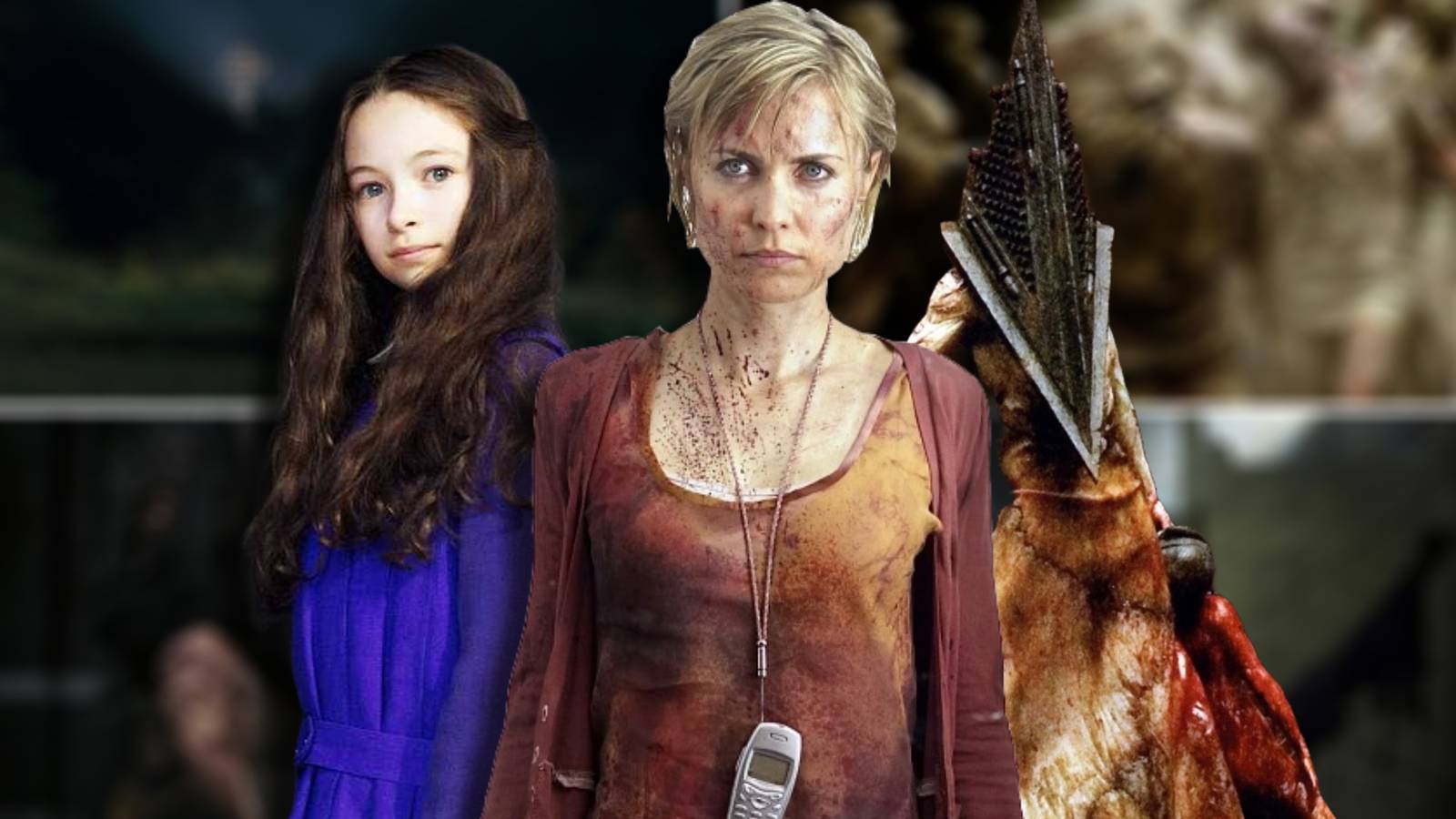
The film’s production was a significant undertaking for the time, operating on a $50 million budget. Christophe Gans, a self-confessed fan of the franchise, brought a level of reverence to the project that was virtually unheard of in that era. By collaborating with screenwriter Roger Avary, Gans sought to distill the essence of the first Silent Hill game—a story of a father searching for his missing daughter—into a cohesive two-hour narrative.
While later sequels and spin-offs—including the critically panned Return to Silent Hill—have struggled to recapture the magic, the 2006 original remains the standard-bearer. It serves as a time capsule, representing a moment when a director understood that horror is not merely about jump scares, but about the suffocating weight of a town built on unresolved trauma.
A Perfect Introduction to the Fog
For newcomers to the franchise, the 2006 film serves as an ideal "bite-sized" entry point. It captures the fundamental pillars of the series: a desperate parent traversing a fog-drenched East Coast town, the mystery of a missing child, and the descent into an "Otherworld" where physical reality dissolves into a manifestation of internal agony.
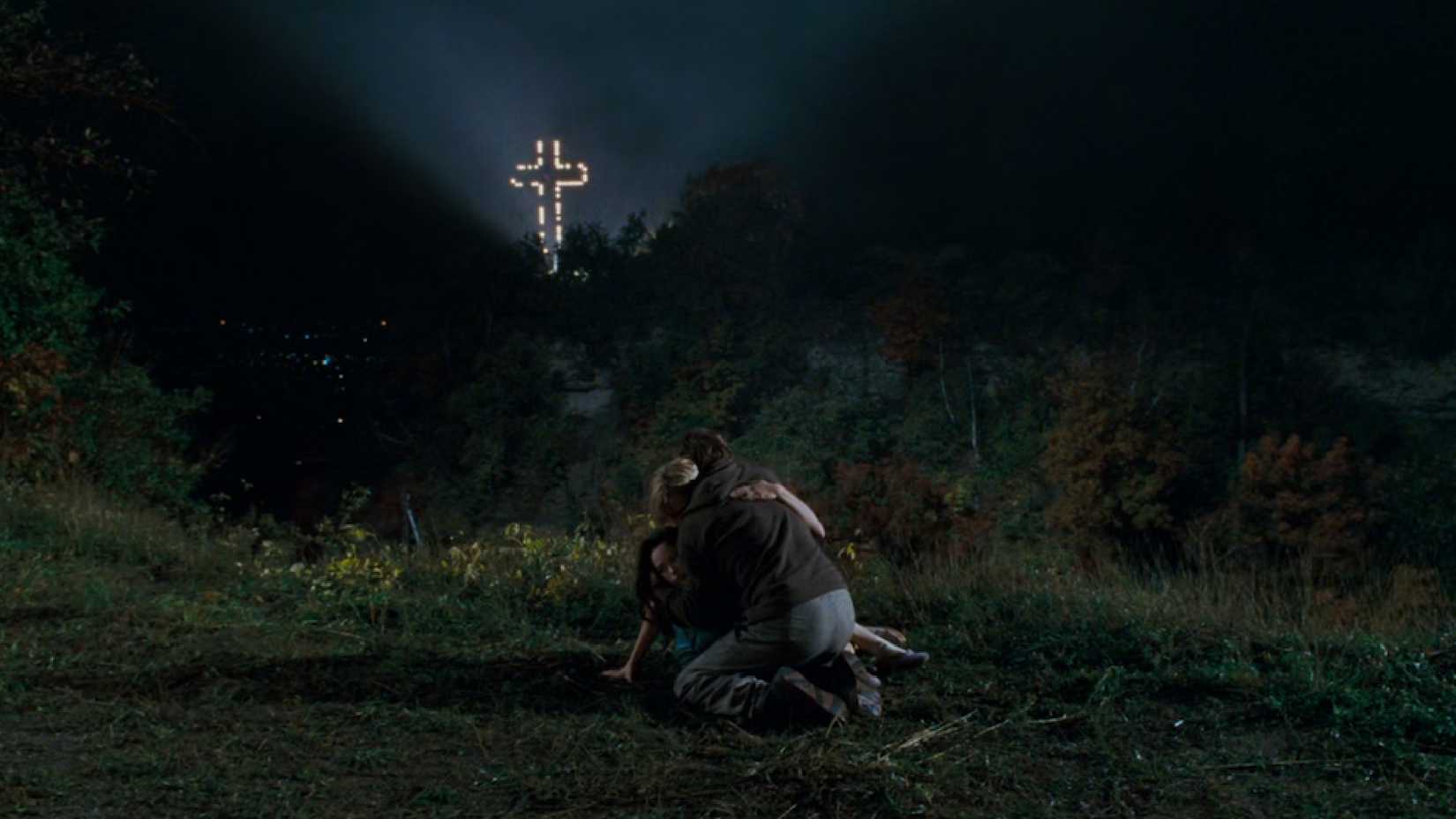
The film effectively uses the "limitations" of a two-hour runtime to its advantage. Rather than attempting to replicate every puzzle or encounter from the PlayStation original, it focuses on the emotional core. It presents a world where the environment itself is an antagonist, and the creatures roaming the streets are not just monsters, but reflections of the town’s dark history. For those finding it difficult to access the original 1999 title, the film remains a vital companion piece that encourages audiences to engage with the source material on a deeper level.
The "Gender-Swap" Controversy and Artistic Intent
One of the most discussed aspects of the film is the choice to change the protagonist from Harry Mason to Rose Da Silva. At the time, this was a point of contention for purists who felt the shift altered the dynamic of the story.
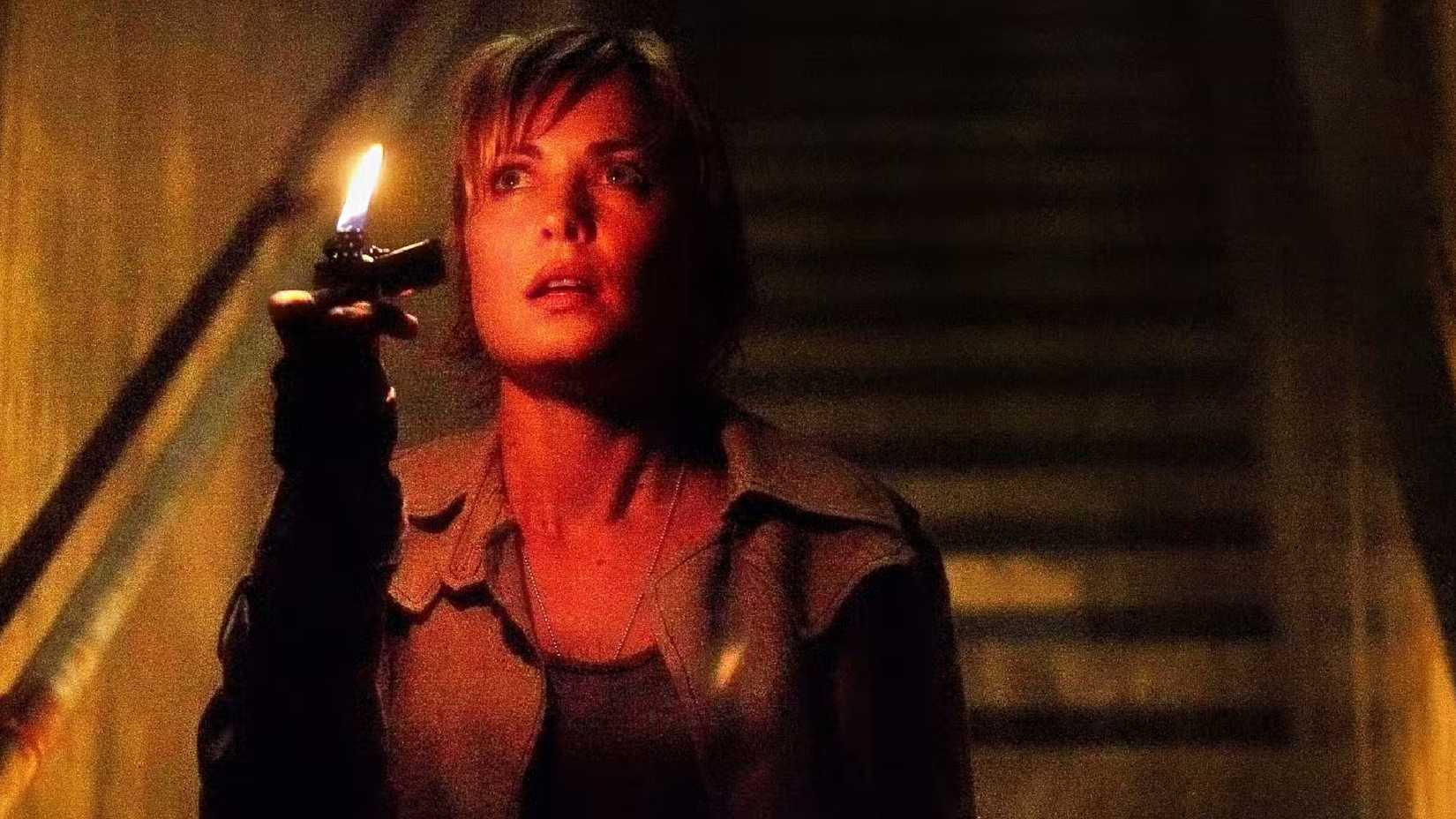
However, from an analytical perspective, this change highlights a key philosophical difference between the game and the movie. Gans argued that a mother’s protective instinct provided a different, perhaps more visceral, type of vulnerability. While some critics labeled this logic as "backwards," it allowed the film to explore the concept of motherhood in the face of the supernatural. The shift in protagonist did not "butchery" the story, as some detractors claimed; rather, it provided a different lens through which to view the tragedy of Alessa Gillespie.
The Influence of Centralia: Fact vs. Fiction
Perhaps the most lasting legacy of the film is its impact on the collective consciousness of the fandom. The production team leaned heavily into the real-world aesthetic of Centralia, Pennsylvania—a town plagued by an underground coal fire—to visualize the foggy, ash-covered streets of Silent Hill.
This creative decision was so effective that, two decades later, a significant portion of the fanbase remains convinced that the game itself was based on Centralia. Even legendary series designer Masahiro Ito has had to take to social media to clarify that the game’s aesthetic was born from other inspirations. The fact that the movie’s aesthetic has successfully supplanted the game’s actual origins in the public imagination is a testament to the visual power of the film. It created a "cinematic truth" that has proven more durable than the original developer’s intent.
The Art of Practicality: Why the Effects Still Hold Up
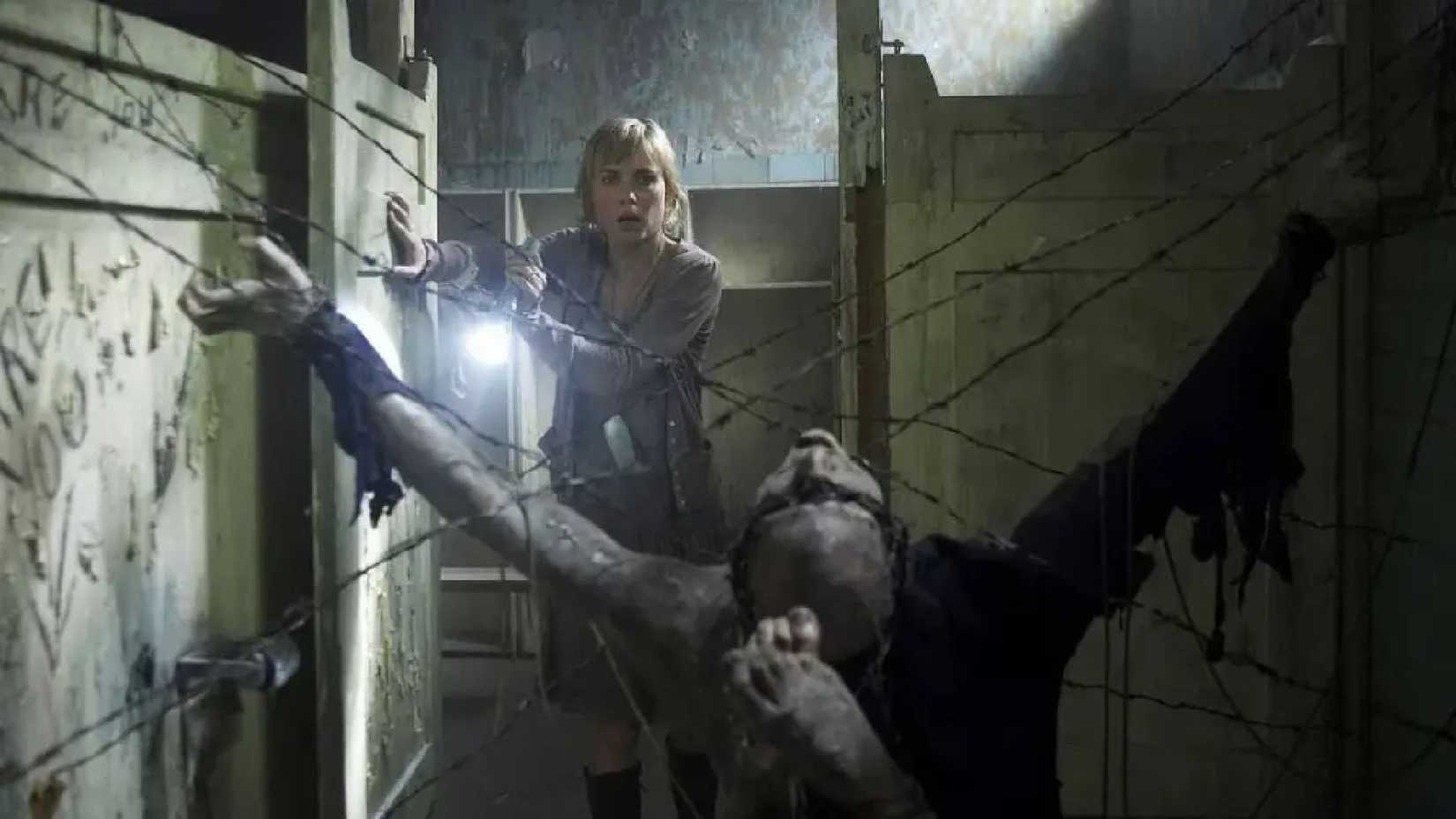
In an era where modern horror often leans on CGI, the 2006 Silent Hill stands as a masterclass in practical effects. The film relied on the physical performances of actors like Roberto Campanella, who not only played the iconic Pyramid Head but also served as the film’s choreographer.
By utilizing intricate costumes and makeup, the monsters feel tangible. When you see the Grey Children, you are seeing a physical performance, not a digital overlay. This commitment to the physical plane makes the horror feel grounded. Even the CGI used in the film—specifically for the transitioning Otherworld—was implemented with a restraint that modern productions often lack. The choice to keep the gore and the supernatural transformations rooted in physical movement ensures that the movie has aged significantly better than its contemporaries.
Akira Yamaoka: The Soul of the Franchise
No discussion of Silent Hill is complete without acknowledging the work of composer Akira Yamaoka. His music is the lifeblood of the series, providing the haunting, industrial, and melancholic soundscape that defines the town.
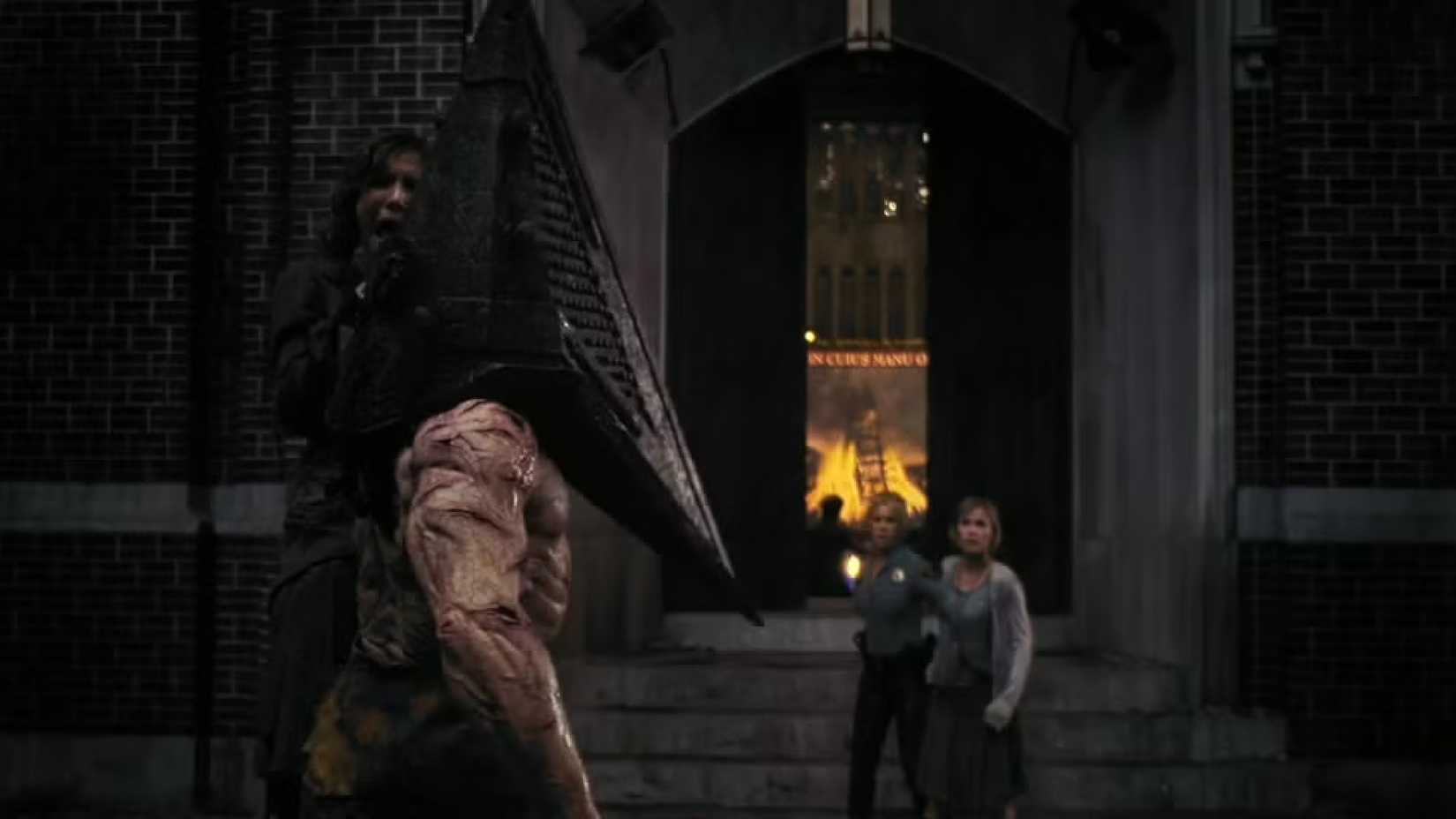
By incorporating the original game’s score into the film, Gans ensured that the movie felt authentic. Yamaoka’s music—tracks like "Never Forgive Me, Never Forget Me"—transcends the medium of video games, finding a life of its own on social media and streaming platforms today. Even those who have never touched a controller recognize the dissonant, heart-wrenching melodies of Silent Hill. The movie’s reliance on this soundtrack is perhaps its greatest strength, grounding the film in the franchise’s unique tonal identity.
A Mirror to Alessa’s Trauma
The narrative heart of both the game and the film is the story of Alessa Gillespie. While the movie shifted the identity of her abuser from her mother, Dahlia, to the fanatic Christabella, the core tragedy remains intact. The film captures the essence of a girl whose pain was so profound that it literally reshaped her reality.
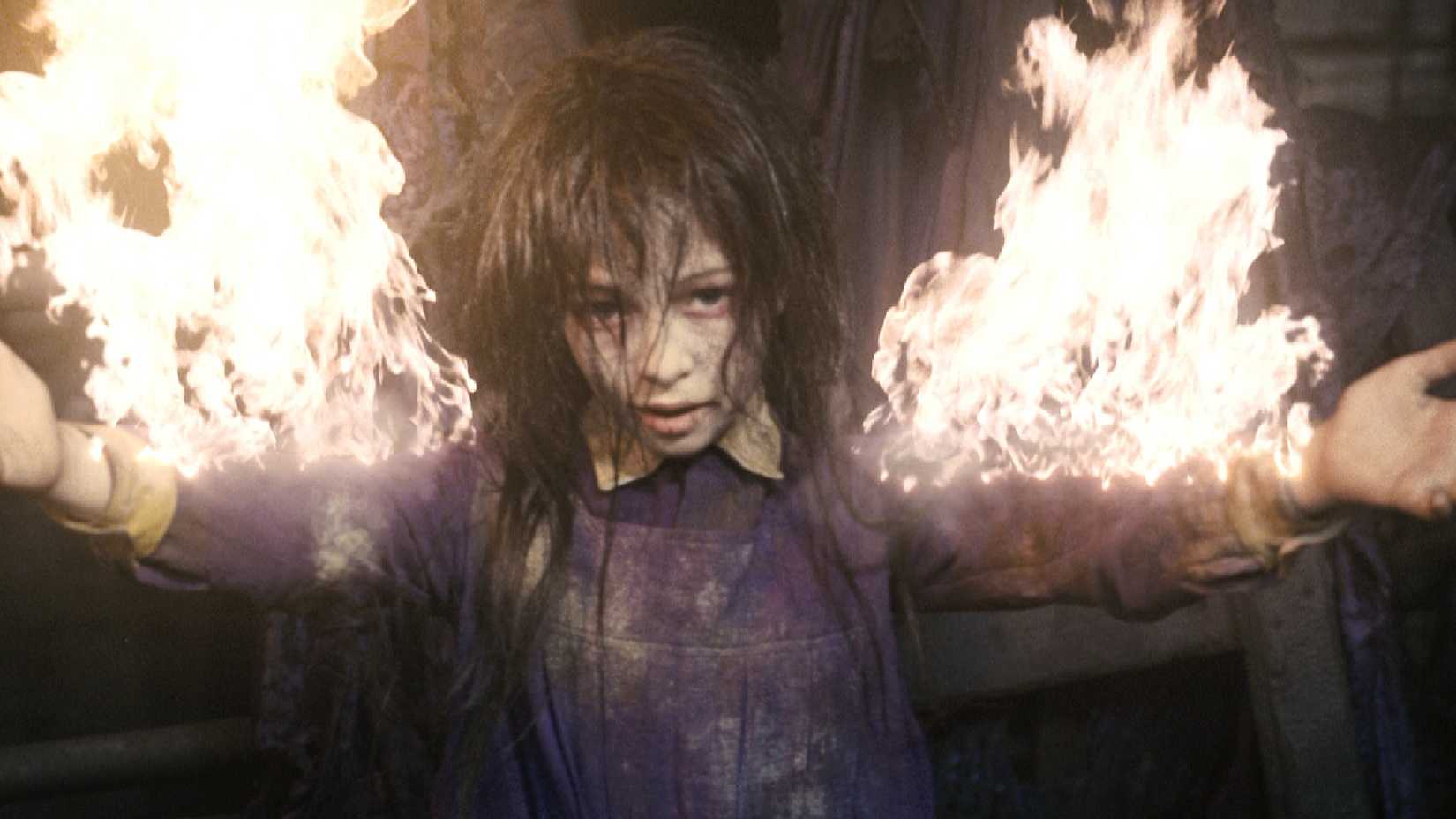
"When you’re hurt and scared for so long, the fear and pain turn to hate, and the hate starts to change the world." This quote from the film summarizes the entire franchise’s philosophy. By focusing on this cycle of abuse and manifestation, the film remains authentic to the spirit of the series, even when the plot beats diverge.
Implications: The High Bar of Adaptation
The enduring success of the 2006 Silent Hill adaptation poses an interesting question for the industry: what makes a "good" adaptation? The answer provided by this film is simple—it is a horror movie first, and a video game adaptation second. It respects the source material’s atmosphere, but it is not afraid to stand on its own as a piece of cinema.
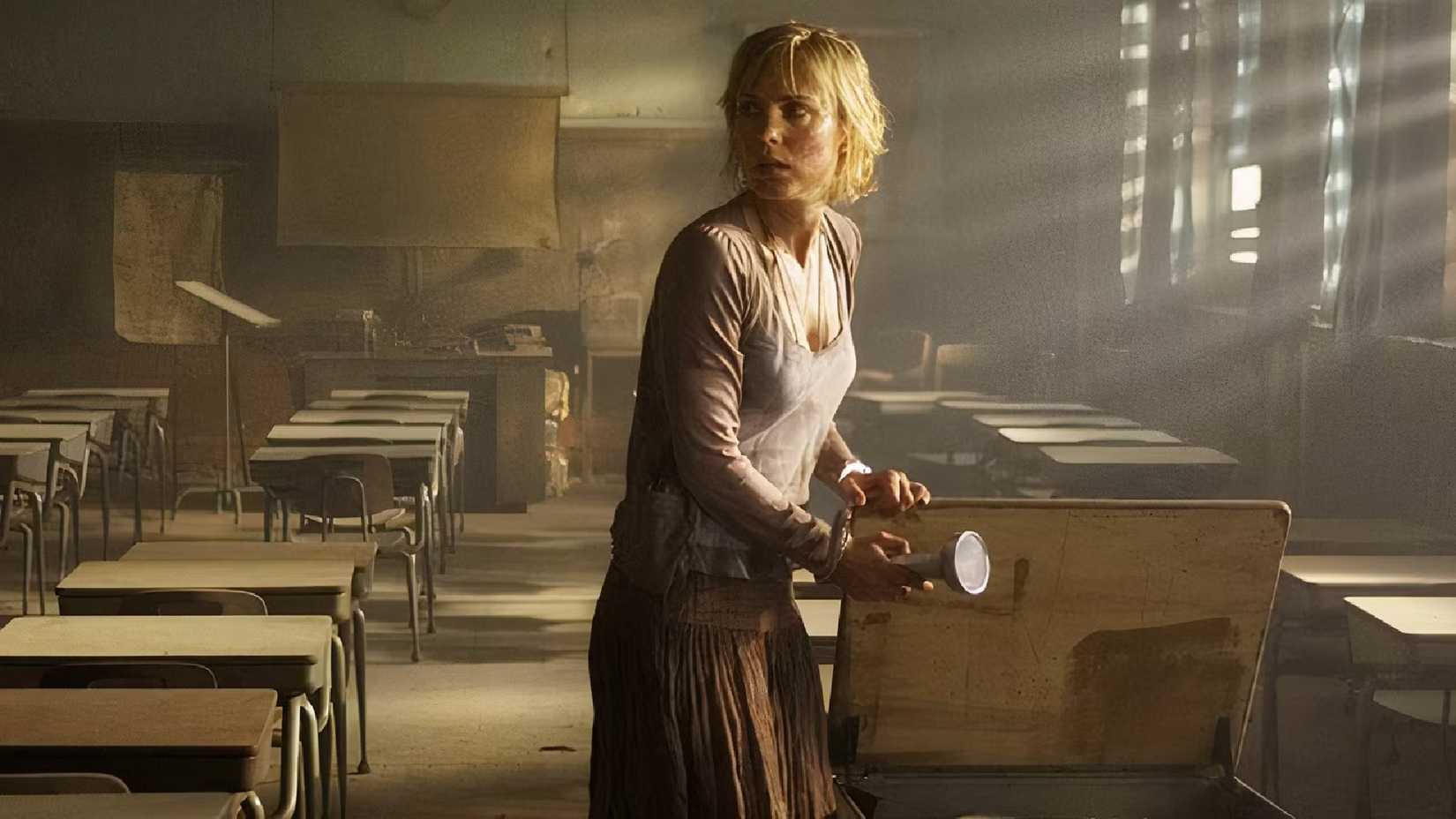
As studios continue to attempt to adapt iconic gaming franchises, they would do well to look back at the 2006 film. It succeeded because it was a labor of love, helmed by a director who understood that the true "monster" of Silent Hill is not just the creature with the pyramid head, but the trauma that necessitates its existence.
In conclusion, Silent Hill (2006) is more than just a nostalgia piece for the millennial generation. It is a defining moment in the history of horror cinema, a film that successfully navigated the treacherous waters of adaptation to deliver something haunting, beautiful, and deeply, irrevocably unsettling. Two decades on, we are still waiting for a follow-up that understands the town as well as this one did.


 Nana Wu
 Lina Hope