Sagoh
Sagoh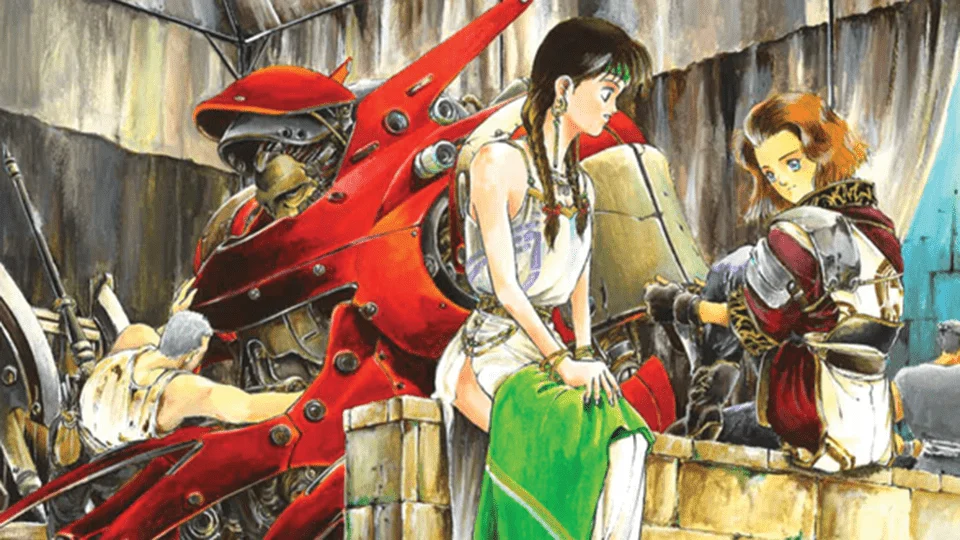
By Editorial Staff
For decades, the Japanese tabletop role-playing game (TRPG) scene has operated as a vibrant, highly stylized subculture, often producing mechanical innovations that diverge sharply from Western standards. While iconic titles like Dungeons & Dragons have dominated the global conversation, a dedicated contingent of publishers has spent the last few years bridging the gap between Japan’s rich gaming history and the international market. Among the most prominent in this movement is LionWing Publishing, which has just launched a highly anticipated crowdfunding campaign for Wares Blade—a foundational piece of Japanese mecha gaming history that has, until now, remained largely inaccessible to English-speaking audiences.
The campaign, which went live on Kickstarter on August 29, 2025, has already shattered expectations, proving that the appetite for "vintage" Japanese game design is stronger than ever.
Main Facts: Bringing a Legend West
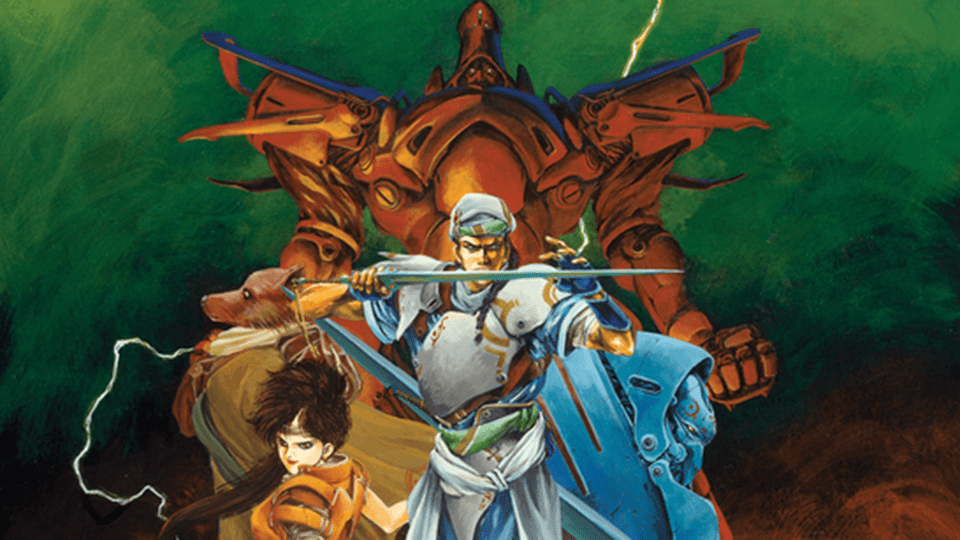
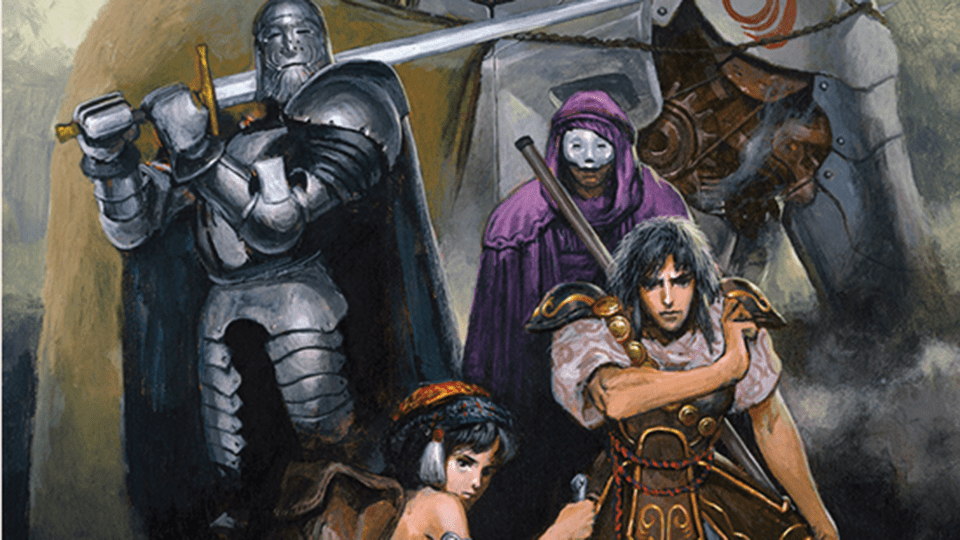
Wares Blade is not merely another entry in the crowded mecha-RPG genre; it is a historical landmark. Originally published in 1989, it stands as one of the first major commercial successes in the Japanese mecha TTRPG space. The game’s premise is a distinctive blend of high-fantasy aesthetics and industrial sci-fi, often compared to the seminal anime The Vision of Escaflowne.
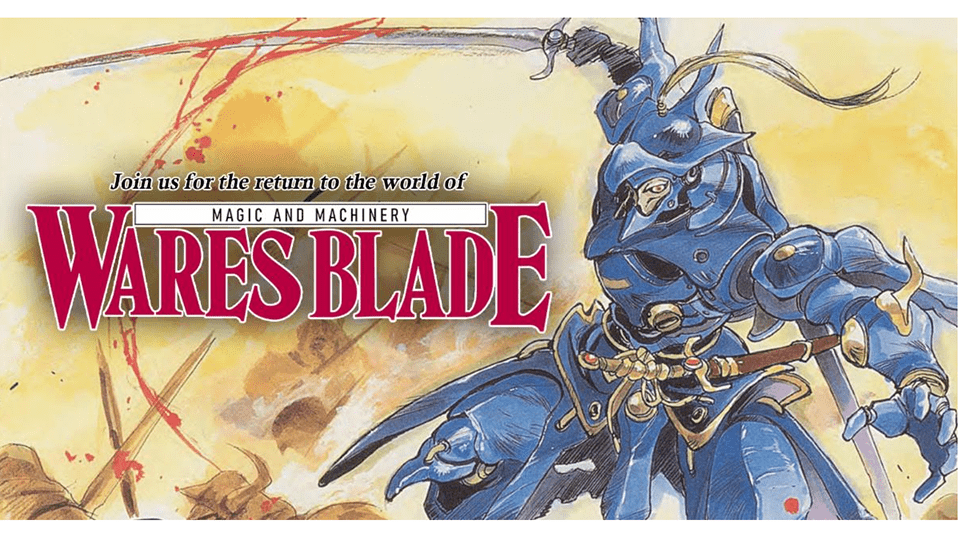
The core gameplay loop revolves around the "Ryude"—magical, mechanized suits that players pilot through intense, tactical combat. Unlike many contemporary systems that prioritize narrative "theater of the mind," Wares Blade utilizes a fast-paced d10 system where combat is calculated in two-second increments. This granular approach to time management forces players to make split-second tactical decisions, balancing the raw power of their magical armor against the inherent risks of spellcasting, which—much like the Warhammer Fantasy system—carries the constant threat of catastrophic backlash.
The Kickstarter campaign is designed to bring this classic title to the West in a localized, high-fidelity format. With tiers ranging from $30 for a digital PDF to $150+ for premium physical collector’s bundles, LionWing is positioning the release not just as a rulebook, but as a comprehensive tabletop package.
Chronology: From 1989 to the Global Stage
To understand the significance of Wares Blade, one must look at the timeline of its development.
- 1989 (The Genesis): The original Japanese edition hit shelves during the height of the Japanese mecha craze. At a time when computer gaming was in its infancy and tabletop gaming was finding its footing in Japan, Wares Blade provided a robust, crunchy system that resonated with fans of Gundam and Macross.
- The 1990s–2010s (Expansion): Over the subsequent three decades, the game underwent dozens of iterations. It received constant updates, setting expansions, and supplementary tie-ins that kept the community alive in Japan long after its initial launch.
- 2024–2025 (The Localization Effort): Recognizing the gap in the English-language market for "classic" Japanese mecha games, LionWing Publishing began the arduous process of rights acquisition and translation. This period involved reconciling 35 years of errata and rule refinements to create a definitive, "complete" version for international players.
- August 29, 2025 (The Crowdfunding Launch): The game officially hit Kickstarter. Within hours, the project exceeded its initial funding goals by seven times, a testament to the pent-up demand for high-quality localization of vintage Japanese tabletop media.
Supporting Data: Why LionWing Leads the Pack
LionWing Publishing has effectively cornered the market on niche Japanese tabletop exports. Their track record is a critical indicator of why Wares Blade is seeing such immediate success.

A Proven Track Record
LionWing’s business model relies on a "curated, high-quality" approach. Rather than dumping raw translations onto the market, they invest in professional layout, localized graphic design, and the inclusion of original bonus content—such as exclusive scenarios or high-resolution art galleries.
- Diverse Portfolio: Their catalog includes the Kamen Rider-inspired Convictor Drive, the intimate, high-tension Eldritch Escape: Tokyo, and the officially licensed Shin Megami Tensei III: Nocturne RPG.
- Crowdfunding Performance: Their previous project, the dark fairy tale-themed Kedamono Opera, was a resounding success. The publisher has established a reputation for reliability, consistently delivering physical rewards and maintaining transparent communication with backers.
The Mechanics of the Game
The data behind the Wares Blade system itself suggests a high level of replayability. With 40 distinct Ryude available at launch, the character customization options are vast. The inclusion of the "Luck" dice pool adds a layer of risk-management that appeals to both min-maxers and narrative-driven players. The risk-reward mechanic, where increasing your odds of success inadvertently makes you a higher-priority target for enemy forces, is a design choice that reflects the brutal, high-stakes nature of mecha combat.
Official Responses: The Publisher’s Vision
In a recent statement regarding the project, representatives from LionWing highlighted the importance of cultural preservation in their work.
"When we look at a title like Wares Blade, we aren’t just looking at a game from 1989; we’re looking at a piece of gaming anthropology," said a lead editor at LionWing. "The goal was never to rewrite the game to fit modern Western sensibilities, but to polish the existing mechanics to ensure they feel as fresh today as they did when they first arrived in Japanese hobby shops."
The publisher has emphasized that the current crowdfunding campaign is the only way they can justify the overhead of producing the high-quality physical components—such as the custom dice, acrylic stands, and dedicated Game Master (GM) screens—that are included in the top-tier backer packages.
Implications: The Future of Japanese TTRPGs in the West
The success of the Wares Blade campaign has broader implications for the tabletop industry.
1. The "Vintage" Renaissance
There is a growing movement of gamers who are tired of the homogenization of modern RPG design. By looking back at the late 80s and early 90s, publishers are discovering systems that offer a "crunchy," tactical experience that is increasingly rare in the current "narrative-first" climate of modern D&D or PbtA (Powered by the Apocalypse) games.
2. Cross-Pollination of Design
As these Japanese titles become more accessible, Western game designers are increasingly adopting Eastern design philosophies. We are seeing a shift toward shorter, more focused campaign arcs and a greater emphasis on player-character synergy, trends that are hallmarks of the Japanese TRPG scene.
3. Sustainability of Niche Crowdfunding
The fact that Wares Blade hit 700% of its goal within the first day proves that the "niche" audience is, in fact, quite large. It signals that if a publisher focuses on quality, licensing, and professional presentation, they can successfully sustain a business model based on translating obscure, regional tabletop gems.
Final Thoughts: Should You Back It?
For the tabletop enthusiast, Wares Blade offers a unique opportunity to experience a foundational piece of mecha history. It is a game that requires tactical acumen, an appreciation for high-fantasy magic systems, and a willingness to embrace the chaotic, luck-driven nature of combat.
As of this report, the Kickstarter campaign is scheduled to remain open until September 18. With the funding goal already achieved and stretch goals currently being unlocked, backers can be confident in the project’s delivery. Whether you are a fan of Escaflowne, a collector of rare tabletop memorabilia, or simply looking for a new, tactical challenge for your game night, Wares Blade represents the best of what the current Japanese localization movement has to offer.
In a market saturated with generic fantasy, the arrival of a steel-clad, magic-wielding classic is a welcome, and long-overdue, development.


 Neng Nana
 Asro
Asro