

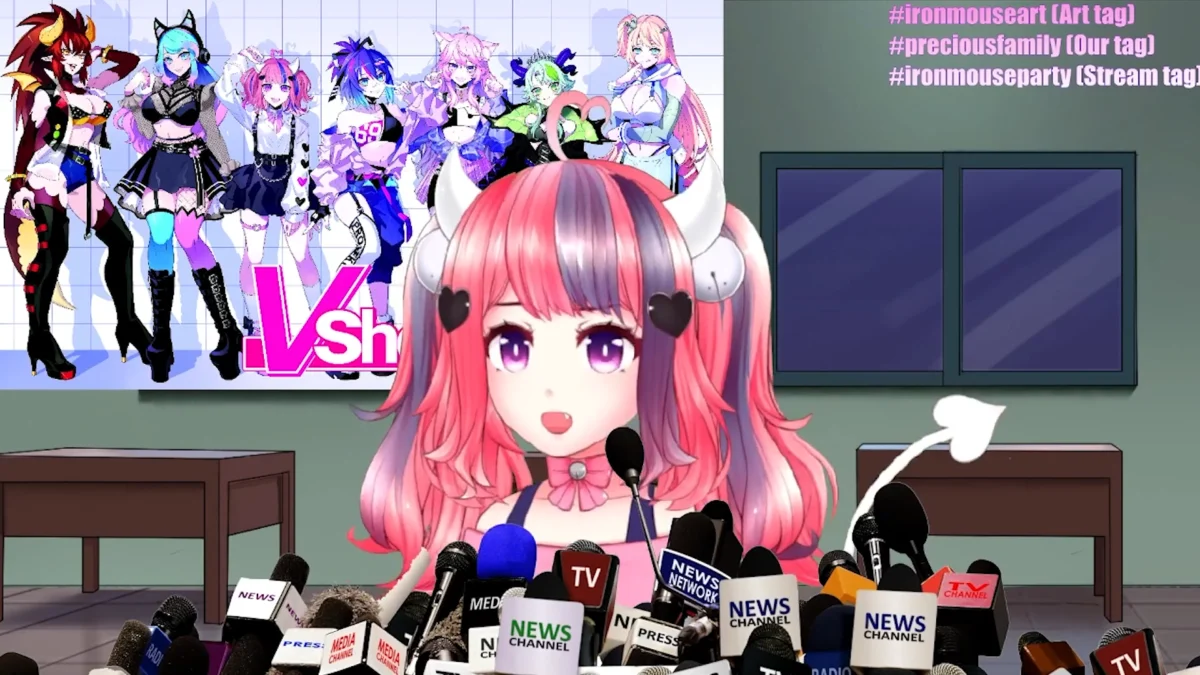
The world of virtual content creation was rocked this week as VShojo, once a titan of the VTuber industry, announced it is permanently ceasing operations. The sudden collapse follows a wave of explosive allegations regarding financial irregularities, unpaid talent, and the misappropriation of charitable funds. The disintegration of the agency, which was once heralded for its “talent-first” philosophy, has triggered a mass exodus of its roster and a broader investigation into the company’s internal governance.
At the center of this turmoil is Ironmouse, the most-subscribed female streamer on Twitch. Her decision to sever ties with the agency acted as the catalyst for a series of revelations that have laid bare a culture of incompetence and potential malfeasance within VShojo’s executive offices.

The Catalyst: Ironmouse’s Damning Testimony
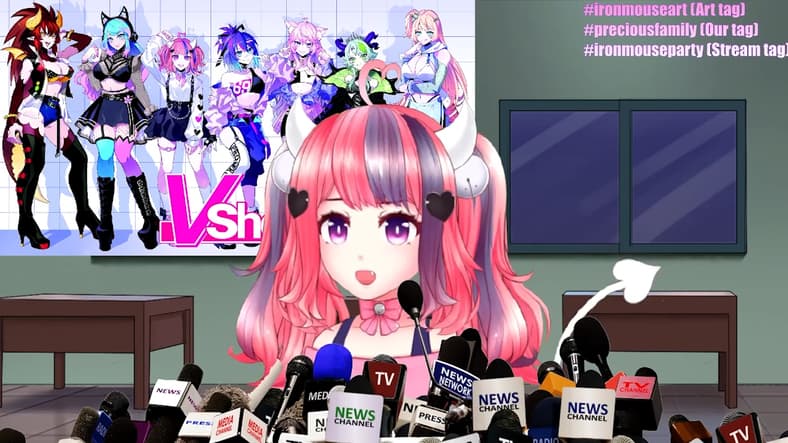
On July 21st, Ironmouse—a pioneer in the VTubing space known for her battle with Common Variable Immunodeficiency—posted an emotional video announcing her departure from VShojo. The video was not merely a farewell; it was an indictment.
Ironmouse alleged that the agency had failed to pay her a “significant amount of funds” earned over the preceding months. More distressingly, she revealed that the Immune Deficiency Foundation (IDF), a charity close to her heart and the recipient of funds raised through her massive “Mouseathon” events, had not received over $500,000 intended for them.

“This entire situation has broken me,” Ironmouse stated in her announcement. “I just wanted to do something good, and to give back to a community that helped me. But unfortunately, that’s not the case.”
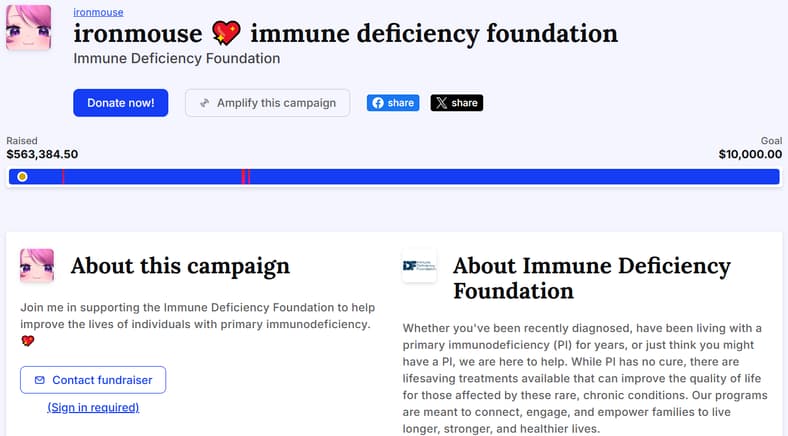
Ironmouse’s disclosure immediately mobilized the digital community. Her fans, fellow streamers, and even charitable organizations rallied to her side. A secondary fundraising campaign on Tiltify, originally intended to raise $10,000 to cover the missing donation, has since eclipsed $563,000, illustrating the immense public trust placed in the creator versus the dwindling credibility of her former agency.
A Chronology of Collapse
The downfall of VShojo did not happen overnight, though the public implosion was swift.
- Mid-2024: Internal tensions reportedly began to boil over as payments to talents became increasingly erratic. While many creators initially attributed these delays to administrative hurdles, it would later be revealed as a symptom of a systemic lack of liquidity.
- July 11, 2024: Long-time VShojo talent Zentreya departed the agency. While she remained legally constrained from discussing the specifics at the time, her subsequent statements hinted at deep-seated frustrations.
- July 21, 2024: Ironmouse releases her video, “Why I left VShojo.” The video confirms rumors of withheld payments and, critically, the missing $500,000 charity donation.
- July 22–23, 2024: A domino effect ensues. Within 48 hours of Ironmouse’s statement, a significant portion of the agency’s western and Japanese rosters announced their resignations.
- July 24, 2024: VShojo CEO Justin “GunRun” Ignacio issues a formal apology and confirms the permanent closure of the agency.
Supporting Data and Evidence of Malfeasance
The financial collapse of VShojo is underscored by a series of testimonies from both current and prospective talents. The scope of the failure extends from the top down.
The Japanese Division’s Perspective
KSon, a prominent figure in the Japanese VTubing scene, provided a harrowing look at the disconnect between the company’s rhetoric and reality. After demanding answers, she discovered that she had been unpaid since September 2024. Even the Japanese CEO, Koshi Makino, admitted that he was being paid only half of his agreed-upon salary and that he had been fed constant assurances by the US-based management that the company was “doing well.”
The Plight of Incoming Talent
Perhaps the most egregious evidence of mismanagement involves those who were on the verge of joining. Tori Orane, a creator who had signed a contract to join VShojo under a new identity, spent seven months in limbo. Despite paying out-of-pocket for her own model and assets, her debut was repeatedly pushed back. When she offered to cover additional costs to expedite the process, the company failed to respond—a move consistent with an entity that had effectively run out of capital.
Allegations of Misconduct
Beyond simple financial insolvency, reports have surfaced regarding a toxic internal culture. Streamer Shibuya Kaho alleged that VShojo staff members openly discussed the personal, private, and financial details of their creators—including their marital statuses and appearance—with third parties. This breach of privacy, combined with reports of unpaid third-party commissions, paints a picture of a company that had abandoned its ethical obligations long before it ran out of cash.
Official Responses: The CEO’s Admission
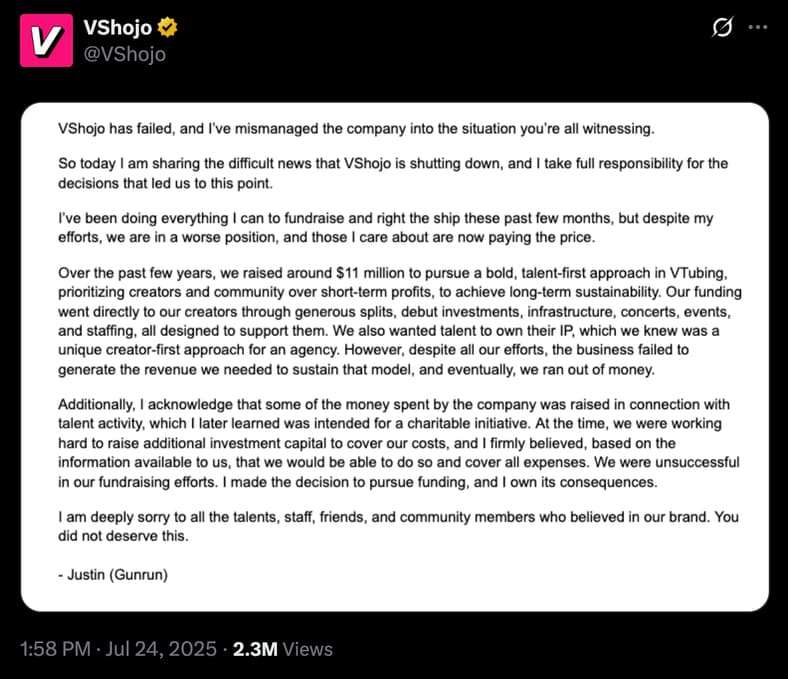
Justin Ignacio, the CEO of VShojo, issued a public statement on X that served as an admission of total failure. In his post, he acknowledged that the agency had raised approximately $11 million over the past few years to fund a “talent-first” approach.

“I’ve been doing everything I can to fundraise and right the ship these past few months, but despite my efforts, we are in a worse position,” Ignacio wrote. “I acknowledge that some of the money spent by the company was raised in connection with talent activity, which I later learned was intended for a charitable initiative.”
Ignacio’s statement confirmed that the company had prioritized its own operational sustainability—and failed—at the expense of its creators and the charities they supported. He took full responsibility for the decision to continue seeking capital when the company was already in a death spiral, acknowledging that he had gambled with the livelihoods of his staff and the reputation of his creators.
Implications for the VTubing Industry
The collapse of VShojo represents a watershed moment for the VTubing industry, which has grown exponentially over the last five years.
The End of the "Agency" Model?
VShojo was marketed as a revolutionary alternative to the more restrictive, corporate-heavy agencies found in Japan. By promising talent ownership of their intellectual property, they attracted top-tier creators. The failure of this model suggests that even a “talent-first” structure is vulnerable to the same classic pitfalls: lack of transparency, poor financial oversight, and the hubris of leadership.
Increased Scrutiny on Creator-Agency Relations
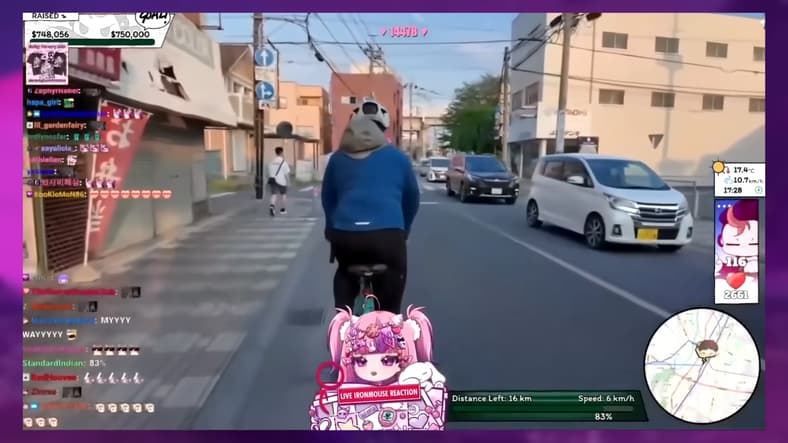
Going forward, streamers are likely to demand more rigorous financial auditing from the agencies they join. The "VShojo incident" has set a precedent where talent is no longer willing to wait behind closed doors for payments. The immediate public rallying around Ironmouse—and the swift, collective departure of talents like Amalee, Projekt Melody, and Kuro—demonstrates that the power dynamic in the creator economy has shifted. The creators are the brand; when the brand fails them, they now have the platform to dismantle it.
The Role of Charity in Streaming
The scandal has also cast a shadow over how charitable donations are handled by intermediary agencies. The industry will likely see a move toward direct-to-charity donation models, where funds bypass the agency entirely to prevent any possibility of commingling or misappropriation.

Conclusion: The Aftermath
As the digital dust settles, the legacy of VShojo will be one of "what could have been." What started as a promising venture to empower independent creators has ended in a cautionary tale of greed, incompetence, and the rapid erosion of professional trust.
For the talents, the path forward involves rebuilding their independence. For the industry, the collapse serves as a stark reminder that in the high-stakes world of online content, the most valuable asset remains the integrity of the individual. As the former VShojo members move on to new chapters, the community continues to support the IDF, proving that while the company has failed, the spirit of the creators and their audience remains undiminished.
The era of VShojo has ended, but the lessons learned will undoubtedly define the next generation of digital agency management.








