

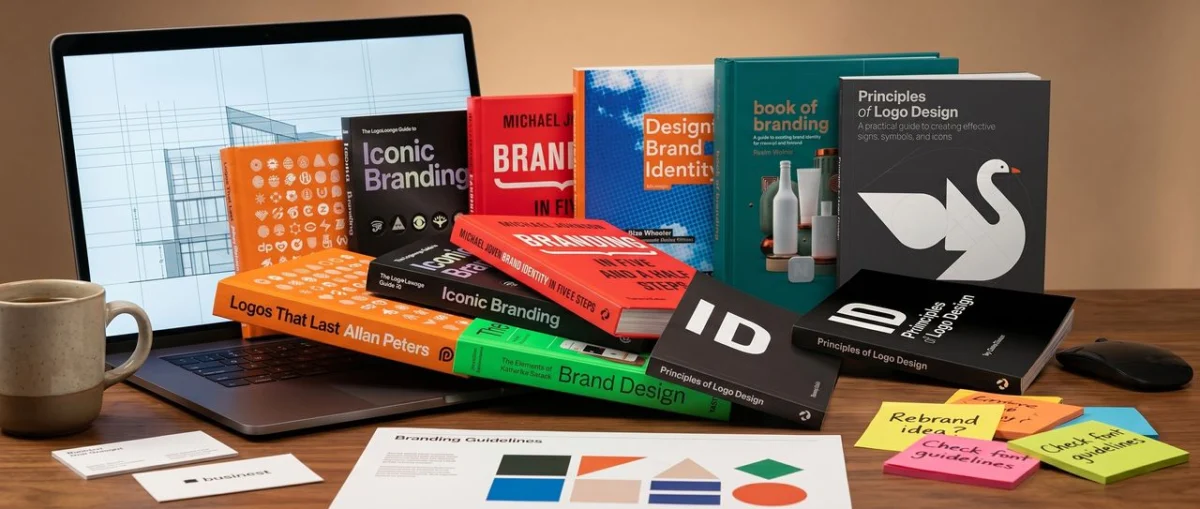
In an era dominated by fleeting social media trends, algorithm-driven design, and the rapid evolution of artificial intelligence, the fundamental principles of branding remain surprisingly anchored in print. While digital tools have revolutionized the speed at which we create, the philosophy behind building a lasting brand identity is best cultivated through the deliberate, deep-dive exploration offered by classic literature. For designers, entrepreneurs, and marketing strategists, the wisdom contained within the pages of seminal branding texts continues to serve as the definitive North Star.
The Enduring Power of the Printed Word
The world of branding is both intricate and expansive. To master it requires more than a passing knowledge of color theory or typography; it demands an understanding of consumer psychology, strategic positioning, and the narrative architecture of businesses.
For those looking to move beyond the superficial "hacks" of digital marketing, there is no better starting point than a curated selection of industry-defining books. These volumes, authored by the giants of the graphic design world—such as David Airey, Michael Johnson, and Alina Wheeler—offer a structured approach to a discipline that often feels chaotic. These authors do not merely provide how-to manuals; they offer frameworks for thinking, helping readers bridge the gap between aesthetic beauty and commercial effectiveness.
A Chronology of Iconic Branding Literature
The evolution of branding books tracks the evolution of the industry itself. In the mid-20th century, the focus was primarily on corporate identity—the tangible manifestation of a company’s soul.
The Foundational Era (1970s–1990s)
During this period, the literature focused on the mechanics of logos and the systematic application of design across various mediums. It was a time of strict grid systems and the birth of the corporate identity manual. The books published during this era emphasized clarity, consistency, and the architectural nature of design.
The Strategic Shift (2000s–2010s)
As the internet began to permeate the business world, the literature shifted. Branding was no longer just about a logo; it became about "brand experience." Authors began to focus on the emotional connection between a company and its audience. Alina Wheeler’s Designing Brand Identity, first published in 2003, became a cornerstone text, standardizing the process of brand development from research to implementation.
The Modern Integrated Era (2020–Present)
Today, the most influential books combine historical graphic design principles with contemporary digital strategy. The focus is on agility, purpose-driven design, and navigating the complexities of a multi-platform existence. Books by Michael Johnson, such as Branding: In Five and a Half Steps, have simplified the process for a new generation, proving that despite technological advancements, the fundamental "problem-solving" nature of branding remains unchanged.
Supporting Data: Why Education Matters
Industry data consistently shows that businesses with strong, cohesive branding outperform their competitors by a significant margin. According to recent market analysis, companies that prioritize consistent brand presentation experience revenue growth of up to 23%.
However, the "creative gap" remains a significant hurdle. Many startups possess the tools to design, but lack the strategic framework to differentiate themselves. This is where professional development through literature becomes an economic imperative. The investment in a $30 book often yields a return in the form of a more refined brand strategy that saves companies thousands in ineffective marketing spend.
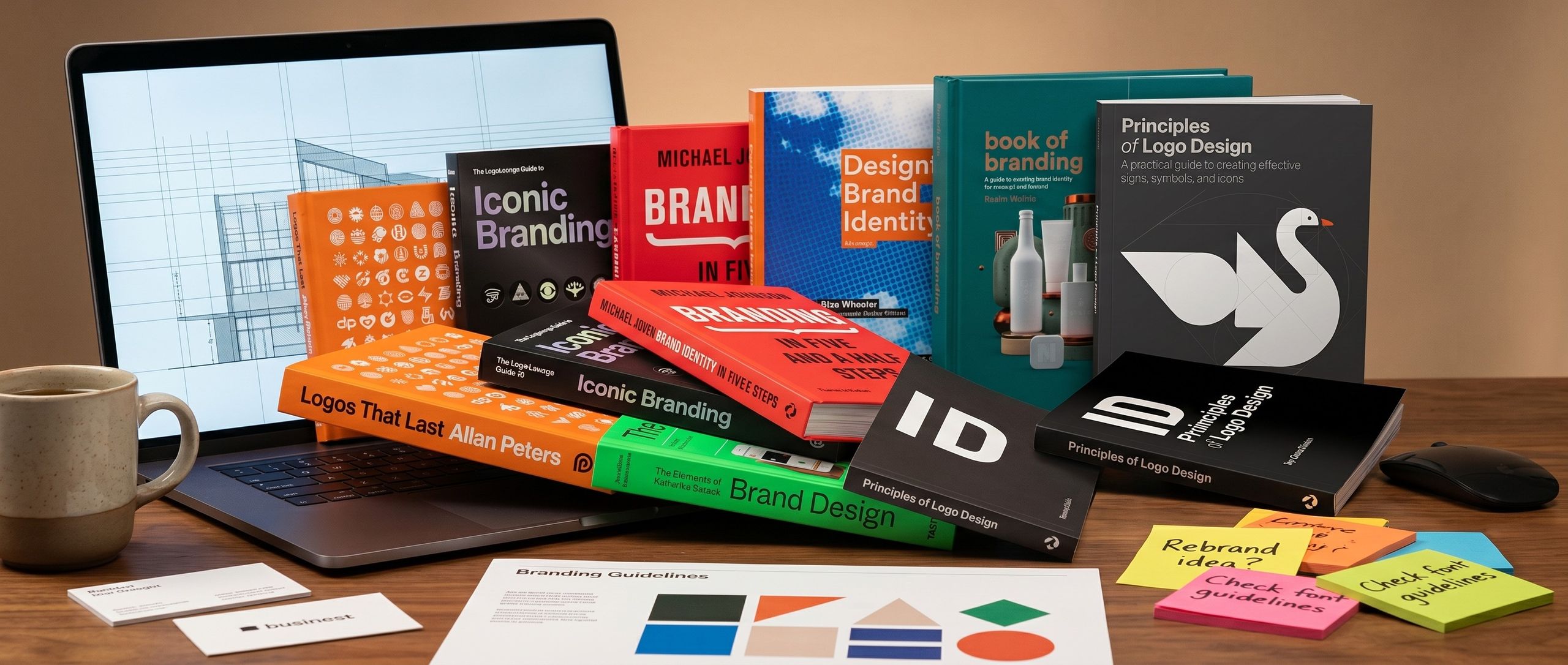
Educational resources, such as those curated by Creative Bloq, highlight that designers who study the history and theory of branding are better equipped to defend their work to clients, articulate their creative process, and command higher fees for their services.
Insights from the Masters
The experts whose works define the field share a common belief: branding is an act of translation.
- David Airey: In his works like Logo Design Love, Airey emphasizes that a logo is a vessel for meaning, not a piece of art for the sake of art. He advocates for simplicity, arguing that the most effective brands are those that strip away the non-essential.
- Michael Johnson: His approach is rooted in the idea of "brand clarity." Johnson argues that before a single line is drawn, the designer must identify the core tension or problem the brand is solving. His "five and a half steps" method acts as a roadmap for navigating the ambiguity of client briefs.
- Alina Wheeler: Wheeler’s influence lies in her ability to demystify the complex, multi-year process of brand management. She views branding as a cross-disciplinary endeavor, requiring collaboration between designers, writers, and business strategists.
Implications for the Future of Design
As artificial intelligence begins to generate design assets at scale, the value of the "human designer" is being questioned. However, the industry consensus—and the core message of current branding literature—is that AI can produce graphics, but it cannot produce strategy.
The implication for the modern designer is clear: move up the value chain. By mastering the principles found in the books of the greats, designers can transition from "pixel pushers" to "brand architects." The future of the industry belongs to those who understand the "why" behind the "what."
The AI Challenge
While tools like Midjourney or DALL-E can create visually striking brand marks, they often lack the cultural context and deep-seated strategic reasoning that a human designer learns through experience and rigorous study. The books mentioned in this guide serve as a firewall against the commoditization of design. They reinforce the idea that true branding is a human-centric discipline that requires empathy, foresight, and a deep understanding of human behavior.
Conclusion: Building Your Personal Library
Whether you are a student just entering the field or a seasoned professional looking to sharpen your edge, your library is your most valuable tool. The act of reading forces a deceleration—a necessary counter-balance to the frantic pace of the creative industry.
For those looking to expand their knowledge, resources like our comprehensive best branding books buying guide offer a curated path through the dense forest of industry literature. Similarly, keeping an eye on broader graphic design books ensures that your aesthetic foundation remains as strong as your strategic one.
As we look toward the future, the medium may change, and the platforms may shift, but the principles of effective communication will remain constant. By investing in the wisdom of the past, you are building the identity of the future.
About the Author: Rosie Hilder is the Deputy Editor of Creative Bloq. With a career spanning from international journalism in Buenos Aires to the editorial helm of some of the world’s leading design publications, she has dedicated her work to bridging the gap between high-level design theory and practical application. She is a frequent judge at the Brand Impact Awards and a passionate advocate for design education.











No comments yet. Be the first to join the conversation!