

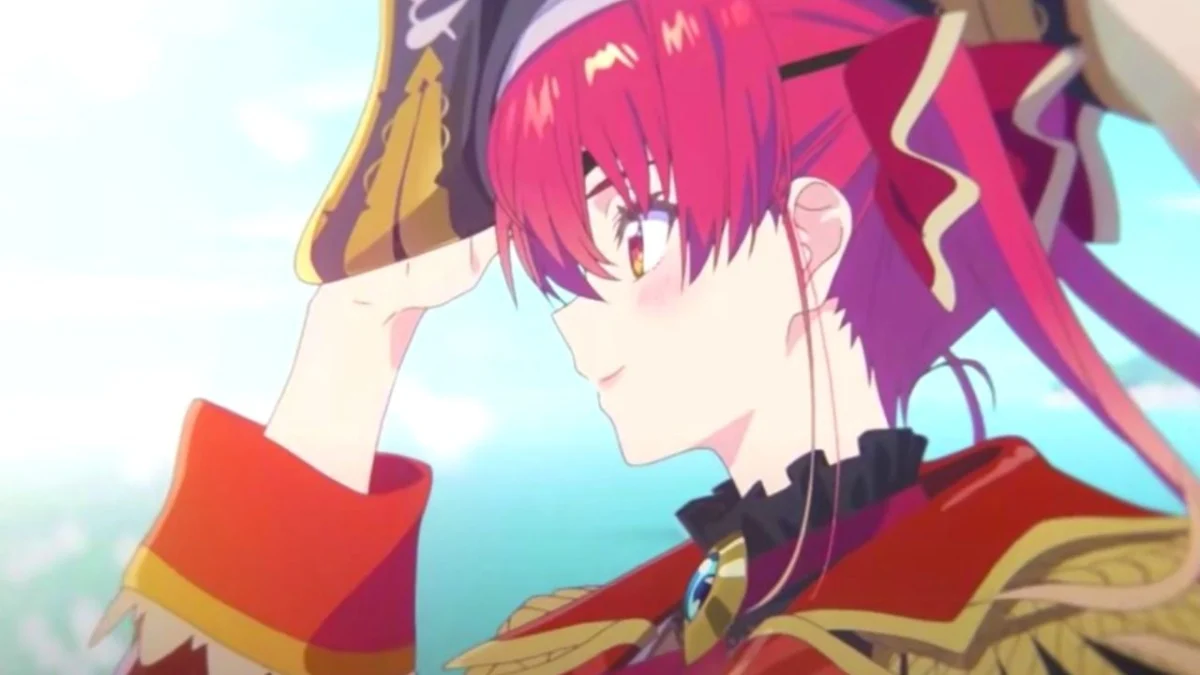
The digital landscape of content creation has been fundamentally reshaped over the last few years, driven by a surge in popularity of Virtual YouTubers—or "VTubers." If you have spent any time browsing the trending tabs of YouTube or the live-streaming categories on Twitch, you have likely encountered these vibrant, high-fidelity anime-style avatars. Behind these digital personas lie real-world performers using sophisticated motion-capture technology to entertain millions. At the vanguard of this cultural phenomenon is Cover Corp’s Hololive Production, a Japanese agency that has transformed from a niche interest into a global entertainment powerhouse.
Now, Hololive is taking its most ambitious step yet: "Hololive Alternative." This project aims to bridge the gap between traditional streaming and a fully immersive, interconnected virtual universe.
The Genesis of the Virtual Revolution
To understand the magnitude of "Hololive Alternative," one must first acknowledge the meteoric rise of the agency itself. Established in December 2019 under the parent company Cover Corp, Hololive was designed to manage a roster of talent who perform exclusively through animated avatars.
What began as a novelty has evolved into a legitimate entertainment industry. With over 50 active talents—including international stars such as Takanashi Kiara and Ninomae Ina’nis—Hololive has cultivated a dedicated, global fanbase that transcends traditional language and geographical barriers. The agency’s success lies in its ability to marry the intimacy of a live stream with the high-production values of Japanese animation.
Hololive Alternative: Redefining Digital Presence
The "Hololive Alternative" project is not merely a content expansion; it is a conceptual restructuring of how audiences interact with virtual talent. By launching a dedicated portal, the company has teased a multifaceted virtual world that promises to go beyond the confines of a standard camera view.
The Promotional Vision
The official teaser video for the project provides a glimpse into this vision. Unlike the usual "talking head" format of VTuber streams, the footage showcases sweeping, cinematic vistas, action-oriented character sequences, and a cohesive art style that feels more aligned with high-budget anime features than standard streaming fare. The goal is to provide a setting—a "world"—where these characters exist, interact, and perform within a shared narrative space.
Manga and Narrative Integration
The project’s expansion into traditional media, specifically through an upcoming manga series, signals a shift toward transmedia storytelling. By releasing stories centered on the "Alternative" universe on platforms like Twitter, Hololive is moving to cement the lore of its talents. This allows fans to engage with their favorite streamers not just as personalities, but as characters within an evolving, fictionalized reality.
Chronology of Expansion
The trajectory of Hololive’s growth has been marked by a series of strategic milestones:
- December 2019: Official formation of Hololive Productions, formalizing the management of its growing roster of virtual talents.
- 2020–2021: The agency experienced an explosive surge in international viewership, fueled by the launch of "Hololive English," which allowed Western audiences to connect directly with talent in their native language.
- Early 2021: Announcement of "Hololive Alternative," signaling the company’s transition from an agency to a multimedia world-builder.
- March 2021: Implementation of the second round of auditions for new talent to join the expanding virtual ecosystem, highlighting the company’s aggressive recruitment strategy.
- Ongoing: The continuous release of short-form "Alternative" PVs (Promotional Videos) and narrative teasers to maintain community engagement.
Supporting Data: The Scale of the Phenomenon
The statistics surrounding Hololive are staggering. The agency currently manages over 50 unique talents, each boasting their own distinct personality, lore, and aesthetic design. These talents frequently dominate the top spots on streaming charts, often outperforming traditional streamers in terms of concurrent viewership and fan engagement metrics.
The decision to lean into "Alternative" is backed by the economic success of the "Super Chat" model—where fans donate to creators during live streams—and the sale of digital and physical merchandise. By creating a shared virtual world, Hololive is effectively creating a "theme park" of content. This reduces the risk of viewer fatigue by providing fans with new ways to consume content, such as reading manga or exploring virtual environments, rather than relying solely on the talent’s stamina for streaming.
Official Stance and Strategic Objectives
The vision behind this endeavor was best articulated by CEO Motoaki Tanigo. In various briefings, Tanigo has expressed a desire to construct an "animated world" that functions as a venue for global performances.
Bridging the Distance
The core philosophy is the removal of friction. Historically, live entertainment has been limited by time zones, language barriers, and the logistics of physical venues. Through the virtual infrastructure of "Alternative," Tanigo envisions a space where fans from Tokyo, New York, and Berlin can participate in the same event simultaneously. The technology acts as a bridge, ensuring that the "live" experience is not lost to the digital medium.
Recruitment as a Growth Driver
The project is not just a technical challenge; it is a human resources endeavor. The ongoing recruitment drives are designed to bring in new talent that can thrive in this collaborative environment. The agency is explicitly looking for creators who understand that their role is shifting from a solo streamer to a part of a larger, interconnected narrative tapestry.
Implications for the Future of Entertainment
The Death of Distance
Hololive’s push toward a virtual world underscores a broader trend in the entertainment industry: the move toward the "Metaverse." While many companies are still struggling to define what that means, Hololive is demonstrating it through content. They are proving that high-quality, character-driven entertainment can be delivered remotely and received with the same emotional intensity as physical concerts or stage plays.
Cultural Exchange
Perhaps the most significant implication is the democratization of Japanese pop culture. By fostering a multilingual roster, Hololive has effectively exported Japanese idol culture to a global audience that might never have engaged with it otherwise. "Hololive Alternative" takes this further by providing a visual language—via the manga and animation—that transcends the need for subtitles, allowing the visuals to do the heavy lifting.
The Evolution of the "Influencer"
We are witnessing the evolution of the "Influencer" into the "Virtual Icon." Unlike real-world celebrities, these characters are not bound by the physical constraints of aging, travel, or location. They are immortal, adaptable, and infinitely scalable. The implications for marketing, sponsorship, and brand loyalty are massive. Brands are already beginning to view VTubers as safer, more predictable, and more versatile partners than traditional human influencers.
Conclusion: A New Frontier
As we look toward the future, the success of Hololive will likely serve as a blueprint for the next decade of digital entertainment. The "Hololive Alternative" project is not merely an experiment; it is a calculated bet on the future of human connection. By blending the artistic traditions of Japan with the bleeding edge of virtual reality and streaming technology, Hololive is carving out a space where the imagination is the only limit.
Whether this project will fully succeed in creating a seamless, interconnected virtual world remains to be seen. However, given the agency’s track record of turning the impossible into the mainstream, it is a venture that demands the attention of anyone interested in the future of the internet. For the fans, the message is clear: the show is only just beginning, and the world is getting a whole lot bigger.








