Siti Muinah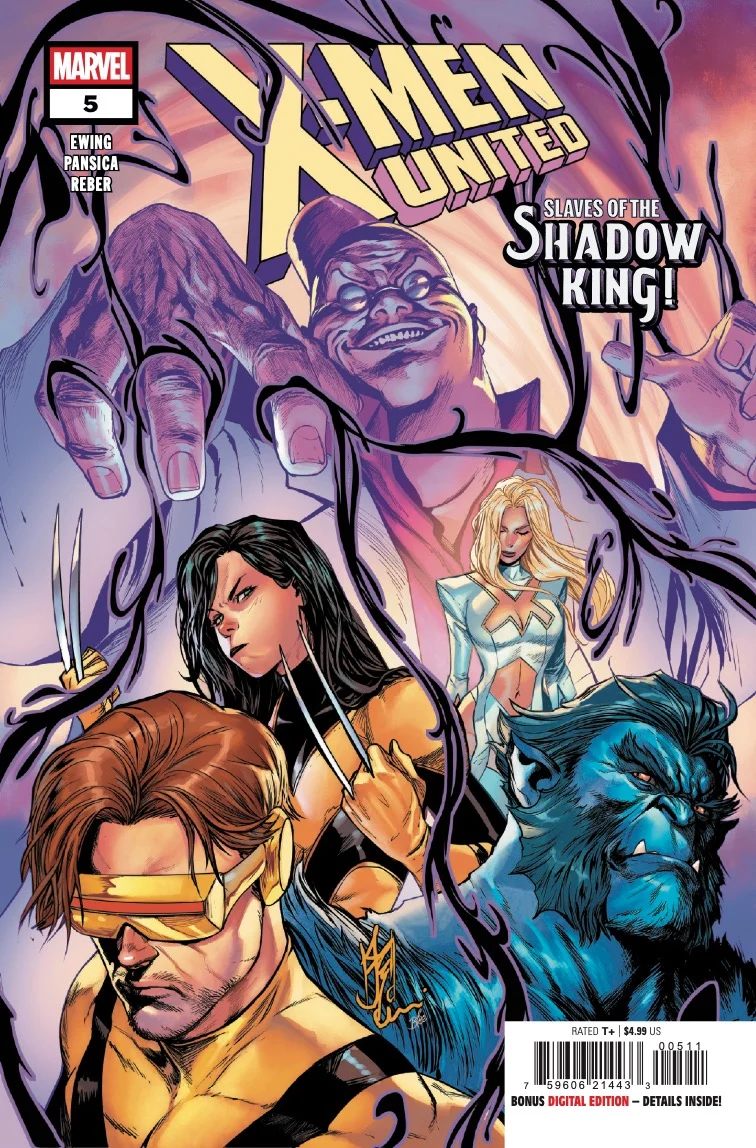
The Marvel Universe is no stranger to cosmic threats, interdimensional rifts, and the ever-present shadow of mutant persecution. However, in the upcoming X-Men United #5, set to hit shelves on July 1, 2026, the stakes shift from global extinction to a more intimate, tactical nightmare. What began as an earnest attempt by Bobby Drake—Iceman—to foster unity and camaraderie among the X-Men has spiraled into a strategic catastrophe, leaving the team’s new base at Graymatter Lane dangerously exposed.
The Catalyst: A Dream of Fellowship Turned Nightmare
The narrative tension in X-Men United #5 stems from a singular, well-intentioned error. Iceman, acting as the primary architect of a new era of mutant socialization, sought to bring together the disparate factions of the X-Men for a period of relaxation and mutual support. In a universe where the mutant population is often forced into a perpetual state of "war-footing," the idea of "fun times and fellowship" was supposed to be a reprieve.

Instead, the initiative backfired with devastating efficiency. By centralizing the X-Men’s core talent and leadership, Bobby inadvertently created a vacuum of security at their headquarters. The teaching corps, the very backbone of the school and its defensive capabilities, have found themselves displaced, trapped in a distant and hostile plane of existence. With the mentors gone, Graymatter Lane—a site of critical importance to the mutant cause—is now effectively defenseless, facing a multi-front assault that the remaining residents are ill-equipped to handle.
Chronology of the Crisis
To understand the gravity of the situation in issue #5, one must look at the progression of the X-Men United arc:
- The Foundation: The series began with the establishment of Graymatter Lane as a sanctuary designed to foster the next generation of mutants while repairing the fractured bonds of the veteran teams.
- The Gathering: Iceman’s initiative to bridge the gap between "Generation X" and the classic rosters reached its peak in issue #4, where a massive social event was organized to bolster morale.
- The Displacement: During the climax of the previous issue, a sophisticated energy signature trapped the faculty in an extradimensional pocket, effectively isolating them from Earth.
- The Current Stand (Issue #5): The upcoming release picks up at the precise moment the trap is sprung. With no mentors, the students and remaining staff must contend with the encroaching threats of Lourdes Chantal, a mysterious shadowy adversary, and the enigmatic newcomer, Justina LaGuardia.
Behind the Creative Team
The narrative arc of X-Men United has been defined by the sharp, character-driven writing of Eve L. Ewing. Known for her ability to balance the heavy political weight of the X-Men mythos with the internal struggles of individual heroes, Ewing has positioned this issue as a "bottleneck" story—one that forces characters into extreme situations where their true nature is revealed.
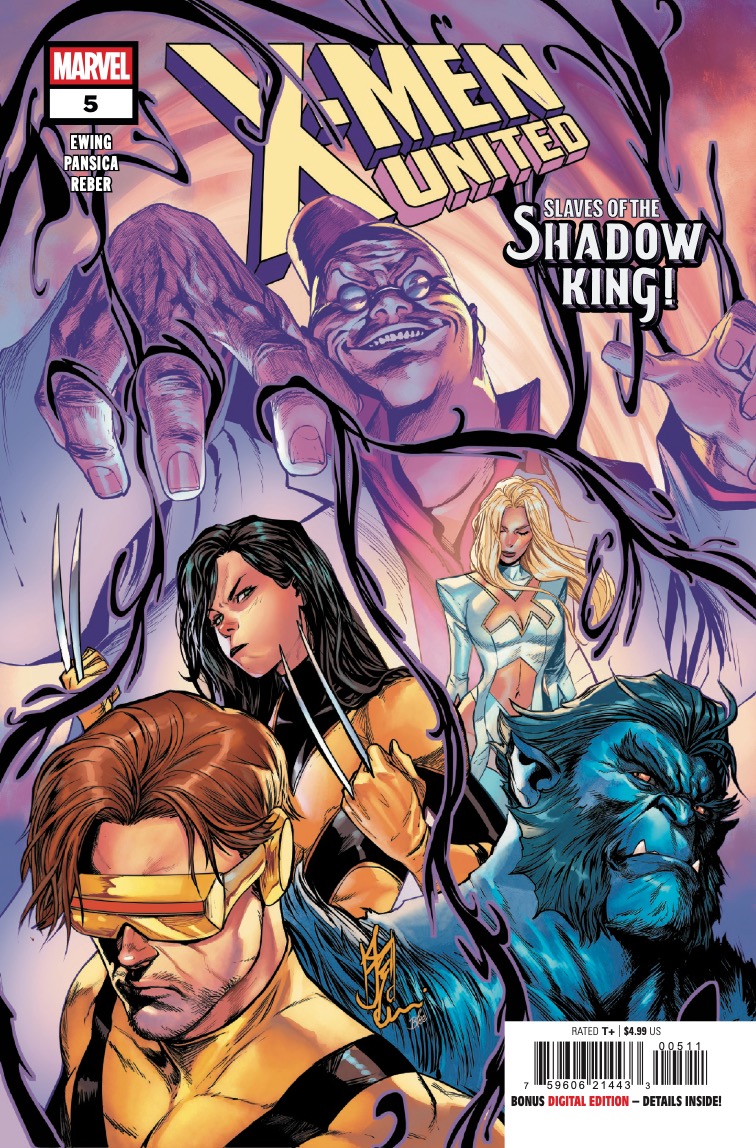
The visual storytelling is handled by Eduardo Pansica, whose dynamic pencils bring a sense of claustrophobia to the wide-open spaces of the astral/extradimensional plane, while colorist Brian Reber provides the stark, high-contrast palette that distinguishes the familiar halls of Graymatter Lane from the alien landscape where the faculty is held captive. The cover art, a striking piece by Stefano Caselli and Federico Blee, perfectly encapsulates the theme of "the watch," featuring a looming, unseen threat that emphasizes the vulnerability of the school.

Tactical Implications: Who is Justina LaGuardia?
The inclusion of a character named Justina LaGuardia in the solicitations has sent ripples of speculation through the fan community. In the tightly woven tapestry of Marvel continuity, new characters introduced during such high-stakes events often serve as catalysts for massive status-quo shifts.
Is LaGuardia an ally, or is she the architect of the faculty’s displacement? Her emergence alongside Lourdes Chantal—a character with a complex history involving the Hellfire Club and the X-Men—suggests that this is not merely a random accident of the multiverse, but a calculated strike. If the "shadowy figure" mentioned in the synopsis is someone from the X-Men’s past, the team may be looking at a coordinated revenge plot that has been months in the making.

The Vulnerability of Graymatter Lane
Graymatter Lane represents more than just a school; it is a symbol of the X-Men’s commitment to education over militancy. The loss of the teaching corps is a blow to that philosophy. Without their instructors, the students are forced to either flee or become soldiers before they are ready.
This shift in tone reflects a broader trend in current Marvel storytelling: the "hardening" of the mutant experience. While Krakoa offered a period of aggressive sovereignty, the current era demands a return to the basics of survival. The upcoming 32-page issue promises to explore how these young mutants handle the pressure of being the sole line of defense against an adversary who clearly understands the team’s tactical weaknesses.

Official Commentary and Industry Anticipation
While Marvel Comics has remained tight-lipped regarding the specific resolution of this arc, the editorial buzz surrounding X-Men United #5 suggests that it is a pivotal chapter. A representative for the publisher noted, "Eve L. Ewing has crafted a scenario that forces our characters to stop relying on their legends and start relying on each other. It’s a test of leadership under fire."
Retailers are anticipating high demand for this issue, citing both the popularity of the creative team and the "event-like" nature of the cliffhanger. The 32-page count indicates that this is a dense, action-packed installment designed to move the pieces of the board for the second half of 2026.

Broader Implications for the X-Men Line
The events of this issue are likely to have long-lasting effects on the X-Men’s organizational structure. If the faculty remains trapped, or if their return is contingent on a Faustian bargain, the power dynamics within the team will fundamentally change.
- Shift in Leadership: With the "old guard" out of commission, younger or less experienced members of the team will be forced to step into command roles.
- Structural Integrity: The school may need to go into "lockdown" mode, changing its mission statement from one of openness to one of absolute secrecy.
- The Rise of New Antagonists: If Justina LaGuardia is a new, recurring antagonist, her debut in this issue will be viewed as a historical moment in the franchise’s rogues’ gallery.
Conclusion: A Turning Point
As we approach the July 1 release date, the anticipation for X-Men United #5 continues to mount. By taking the world’s most powerful mutants and stripping away their support system, the creative team has managed to raise the stakes without relying on the typical "end of the world" tropes.

This is a story about the fragility of peace and the danger of hubris. Bobby Drake wanted to create a moment of joy, but in doing so, he may have provided the opening that the X-Men’s enemies have been waiting for. Whether the students of Graymatter Lane can survive this trial—and whether they will be the same people when the faculty finally returns—remains the central question of this compelling new chapter in X-Men history.
Readers are advised to prepare for a fast-paced, emotionally resonant issue that challenges everything they thought they knew about the current state of mutant education and the safety of the X-Men’s home base. X-Men United #5 is poised to be not just a standard issue, but a defining moment for the current era of the franchise.


 Sagoh
Sagoh
 Ammar Sabilarrohman