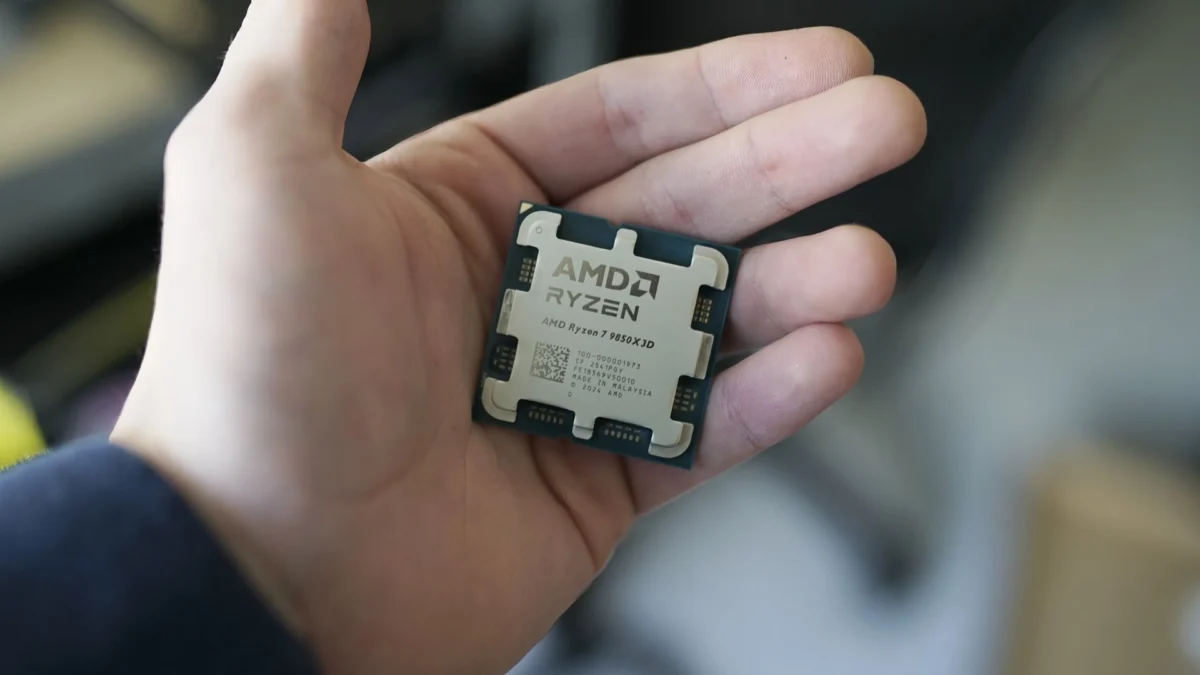
In a move that underscores the severity of the ongoing global component shortage, Apple has taken the unprecedented step of lobbying the U.S. government for clearance to procure memory chips from ChangXin Memory Technologies (CXMT), a Chinese semiconductor manufacturer. This strategic shift represents a significant departure from the Cupertino giant’s traditional supply chain practices and highlights the desperate measures being taken by tech conglomerates to stabilize costs as the "RAMpocalypse" continues to ripple through the consumer electronics market.
The Breaking Point: Price Hikes and Market Pressure
The catalyst for this move is a historic escalation in the price of consumer electronics. Apple, historically adept at absorbing fluctuations in commodity pricing to protect its margins, recently broke its own precedent by implementing sharp price increases across its MacBook and iPad lineups. The base-model MacBook Pro, for example, saw a staggering $400 increase, pushing the entry price to $1,999.
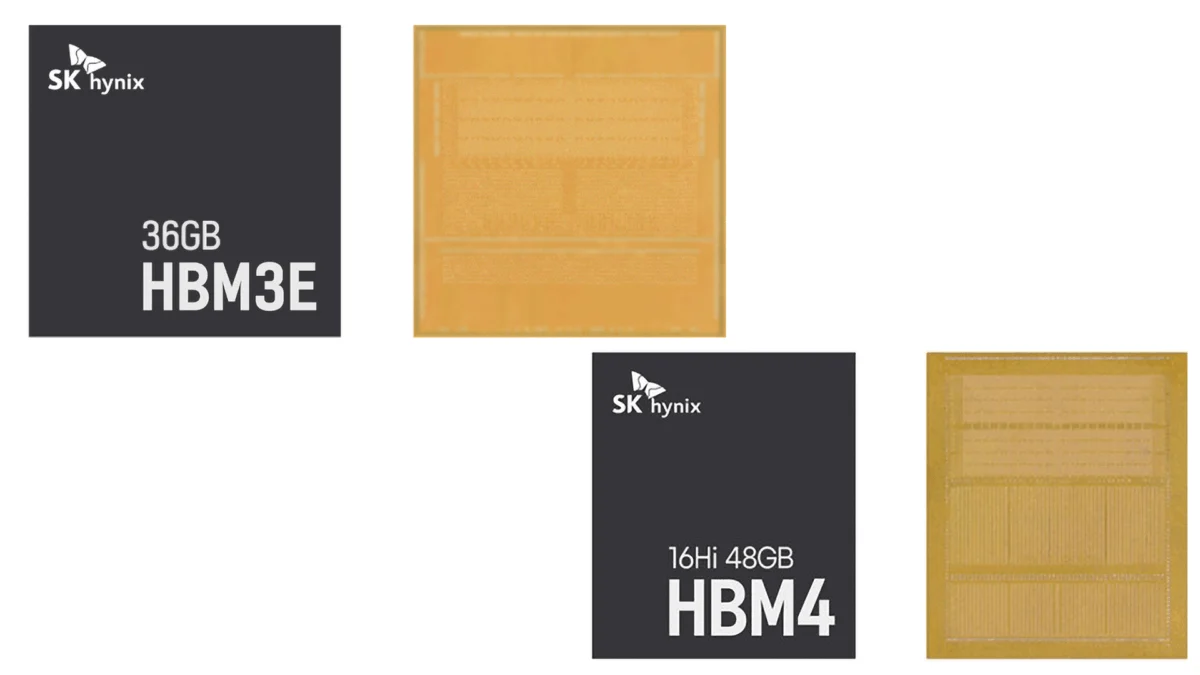
This decision reflects a broader reality: the global supply of DRAM is increasingly strained by the insatiable demand from the artificial intelligence sector. As data centers scramble to secure high-bandwidth memory (HBM) and standard DDR5 for AI training, the ripple effect has left traditional consumer electronics manufacturers struggling to secure affordable components. For Apple, which has long enjoyed comfortable margins on hardware upgrades, the reality of the current market—what some industry insiders have dubbed a "hundred-year flood"—has forced a reassessment of its procurement strategy. The financial impact has been immediate and severe; the company’s market capitalization plummeted by $265 billion on the day the price adjustments were announced, signaling investor anxiety regarding the sustainability of current pricing models.
A Chronology of the Crisis
The current tension did not manifest overnight. It is the culmination of several years of supply chain volatility and geopolitical friction:
- 2020–2022 (The Pandemic Disruption): The initial global chip shortage exposed the fragility of just-in-time supply chains, forcing companies like Apple to hoard components and tighten relationships with key vendors.
- 2023 (The AI Pivot): The explosion of generative AI models shifted the priorities of memory giants like Micron, Samsung, and SK Hynix. These three firms, which control 90% of the global DRAM market, pivoted their production capacity toward high-margin HBM for AI servers, creating a scarcity of standard consumer-grade DRAM.
- Early 2024 (The Price Spike): DRAM spot prices began to rise sharply, leading to the "RAMpocalypse." Manufacturers began struggling to keep consumer product prices stable.
- Mid-2024 (The Chinese Integration): Reports surfaced of major vendors, including Corsair, incorporating CXMT modules into consumer-grade memory kits. This marked a turning point where Chinese silicon became a viable, albeit controversial, alternative for the global market.
- Present Day: Apple is formally engaging Washington, seeking a regulatory pathway to diversify its supply chain away from the primary "Big Three" DRAM suppliers.
The CXMT Factor: Why China?
ChangXin Memory Technologies (CXMT) sits at the center of this geopolitical storm. Unlike industry titans Samsung or Micron, CXMT is not currently laser-focused on the AI data center buildout. This lack of distraction allows the company to produce standard DDR5 and LPDDR5X modules at significantly lower costs and higher availability.
Recent investigations into consumer-grade hardware, such as the Corsair Vengeance DDR5 memory kits, have revealed that CXMT components are already finding their way into high-performance consumer products. These kits, rated at 6,000 MT/s, have proven that CXMT possesses the technical sophistication to produce silicon that meets modern standards. Furthermore, the company has recently showcased production-ready modules hitting DDR5-8000 and LPDDR5X-10667 speeds, proving that they are no longer merely a "budget" alternative, but a legitimate competitor in terms of performance.
For Apple, the allure of CXMT is purely economic and logistical. By potentially sourcing from a provider that is not competing for the same AI-driven fab capacity as the industry incumbents, Apple could stabilize its costs and mitigate the need for further consumer price hikes.
Navigating the Geopolitical Minefield
The primary hurdle for Apple is the legal and reputational status of CXMT. While the company is not currently on the U.S. Department of Defense’s "Entity List"—which would impose a total ban on doing business—it is categorized under the 1260H list. This designation identifies CXMT as a Chinese military-linked company.
While this does not strictly prohibit American firms from purchasing their products, it presents a massive reputational and political liability. For a company like Apple, which emphasizes its commitment to human rights and ethical supply chains, engaging with an entity flagged by the Pentagon is a high-stakes gamble.
The Washington Standoff
The reaction from Capitol Hill has been swift and severe. John Moolenaar, chairman of the House China committee, has been vocal in his opposition to such a partnership. In statements provided to the Financial Times, Moolenaar characterized the prospect of Apple relying on a Chinese military-linked company for critical DRAM as a "grave mistake."
The argument from the political establishment is rooted in long-term strategic independence. Security hawks contend that the U.S. cannot afford to be dependent on foreign supply chains for foundational computing components, particularly as the race for AI supremacy accelerates. They argue that if the U.S. government is willing to intervene in the mining of rare earth minerals to ensure security, it must be equally protective of the domestic semiconductor ecosystem.
Implications for the Tech Industry
The outcome of this lobbying effort will have far-reaching consequences for the global tech landscape.
1. The End of the "Big Three" Hegemony: If Apple succeeds in securing a waiver or if the government turns a blind eye to supply chain integration, it would set a precedent that could effectively break the pricing power currently held by Micron, Samsung, and SK Hynix. It would signal to the market that Chinese-made memory is an acceptable substitute for Western-aligned production.
2. The AI Divide: The industry is currently bifurcated. On one side are the AI-focused firms prioritizing massive, high-speed, high-cost memory. On the other are the consumer-electronics giants who are increasingly collateral damage in this race. Apple’s push suggests that the tech industry may be forced to split its supply chains into "AI-grade" and "Consumer-grade" sectors to prevent the complete collapse of affordable PC and mobile device markets.
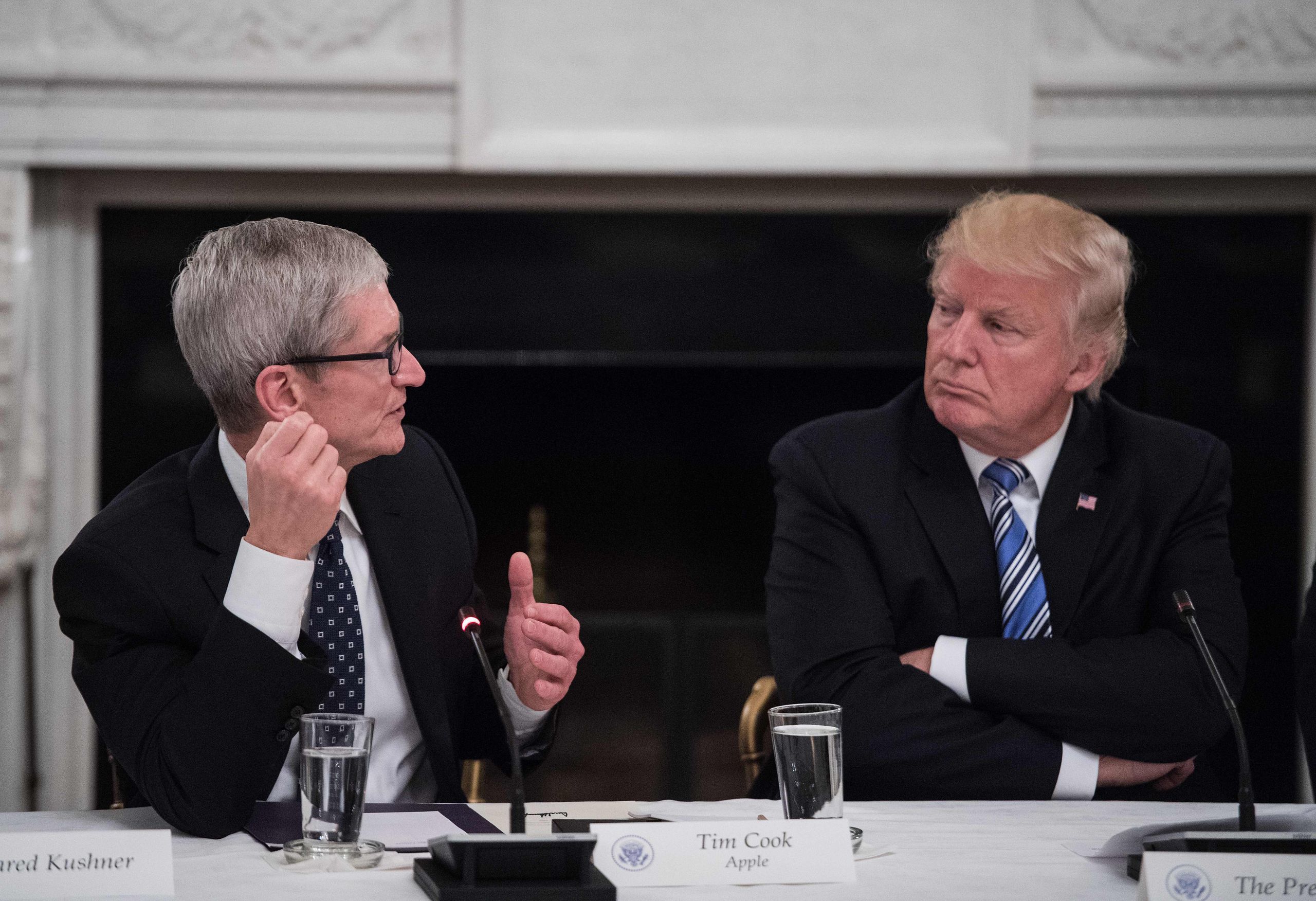
3. The Leadership Transition: This crisis arrives at a delicate moment for Apple’s executive suite. With Tim Cook preparing to hand over the reins to John Ternus in September, the company is facing one of the most complex logistical challenges in its history. Ternus, known for his prowess in hardware engineering and logistics, will inherit a supply chain that is no longer shielded by the company’s traditional market dominance. The decision to pursue Chinese-made memory will likely be one of the final, and most controversial, legacies of the Cook era.
A Final Reckoning
As it stands, Apple is attempting to balance its fiduciary responsibility to shareholders with the intense pressure from Washington to maintain technological sovereignty. Critics within the defense sector suggest that this is a test of the Biden administration’s—and potentially a future Trump administration’s—resolve.
"Trump can show the courage to keep American memory alive for our security and our competitiveness, or pour it down the drain so Tim Cook can squeeze out a few more points of margin," one former government official remarked. This sentiment captures the binary nature of the debate: is it more important to keep the price of a MacBook affordable, or to ensure that the foundational components of the next generation of American computing are shielded from geopolitical adversaries?
For now, the industry remains in a state of watchful waiting. The demand for memory is not abating, the AI race is only accelerating, and the "RAMpocalypse" continues to force companies into uncomfortable, and often historically unprecedented, corners. Whether Apple can successfully navigate this political labyrinth remains the most significant question in the hardware industry today.