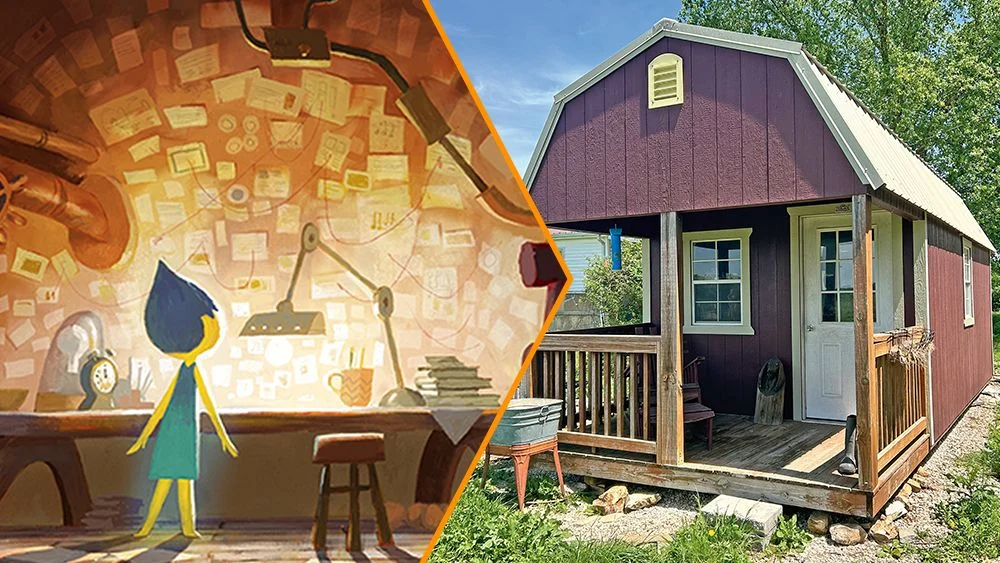
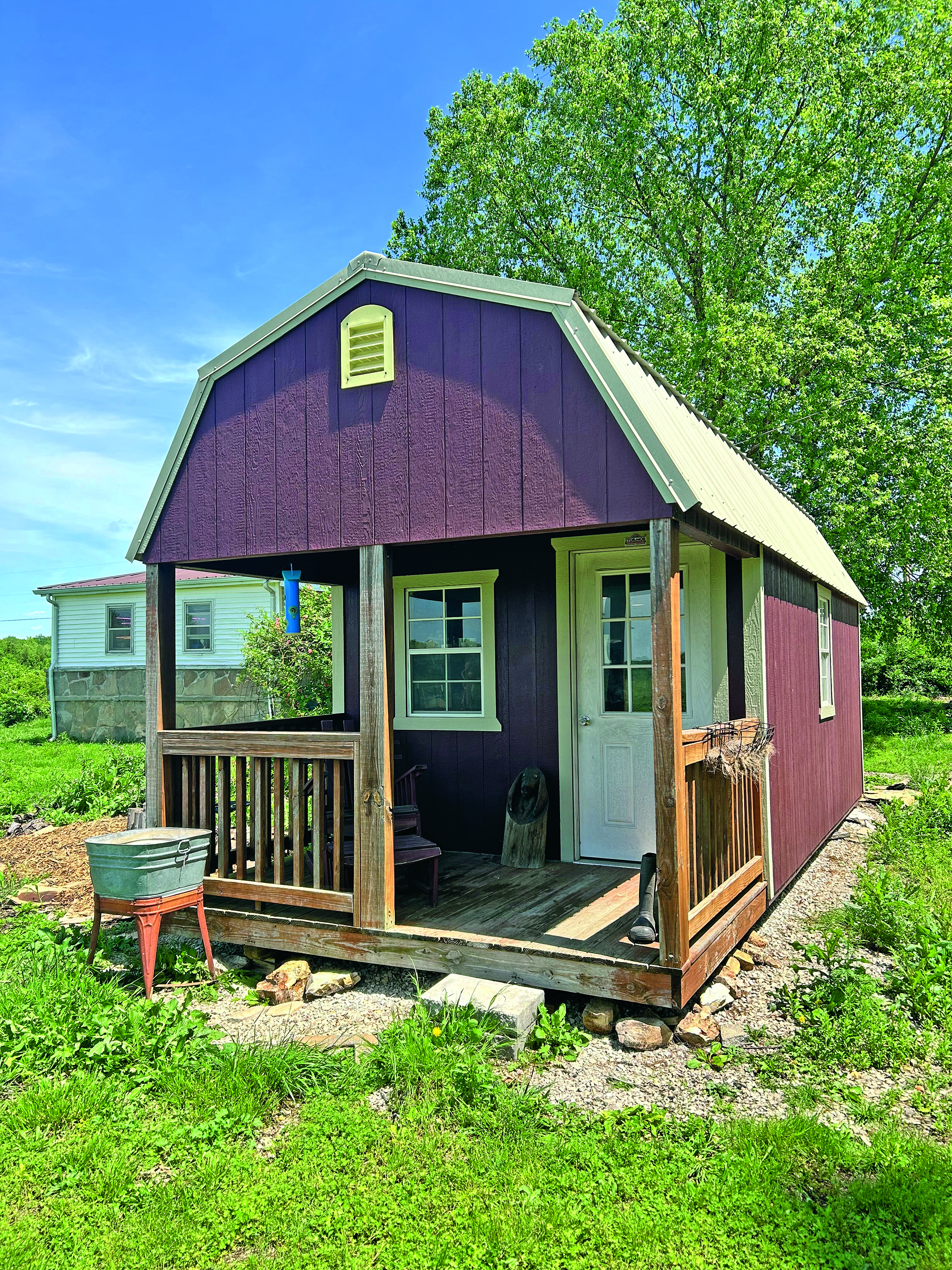
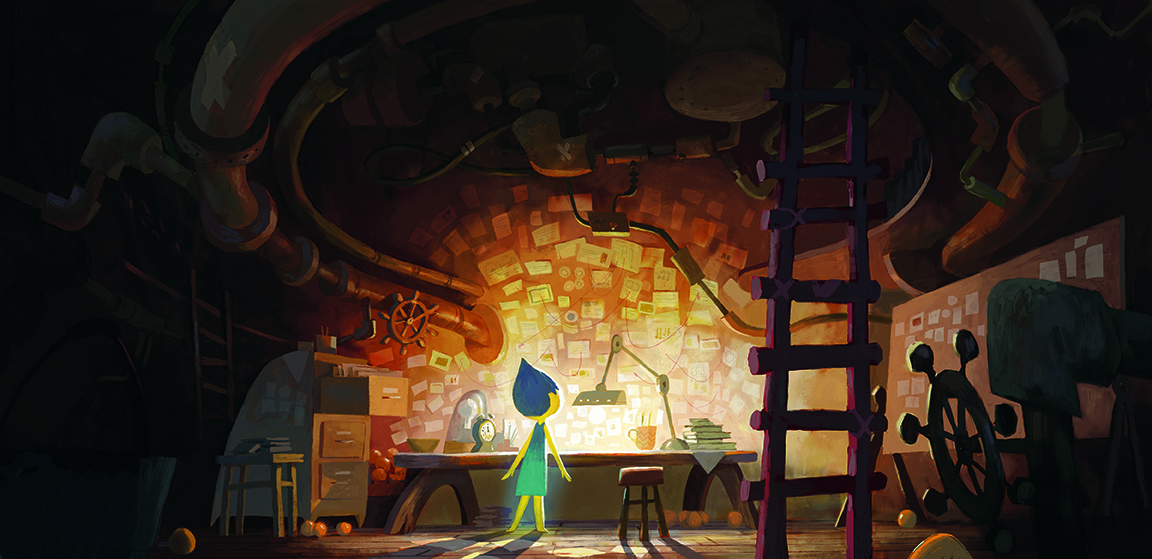
In the quiet, rolling landscape of southern Missouri, far removed from the bustling art hubs of New York or Los Angeles, illustrator and visual development artist Nik Henderson has carved out a creative kingdom. His headquarters is not a high-rise studio or a sleek urban loft, but a repurposed backyard shed. To the casual observer, it is a humble outbuilding; to Henderson, it is the crucible where his professional career—including contributions to major studio projects like Pixar’s Inside Out 2—was forged.
This article explores the transformation of an ordinary utility space into a high-functioning artistic sanctuary, examining how environmental solitude, deliberate design, and a connection to history have shaped the work of one of today’s most compelling illustrators.

The Genesis of a Sanctuary: From Storage to Studio
The journey began in early 2021, shortly after Henderson graduated from the Savannah College of Art and Design (SCAD). Faced with the need for a dedicated workspace that could accommodate both traditional and digital workflows, he looked to his own backyard.
"Originally, this shed was meant for gardening equipment and storage tubs," Henderson explains. "But with some insulation, drywall, and electricity, it has become my creative sanctuary."
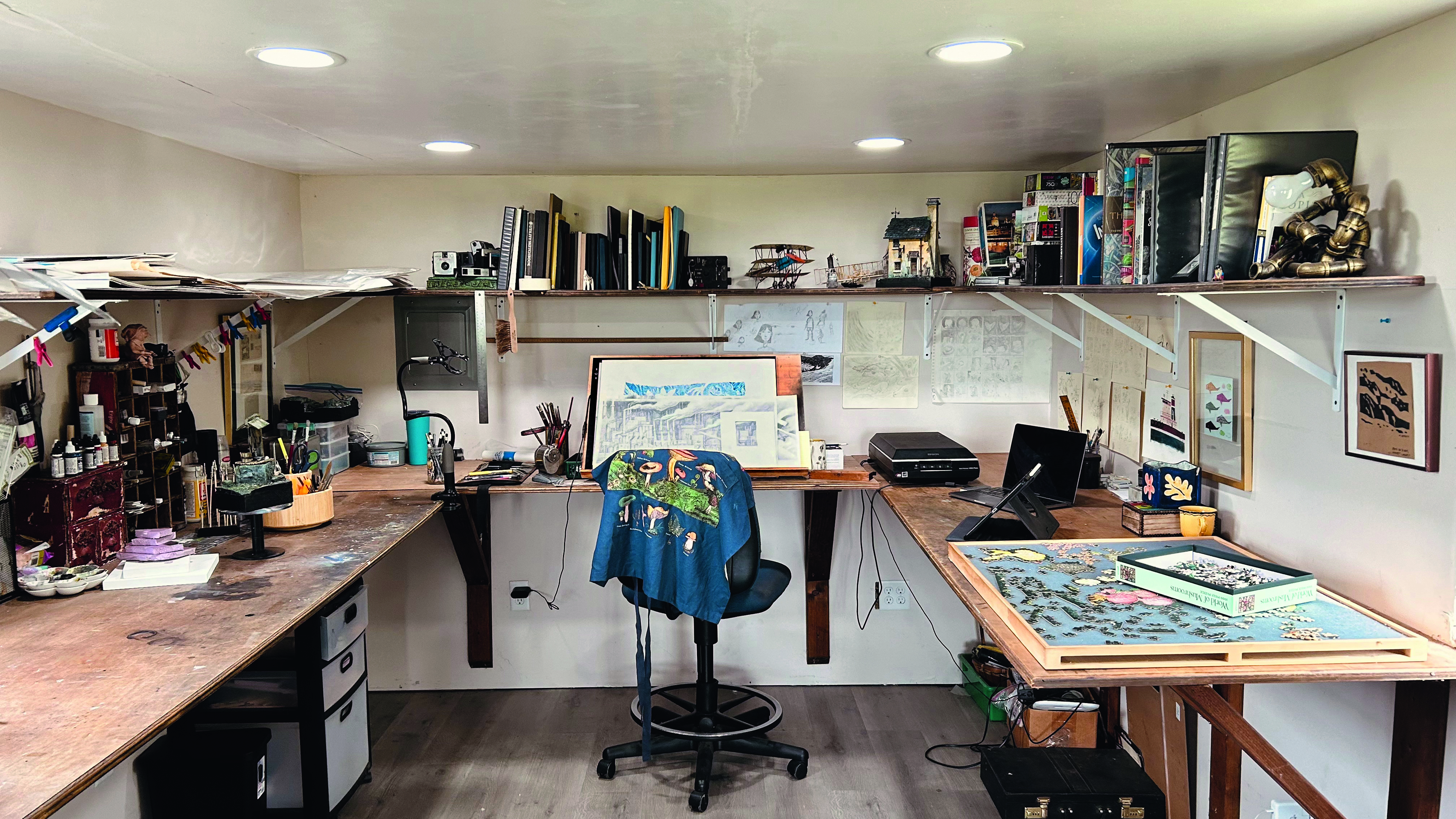
The process of building a studio from scratch provided a unique advantage: total creative autonomy. Henderson didn’t just move furniture into a room; he engineered an environment to support his specific artistic needs. The centerpiece of the renovation is a custom wrap-around desk, designed to facilitate a fluid transition between disparate projects. Above this, expansive shelving units house a growing library of sketchbooks and reference material, ensuring that inspiration is always within arm’s reach.
Beyond the physical structure, the shed offers a connection to the Missouri wilderness. With neighbors consisting mostly of curious cattle and a local, notably friendly armadillo, the studio provides the isolation necessary for deep, focused work. The porch serves as a crucial decompression zone, offering a vantage point for reading, watching sunsets, and observing the dramatic thunderstorms that sweep across the southern plains.
Chronology of a Creative Day: Embracing the Night
For Henderson, the creative process is intrinsically tied to the rhythm of the day—or more accurately, the night. While most traditional office hours follow a nine-to-five schedule, Henderson’s "day" typically begins at 11:00 am. As a self-described night owl, his most productive hours occur long after the sun has set.
- 11:00 AM: The workday begins. The studio, warmed by the Missouri sun, becomes a hub for administrative tasks, scanning, and initial planning.
- Late Afternoon: The transition to primary creative work. This is when the easel work—children’s book illustrations and traditional drafting—takes precedence.
- Dinner/Break: A period of intentional disconnection, often involving a walk or time spent on the porch.
- 8:00 PM – 1:00 AM: The "Golden Hours." With the outside world asleep, distractions are minimized. The only regular interruptions are the distant yipping of coyotes.
During these late-night sessions, Henderson curates his environment with sound. His auditory backdrop features film scores from luminaries such as Joe Hisaishi, John Williams, and Howard Shore. When the work requires less focus on rhythm, he shifts to audiobooks and paranormal podcasts, creating an atmosphere that is at once eerie and deeply comforting.
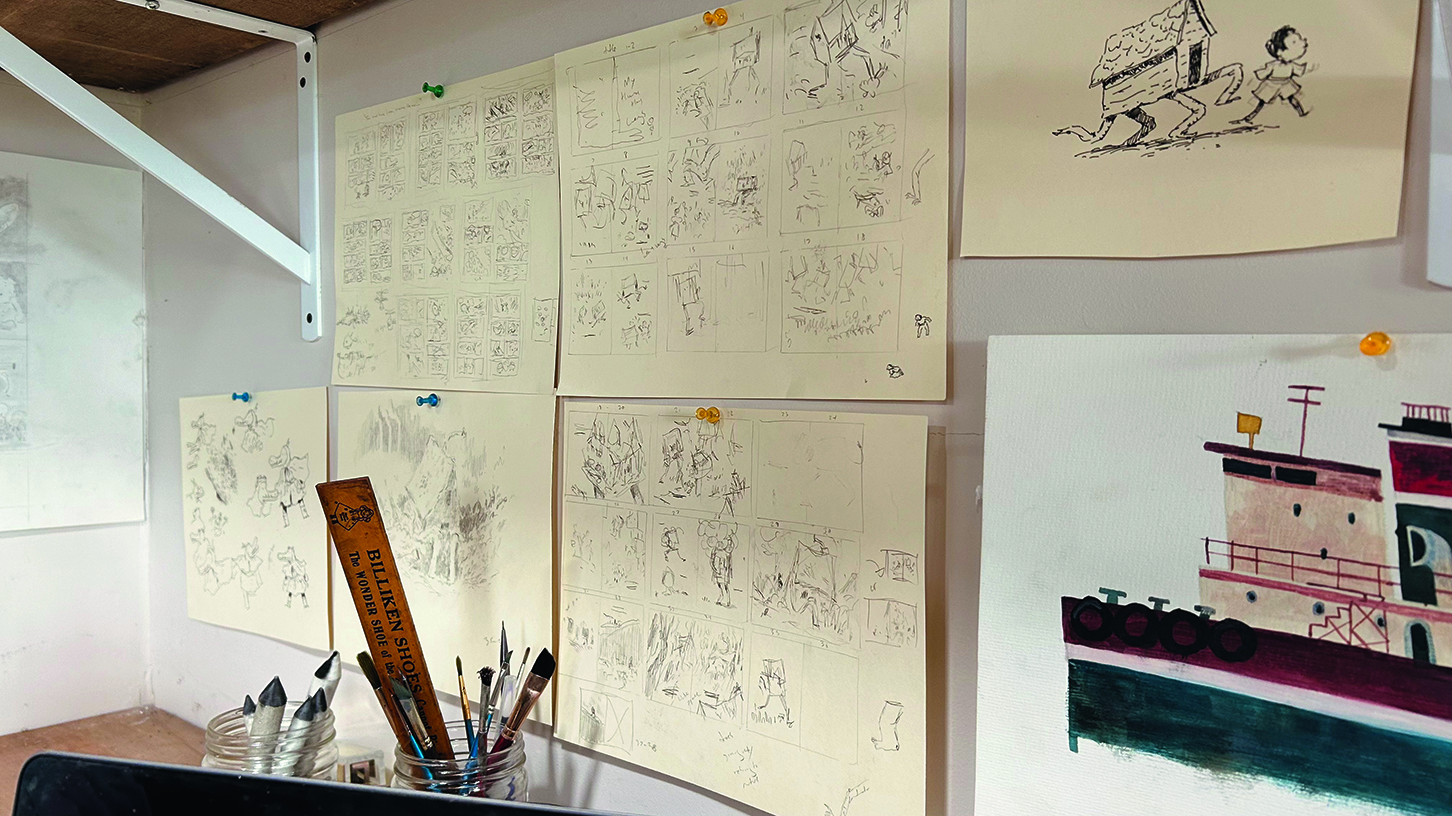
Three Workspaces in One: A Modular Approach
The studio is masterfully divided into three distinct zones, each serving a specific facet of Henderson’s multifaceted career. This modularity is essential for an artist who refuses to be pigeonholed into a single medium.
1. The Traditional Illustration Core
At the center of the studio stands the easel. This is the domain of traditional illustration, particularly Henderson’s work in children’s literature. Here, the tools of the trade—paints, graphite, charcoal, and colored pencils—are arranged in an organized chaos that speaks to constant experimentation. A standout piece of decor here is a control panel salvaged from an F4U Corsair, which now serves as a heavy-duty support for a stack of sketchbooks, bridging the gap between his love for aviation history and his art.
2. The Model-Making Lab
To the left of the central hub lies the model-making area. This space serves as an "anti-deadline" zone. While the rest of the studio is governed by the pressures of commissions and professional delivery dates, the modeling bench is a space for pure play. Henderson constructs dioramas and scratch-built models, which often serve a dual purpose: they are both a hobby and a functional resource for his illustration work, providing tangible, three-dimensional lighting and structural references.
3. The Digital Command Center
To the right of the easel is the digital setup. Despite his preference for traditional media, Henderson maintains a professional-grade digital workflow. His primary tool is an iPad Pro running Procreate, supplemented by GIMP for post-processing. This setup allows for the high-speed iteration required by modern publishing and film clients. A stalwart Epson V600 scanner serves as the bridge between his physical sketches and the digital world, while a MacBook handles the heavy lifting of project management and communication.

The Role of History: Antique Tools and Aviation Ephemera
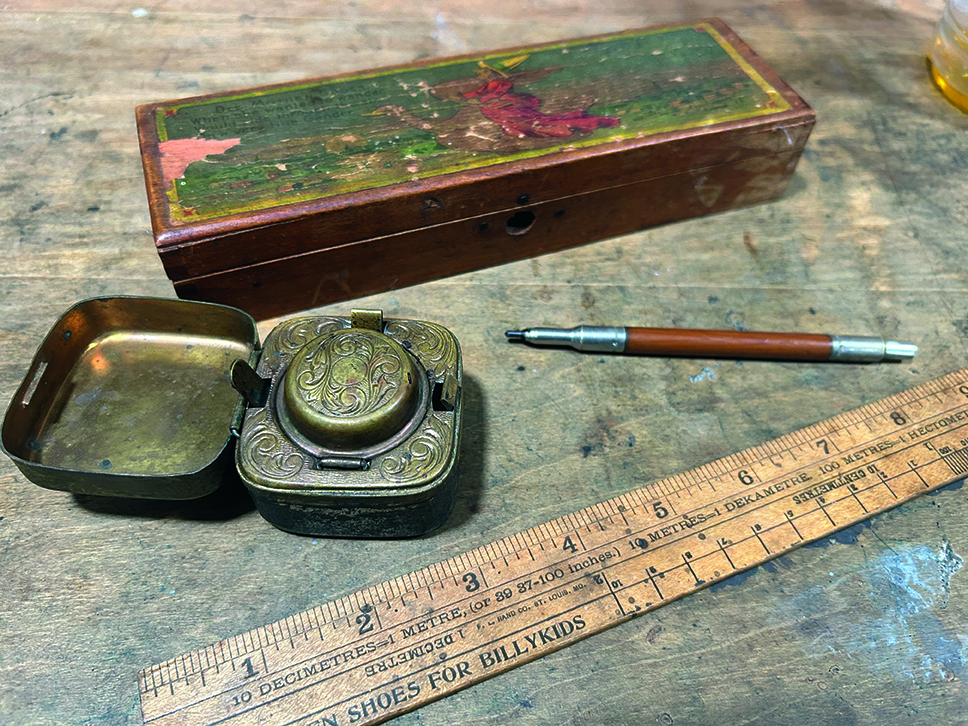
Henderson’s studio is more than just a place of production; it is a repository of history. He has a profound affinity for the tactile, reflected in his collection of antique art supplies. He regularly uses a mechanical pencil dating back to 1877 and maintains a collection of 1900s-era inkwells, rulers, and cases.
"I love collecting and using antique art supplies," he notes. "There is a weight and a history to them that modern plastic tools simply cannot replicate."
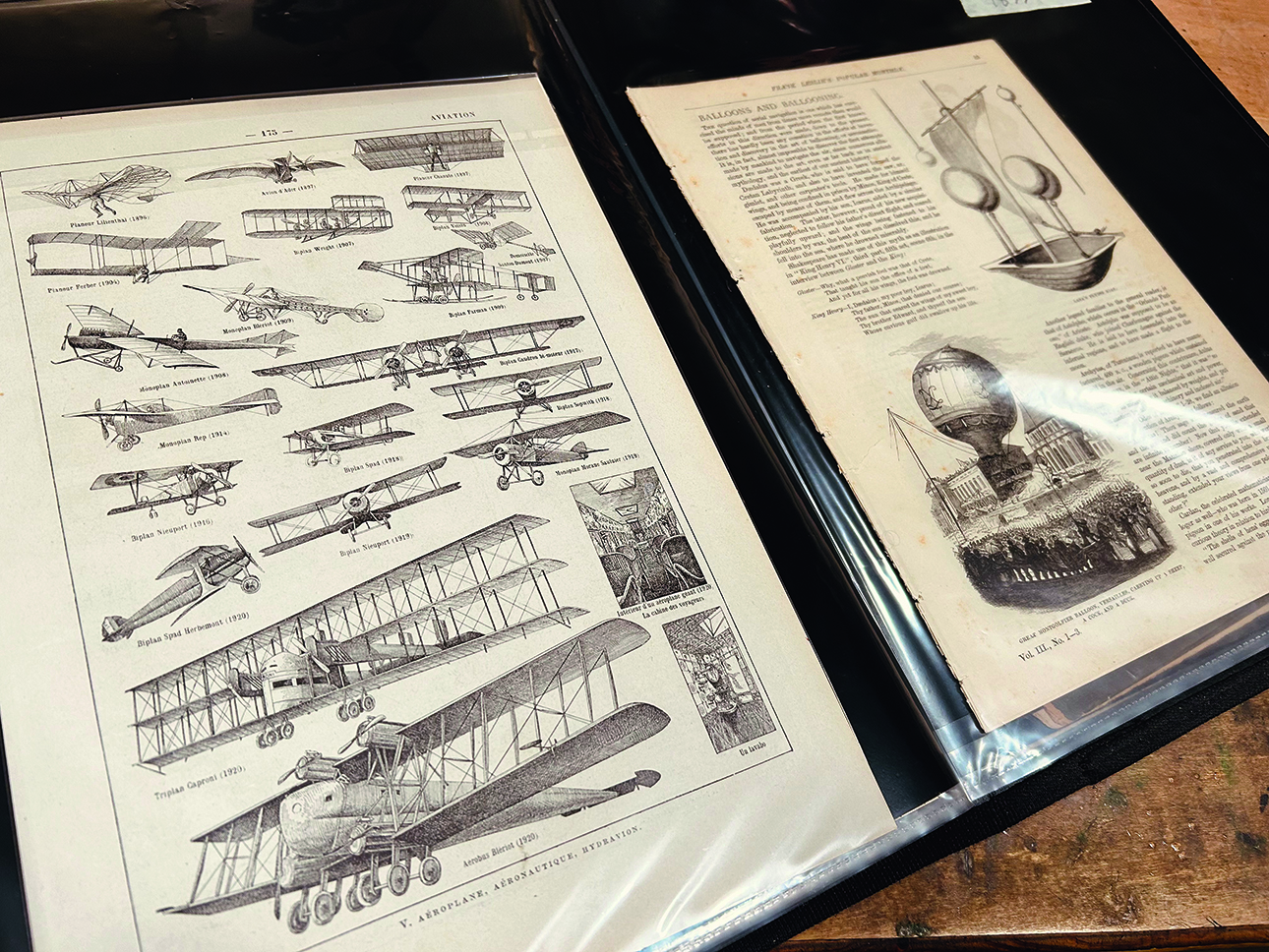
This historical interest extends to his obsession with aviation. His walls are adorned with ephemera from the early days of flight, particularly airships. Growing up surrounded by planes, Henderson’s fascination with flight manifests in his art—most notably in his recent "geeked-out" cutaway illustrations of airships for personal projects. This thematic consistency highlights a central philosophy: an artist’s workspace should reflect the internal landscape of their imagination.
Implications: The Future of the Artist’s Studio
As Henderson prepares for a future relocation, the Missouri shed stands as a testament to the "studio-as-incubator" model. His experience suggests that the quality of one’s work is not defined by the square footage of an urban office, but by the intentionality of the space.
Implications for Aspiring Artists:
- Infrastructure over Location: By investing in climate control, proper lighting, and an ergonomic layout, any space can be elevated into a professional-grade studio.
- The Power of Separation: Even in a single room, creating "zones" for different types of work (digital vs. analog vs. hobby) can help maintain mental clarity.
- The Importance of Non-Work Outlets: The model-making station serves as a vital reminder that professional artists need a creative outlet that is immune to the pressures of monetization.
Henderson’s work, which has been featured in the official "Art of" book for Pixar’s Inside Out 2 and various publications, proves that world-class results are possible from the quiet corners of the world. As he moves forward in his career, the lessons learned in the shed—the importance of deep work, the value of historical inspiration, and the necessity of personal creative play—will undoubtedly travel with him to his next sanctuary.
Whether he is in a shed in Missouri or a studio elsewhere, the fundamental elements remain the same: an easel, a pencil from 1877, a quiet night, and an imagination that refuses to be grounded.