Azzam Bilal Chamdy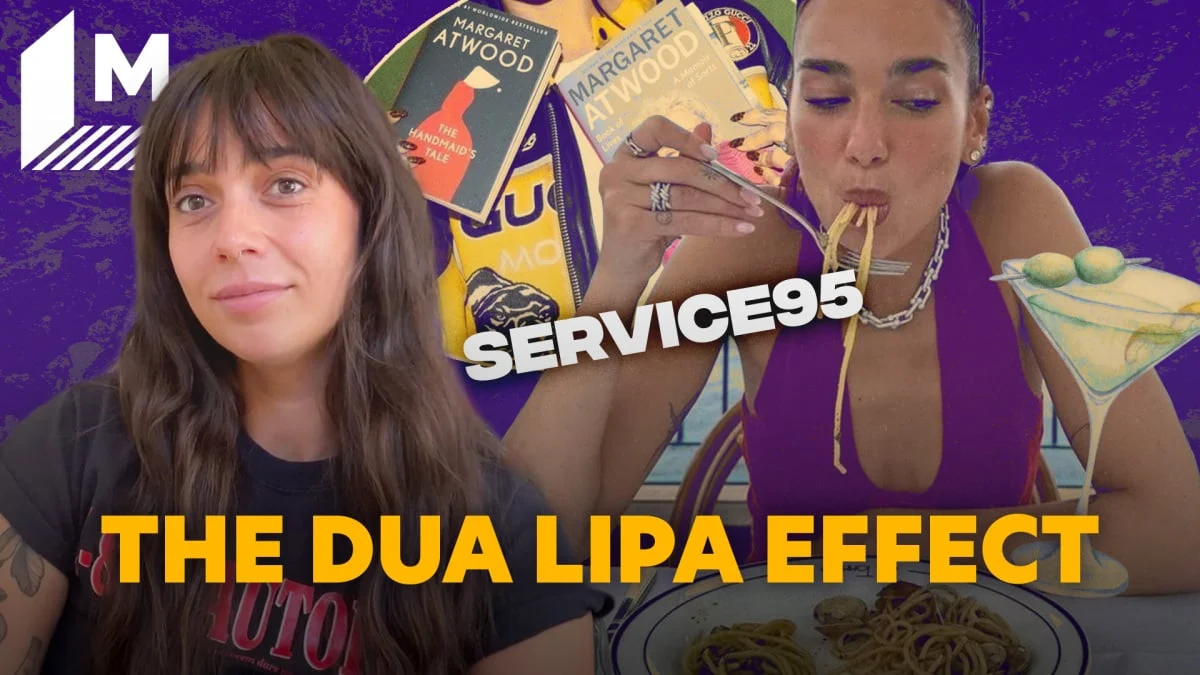
In the hyper-curated landscape of social media, where every celebrity post feels like a calculated move in a game of relevance, Dua Lipa has carved out a unique, almost ethereal position. She is not merely a pop star topping the charts; she has become the internet’s unofficial mood board for an idealized version of adulthood. In an era defined by economic anxiety and the encroaching shadow of "hustle culture," Lipa’s public persona—an endless loop of sun-drenched European summers, high-culture literature, and vibrant social connectivity—offers a seductive alternative to the grind.
The Architecture of a Modern Icon
Dua Lipa’s brand is a masterclass in the art of lifestyle curation. While her peers often lean into the polished, high-gloss aesthetic of traditional celebrity, Lipa presents a more tactile, intellectual, and experiential form of wealth. Her Instagram feed is not just a gallery of outfits; it is a catalog of curiosity. A typical scroll might reveal her leaning against a stack of classic novels, dining in an obscure Roman trattoria, or dancing at an art gallery opening.
This is what observers are increasingly calling "The Dua Effect." It is a persona built around the concept of the "student of life." By shifting the focus from the labor of her craft to the enrichment of her downtime, Lipa has successfully positioned herself as the patron saint of the "work-to-live" philosophy. Her platform, Service95, serves as the intellectual scaffolding for this lifestyle. By positioning itself as a "cultural concierge," Service95—with its newsletters, podcasts, and widely discussed book club—signals to her audience that her aesthetic isn’t just about consumption; it’s about informed, intentional living.
Chronology: From Chart-Topper to Lifestyle Architect
The evolution of Lipa’s public image can be traced through a clear trajectory of brand maturation:
- 2017–2019: The Breakthrough. Lipa enters the public consciousness as a powerhouse vocalist. Her early social presence is standard, focused on tour dates and stage performances.
- 2020–2021: The Pandemic Pivot. Like many, Lipa adapts to a restricted world. However, she pivots to an aesthetic of "domestic joy"—baking, reading, and digital connectivity—which resonates deeply with a homebound global audience.
- 2022: The Launch of Service95. Lipa moves beyond music. By launching her editorial platform, she formalizes her role as a curator of culture, books, and travel, effectively broadening her demographic reach.
- 2023–2025: The "Euro Summer" Zenith. Lipa becomes the face of the "Euro summer" movement. Her travels, documented with an eye for granular detail, become the gold standard for aspirational vacationing on TikTok and Instagram.
- 2026: The Cultural Consensus. By the middle of 2026, the "Dua Effect" is solidified. She is no longer just a singer; she is a lifestyle shorthand for young adults seeking a life that feels both productive and deeply pleasurable.
The Decline of the Grind: Data and Generational Shifts
The obsession with Lipa’s lifestyle is not occurring in a vacuum. It is a direct reaction to the changing labor market and the psychological fatigue of Gen Z and younger Millennials.
Recent labor data indicates a fundamental shift in how younger generations perceive their professional worth. A 2025 report on workplace trends found that nearly 60% of Gen Z workers prioritize work-life balance over salary increments, a sharp reversal from the "rise-and-grind" ethos of the early 2010s. The "hustle culture" that dominated the previous decade—where sleeping under one’s desk was seen as a badge of honor—is rapidly losing its cultural currency.

When Lipa posts a photo of herself reading a book on a boat in the Mediterranean, she is tapping into a profound, collective hunger for "time wealth." For a generation plagued by inflation, housing insecurity, and the constant digital surveillance of their professional lives, the fantasy of being a "student of life"—having the financial and emotional bandwidth to learn a language, visit a museum, or simply take a long lunch—is the ultimate luxury.
Official Responses and Expert Analysis
Cultural critics have been quick to dissect the tension inherent in the "Dua Effect." Madison Huizinga, in her analysis of leisure as a career, suggests that the appeal lies in the "unseen labor."
"Lipa works incredibly hard," notes culture reporter Christianna Silva. "However, the magic of her digital presence is the strategic erasure of that labor. We see the final output—the curated dinner, the book, the beach—but the exhausting travel schedules, the corporate meetings, and the grueling rehearsals are hidden behind a veil of effortlessness."
While some argue that this contributes to a false sense of reality, others suggest it provides a necessary template for "slow living." Tech companies, recognizing the power of this influence, have sought to capitalize on it. Lipa’s partnerships, such as her collaboration with Google for curated restaurant lists, represent the monetization of her taste. She is effectively selling the idea of a curated life, even if the logistics of achieving it remain inaccessible to the average fan.
The Paradox of Aspirational Living
There is an unavoidable tension at the heart of the Dua Lipa obsession. Her lifestyle is fundamentally non-replicable. Most people do not have the resources to build an international existence defined by constant travel and high-culture leisure.
Critics point out that this creates a "perfection trap." By presenting a version of adulthood that is so seamlessly integrated with art and travel, Lipa inadvertently sets a bar that is impossible for the average person to clear. Yet, in interviews and through the lens of her podcast, Lipa consistently emphasizes the importance of curiosity over cost. She speaks of her book club as a democratic space for learning, attempting to decouple her lifestyle from the sheer accumulation of capital and reframe it as a pursuit of intellectual expansion.

Implications for the Creator Economy
The rise of the "Dua Effect" signals a broader pivot in the creator economy. We are moving away from the "relatable influencer" who shares the messy, unvarnished details of their daily life, and toward the "curator celebrity" who provides a refined, aspirational map of how to live well.
This has several implications for the future of digital culture:
- The Rise of Niche Intellectualism: Platforms are shifting toward deeper, long-form content. Book clubs, newsletters, and podcasts are becoming the new standard for celebrity engagement.
- The Desirability of "Quiet Luxury": The public is moving away from logos and overt displays of wealth in favor of "taste-based" luxury—traveling to obscure locations, wearing understated fashion, and engaging in intellectual hobbies.
- The Rejection of Over-Sharing: As privacy becomes a premium, the most successful icons will likely be those who maintain a sense of mystery while still offering a "vibe" that followers can emulate.
Conclusion: A Temporary Cure for Modern Ailments
Will this obsession with the "Dua Lipa lifestyle" last? Cultural cycles are inherently fickle, and the internet is quick to move on to the next aesthetic iteration. Yet, the core desire driving this trend—the longing for a life that is not entirely consumed by productivity—is likely to persist.
Dua Lipa has provided a temporary, beautiful, and highly effective antidote to the burnout of the modern age. She represents the possibility that one can be successful without sacrificing their humanity, that one can be a global icon while still finding time to read a book in the sun. Whether or not this life is truly attainable for the masses is almost beside the point. For now, the internet is happy to treat her life as a blueprint, a flickering, high-definition dream of what adulthood could be if we dared to prioritize the art of living over the science of the grind.


 Asro
Asro
 Basiran