Ammar Sabilarrohman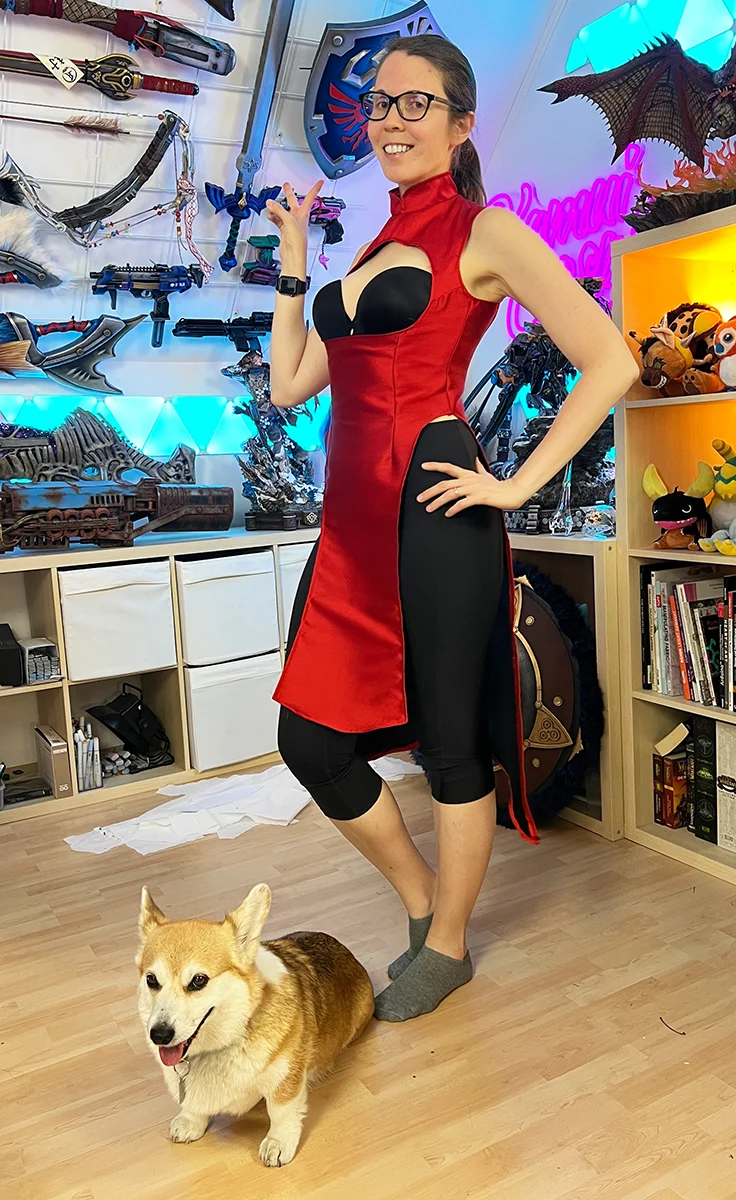
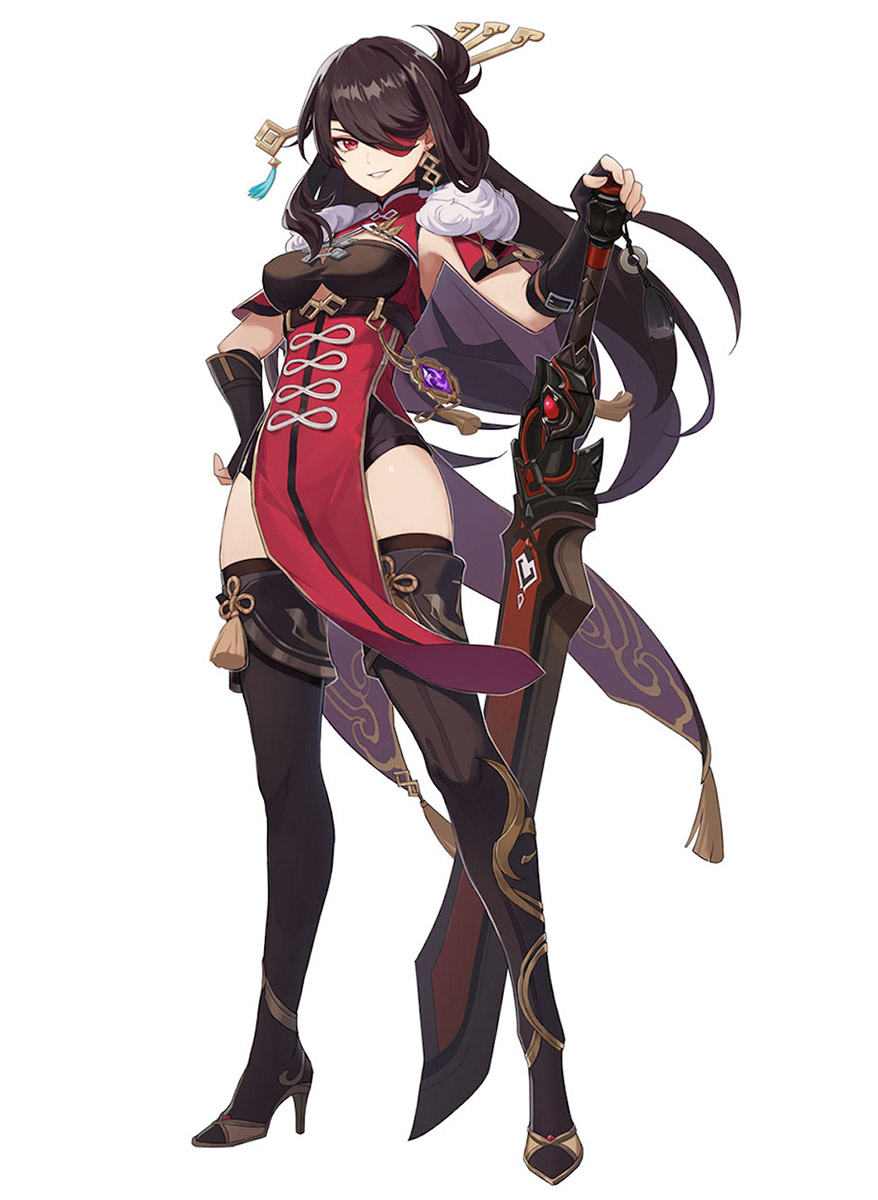
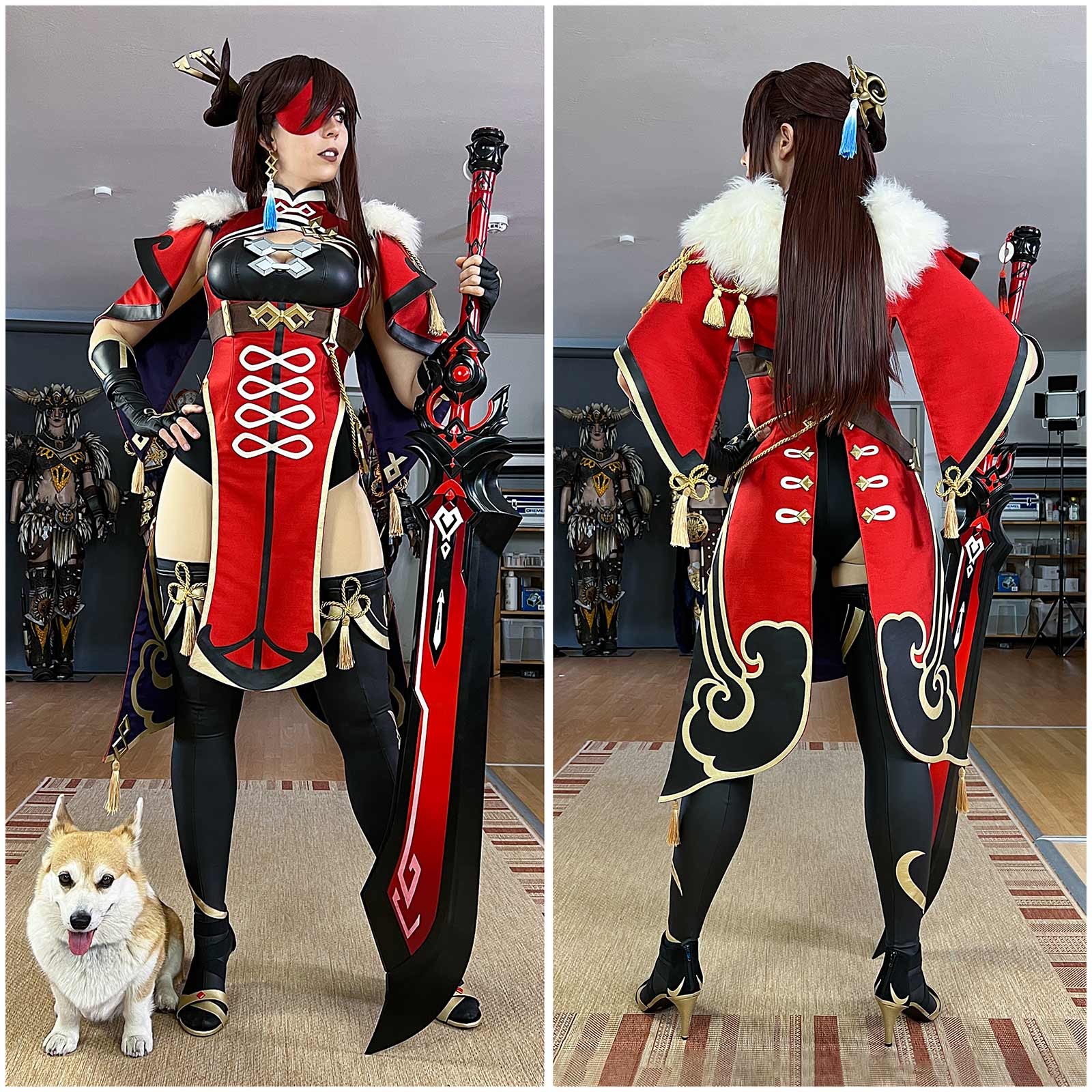
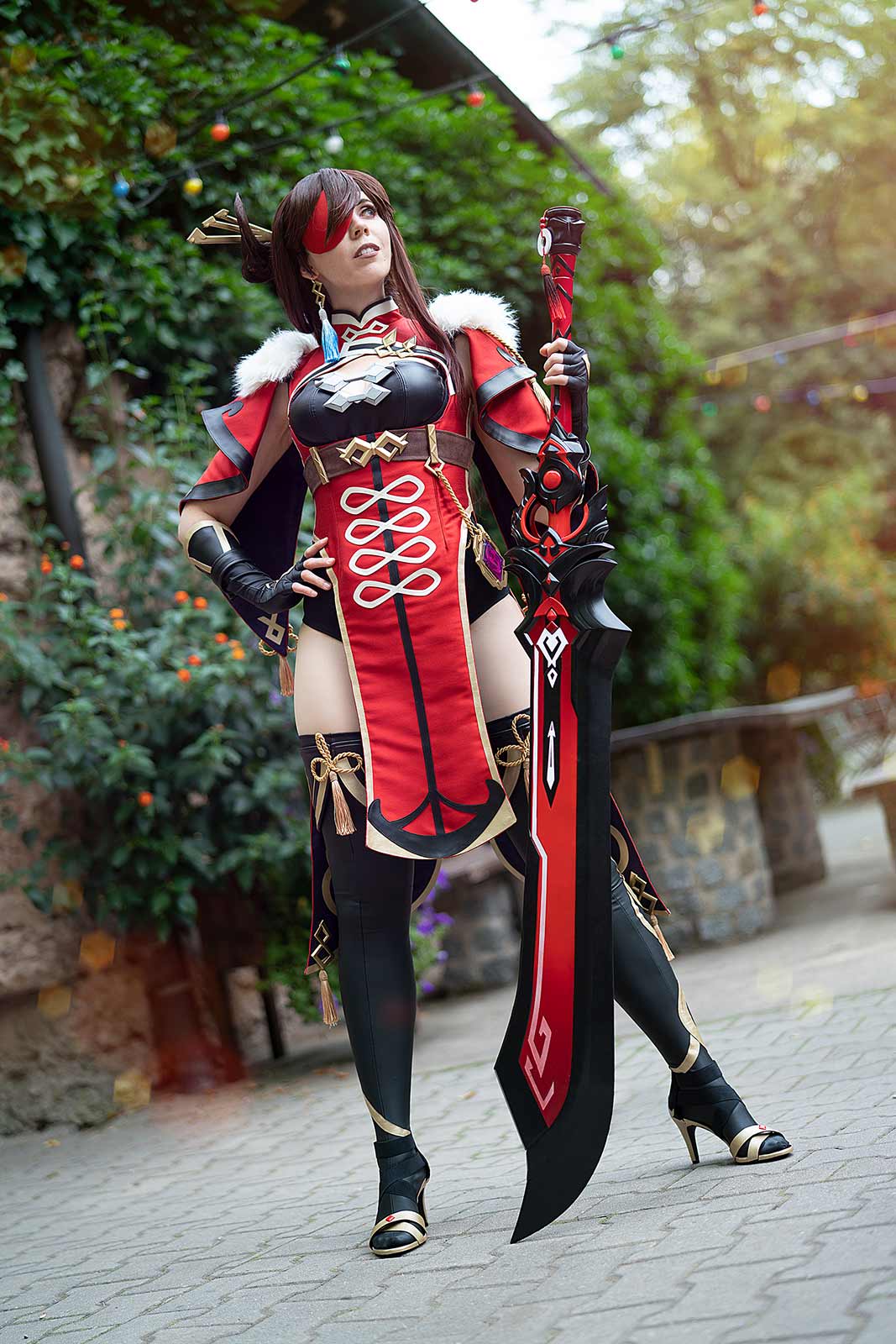
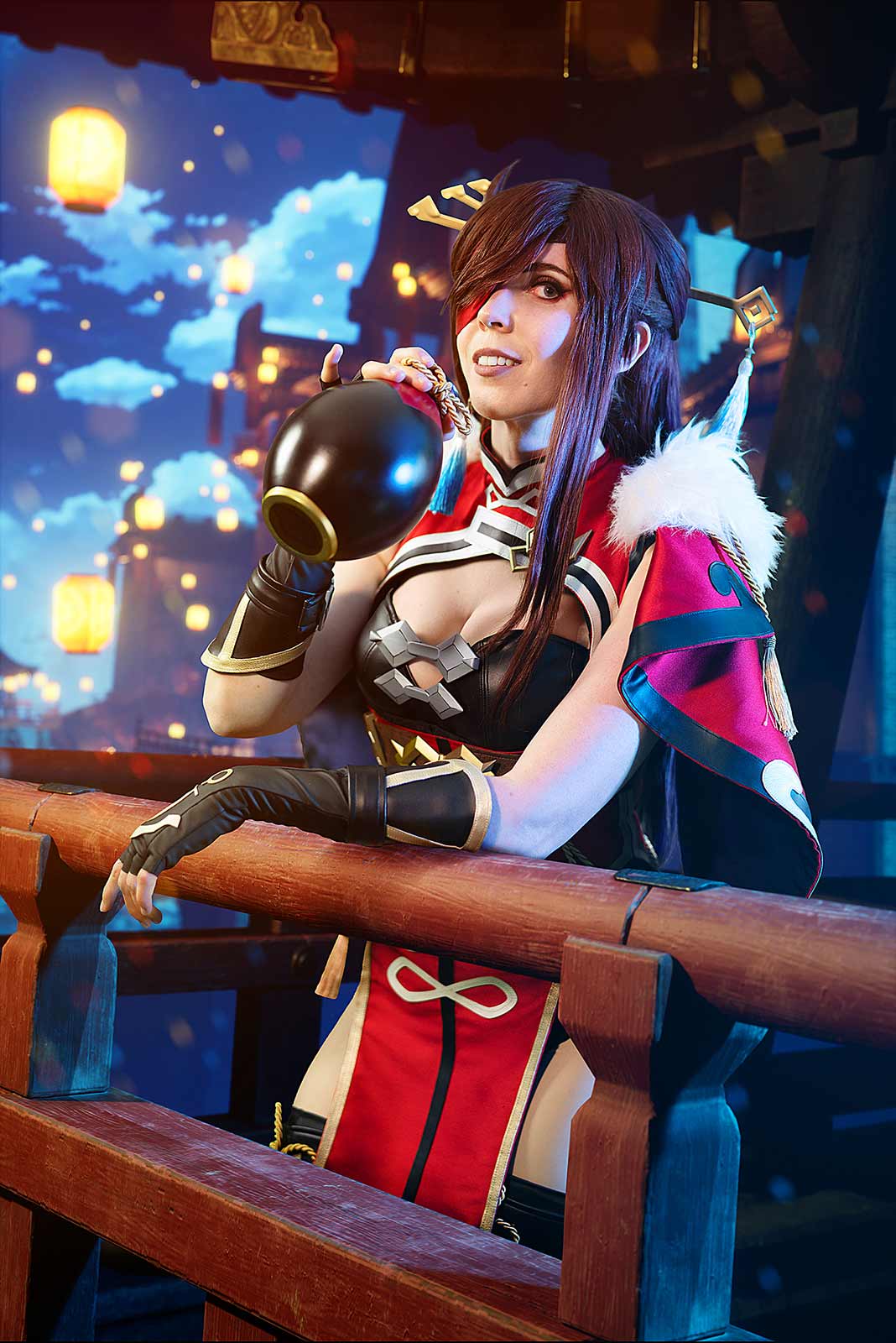
In the vibrant world of Genshin Impact, Captain Beidou of the Crux Fleet stands as a towering figure of strength, leadership, and nautical defiance. For professional cosplayer Svetlana Quindt—widely known as Kamui Cosplay—bringing this character to life was not merely a creative exercise; it was a rigorous eight-week engineering and design odyssey. Commissioned by Hoyoverse, the project required a meticulous blend of traditional tailoring, advanced additive manufacturing, and digital artistry to replicate the complex aesthetics of one of Liyue’s most iconic warriors.

Main Facts: The Anatomy of a High-End Cosplay
The Beidou project, undertaken by the Kamui Cosplay studio, serves as a masterclass in modern cosplay production. Far from the mass-produced, low-cost alternatives found in online marketplaces, this build was designed for high-stakes environments like the Gamescom convention floor.
The project relied on three pillars of construction:
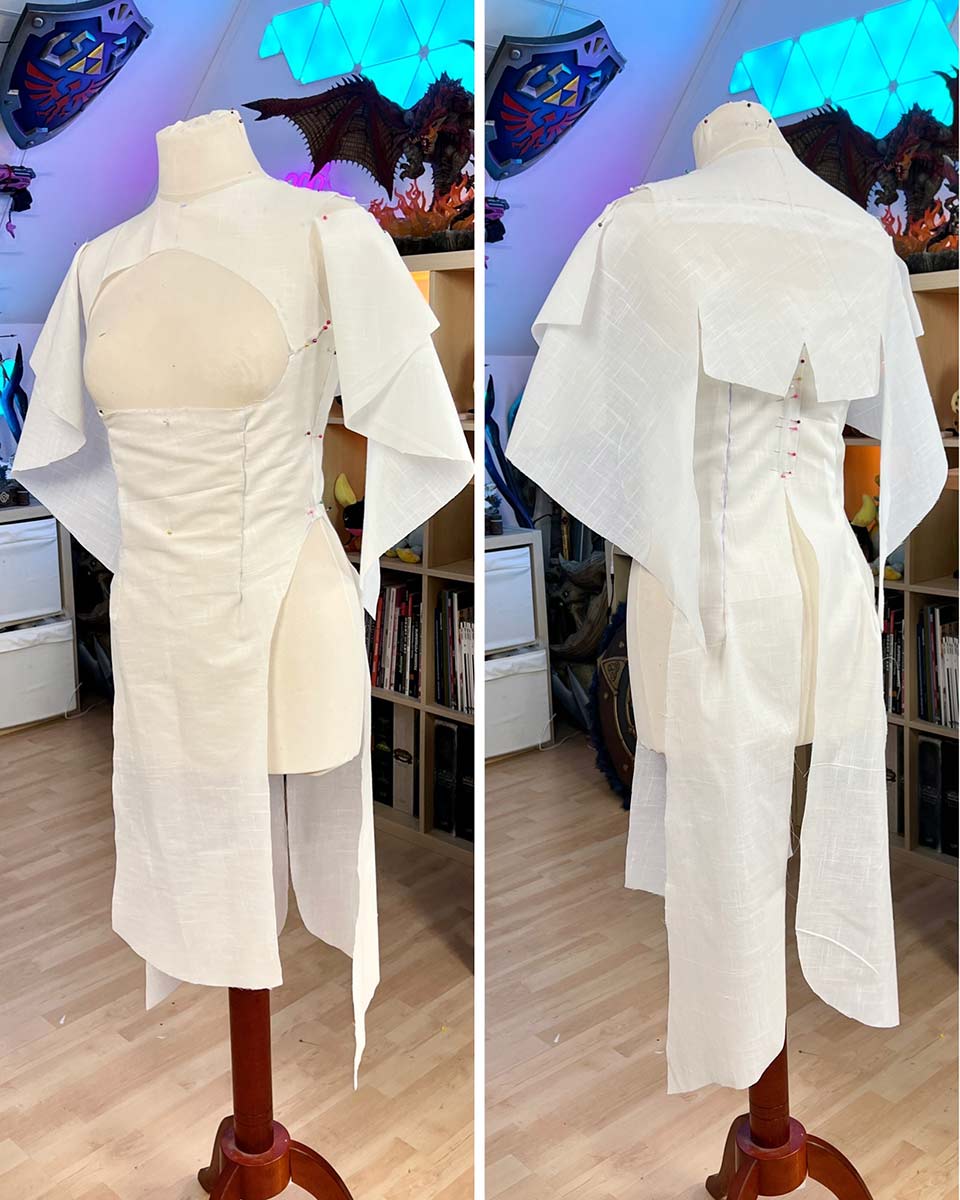
- Precision Patterning: Utilizing the "duct tape pattern" technique to ensure anatomical accuracy.
- Advanced Material Science: Integrating shimmering, heavy-weight silks with high-tensile stretch pleather and laser-cut vinyl accents.
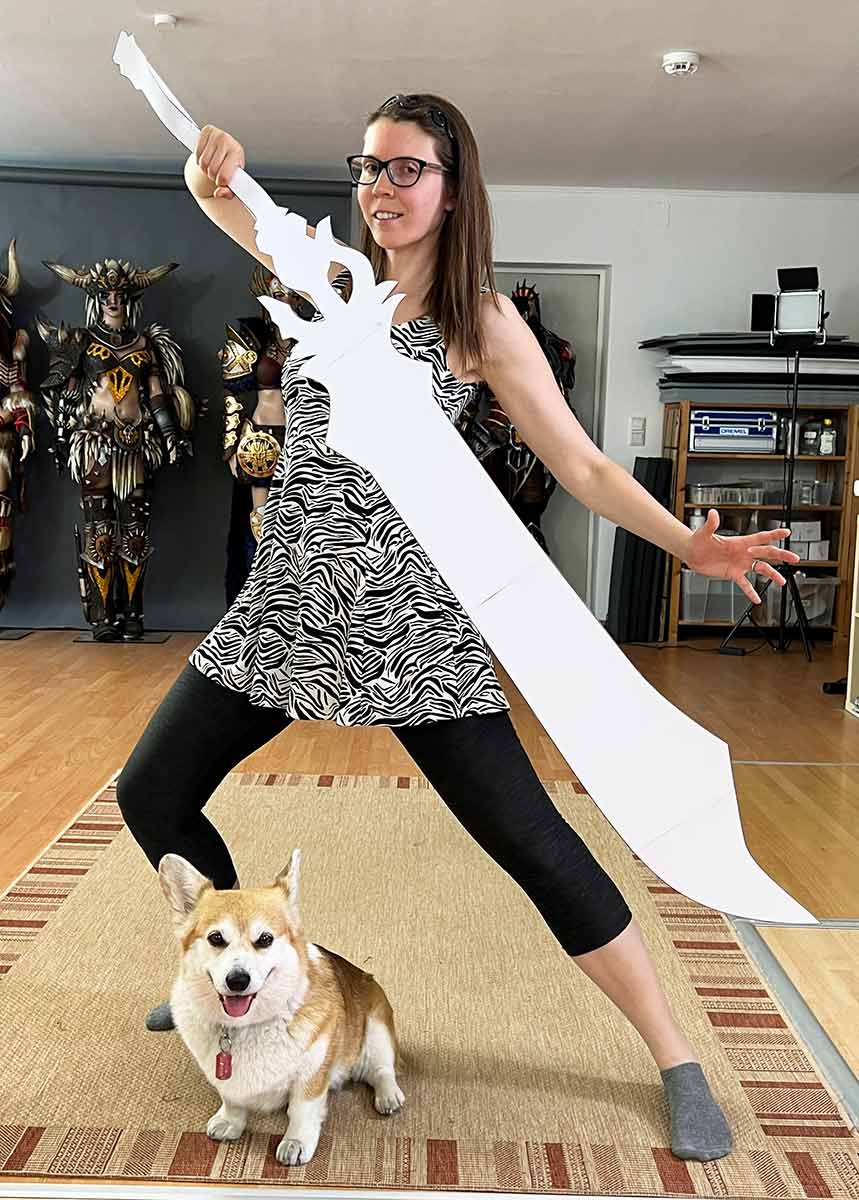
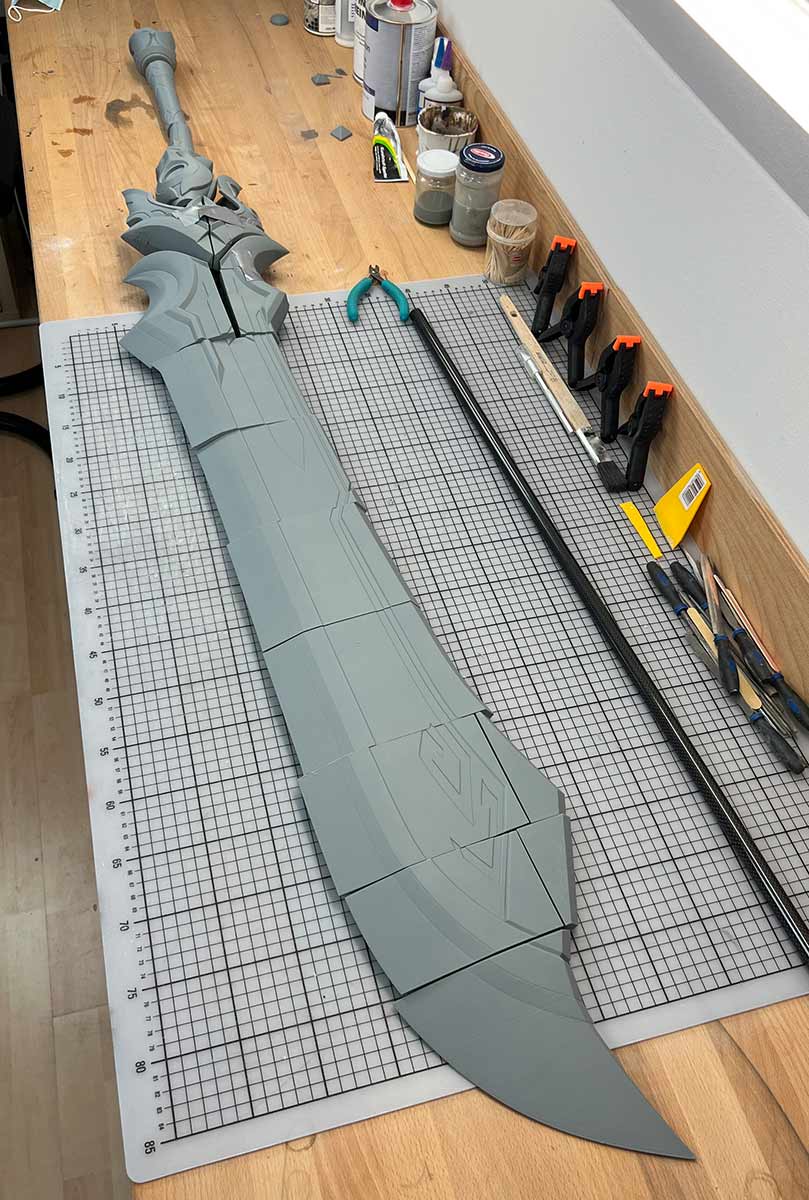
- Digital Fabrication: Incorporating 3D-printed armor and weaponry, specifically the "Blackcliff Slasher" claymore, scaled perfectly to the creator’s proportions.
The resulting costume is not just a visual replica but a functional garment designed for the rigors of long-term wear, movement, and public display.
Chronological Development: An Eight-Week Timeline
The creation process was structured into distinct phases, each requiring specialized expertise.
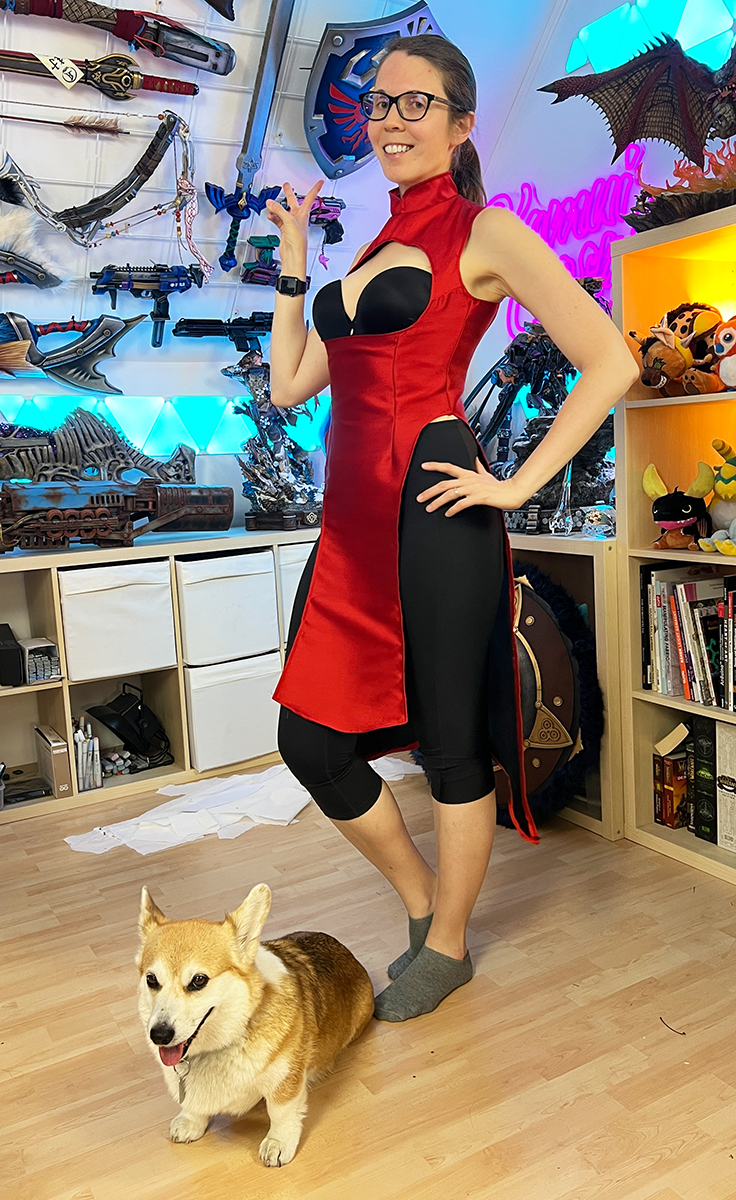
Phase 1: Research and Patterning (Weeks 1-2)
The foundation of the project was research. Using the Games Fashion Archive, the team analyzed 3D models of Beidou’s in-game assets to decode the complexities of her layered ensemble. The patterning process bypassed traditional paper templates in favor of the duct-tape method: the creator was wrapped in tape, allowing for the drawing of precise seam lines directly onto the body, ensuring a bespoke fit.
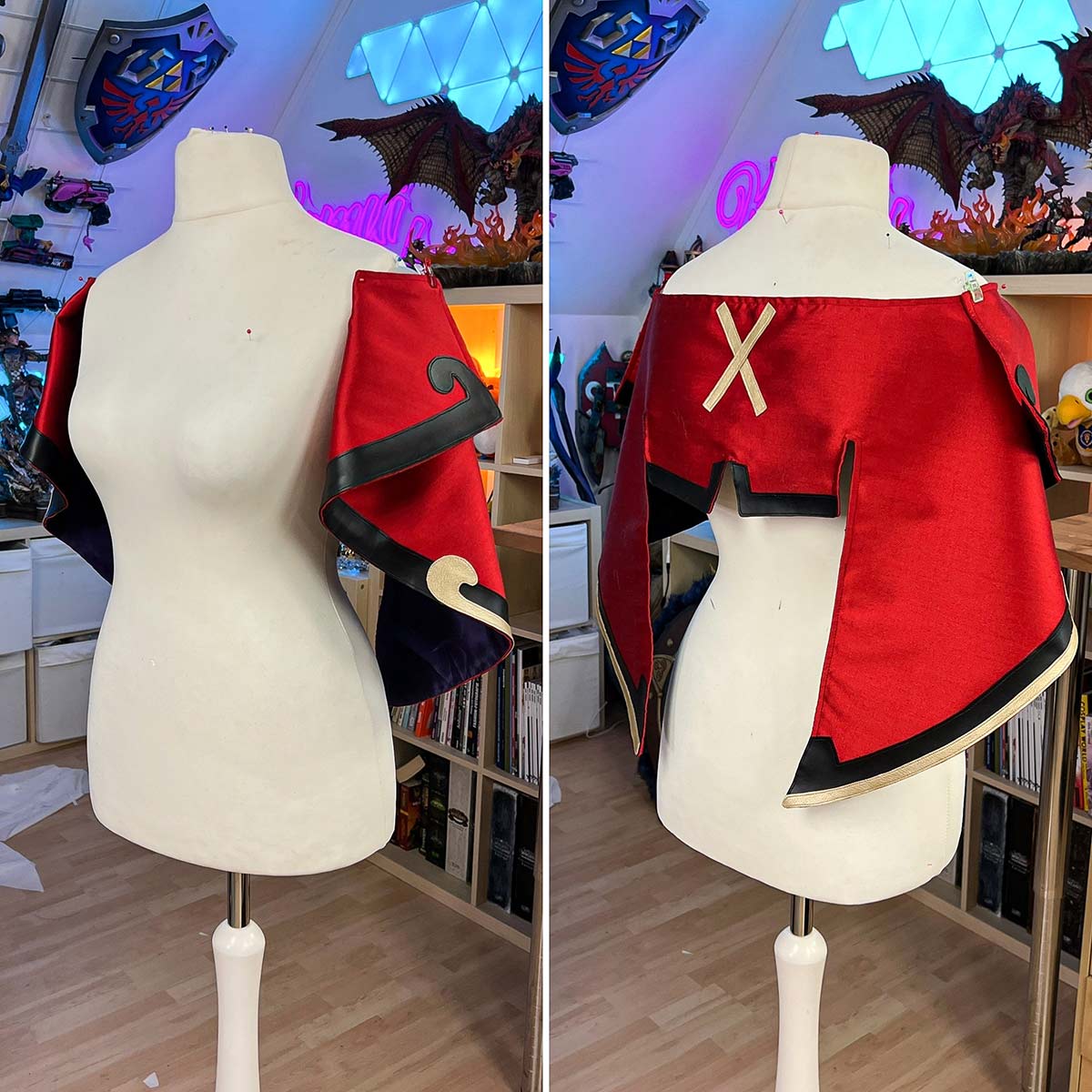
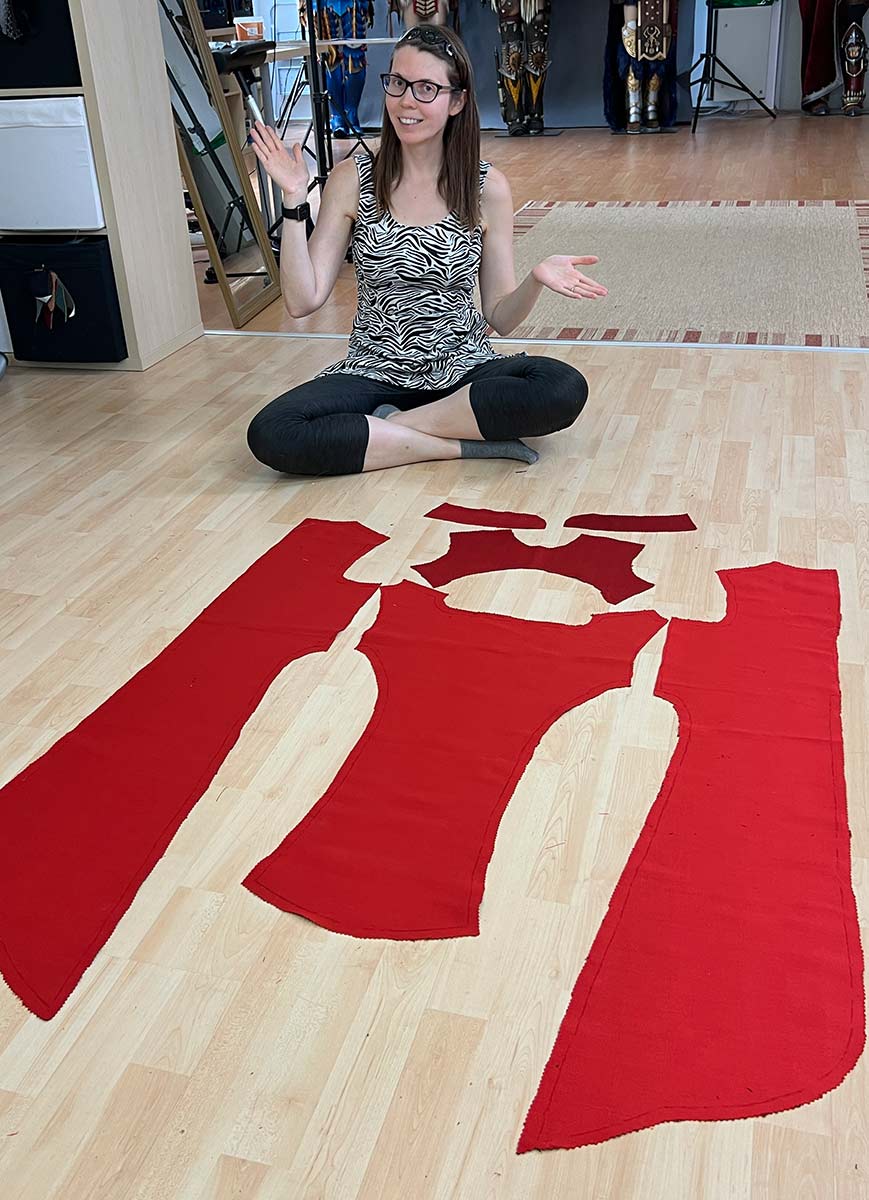
Phase 2: Textile Construction and Detailing (Weeks 3-5)
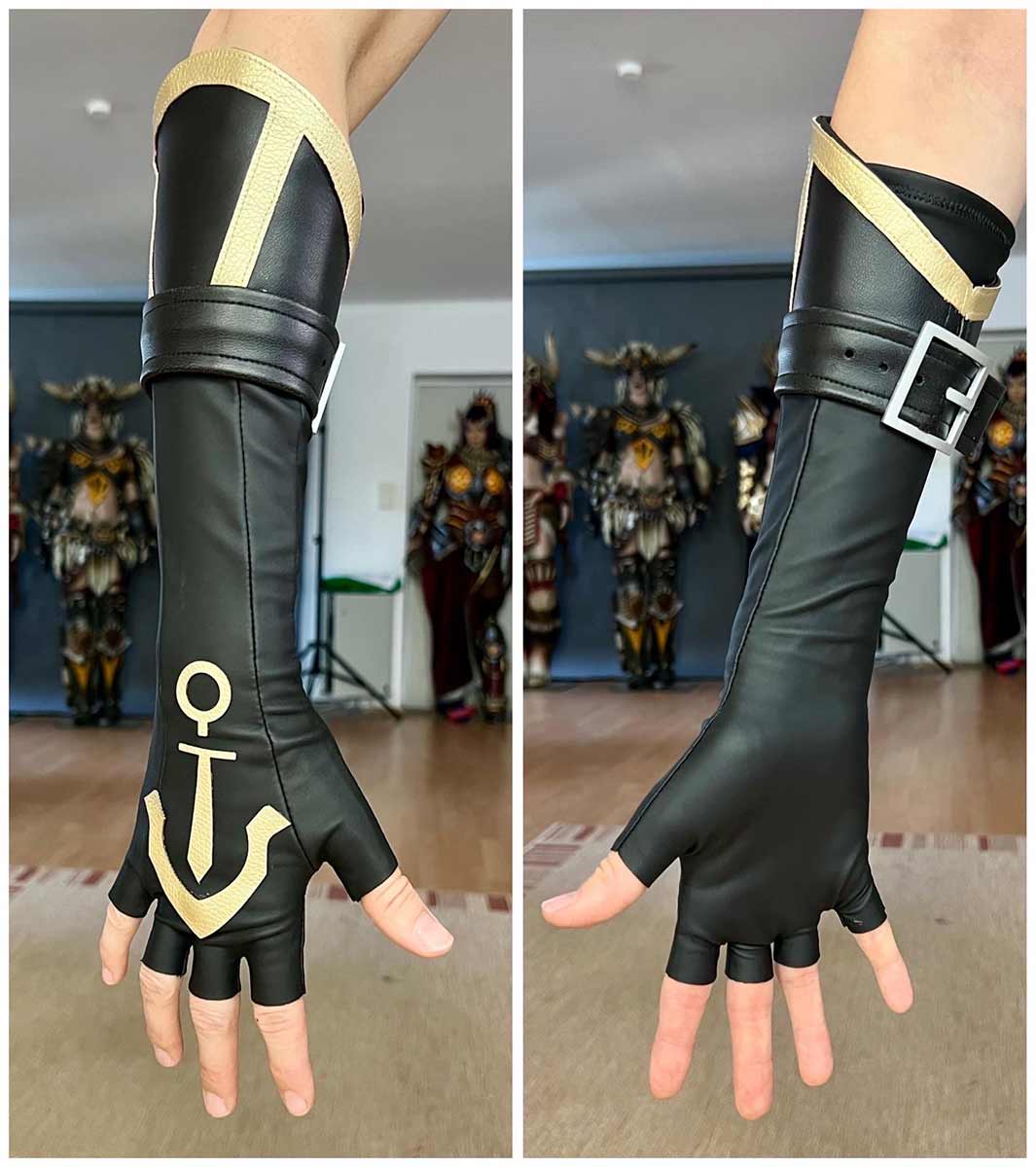
With the patterns secured, the team sourced high-quality materials from local vendors. Eschewing the convenience of online bulk orders, the team opted for a shimmering, heavy-weight silk sourced from a boutique fabric shop in Düsseldorf. The sewing process utilized professional-grade machines (Brother Innovis series), though the creator emphasizes that the technical secret lies in the patterning, not the machinery.
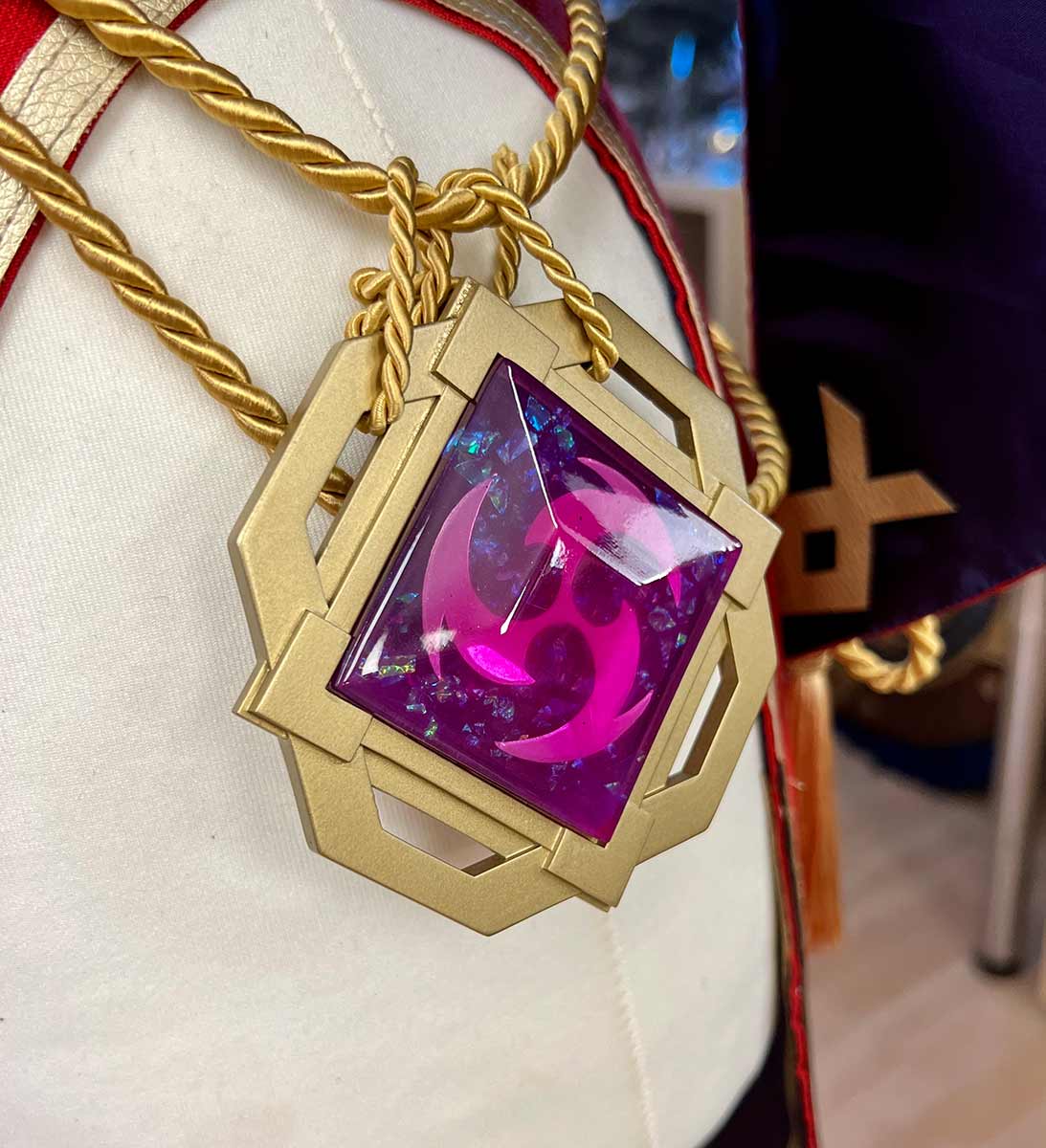
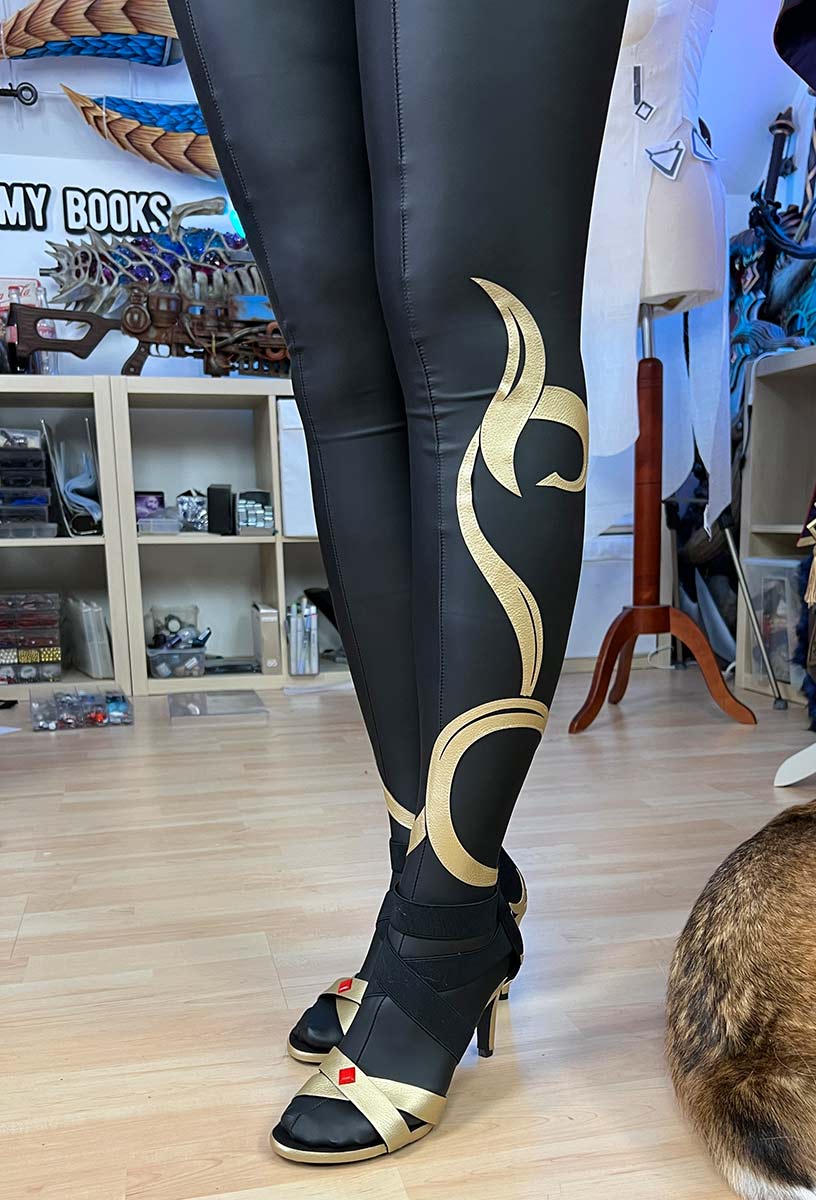
Hand-stitching was employed for invisible seams on the cape and lining, while laser-cutting technology was used to produce thousands of precise, repetitive details in vinyl, drastically increasing production efficiency.
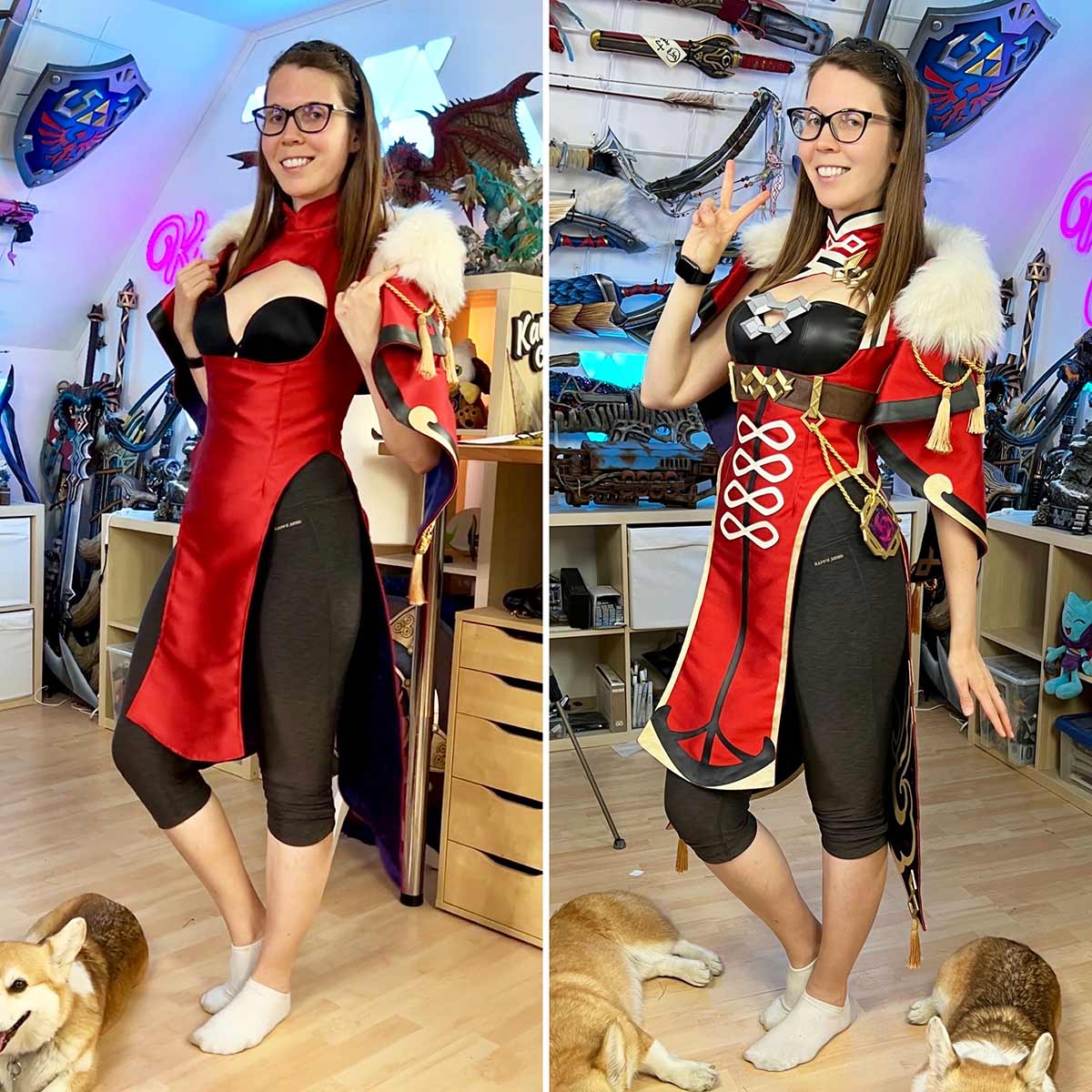
Phase 3: The Blackcliff Slasher and 3D Printing (Weeks 6-7)
While the costume was being tailored, the focus shifted to the massive claymore. Using 3D models sourced from community artists, the team utilized Zortrax m200 printers to produce the components. The printing process ran continuously for two weeks. Post-processing was an exhaustive three-week effort involving assembly, priming, sanding, and professional-grade airbrushing to achieve the weathered, metallic aesthetic of the weapon.
Phase 4: Final Assembly and Integration (Week 8)
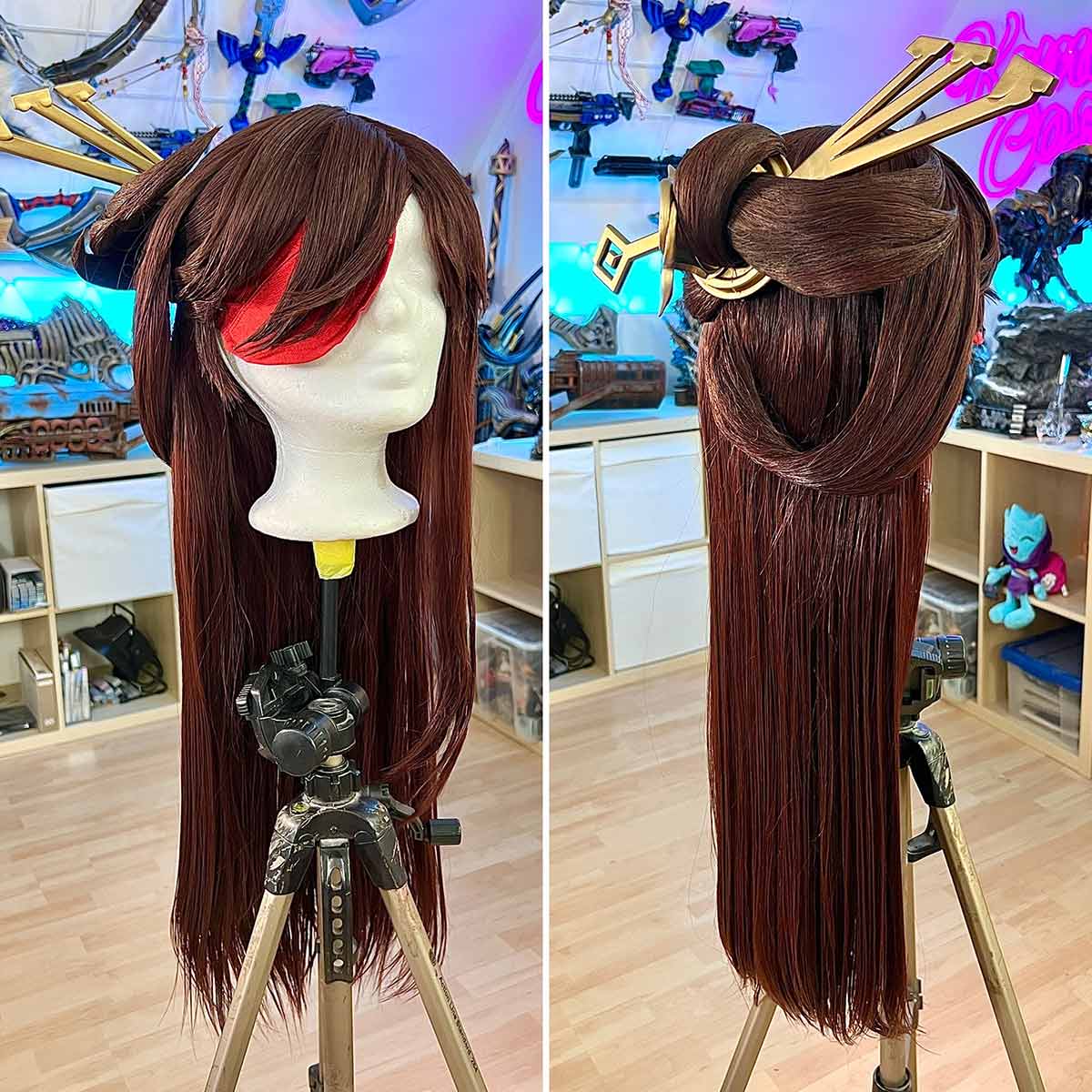
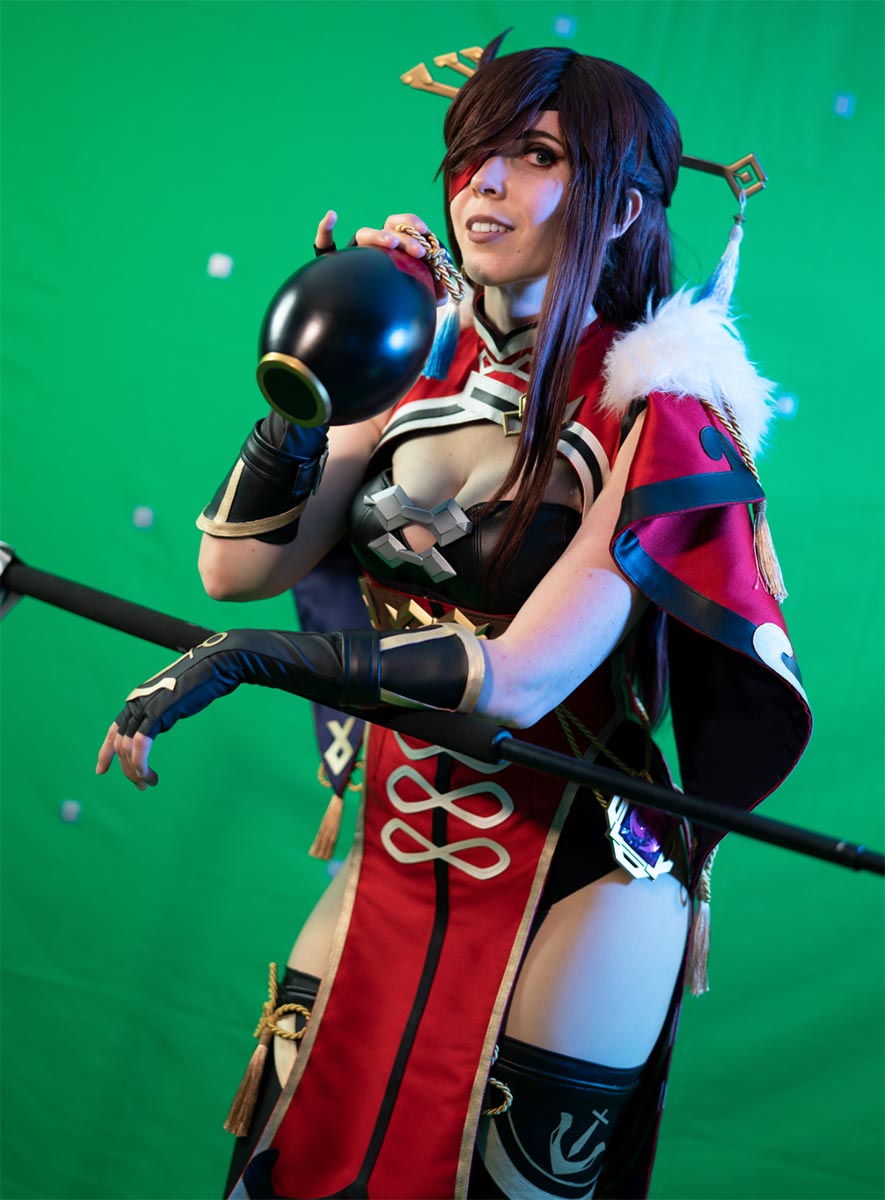
The final stage involved integrating the wig, footwear, and accessories. A notable professional collaboration occurred with wig stylist Florence of Bakka Cosplay, who crafted a wig capable of withstanding multiple days of wear. To accommodate the creator’s specific vision needs—an eyepatch would have obstructed her functioning eye—Hoyoverse authorized a mirror-image flip of the costume’s design, demonstrating the flexibility between digital character integrity and real-world necessity.
Supporting Data: Tools and Technical Specifications
The success of the Beidou project highlights the shifting technological landscape of professional cosplay. The following tools were pivotal in the assembly:
| Category | Tool/Method | Utility |
|---|---|---|
| Patterning | Duct Tape Method | Ensures perfect fit/proportions. |
| Cutting | Flux Laser Cutter | Precise vector-based vinyl cutting. |
| Joining | Gütermann HT2 Fabric Glue | Essential for foam-to-fabric and pleather bonding. |
| Fabrication | Zortrax/Elegoo FDM Printers | Lightweight, high-scale prop production. |
| Post-Processing | Airbrushing/Acrylics | Achieving professional weathering/finish. |
The reliance on these tools signifies a departure from traditional "sew-and-paint" methods toward a manufacturing-centric model.
Official Responses and Creative Adjustments
The partnership with Hoyoverse was instrumental in the project’s success, particularly regarding the aforementioned "mirroring" of the design. In the original game model, the character wears an eyepatch on her right eye. Because the cosplayer required her right eye to navigate crowded convention floors, the studio requested a formal exception. The developers’ willingness to approve this visual deviation highlights a growing trend in the industry: acknowledging that the safety and comfort of the performer are paramount to the successful portrayal of a digital IP.
Implications for the Cosplay Industry
The "Kamui Beidou" project carries significant implications for the evolution of the craft.
The "Buy vs. Build" Debate
The project serves as a rebuttal to the rising trend of cheap, mass-produced cosplay imports. While a consumer can purchase a Beidou outfit for a fraction of the cost, the Kamui approach proves that bespoke, engineered costumes offer superior durability, comfort, and, most importantly, photographic accuracy. The use of custom Unreal Engine backgrounds and professional compositing in the final photo shoot further illustrates that the "cosplay" of the future is a multidisciplinary field encompassing fashion design, robotics, 3D modeling, and visual effects.
The Role of Local Commerce
Despite the global nature of Genshin Impact, the project underscores a commitment to local economies. By sourcing fabrics from small-scale, brick-and-mortar shops and collaborating with individual artists for accessories like Visions and wigs, the project demonstrates that high-end cosplay remains a community-driven endeavor despite its reliance on cutting-edge hardware.
Education and Community Mentorship
By documenting the struggle, the technical failures, and the iterative nature of the build through YouTube and social media, the studio has shifted the role of the professional cosplayer from a mere "performer" to an "educator." The inclusion of tutorials and open-source 3D file recommendations serves to lower the barrier to entry for novice creators, ensuring that the next generation of cosplayers has access to the techniques and tools required to push the industry forward.
Conclusion
The transformation of Captain Beidou from a digital asset into a physical, wearable, and battle-ready reality stands as a testament to the intersection of art and engineering. By leveraging modern manufacturing techniques—such as laser cutting and 3D printing—alongside time-honored tailoring practices, the team behind this project has set a new benchmark for character fidelity. As the industry continues to evolve, projects like this serve as a vital reminder that the true "power" of a character isn’t just in their in-game stats, but in the passion and technical rigor required to breathe life into them in the physical world.

 Siti Muinah
 Azzam Bilal Chamdy