The French video game industry is currently gripped by a wave of labor unrest, with the spotlight firmly fixed on Quantic Dream, the Paris-based studio best known for narrative-driven titles like Detroit: Become Human. Following a recent call for a national industry strike by the French video game union STJV (Syndicat des Travailleurs et Travailleuses du Jeu Vidéo), the studio has become the epicenter of a high-stakes standoff. At the heart of the conflict is a proposed "internal reorganization" that threatens 115 jobs—a move that employees argue could prove fatal to the studio’s most ambitious project to date: the highly anticipated Star Wars Eclipse.
The Genesis of the Conflict: A Studio in Turmoil
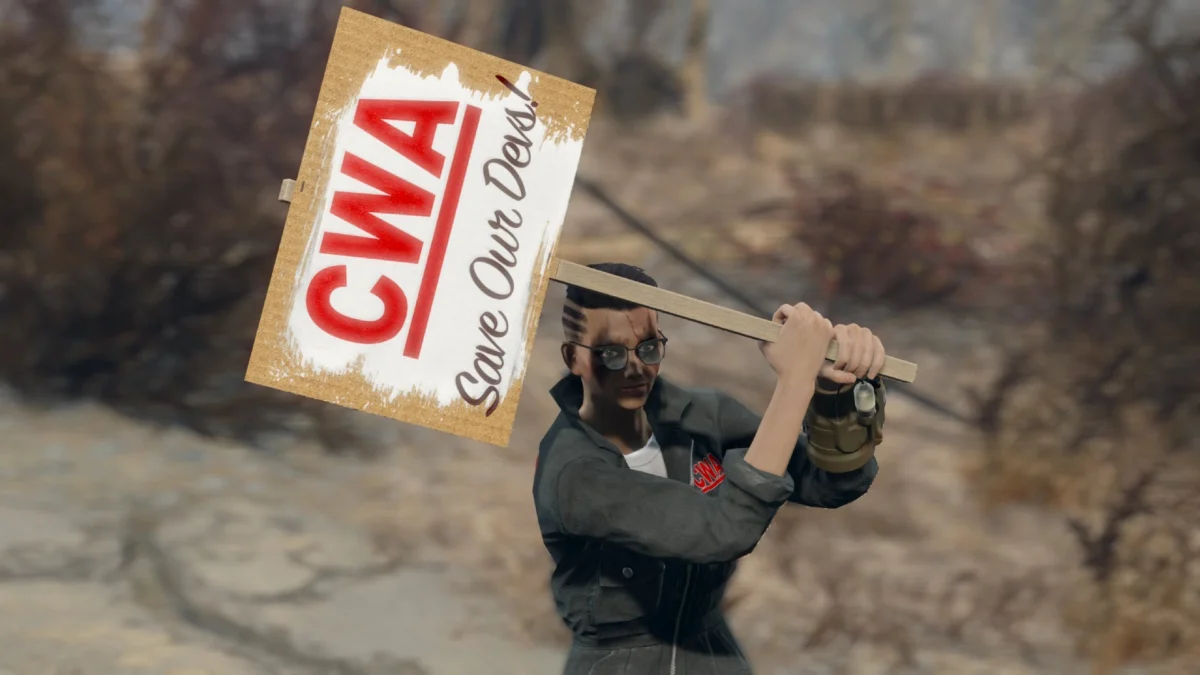
The unrest reached a boiling point earlier this week when the STJV organized a picket line directly outside Quantic Dream’s headquarters. The demonstration was not merely a reaction to potential job losses, but a preemptive strike against what staff perceive as an unsustainable management strategy.
While leadership at the studio has framed the 115 job cuts as a necessary step for restructuring, the workforce tells a different story. According to internal sources, the studio is not overstaffed; rather, it is grappling with the same systemic issues that have plagued the gaming industry for years: reliance on employee burnout, poor resource management, and a disregard for the long-term sustainability of the workforce. By attempting to trim the headcount, management is inadvertently threatening the very pipeline required to deliver Star Wars Eclipse.
Chronology: From High Hopes to Labor Strife
To understand how a project of this magnitude reached such a precarious position, one must look at the timeline of its development:
- December 2021: Star Wars Eclipse is officially unveiled at The Game Awards with a cinematic trailer that generates massive industry buzz. It is positioned as a departure for Quantic Dream, moving away from their traditional interactive drama style toward a more expansive, multi-character action-adventure set in the High Republic era.
- 2022-2023: Silence ensues. Despite leaks of early concept art revealing Rodians, Gungans, and other iconic species, the studio remains largely quiet. Reports begin to circulate about engine development hurdles and the massive scale of the game’s ambitions.
- Early 2024: The STJV gains traction, and internal dissatisfaction regarding working conditions begins to manifest in organized collective action.
- Mid-2024: Quantic Dream announces an "internal reorganization," which includes the redundancy plan for 115 staff members.
- Current Week: The STJV launches a physical picket line at the Quantic Dream studio, timed precisely with a visit from a representative of Lucasfilm Games, the entity overseeing the Star Wars license.
The Developer Perspective: "Saving" the Project
The narrative provided by the studio’s leadership clashes sharply with the testimonies of those on the front lines. In an interview with Gamekult, a developer identified as "Jules" clarified that the strike is not an act of sabotage. Instead, the employees view it as a desperate measure to salvage the game.
"We’re trying to save Star Wars Eclipse," Jules explained. The sentiment is echoed by another developer, "Théo," who argues that the project is mathematically impossible to complete under the current redundancy plan. According to Théo, the 115 employees earmarked for termination are not redundant—they are essential cogs in a machine that has already been stalled for months.
"We absolutely need the 115 people who have been inactive (or almost) for a month already," Théo stated. "That’s a whole month of lost production! During that month, employees could have been trained on the specific tools of Star Wars Eclipse."
This loss of institutional knowledge and technical momentum is, according to the staff, the true threat to the game. By forcing a month of inactivity through management’s restructuring process, the studio has effectively crippled its own development timeline.
Supporting Data: The Cost of Crunch and Turnover
The tension at Quantic Dream highlights a broader, industry-wide issue: the "Passion Tax." Management teams often operate under the assumption that developers will sacrifice their personal well-being to finish a game because of their passion for the product. However, as the STJV has pointed out, this model is fundamentally broken.
The gaming industry has seen a massive surge in layoffs in 2023 and 2024, with thousands of jobs lost across major studios. The case of Quantic Dream is a microcosm of this trend. When a studio understaffs its projects, it relies on "crunch"—mandatory, excessive overtime—to meet deadlines. When that becomes unsustainable, the studio resorts to restructuring, which often results in the loss of mid-level and senior talent who have the expertise to train newcomers on proprietary technology.
At Quantic Dream, the "specific tools" mentioned by Théo are critical. Because the studio uses a unique engine for its cinematic narrative style, hiring new talent is not a plug-and-play solution. Losing 115 staff members means losing the people who know how to navigate the studio’s proprietary software, creating a knowledge vacuum that could delay Star Wars Eclipse by years, or potentially lead to its cancellation.
Official Responses and Corporate Silence
As of this writing, Quantic Dream has remained largely guarded. While they have acknowledged the "internal reorganization," they have not provided a transparent breakdown of how these cuts will impact the development of their flagship Star Wars title.
The presence of a Lucasfilm Games representative during the strike is particularly telling. Lucasfilm, a subsidiary of Disney, is notoriously protective of its brand identity and project timelines. The timing of the strike—coinciding with an inspection—is a clear, tactical move by the union to bring the internal realities of the studio to the attention of the license holder. Whether Disney will intervene to protect the project’s integrity or distance themselves from the labor controversy remains an open question.
Historically, Quantic Dream has faced significant scrutiny. In 2018, the studio was subject to reports regarding a toxic work culture, including claims of excessive working hours and inappropriate workplace behavior. While the studio has since undergone leadership changes and attempted to reform its image, the current strike suggests that the underlying issues regarding employee agency and labor stability remain unresolved.
The Broader Implications for the Gaming Industry
The standoff at Quantic Dream is more than a local labor dispute; it is a test case for the future of the French video game industry and the power of organized labor in an era of corporate consolidation.
1. The Power of Collective Action
If the STJV succeeds in preventing these layoffs or forcing a change in management strategy, it will set a significant precedent for other studios in France. It demonstrates that developers are moving from passive acceptance of corporate directives to active participation in the business and creative trajectory of their employers.
2. The Risks of Proprietary Development
The reliance on niche, proprietary tools is a double-edged sword. While it allows for the high-fidelity cinematic look for which Quantic Dream is known, it also creates a dependency on specific personnel. When those personnel are cut, the studio risks losing its technical edge, potentially leading to a decline in quality that could haunt the studio’s output for years.
3. The Future of ‘Star Wars Eclipse’
If the 115 employees are indeed laid off, the development of Star Wars Eclipse will likely face severe, perhaps insurmountable, delays. The game, which is intended to be a flagship product for the Star Wars brand in the gaming space, carries the weight of massive expectations. If it fails to materialize, or if it is released in a state that reflects the current chaos, it could have significant financial and reputational repercussions for both Quantic Dream and Lucasfilm Games.
Conclusion: A Turning Point
The situation at Quantic Dream serves as a sobering reminder of the human cost behind our favorite digital experiences. As the industry grapples with economic headwinds and the pursuit of ever-higher margins, the developers themselves are demanding a seat at the table.
For now, the fate of Star Wars Eclipse hangs in the balance. The developers at the picket line are fighting for more than just their jobs; they are fighting for the survival of a project they believe in, and for a work environment that values people as much as it values profit. Whether the studio’s management will listen to its most valuable asset—its workers—will determine not only the future of this highly anticipated game but the future of Quantic Dream itself. The world is watching, and for the employees standing on that picket line, the message is clear: a game cannot be a masterpiece if it is built on the ruins of its own workforce.