Suro Senen
The oldest members of Generation Alpha—those born in 2010—are turning 16 this year. This milestone marks more than just a demographic shift; it signals a fundamental turning point in how global brands must approach consumer engagement. For years, the marketing industry has operated under the assumption that Gen Alpha, the most tech-integrated cohort in human history, exists primarily within the confines of a screen. However, as these teenagers begin to assert their independence, a new, surprising trend is emerging: the "digital native" is suffering from severe digital burnout.
The Myth of the "iPad Baby"
To understand the current state of Gen Alpha, one must first look at the narrative that preceded them. Often labeled "iPad babies," this generation (born 2010–2024) has been subjected to more daily technology use than any group before them. From an early age, their formative years were marked by algorithms, touchscreens, and a constant, curated stream of digital entertainment.
Marketing agencies, eager to replicate the success they found with Millennials and Gen Z, have largely treated Gen Alpha as an extension of the previous digital eras. They have flooded the zone with short-form video content, social commerce integrations, and influencer-led campaigns. Yet, the data suggests that these efforts are increasingly falling on deaf ears. While the headlines scream about Gen Alpha wanting to "be your boss" or dissecting their complex, ever-evolving slang, the reality on the ground is far more nuanced. They are not simply consumers of content—they are a generation in search of an exit strategy from the online world.
A Chronology of Connectivity
The evolution of Gen Alpha’s relationship with technology has been rapid and unprecedented:
- 2010–2015: The Formative Years: The introduction of the iPad and ubiquitous high-speed home internet meant that even the youngest Alphas were raised on interactive, on-demand content.
- 2016–2020: The Social Integration: As they reached primary school age, the rise of TikTok and YouTube Shorts normalized the "infinite scroll." For many, the online world became the primary space for socialization, particularly during the isolation of the global pandemic.
- 2021–2024: The Algorithmic Saturation: This period marked the peak of "brain rot" content—hyper-stimulating, fast-paced videos designed to capture attention at any cost.
- 2025–Present: The Analog Rebound: As the oldest cohort enters their mid-teens, a distinct pivot toward "IRL" (in real life) experiences is taking root. Driven by fatigue and a craving for tangible achievement, this group is looking for ways to disconnect.
The Expert Perspective: The Misunderstood Generation
Michelle Bryanton, President and Chief Strategist of the creative agency Super Duper, believes the marketing world is repeating the same mistakes of the past.
"As cohorts age and step into the spotlight, they are wildly misunderstood every single time," Bryanton explains. "With the evolution from Millennials to Gen Z to Gen Alpha, marketers have assumed every generation is the same as the one previous. Gen Alpha actually doesn’t want to be chronically online. They are a demographic tired of staring at their phone. They’re looking for analog hobbies and real-life experiences. They don’t want more content; they want reasons to get off their phone."

Bryanton argues that the "digital native" label is a misnomer. While they can use technology, they didn’t choose it as their primary environment; they were born into it because their parents and society provided few alternatives. "Online is the only place this generation can just hang out," she says. "Traditional third spaces—malls, libraries, or accessible youth clubs—have either disappeared or become prohibitively expensive. When you remove those physical spaces, you force them into a digital echo chamber."
Supporting Data: Where the Screens Go
Despite their desire to unplug, the statistics remain stark. According to recent market analysis, nearly half of Gen Alpha consumes YouTube content daily. TikTok and Snapchat follow closely behind, with significant usage rates even among the younger end of the spectrum.
Perhaps most telling are the "hacks" used to bypass age-verification software. From using makeup tutorials to appear older in facial recognition scans to employing complex VPNs, Gen Alpha’s ingenuity is being funneled into digital access. However, marketers should not mistake this persistence for enjoyment. It is an expression of necessity. When a teenager has nowhere to go in the physical world, they will move mountains to access the only space where they can interact with their peers.
Implications for Brand Strategy
The shift toward an "analog-first" marketing strategy for Gen Alpha is not just a suggestion; it is a necessity for brand survival. To reach this cohort, companies must re-evaluate their entire communication funnel.
1. The Death of the "Photo-Op" Event
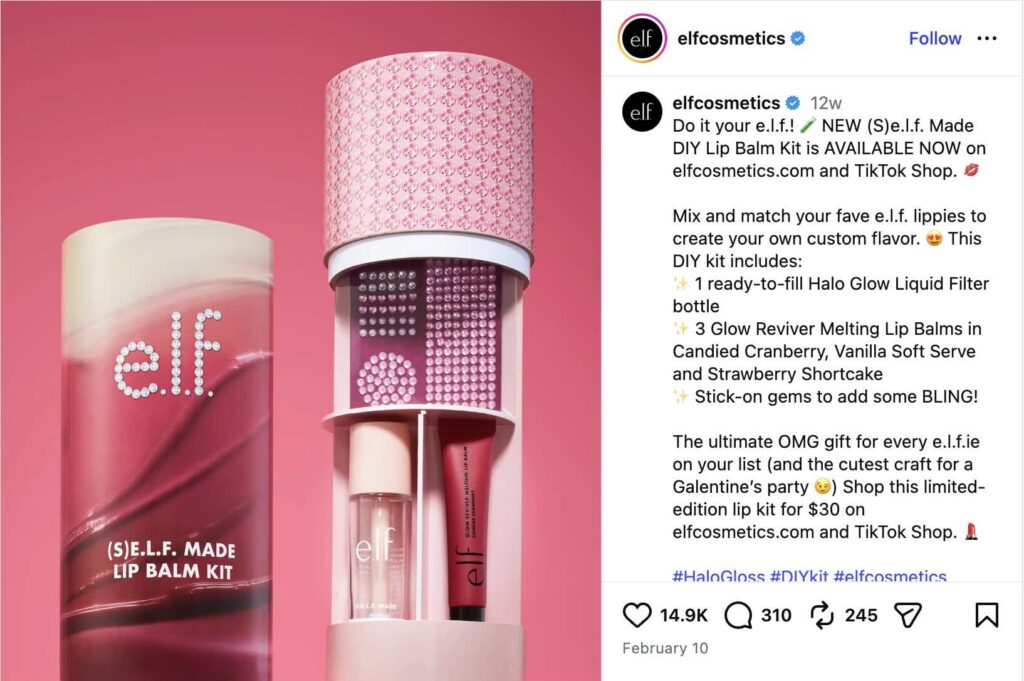
Many brands currently host activations designed solely for social media engagement: neon signs, ball pits, and curated hashtags. Bryanton warns that Gen Alpha can smell the inauthenticity. "A brand shouldn’t fall into the trap of thinking a flashy event with a photo-op moment is enough," she notes. "This generation wants to use their hands, to see their friends, and to do something actually fun. They are already hyper-conscious of their online persona; they don’t want to feel like they are working for your brand by creating content for you."
2. The Rise of "Third Spaces"
Brands that succeed will act as facilitators for community. This means hosting workshops, sponsoring local gaming tournaments, or partnering with libraries to provide spaces for knitting, cross-stitching, or collaborative building. The goal is to create environments where Gen Alpha can be themselves, away from the pressure of likes and views.
3. Sentiment Over Volume
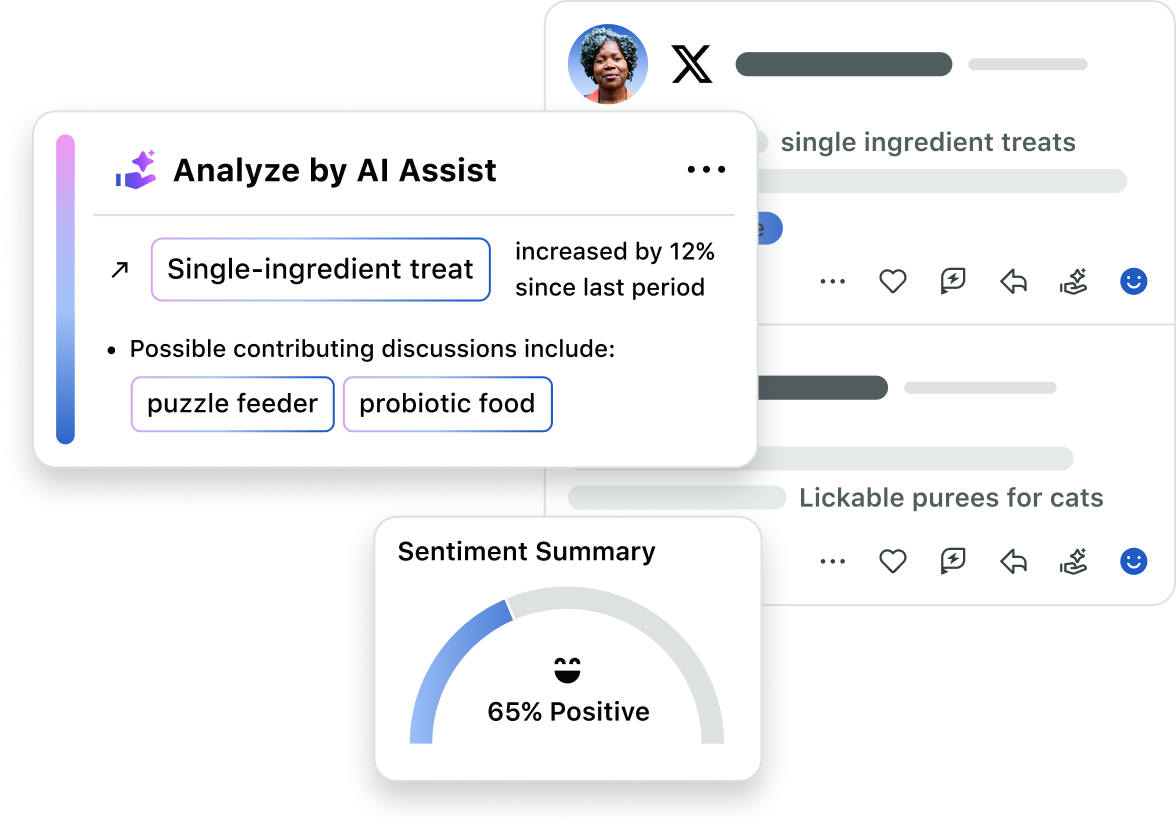
Marketing metrics must evolve. "We need to shift toward a qualitative approach," says Bryanton. "Ask questions like: ‘How did our brand perception change after an event?’ instead of ‘How many posts did we get?’ An Alpha talking to their friends about your brand in a positive light is worth more than a hundred staged Instagram stories."
Success Stories: Lego and Crocs
Two brands currently setting the standard for Gen Alpha engagement are Lego and Crocs.
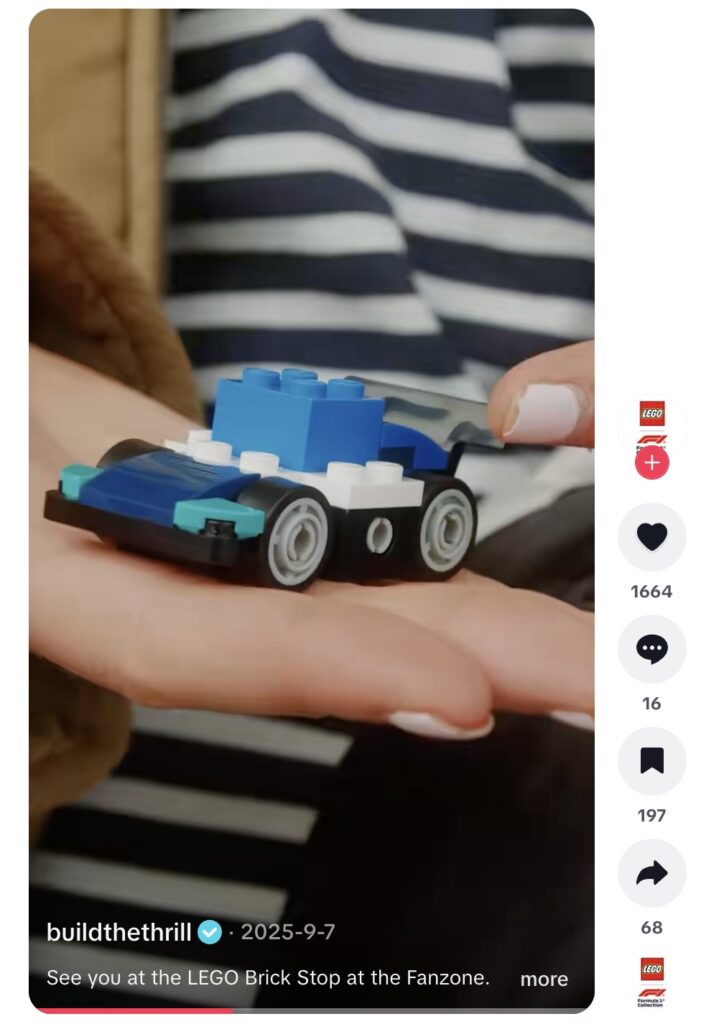
- Lego: By focusing on the act of building, Lego avoids the trap of digital-first vanity. Their recent collaborations with Formula 1, which allowed fans to build model cars in person, succeeded because they offered a tactile, challenging, and social experience. It wasn’t about the picture of the Lego car; it was about the experience of building it.
- Crocs: The brand has turned "personalization" into its primary product strategy. By allowing users to customize their shoes with Jibbitz charms, they have tapped into the generation’s desire for unique, physical self-expression. They listened to the user insight that people wanted to "style" their footwear, and they turned that into a global community phenomenon.
Moving Toward a Post-Digital Future
As Gen Alpha moves deeper into their teenage years, the "brain rot" era will likely be looked back upon as a period of profound digital over-stimulation. The brands that win in the next decade will not be the ones that shout the loudest on TikTok or dominate the most search algorithms. Instead, they will be the ones that provide a sanctuary from the noise.
For the marketing industry, the directive is clear: stop treating Gen Alpha like a demographic that only lives in the cloud. They are a generation hungry for the tactile, the analog, and the authentic. They want to touch, to build, to gather, and—above all else—to be listened to. If brands can bridge the gap between their digital footprint and a meaningful physical reality, they will earn the one thing that no amount of paid reach can buy: genuine, long-term brand affinity.
The kids are tired of the screen. It is time for brands to help them find their way back to the real world.
Gen Alpha Marketing FAQs
Q: What are the best Gen Alpha marketing strategies?
A: The most effective strategies prioritize real-world immersion and tactile experiences. Instead of digital-first campaigns, brands should host interactive events where Alphas can work with their hands, collaborate with friends, and socialize without the pressure of documenting the experience for social media.

Q: How do I effectively market to Gen Alpha?
A: Stop recycling Gen Z strategies. Treat Alphas with empathy and stop "talking at" them. Focus on listening to their feedback, and ensure your offline activations offer substance over style. If you focus on how an event feels to the participant, the marketing value will follow naturally.
Q: What are current consumer behavior trends for Gen Alpha?
A: Gen Alpha is experiencing significant screen fatigue. They are actively seeking to escape the "chronically online" lifestyle and are craving analog hobbies, real-life experiences, and physical "third spaces" where they can hang out with friends. They value functionality and opportunities for unique, personal expression.
Q: What are the best marketing channels for Gen Alpha?
A: While YouTube, TikTok, and Snapchat are unavoidable for entertainment, the most impactful "channel" is the physical world. Brands should prioritize interactive real-world activations, local community partnerships, and hands-on events. By bridging the digital-to-IRL gap, brands can provide the tangible, community-focused experiences that this generation is currently missing.


 Evan Lee Salim
 Iffa Jayyana