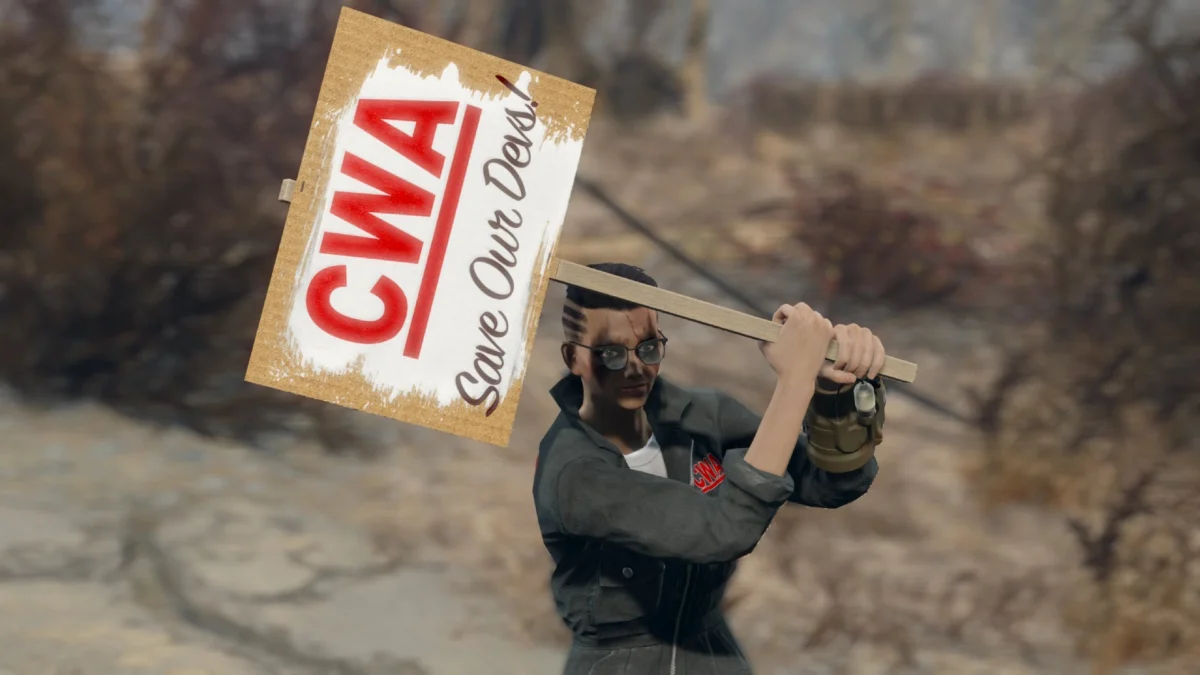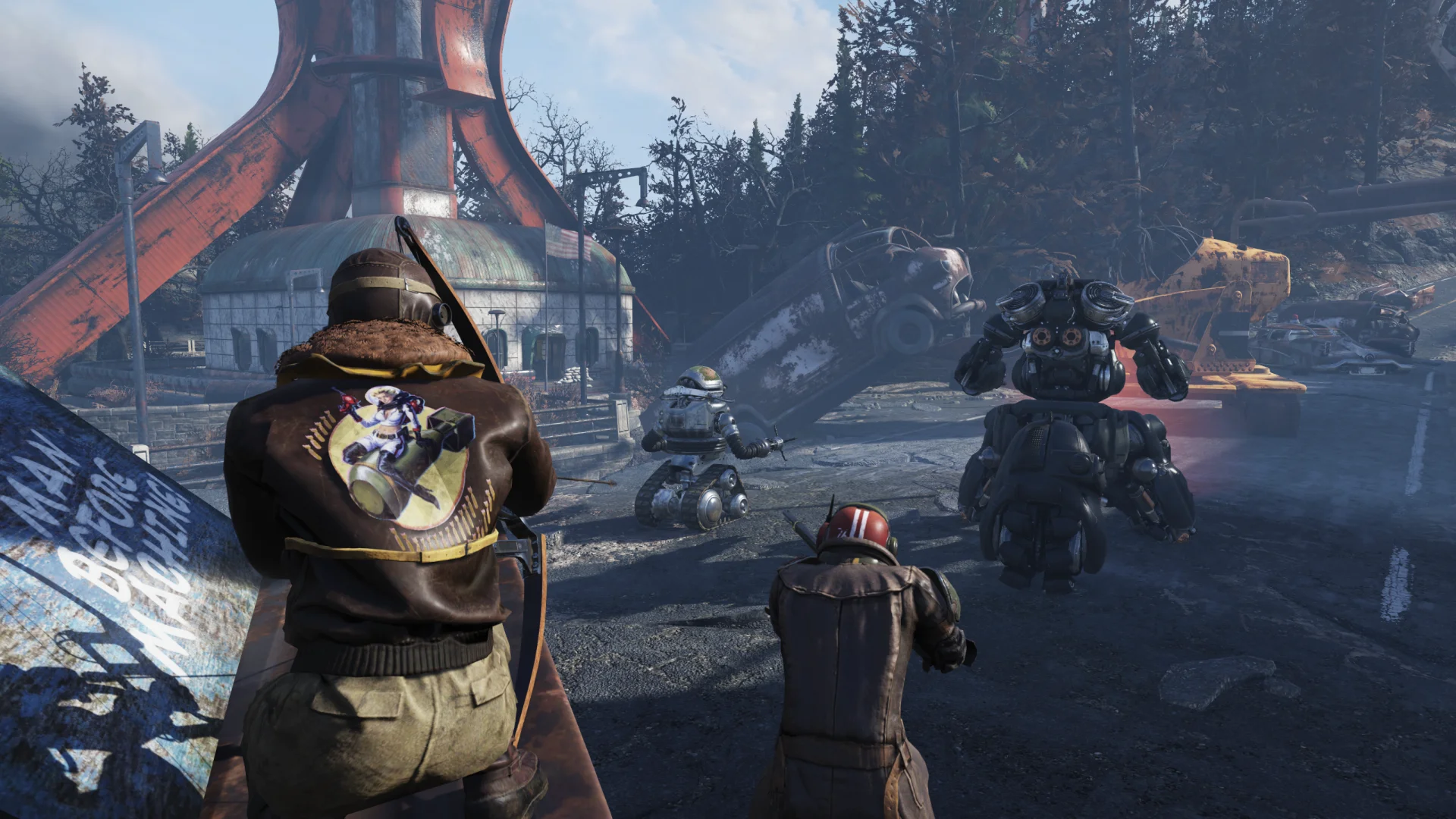
The post-apocalyptic landscape of Appalachia has never been more treacherous. With the arrival of the Infestations update, Bethesda Game Studios has injected a fresh wave of volatility into Fallout 76, tasking players with confronting aggressive new threats and high-stakes boss encounters that demand tactical coordination. Following the reveal of this content at Summer Game Fest, I had the privilege of sitting down with Creative Director Jon Rush and Production Director Bill LaCoste. We explored the philosophical shift in the game’s design, the delicate art of balancing an aging live-service economy, and how the developers are navigating the complex, multi-generational lore of the Fallout franchise in the wake of the series’ massive cultural resurgence.
The Crucible of Appalachia: Designing for Difficulty
When asked what they were most eager for the player base to experience within Infestations, the developers shared a wry, knowing smile. Their excitement isn’t rooted in ease of play; it is rooted in the challenge. "We want players to get humbled," they joked, noting that the team intentionally tuned the new boss battles to push the limits of existing character builds.
In the current landscape of Fallout 76, where many veteran players possess god-tier gear and optimized mutations, maintaining a sense of danger is a perpetual challenge for the design team. The Infestations update is an explicit response to this: it is not merely a content drop, but a recalibration of what a "boss fight" means in the context of a long-running online RPG. The goal, according to Rush and LaCoste, was to create encounters where victory feels earned rather than expected. By increasing the mechanical complexity and survivability of these new threats, Bethesda is pushing players to abandon their "autopilot" playstyles and engage with the game’s deeper combat systems.
The Multiplayer Imperative: Fostering Emergent Narratives
Beyond the technical challenge, Infestations is designed as a catalyst for community interaction. Both Rush and LaCoste emphasized that the true "lifeblood" of Fallout 76 is the social experience. They noted that while the new content can be attempted solo, it is fundamentally balanced for the cooperative squad.
"We want players to walk away with stories," LaCoste explained. Whether it is a narrow escape from a near-wipe scenario or the tactical coordination required to strip an enemy’s armor before a final push, the development team is focused on creating "narrative friction." By forcing players to form teams to tackle these higher-tier threats, the developers hope to see a resurgence in player-to-player communication and dynamic role-playing, ensuring that the game remains a living, breathing social space rather than just a collection of objectives to be ticked off a list.
Balancing the Economy: The Challenge of Longevity
One of the most complex aspects of managing a game as expansive as Fallout 76 is the "Reward Paradox." With years of gear, legendary effects, and currencies already circulating in the game economy, introducing new rewards without inducing power creep—or worse, making previous efforts obsolete—is a monumental task.
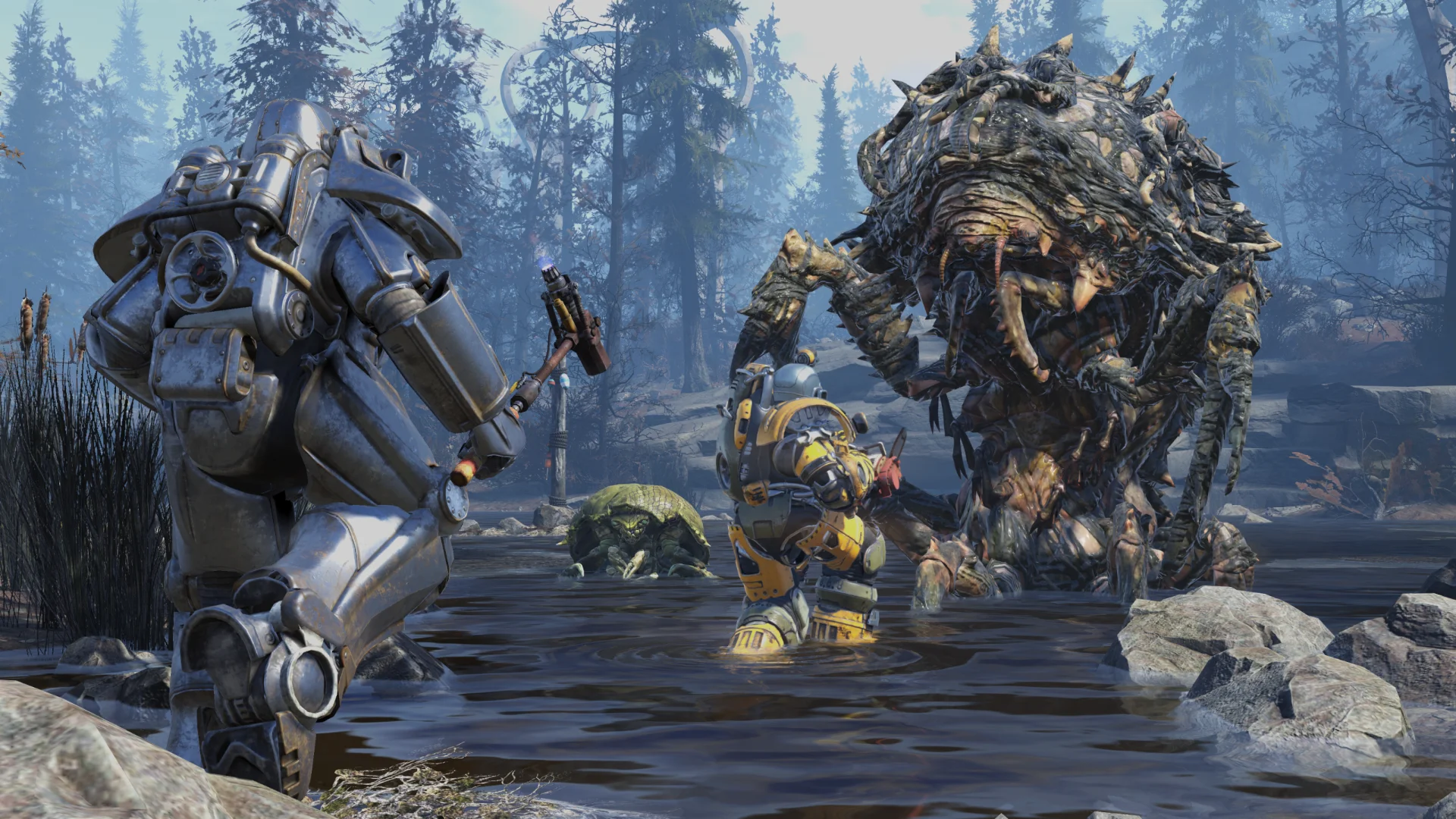
The developers outlined a strategy centered on "situational utility." Rather than simply introducing weapons with higher base damage numbers, the team is focusing on rewards that incentivize players to rotate their loadouts. By creating gear that excels in specific combat loops or environmental conditions introduced by Infestations, Bethesda is subtly encouraging players to experiment. The goal is to move the player away from the "one-build-to-rule-them-all" mentality, effectively widening the meta and keeping the gameplay loop feeling fresh even for players who have logged thousands of hours.
Worldbuilding and the Fallout Timeline
The conversation naturally shifted toward the broader Fallout universe. Following the immense success of the live-action series, the lore of the franchise has come under a microscope, and Fallout 76 occupies a unique, precarious position in that timeline. As the chronologically earliest entry, taking place shortly after the Great War, the game serves as the foundation of the series’ history.
The Advantage of Origins
Rush and LaCoste highlighted the narrative freedom that comes with being a prequel. Because Fallout 76 exists in the early post-war era, the team has the ability to explore the immediate fallout of the bombs—the societal collapse, the early days of the Brotherhood of Steel, and the raw, unrefined horror of a world that hasn’t yet settled into the tropes of later games.
Lore Integration and Crossovers
When discussing the potential for crossover content—such as the recent integration of "The Ghoul" into the Burning Springs update—the developers were careful to distinguish between thematic consistency and chronological impossibility. The inclusion of The Ghoul as a bounty hunter figure was a natural fit because his character archetype spans centuries. Conversely, characters like Lucy from the live-action series are effectively "off-limits" for direct interaction because they hadn’t been born at the time of Fallout 76.
This disciplined approach to lore is essential for maintaining the integrity of the Fallout brand. By pulling from the same "pool of lore" as the show, the team ensures that Fallout 76 feels like a cohesive part of the larger whole, rather than a loose spin-off. It is a delicate balancing act of fan service and narrative preservation.
Infrastructure and Accessibility: Future-Proofing
A pertinent question for any live-service game as it enters its later years is the status of older hardware. With the industry steadily moving toward current-generation exclusivity, many fans were concerned about the fate of the Xbox One and PS4 versions of the game.
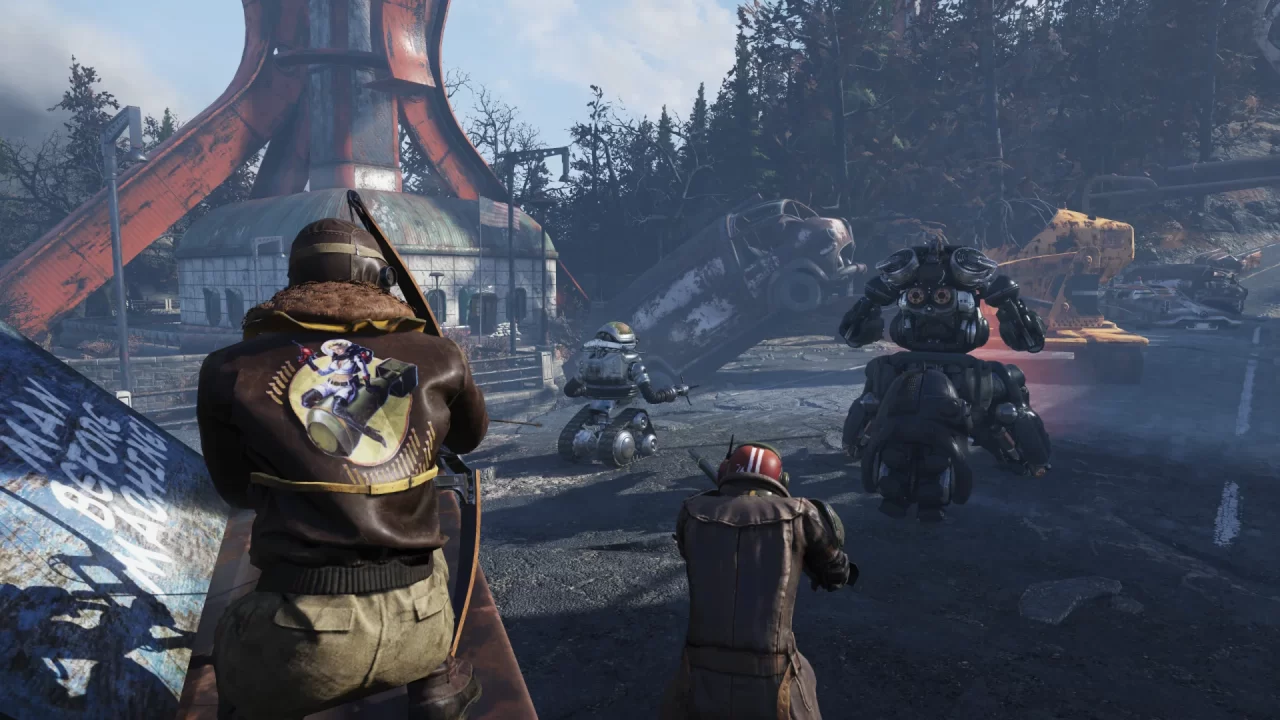
Rush and LaCoste provided a definitive answer: there are no plans to sunset these versions. They acknowledged the technical overhead required to maintain performance on legacy consoles but reaffirmed their commitment to the entire player base. The team continues to prioritize optimization, ensuring that the Infestations content remains accessible to those who have yet to make the jump to the Xbox Series X|S or PlayStation 5. This dedication to accessibility ensures that the community remains as large and inclusive as possible, a core tenet of their development philosophy.
Final Implications: What Lies Ahead?
The Infestations update is more than just a seasonal refresh; it is a statement of intent. By leaning into higher difficulty, fostering social cooperation, and respecting the chronological sanctity of the Fallout timeline, Bethesda is demonstrating that Fallout 76 is not merely "treading water." Instead, it is actively evolving.
The focus on situational loadouts and the refusal to abandon legacy platforms suggests a studio that is confident in the game’s core loop. As we look toward the future of the wasteland, it is clear that the development team is not interested in radical reinvention. Instead, they are doubling down on the elements that make Fallout 76 distinct: the camaraderie of the survivors, the haunting beauty of the Appalachian wilderness, and the relentless, often punishing, challenge of rebuilding a civilization from the ashes.
For those currently trekking through the irradiated hills, the message is clear: pack your best gear, find a reliable team, and prepare for a fight. The wasteland is changing, and the survivors who adapt the fastest will be the ones who define the future of Appalachia.
My deepest appreciation to Jon Rush, Bill LaCoste, the team at Bethesda Game Studios, and the organizers at Summer Game Fest for providing the space to hold this conversation. Special thanks to my colleague Noah Leiter for his invaluable contributions to the interview strategy. For further deep dives into the mechanics of the latest update, be sure to read Noah’s comprehensive 2025 review. Stay tuned to RPGFan for all the latest developments in the world of RPGs.