

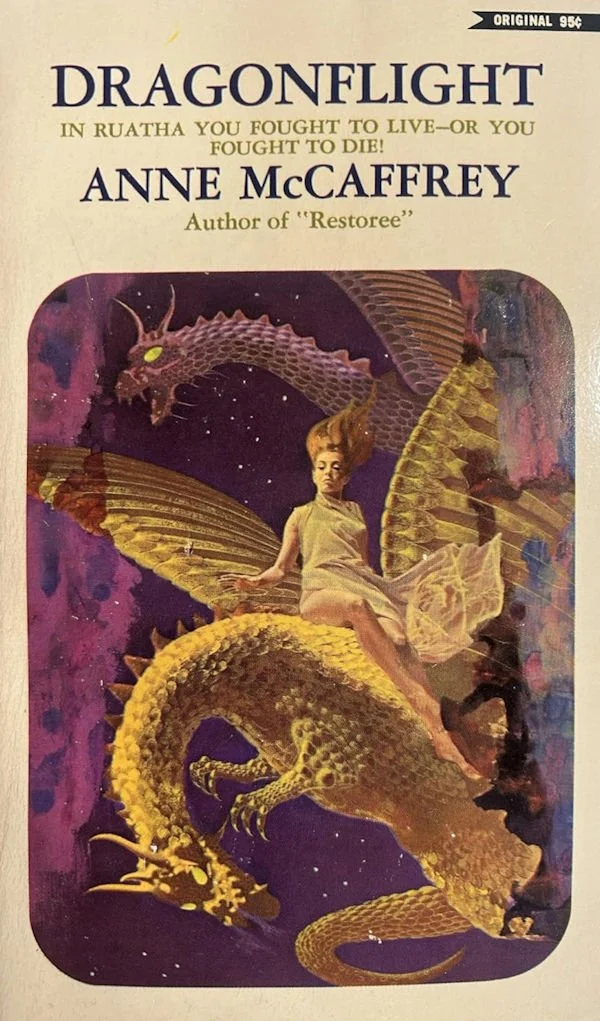
For decades, the publishing industry treated the novella as a literary "no man’s land"—too hefty for the brevity of a magazine feature, yet too slight for the commercial shelf space of a bookstore. However, a seismic shift is underway. In the indie fantasy community, the novella is experiencing a powerful resurgence, fueled by a grassroots movement known as the Speculative Fiction Indie Novella ChampionShip, or SFINCS.
As the literary world grapples with fluctuating attention spans and the rising costs of physical production, the novella has emerged as the perfect medium for the modern reader. This article explores the rise of SFINCS, the shifting economics of indie publishing, and why the novella is no longer just a "short novel," but a vital, standalone art form.
A New Frontier: The Genesis of SFINCS
The SFINCS competition, affectionately pronounced "sphinx," was born in 2023 from a casual conversation on social media platform X (formerly Twitter). Indie authors and reviewers, already familiar with the success of the Self-Published Fantasy Blog-Off (SPFBO)—a contest that elevated self-published novels to newfound prominence—began to lament the lack of a similar platform for shorter works.
The transition from a digital lament to a tangible, organized competition was rapid. Drawing on the community-driven spirit that defines the indie fantasy landscape, SFINCS was established to provide a dedicated stage for novellas. Now in its third year, the competition has acted as a catalyst for discovery, ushering hundreds of titles into the hands of eager readers who might otherwise have overlooked these shorter, more experimental narratives.
Chronology of the Short Form
To understand the significance of this resurgence, one must look at the historical "awkwardness" of the novella. In the pre-digital era, traditional publishing gatekeepers maintained rigid expectations regarding length. For decades, the industry standard dictated that a book needed to be substantial to justify its retail price.

- 1968: The Hugo Awards establish the "Best Novella" category, validating the form among literary elites, yet the commercial market remained stubbornly resistant to novella-length standalone books.
- Early 2000s: Aspiring authors were routinely advised to treat short fiction as a stepping stone. The prevailing wisdom was to "cut your teeth" on short stories and aim for the 80,000-word novel mark as quickly as possible.
- 2008–2015: The digital age began to bridge the gap. Platforms like Tor.com began publishing shorter fiction, proving that high-quality novellas could find a robust audience.
- 2023–Present: The birth of SFINCS marks the democratization of the form, with indie authors taking the lead in normalizing the novella as a permanent fixture in the modern reader’s library.
The Metrics of Storytelling: Defining the Novella
One of the primary barriers to the novella’s popularity has been a confusing lexicon of word counts. While readers generally prefer to measure a book by its quality or its cover, writers and industry professionals are often obsessed with the precise metrics that define a "novella."
According to standard industry definitions, the taxonomy of length is as follows:
- Short Story: Up to 7,500 words.
- Novelette: 7,500 to 17,500 words.
- Novella: 17,500 to 40,000 words.
- Novel: 40,000 words and up.
However, as many SFINCS judges have noted, these lines are increasingly blurred. In the contemporary market, a 40,000-word epic fantasy is often viewed as "short," while a 17,000-word piece might be marketed as a standalone book. The obsession with word count is often a legacy of print-centric production, where physical page counts determined shipping and printing costs. In the era of e-readers and audiobooks, these boundaries are becoming increasingly irrelevant to the average consumer.
The Economic and Creative Implications
The rise of the novella is not merely a trend; it is a strategic evolution of the publishing market.
The Indie Advantage
Indie authors are uniquely positioned to exploit the novella’s strengths. While traditional publishers must consider the "shelf appeal" of a thick spine, indie authors can bypass the gatekeepers to publish whatever the story requires. If a narrative works best at 25,000 words, the indie author can release it without needing to pad the manuscript with unnecessary subplots to satisfy traditional length requirements.
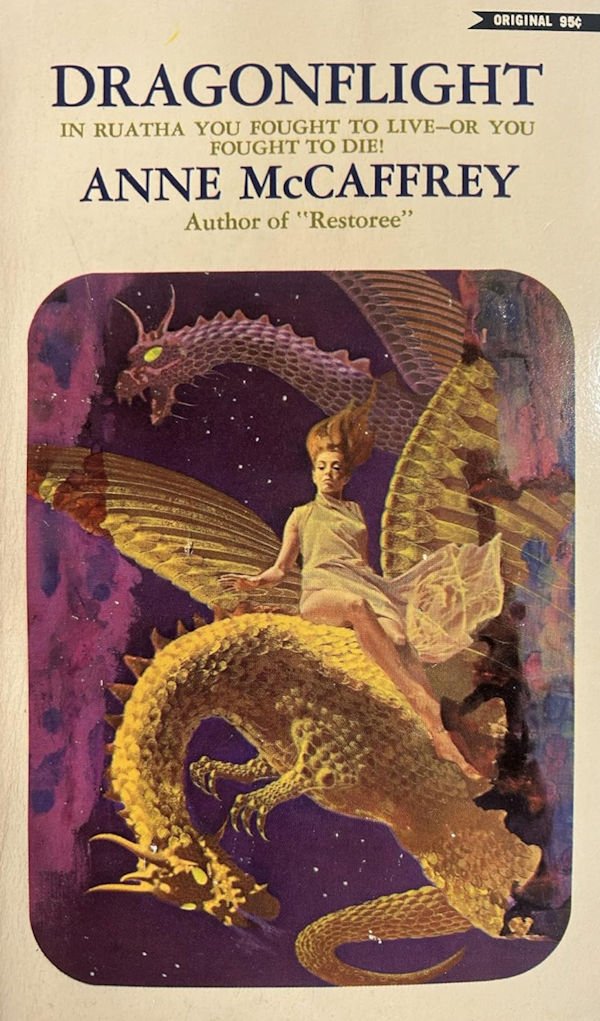
Marketing and Series Integration
Novellas have become an essential tool in an author’s marketing arsenal. They allow writers to:
- Develop Backstory: Provide deep dives into a secondary character’s history without slowing down the pacing of a main series.
- Test New Concepts: Explore "weird" or niche ideas that might be too experimental for a full-length novel.
- Maintain Engagement: Provide frequent content for newsletter subscribers, keeping the author’s brand relevant between major novel releases.
Official Voices and Industry Response
The impact of SFINCS has been felt across the genre. In April 2026, the competition crowned its third champion: Parasitic Omens by Jessica A. McMinn. This noir gaslamp fantasy serves as a testament to the competition’s mission—to shine a light on works that blend genres in ways that would often be considered "too risky" for mainstream houses.
As noted by long-time indie veterans, the change is palpable. "When I started participating in contests as a judge," says one SFINCS contributor, "I realized that the ‘novella’ was not a diminished version of a novel, but a distilled one. It demands a level of focus and economy that is incredibly refreshing for today’s reader."
A Future for the Short Form
The implications of this movement are clear: the novella is reclaiming its place in the spotlight. With attention spans becoming a premium commodity, the ability to consume a complete, high-quality story in a single sitting—or over a weekend—is highly attractive to the modern reader.
Furthermore, the "SFINCS effect" has created a roadmap for indie authors to achieve professional recognition. By organizing and curating the best of the novella landscape, the community has effectively told publishers that the demand for shorter, punchier fiction is not just a niche interest, but a growing sector of the book market.
Recommendations for the Reader
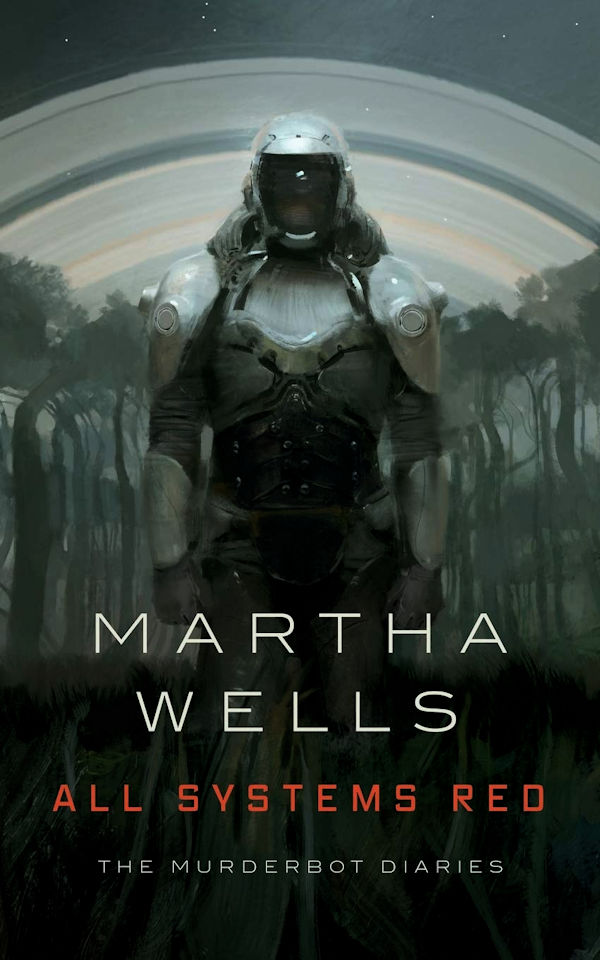
If you are looking to dip your toes into the world of the novella, the SFINCS website provides a comprehensive roster of recent entries that are as varied as they are compelling. Whether you are interested in gaslamp fantasy, space opera, or character-driven drama, the current crop of indie novellas offers a richness of worldbuilding that belies their length.
As we look toward the future of speculative fiction, it is evident that the "in-between" space once occupied by the novella has been filled with innovation, passion, and the undeniable talent of the indie community. The novella is no longer the "awkward" child of the publishing family; it has grown up to be the most exciting guest at the table.
What is your take on the novella revival? Do you prefer the brisk pace of a shorter work, or do you still crave the sprawling expanse of a 200,000-word tome? Join the conversation in the comments below.










