

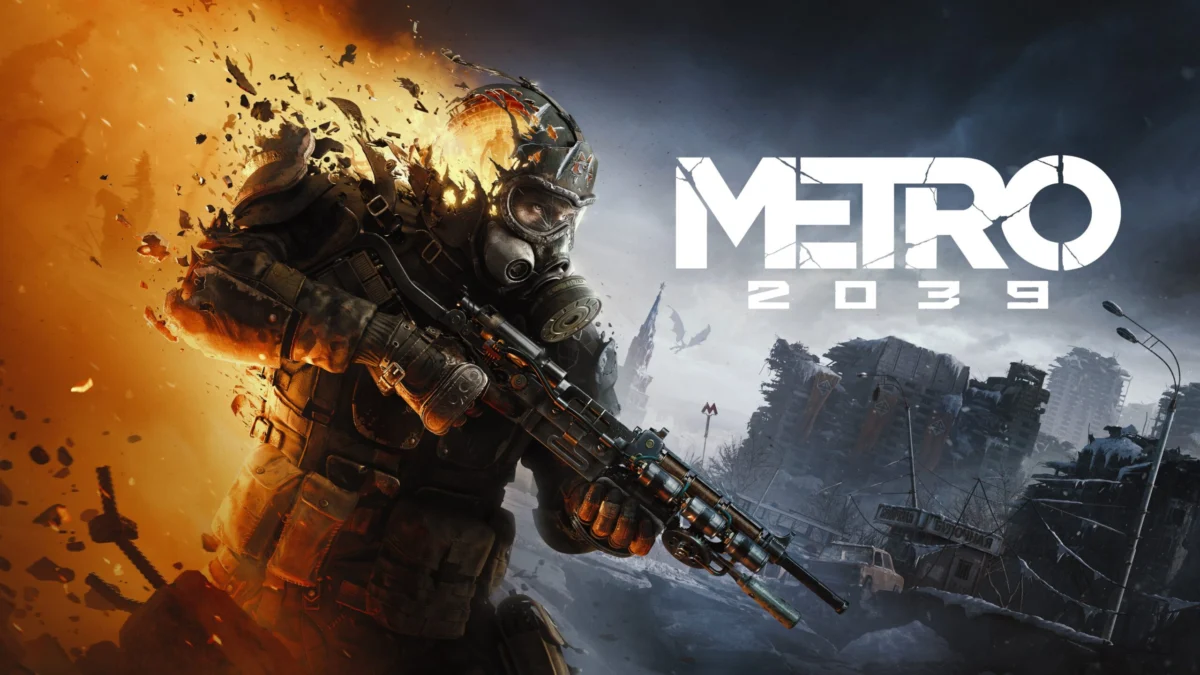
Kyiv/Malta – [Date of Publication] – After years of anticipation and development fraught with unprecedented global and geopolitical challenges, 4A Games has officially lifted the veil on Metro 2039, the latest installment in their acclaimed post-apocalyptic saga. This new chapter marks a significant pivot for the series, drawing players back into the suffocating, subterranean confines of the Moscow Metro, a stark departure from the expansive surface expeditions of its predecessor, Metro Exodus. More than just a return to roots, Metro 2039 promises a deeply personal and psychologically resonant experience, its narrative inextricably shaped by the real-world trials endured by its Ukrainian developer, including the COVID-19 pandemic and the ongoing Russian invasion of Ukraine.
The announcement positions Metro 2039 as a story-driven, single-player experience, doubling down on the claustrophobic tension and moral quandaries that defined the earlier entries in the franchise. Set to launch this winter on PC, Xbox Series X/S, and PlayStation 5, the game is poised to explore the enduring presence of extremist ideologies within the Metro’s dark heart, personified by the newly revealed, authoritarian faction known as the Novoreich.
The Return to the Tunnels: A Series Reimagined
Metro 2039 signals a deliberate strategic shift for 4A Games, consciously diverging from the semi-open-world design that characterized Metro Exodus. Instead, the forthcoming title embraces the tight, linear corridors and oppressive atmosphere that first captivated players in Metro 2033 and Metro: Last Light. This return to the series’ foundational setting is not merely a nostalgic gesture but a narrative and thematic choice designed to intensify the psychological horror and underscore the inherent vulnerability of humanity clinging to existence beneath a poisoned world.
From Open-World Ambition to Claustrophobic Roots
Metro Exodus, released in 2019, bravely pushed the boundaries of the series, sending protagonist Artyom and his Spartan Order companions on a sprawling journey across post-apocalyptic Russia. While critically lauded for its ambitious scope and narrative depth, the transition to larger, more open environments subtly altered the series’ signature tension. Metro 2039, by contrast, seeks to recapture the suffocating dread of confined spaces, where every flicker of light, every distant growl, and every whispered conversation contributes to an overwhelming sense of unease. This design philosophy aims to amplify the intimate, personal struggle for survival against both mutated horrors and the even more insidious threats posed by fractured human societies.
The decision to return to the Moscow Metro is particularly poignant given the game’s overarching themes. The tunnels, originally built as a marvel of Soviet engineering, become a labyrinthine tomb and a crucible for humanity’s darkest impulses. The original article’s stark opening – "Metro 2039 takes us back to the tunnels of the Moscow Metro where, fittingly, Nazi ideology never died" – immediately establishes a grim thematic foundation, suggesting that the most persistent and dangerous monsters are not the irradiated creatures on the surface, but the ones lurking within the human heart.
A Legacy Forged in Darkness
The Metro series, rooted in Dmitry Glukhovsky’s acclaimed novels, has consistently offered a bleak yet compelling vision of a post-nuclear world. From the initial struggle against Dark Ones and the Red Line-Reich conflict in Metro 2033, to the desperate fight for salvation in Last Light, and the search for a new home in Exodus, the franchise has always been more than just a shooter. It has served as a vehicle for exploring complex themes of survival, morality, faith, and the enduring human spirit amidst unimaginable desolation. Metro 2039 promises to deepen this narrative tradition, pushing the psychological and ethical boundaries further than ever before. The series’ commitment to a single-player, story-driven experience stands as a testament to its narrative ambition, a refreshing counter-narrative in an industry increasingly dominated by multiplayer and live-service models.
Development Under Duress: 4A Games’ Unwavering Vision
The journey to Metro 2039 has been anything but conventional. 4A Games, a studio with a significant presence in Kyiv, Ukraine, has navigated a turbulent period marked by global crises that have profoundly impacted both the development process and the very soul of the game itself.
Navigating a Global Pandemic and Geopolitical Turmoil
The initial stages of Metro 2039‘s development, spanning "years" according to 4A Games, coincided with the onset of the 2020 COVID-19 pandemic. Like countless studios worldwide, 4A Games had to adapt to remote work, implement new communication strategies, and contend with the logistical complexities of developing a AAA title under lockdown conditions. This period, while challenging, paled in comparison to the seismic shock that would follow.
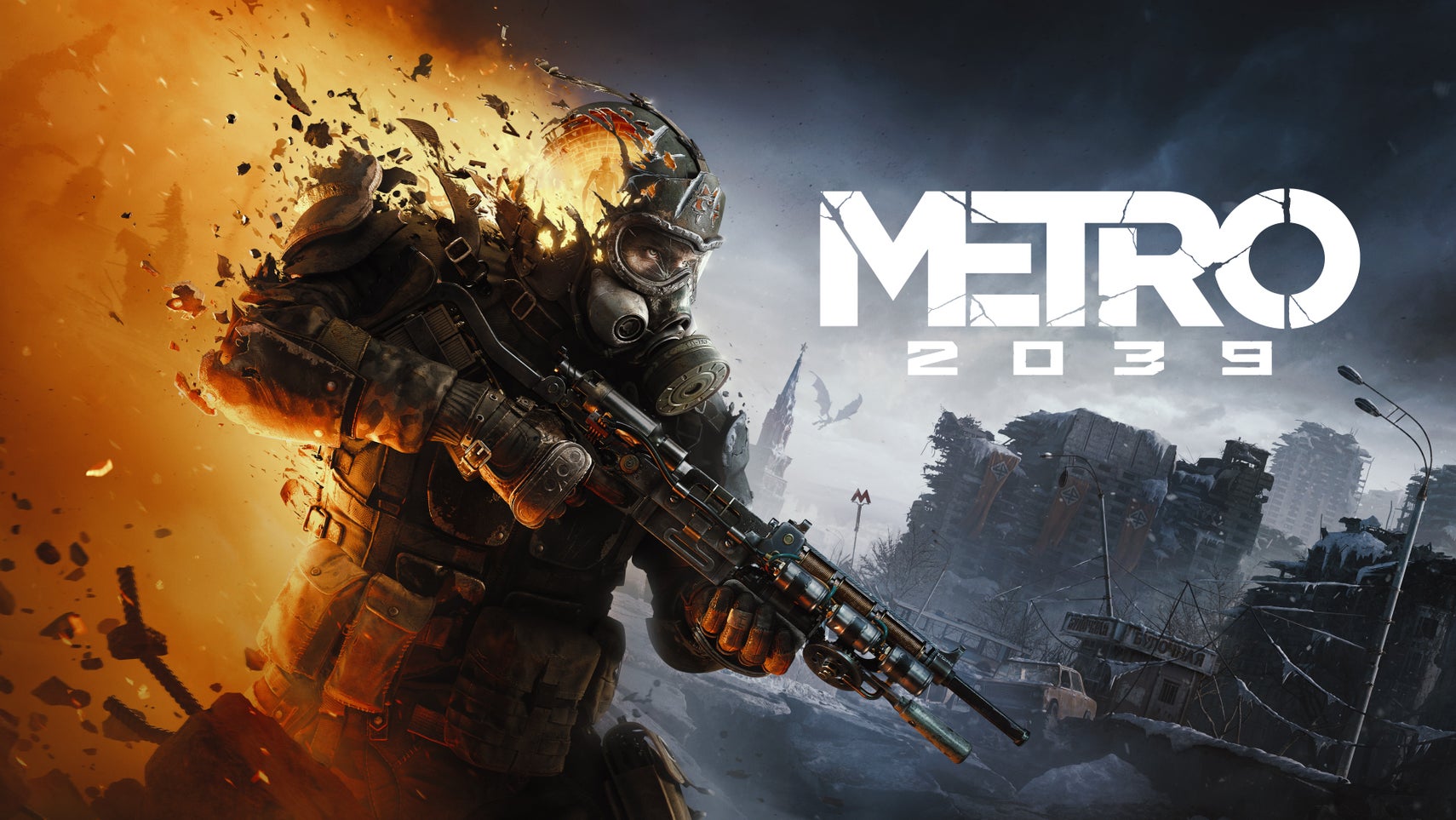
In February 2022, Russia launched its full-scale invasion of Ukraine. For a studio with a core team based in Kyiv, this was not merely a distant geopolitical event but a direct, existential threat. Developers found themselves grappling with personal safety, the displacement of families, the disruption of infrastructure, and the constant psychological toll of living in a war zone. This unprecedented adversity forced 4A Games to continue development under unimaginable pressure, with team members often working from shelters, abroad, or amidst the daily realities of conflict. The resilience shown by the studio in continuing its creative work under such circumstances is nothing short of remarkable.
The Ukrainian Perspective Woven into Narrative
Crucially, these real-world events have not just hindered development; they have fundamentally shaped the game’s narrative and thematic core. 4A Games has explicitly stated that Metro 2039‘s "darker story has changed in response" to the pandemic and the invasion. The team’s Ukrainian perspective, imbued with firsthand experience of conflict, displacement, and the fragility of peace, is now more prominently represented in the game’s narrative fabric.
This translates into a story that delves deeper into the "very real effects the apocalypse has had, and continues to have, on denizens of the Metro." The psychological horror, a hallmark of the series, will now be driven not just by mutated beasts and supernatural phenomena, but by the profound human trauma, moral compromises, and societal decay witnessed by the developers in their own lives. Metro 2039 is poised to become a powerful artistic reflection of resilience, loss, and the enduring human struggle against oppression and despair, filtered through the lens of a team intimately familiar with such realities. This commitment to integrating their lived experience elevates the game beyond mere entertainment, transforming it into a poignant commentary on contemporary global events.
Unveiling Metro 2039: Deep Dive into Gameplay and Narrative
The first official reveal of Metro 2039 offered a tantalizing glimpse into its gameplay and narrative direction. While the brief trailer showcased a blend of cinematics and in-engine footage, it firmly established the game’s commitment to its dark, immersive, and story-rich heritage.
A More Intimate, Voice-Driven Horror
One of the most significant changes announced for Metro 2039 is the introduction of a fully voiced protagonist. Historically, Artyom, the series’ previous main character, remained silent throughout gameplay, his thoughts conveyed through loading screen monologues and journal entries. This change promises a more immediate and intimate connection with the protagonist, allowing players to experience the unfolding psychological horror and moral dilemmas through direct dialogue and internal narration. This shift aligns with the game’s intensified focus on narrative and character depth, enabling more nuanced emotional expression and a deeper exploration of the protagonist’s inner turmoil in a world teetering on the brink.
The psychological horror elements are set to be more pronounced, driven by the "very real effects the apocalypse has had, and continues to have, on denizens of the Metro." This suggests a departure from purely supernatural scares, leaning into the unsettling psychological impact of prolonged isolation, trauma, and the constant threat of extinction. Players can expect to confront not just external monsters, but the internal demons that haunt a post-apocalyptic society.
The Rise of the Novoreich: A New Fascist Threat
The central antagonist faction in Metro 2039 is the Novoreich, a chilling evolution of the fascist "Reich" faction from earlier games. The revelation that the disparate underground factions are now united under this single, authoritarian banner is a disturbing development. Led by a "former Spartan" – a detail that adds a layer of betrayal and ideological corruption – the Novoreich presents itself as the sole path to salvation, offering order and security at the cost of individual freedom and moral integrity.
This new regime’s name, "Novoreich," is a clear and unsettling echo of historical fascism, underscoring the game’s commitment to exploring the dangerous resurgence of extremist ideologies in times of crisis. The original article’s powerful statement that "Nazi ideology never died" within the Metro tunnels becomes a central thesis, with the Novoreich embodying this enduring evil. This faction serves as a stark warning about the seductive nature of authoritarianism and the dangers of compromising fundamental human values in the name of survival. The conflict with the Novoreich will undoubtedly force players to confront uncomfortable truths about power, ideology, and the definition of humanity itself.

Choice, Consequence, and Compromised Morality
Russian author Dmitry Glukhovsky, whose novels form the foundation of the Metro universe, returns to co-write the narrative for Metro 2039. His involvement ensures thematic consistency and a continued exploration of the "compromised morality of a post-war society." The developer has emphasized a "bigger emphasis on choice and consequence," suggesting that player decisions will have tangible and far-reaching impacts on the story’s progression and its ultimate outcome.
This commitment to meaningful player agency, combined with Glukhovsky’s talent for crafting morally ambiguous narratives, promises a deeply engaging and thought-provoking experience. Players will be forced to make difficult choices, often without clear-cut "good" or "evil" options, reflecting the harsh realities of survival in a world where every decision carries immense weight. This focus on ethical dilemmas, filtered through the developer’s unique perspective, is set to make Metro 2039 not just a game, but a profound narrative experience.
Technological Advancements: The Power of the 4A Engine
Despite the immense challenges faced by 4A Games, the studio continues to champion its proprietary 4A Engine. In an industry increasingly dominated by third-party solutions like Unreal Engine, 4A Games’ dedication to its in-house technology speaks volumes about its commitment to creative control and pushing visual boundaries. For Metro 2039, the engine has received a "major upgrade," signifying a substantial leap in graphical fidelity and performance.
Ray Tracing at the Core: Enhancing Immersion
A standout technical enhancement for Metro 2039 is the integration of ray tracing as a "core component of the rendering pipeline." While Metro Exodus featured ray tracing, its implementation was often demanding on hardware. For 2039, the 4A Engine has been "rebuilt to run better on modern hardware," suggesting significant optimization efforts.
Ray tracing revolutionizes lighting, reflections, and shadows, creating hyper-realistic visual environments. In the dark, confined spaces of the Moscow Metro, this technology will be transformative. Dynamic light sources, subtle reflections on wet surfaces, and realistic shadows will enhance the claustrophobic atmosphere, making every flashlight beam and distant glow feel more immediate and impactful. The improved ray tracing promises to deepen player immersion, rendering the subterranean world with unparalleled visual fidelity and environmental realism.
Crafting Believable Worlds
Beyond raw technical power, 4A Games has always excelled at environmental storytelling. The developer reiterated that "creating cluttered, believable and lived-in environments remains a key focus." This attention to detail is crucial for a game set in a post-apocalyptic world, where every object, every discarded item, and every architectural detail contributes to the narrative of a fallen civilization.
The trailers and initial screenshots showcase environments that are rich with visual information – debris, makeshift shelters, propaganda posters, and the remnants of a bygone era. These meticulously crafted spaces serve not just as backdrops but as active participants in the storytelling, enhancing the sense of dread, mystery, and the enduring struggle for survival. The 4A Engine‘s upgrades will undoubtedly allow the artists and designers to realize their vision with even greater fidelity, making the world of Metro 2039 feel more tangible and oppressive than ever before.
Official Insights and Developer’s Ethos
While direct quotes from 4A Games were not extensively provided in the initial reveal, the information shared paints a clear picture of the developer’s intent and ethos behind Metro 2039. The announcement reflects a studio deeply committed to its artistic vision, even amidst extraordinary adversity.

Upholding Narrative Integrity Amidst Adversity
In their reveal, 4A Games underscored that the darker narrative of Metro 2039 is a direct consequence of the global pandemic and the ongoing war in Ukraine. This isn’t a superficial addition but an organic evolution of the story, informed by the team’s personal experiences. The emphasis on the "compromised morality of a post-war society," co-written by Dmitry Glukhovsky, highlights a dedication to exploring the complex ethical landscape of their fictional world through a profoundly real-world lens. This commitment suggests that Metro 2039 will not shy away from uncomfortable truths, aiming to deliver a narrative that is both entertaining and deeply resonant.
A Testament to Resilience and Artistic Expression
The developer’s continued reliance on their proprietary 4A Engine and its significant upgrade for 2039 speaks to a fierce independence and a belief in their own technical prowess. This decision allows them to tailor their tools precisely to their artistic vision, rather than conforming to the constraints of external engines. Furthermore, the focus on "cluttered, believable and lived-in environments" reinforces 4A Games’ signature approach to world-building – one that prioritizes atmospheric immersion and subtle narrative cues over flashy spectacle. The very existence of Metro 2039, developed under such challenging conditions by a team largely based in a war-torn country, stands as a powerful testament to the resilience of the human spirit and the unwavering power of artistic expression.
Implications and Anticipation
The unveiling of Metro 2039 carries significant implications for the series, the survival horror genre, and the broader video game industry, particularly in the context of Ukrainian game development.
Redefining the Post-Apocalyptic Narrative
By returning to the claustrophobic linearity of the Metro tunnels and embracing a darker, more psychologically intense narrative, Metro 2039 has the potential to redefine what a post-apocalyptic story can be. In a genre often saturated with open-world exploration and action, 4A Games is doubling down on intimacy, character-driven horror, and profound moral dilemmas. The decision to make the protagonist voiced further enhances this immersion, promising a more personal and immediate connection to the harrowing events unfolding. The inclusion of the Novoreich, a clear fascist entity, ensures the game will delve into contemporary political themes, offering a potent commentary on the dangers of extremism and the allure of false salvation in desperate times. This makes Metro 2039 more than just a game; it positions it as a significant cultural artifact reflecting current global anxieties.
A Beacon for Ukrainian Game Development
The fact that 4A Games, with its majority Ukrainian team, has not only survived but thrived and is now releasing a major AAA title, is a powerful statement. It positions the studio as a beacon of resilience and creativity amidst unimaginable adversity. Metro 2039 serves as a tangible example of Ukraine’s enduring presence and significant contributions to the global video game industry, even as the nation continues to face conflict. This achievement could inspire other Ukrainian developers and highlight the need for continued support and recognition of the country’s vibrant creative sector. It transforms the game into a symbol of defiance and artistic perseverance.
The Road Ahead: What to Expect
With Metro 2039 slated for a winter release on PC, Xbox Series X/S, and PlayStation 5, anticipation is already building among fans and critics alike. The brief reveal trailer, while light on extensive gameplay, effectively established the game’s atmosphere and thematic direction. Players can expect a meticulously crafted, deeply immersive experience that leverages the enhanced 4A Engine to deliver stunning visuals and an unparalleled sense of dread. The promise of significant choice and consequence, coupled with Dmitry Glukhovsky’s narrative expertise, suggests a replayable and thought-provoking journey.
The coming months will likely bring more detailed gameplay reveals, shedding further light on the specific mechanics, enemy types, and environmental interactions. However, the initial announcement firmly establishes Metro 2039 as a highly anticipated title, not just for its gameplay and technical ambition, but for its profound narrative resonance and the remarkable story of its creation under extraordinary circumstances. It stands as a testament to the enduring power of storytelling and the unbreakable spirit of its creators.











No comments yet. Be the first to join the conversation!