

As we hit the midway point of 2026, the landscape of television is undergoing a seismic shift. While viewers have been treated to high-profile renewals and the grand finales of era-defining series, a darker trend has emerged beneath the surface. A significant number of shows, some boasting critical acclaim and massive potential, have been abruptly pulled from the schedules.
The "Golden Age of Streaming" is increasingly looking like a "Streaming Graveyard," where even shows with high production values and A-list talent are not immune to the cold, data-driven calculus of network executives. From the sudden termination of ambitious spin-offs to the axing of genre-bending experiments, 2026 is proving to be a year of ruthless pruning.
The State of the Industry: A Mid-Year Reality Check
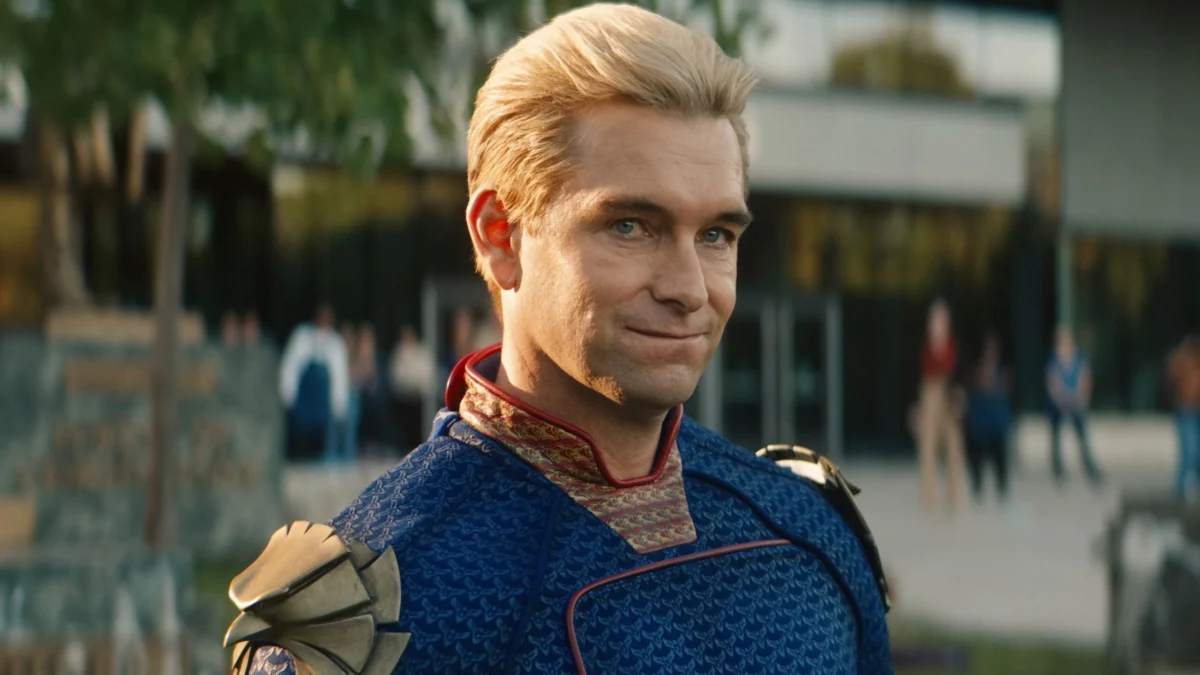
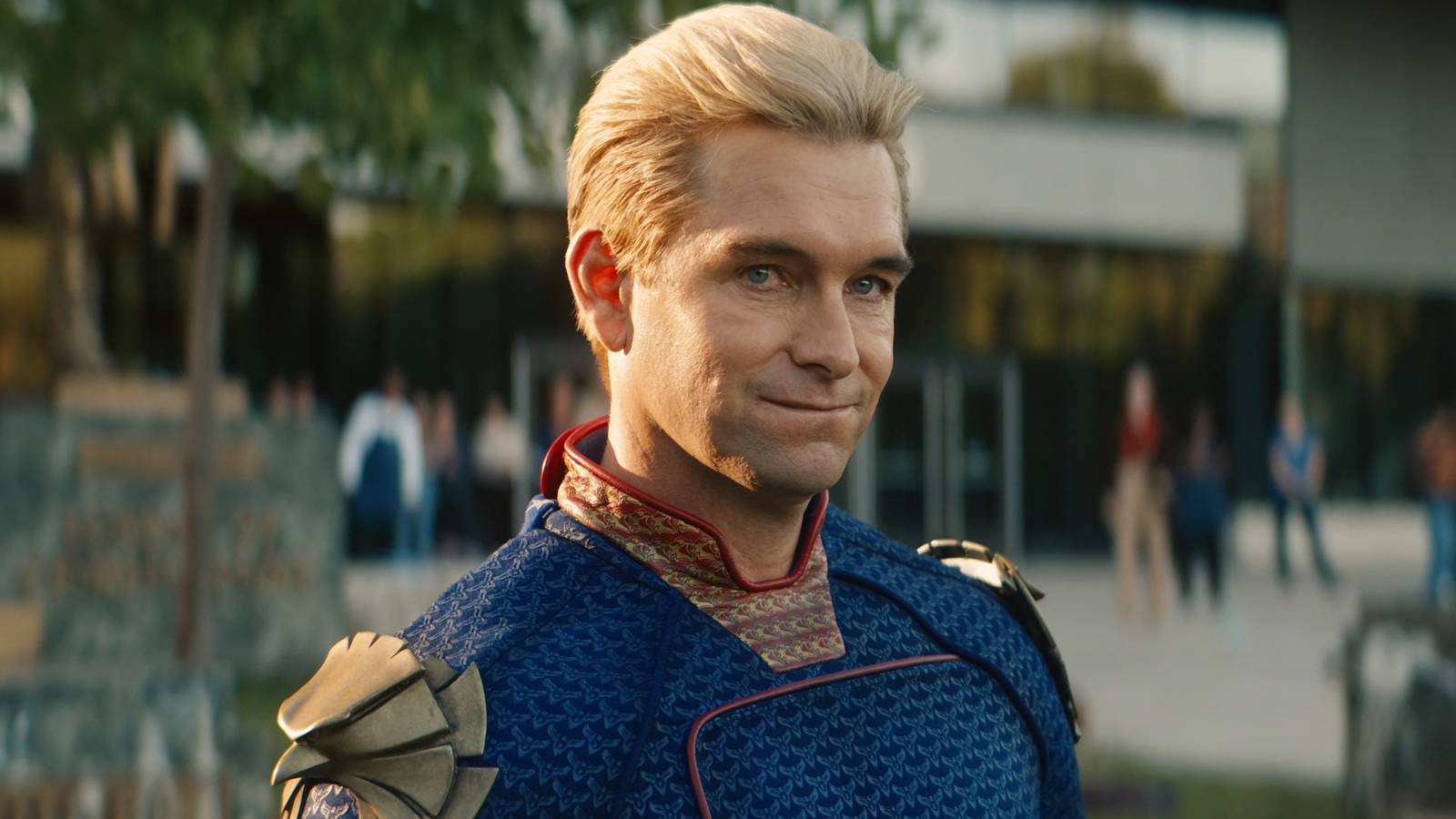
2026 has been a year of contradictions. On one hand, we have seen the graceful bows of cultural juggernauts like The Boys, Outlander, and Good Omens. These series were afforded the luxury of a planned conclusion, allowing showrunners to tie up narrative loose ends and provide fans with a sense of closure.
Conversely, the industry is witnessing an uptick in "unplanned" cancellations. The strategy seems to have shifted from long-term brand building to immediate ROI (Return on Investment). If a show does not dominate the Nielsen charts or the internal metrics of streamers like Netflix, Peacock, and Apple TV+ within its first 28 days, it is increasingly finding itself on the chopping block.
The 2026 Cancellation Chronology: A Closer Look
To understand the scope of these losses, we must look at the specific casualties of this year’s aggressive programming strategy.
1. The Boroughs (Netflix)
Perhaps the most shocking cancellation of the year, The Boroughs, produced by the visionary Duffer Brothers, promised to be the next sci-fi titan for Netflix. Despite widespread critical acclaim, strong viewership numbers, and a glowing endorsement from horror icon Stephen King—who hailed it as "an absolute delight"—the show was axed after just one season. The decision highlights an alarming trend where even high-performing creative projects are susceptible to Netflix’s opaque and often unforgiving renewal criteria.

2. Gen V (Amazon Prime Video)
As a crucial piece of The Boys universe, Gen V was expected to carry the torch of the franchise. However, with the conclusion of the mothership series, Amazon made the controversial choice to end Gen V after only two seasons. The sting of this cancellation is worsened by the treatment of its characters; once positioned as the next generation of supe-leaders, they were largely sidelined or "nerfed" during the final season of The Boys, leaving their arcs feeling hollow and unfinished.
3. Palm Royale (Apple TV+)
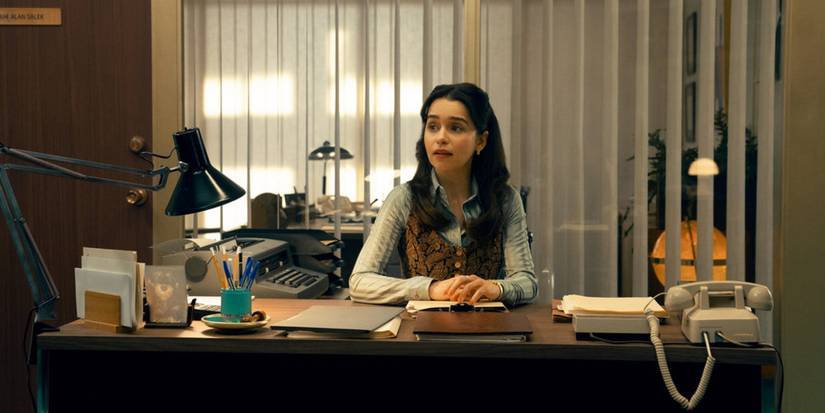
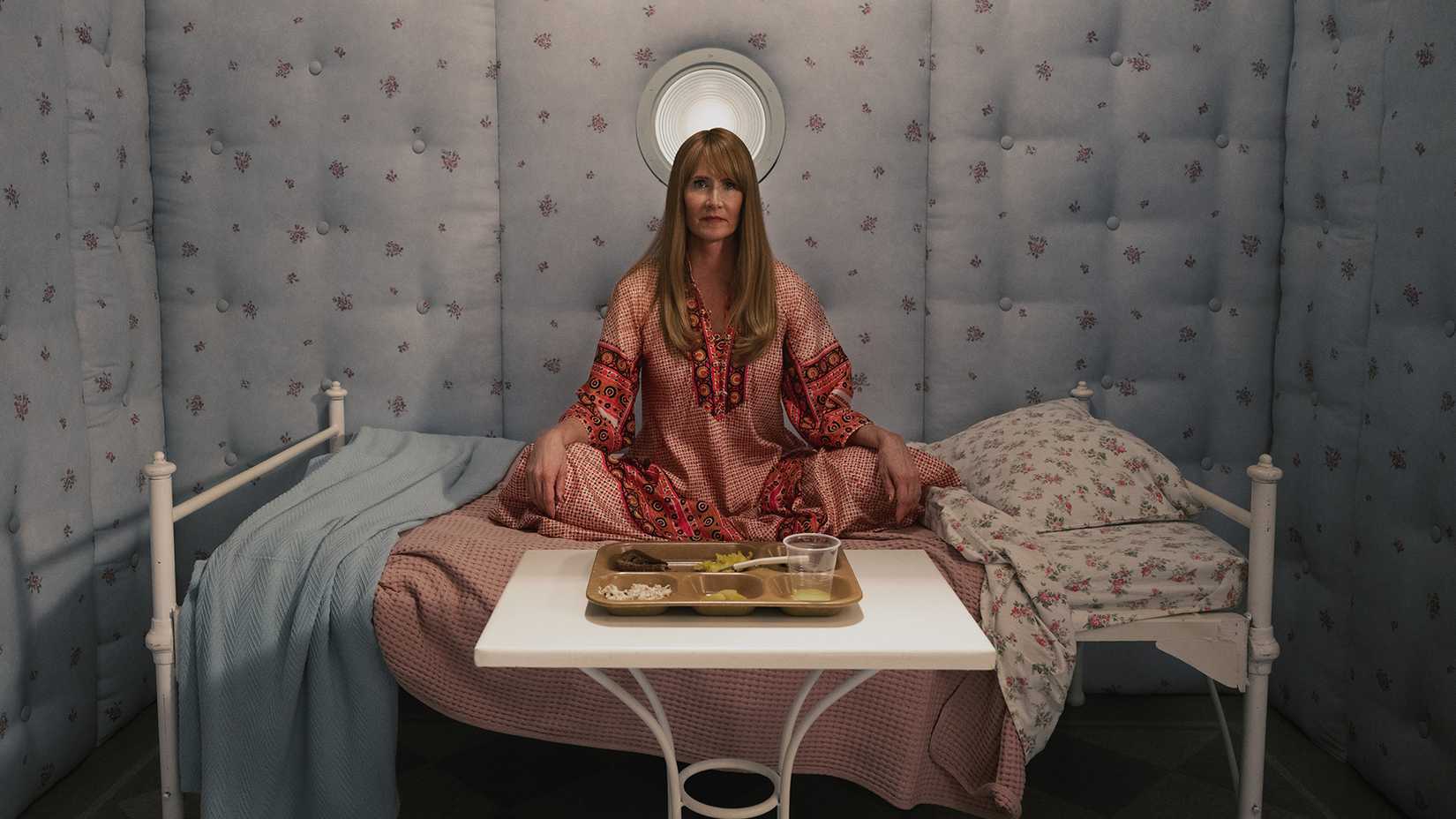
A masterclass in period production and high-fashion aesthetics, Palm Royale was an awards-season darling, garnering significant Emmy attention. Yet, despite its prestige status, the series failed to penetrate the mainstream consciousness as deeply as Apple might have hoped. Its pivot to Switzerland in the second season, while narratively ambitious, likely strained the production budget to a point where the cost-to-viewer ratio no longer made financial sense for the streamer.
4. PONIES (Peacock)
Peacock’s PONIES serves as a cautionary tale for genre-blending. Holding an impressive 94% approval rating on Rotten Tomatoes, the show was praised for its clever subversion of spy thriller tropes. Yet, critical acclaim could not save it from the reality of an oversaturated market. PONIES struggled to differentiate itself sufficiently, and despite its high quality, it failed to build the necessary "watercooler" momentum required to justify a sophomore season.
5. Watson (CBS)
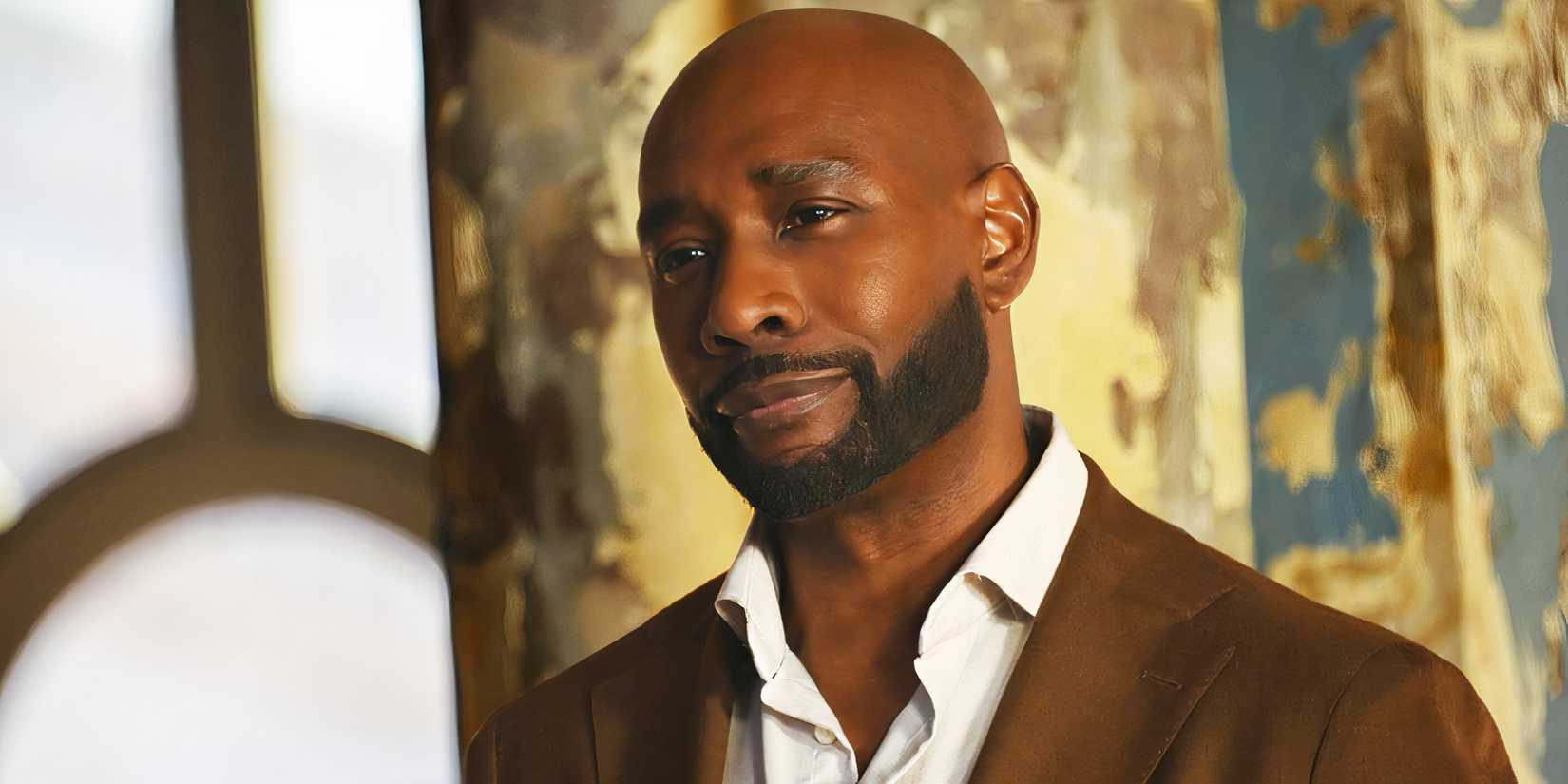
Starring Morris Chestnut as the iconic Dr. John Watson, this medical-mystery procedural attempted to breathe new life into the Sherlock Holmes mythos by focusing on life after the great detective’s death. While it survived for two seasons, the show was ultimately hampered by inconsistent critical reception and stagnant viewership. Its cancellation marks a rare moment where a network decision felt aligned with the show’s actual performance, even if the premise itself remained full of untapped potential.
Supporting Data: The Metrics Behind the Madness
Why are these shows being canceled at such a high frequency? The answer lies in the evolving metrics of the "Streaming Wars."
- Subscriber Acquisition vs. Retention: In the early days of streaming, platforms prioritized raw subscriber growth. Today, the focus has shifted entirely to retention and reducing "churn." Shows that do not consistently keep subscribers logged into the platform are viewed as liabilities.
- The Cost-Per-Viewer Metric: High-budget shows like Palm Royale require a massive, consistent audience to justify their production costs. If a show costs $10 million per episode but only attracts a niche audience, it is viewed as a financial failure regardless of its critical awards.
- The "Discovery" Problem: With thousands of titles available, discoverability is the biggest hurdle. Shows like PONIES or The Boroughs may be excellent, but if the algorithm fails to push them to the right audience, they die in the "long tail" of the library.
Official Responses and Industry Sentiment
While most streamers remain tight-lipped, issuing standard statements about "thanking the cast and crew," the sentiment among creators is palpable. Industry insiders suggest that the "peak TV" era is definitively over.
Many showrunners are now opting for "limited series" structures from the outset, knowing that the likelihood of a multi-season run is lower than ever. The cancellation of The Boroughs sparked a particular outcry, with many in the creative community questioning whether it is even possible to build a long-term franchise under the current corporate regime.
"We are moving toward a ‘hit or miss’ culture," says industry analyst Sarah Jenkins. "Networks are no longer interested in nurturing a show into a hit. They want a hit out of the gate, or they want the budget back."
Implications: The Long-Term Impact on TV Culture
The implications of this trend are profound for both creators and audiences:
- Risk Aversion: Creators will likely shy away from complex, slow-burn narratives, opting instead for high-octane, cliffhanger-heavy scripts designed to keep viewers clicking "next" immediately.
- The End of the "Cult Classic": Many of our favorite shows, from The Office to Breaking Bad, were not massive hits in their first seasons. They were given time to grow. Today, a show like The Office would likely be canceled after six episodes, robbing audiences of the chance to see a masterpiece evolve.
- Fragmented Storytelling: As franchises like The Boys or Sherlock Holmes are pruned, the shared-universe model becomes more fragile. If spin-offs are canceled before they can establish their own identity, the "universe" becomes a series of disjointed, incomplete narratives.
Conclusion: What the Future Holds
As we look toward the remainder of 2026, the industry is at a crossroads. The current model of rapid-fire cancellation may maximize quarterly profits, but it risks eroding consumer trust. When audiences feel that their time investment is not being respected—that a show will be abandoned regardless of its quality—they become less likely to start new series.
For the viewer, the takeaway is clear: watch the shows you love immediately, but perhaps temper your expectations for long-term renewals. The "Streaming Graveyard" is growing, and until platforms find a better balance between data-driven profitability and the art of storytelling, we can expect many more promising tales to meet an premature end.
The challenge for the industry in the latter half of 2026 will be to prove that they still value the stories they tell, rather than just the data points they generate. Until then, the screen remains a volatile place for the ambitious.










