Azzam Bilal Chamdy
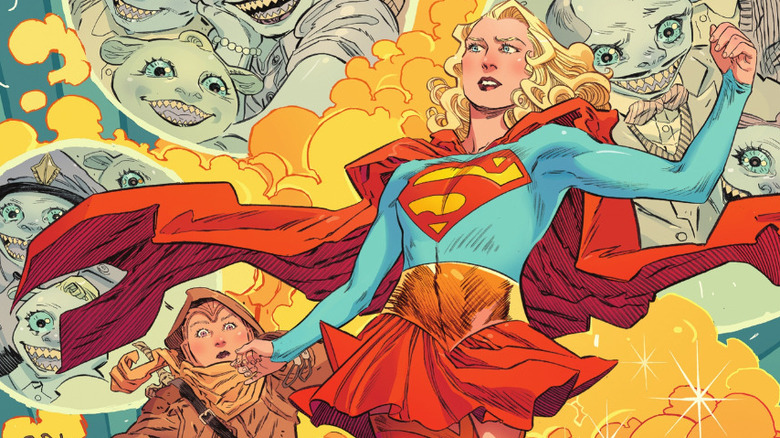
The release of Supergirl, the latest installment in the expanding DC Universe, marks a pivotal moment for the studio. By adapting Tom King and Bilquis Evely’s celebrated 2021 miniseries Supergirl: Woman of Tomorrow, director Craig Gillespie and screenwriter Ana Nogueira have embarked on a daring mission: translating one of the most critically acclaimed comic book arcs of the modern era into a cohesive, cinematic experience.
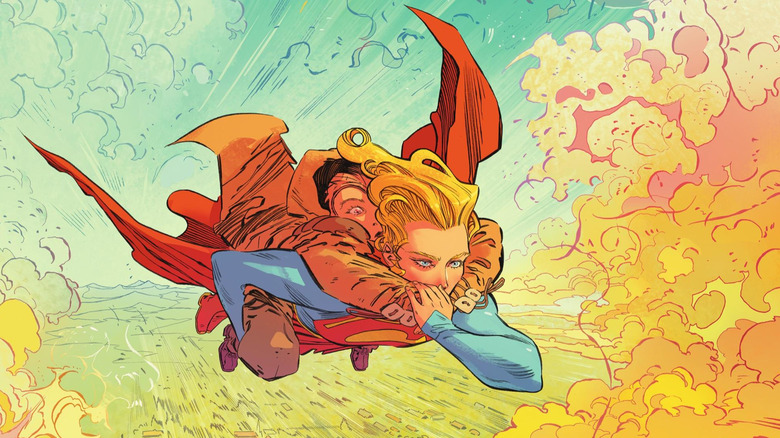
However, as is often the case with high-profile adaptations, the leap from the page to the silver screen has necessitated significant structural, tonal, and narrative deviations. While the core premise remains—a space-faring odyssey featuring Kara Zor-El, her faithful companion Krypto, and a vengeful young girl named Ruthye Marye Knoll—the film serves as more of a reimagining than a literal translation.
The Core Narrative: A Cosmic Western
At its heart, the Woman of Tomorrow narrative is a space-bound homage to the classic Western trope found in True Grit. The story follows Kara (played by Milly Alcock) as she attempts to navigate a galaxy that has yet to offer her a place to call home. Her journey is interrupted by Ruthye (Eve Ridley), a young girl seeking to avenge her father’s murder at the hands of the ruthless Krem of the Yellow Hills (Matthias Schoenaerts).

In both versions, the stakes are high, but the motivations vary. While the comic serves as a meditative, episodic journey through the cosmos, the film streamlines these elements to fit the pacing of a blockbuster, incorporating cameos—such as an appearance by Jason Momoa’s intergalactic bounty hunter, Lobo—to help anchor the film within the broader DC Universe.
Chronology and Structural Shifts
The film’s structure represents a departure from the eight-issue limited series. In the source material, the story unfolds with a deliberate, slow-burn pace, focusing on the atmospheric growth of the characters across distinct, often surreal, planetary landscapes. The film, conversely, functions as a character study designed to contrast Kara with her cousin, Clark Kent (David Corenswet).
Establishing the "Anti-Superman"
One of the most profound changes is the characterization of Kara herself. In the comics, Supergirl is portrayed as a seasoned, optimistic hero who guides Ruthye through the moral complexity of her vendetta. The film flips this dynamic. Here, Kara is cynical, maladjusted, and drifting—a "feminine Peter Quill" whose lack of roots on Earth defines her initial arc.

This change is intentional. By having Kara state, "He [Clark] sees the good in everyone; I see the truth," the film establishes a clear ideological divide between the two Kryptonians. Throughout the majority of the film, Kara is seen in a nondescript brown trench coat and a Blondie T-shirt, withholding her iconic costume until the narrative’s climax. This visual storytelling choice emphasizes her evolution from a reluctant, wandering survivor to a hero who finally accepts her role as Earth’s protector.
Supporting Data: Exclusions and Creative Choices
Translating an episodic comic book into a two-hour film requires ruthless editing. Several key elements from the original work were omitted to maintain the film’s narrative momentum.
The Omission of Maypole
Notably absent is the third issue of the miniseries, which takes place on the planet Corunn. In the comics, Kara and Ruthye encounter "Maypole," an idyllic suburbia that hides a horrifying secret: the inhabitants had commissioned Krem to commit genocide against a minority population. While thematically powerful, screenwriter Ana Nogueira noted that including this would have over-complicated the film’s central narrative. The decision to remove this subplot was made to keep the focus strictly on the hunt for Krem and the immediate emotional stakes of the protagonists.
The Absence of Comet
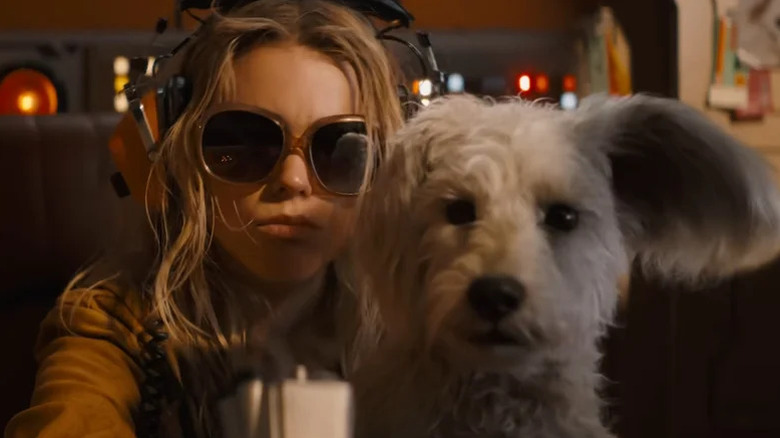
Fans of the comics may also be surprised by the absence of Comet, the super-powered horse. While Comet is a fan-favorite, Nogueira explained that the logistics of having both a super-dog and a super-horse would have been excessive. By focusing solely on the bond between Kara and Krypto, the film maintains a more grounded emotional core.
Official Responses: Director and Writer Perspectives
The creative team has been transparent about their desire to create a standalone vision rather than a panel-by-panel recreation. Director Craig Gillespie emphasized that while the comic was a foundational inspiration, he purposefully avoided over-relying on it to ensure the film felt like a unique cinematic entry.
"I didn’t want to just do the comic book," Gillespie stated in recent interviews. His goal was to prioritize the film’s internal logic, particularly regarding the aesthetic presentation. While the comic is known for its lush, imaginative, and ethereal art style, the film leans into a grittier, industrial aesthetic—more akin to Guardians of the Galaxy or Star Wars—to ground the fantastical elements of the story.
Implications: The New DC Universe
The final act of Supergirl deviates sharply from the source material, signaling the studio’s commitment to forging a distinct path for its new shared universe.
A Different Resolution
In the comic, the "antidote" for Krypto is revealed to be a ruse; Kara uses the claim to guide Ruthye away from the path of murder. The ending is a contemplative look at justice, concluding with an epilogue 300 years in the future.
The film opts for a more traditional, albeit darker, resolution. The threat to Krypto is genuine, creating a ticking-clock tension that forces Kara to confront her own demons. In a stark departure from the comic’s resolution, where Kara and Ruthye both walk away from the path of vengeance, the film has Kara execute Krem herself. By doing so, Kara takes on the moral burden, ensuring that Ruthye does not lose her innocence, while simultaneously resolving the threat in a way that feels definitive for a cinematic audience.
The "Mad Max" Influence
The reimagining of the villain, Krem, is perhaps the most significant tonal shift. No longer a cowardly, unremarkable opportunist, the film’s version of Krem is a hardened warlord leading a band of space Vikings. Nogueira openly acknowledged the influence of Mad Max: Fury Road, particularly regarding the inclusion of enslaved women. While some critics argue the film is hesitant to fully explore the grim realities of the trafficking plotline it introduces, it undeniably elevates the threat level of the antagonist, transforming the story from a personal chase into a battle for liberation.
Conclusion: A Bold New Direction
The Supergirl movie is a fascinating case study in adaptation. By shifting the focus from the episodic, dreamlike quality of the comic to a character-driven, action-oriented arc, the filmmakers have successfully introduced a version of Kara Zor-El that feels distinct from the existing legacy of the character.
While purists may lament the loss of specific chapters or the shift in aesthetic, these changes are largely geared toward the requirements of a cinematic medium. The film establishes a clear, transformative arc for Kara, setting the stage for her to become a central pillar in the new DC Universe. Ultimately, Supergirl succeeds not because it is a perfect copy of its source material, but because it captures the spirit of the Woman of Tomorrow while fearlessly charting its own course through the stars.


 Lina Hope
 Pevita Pearce