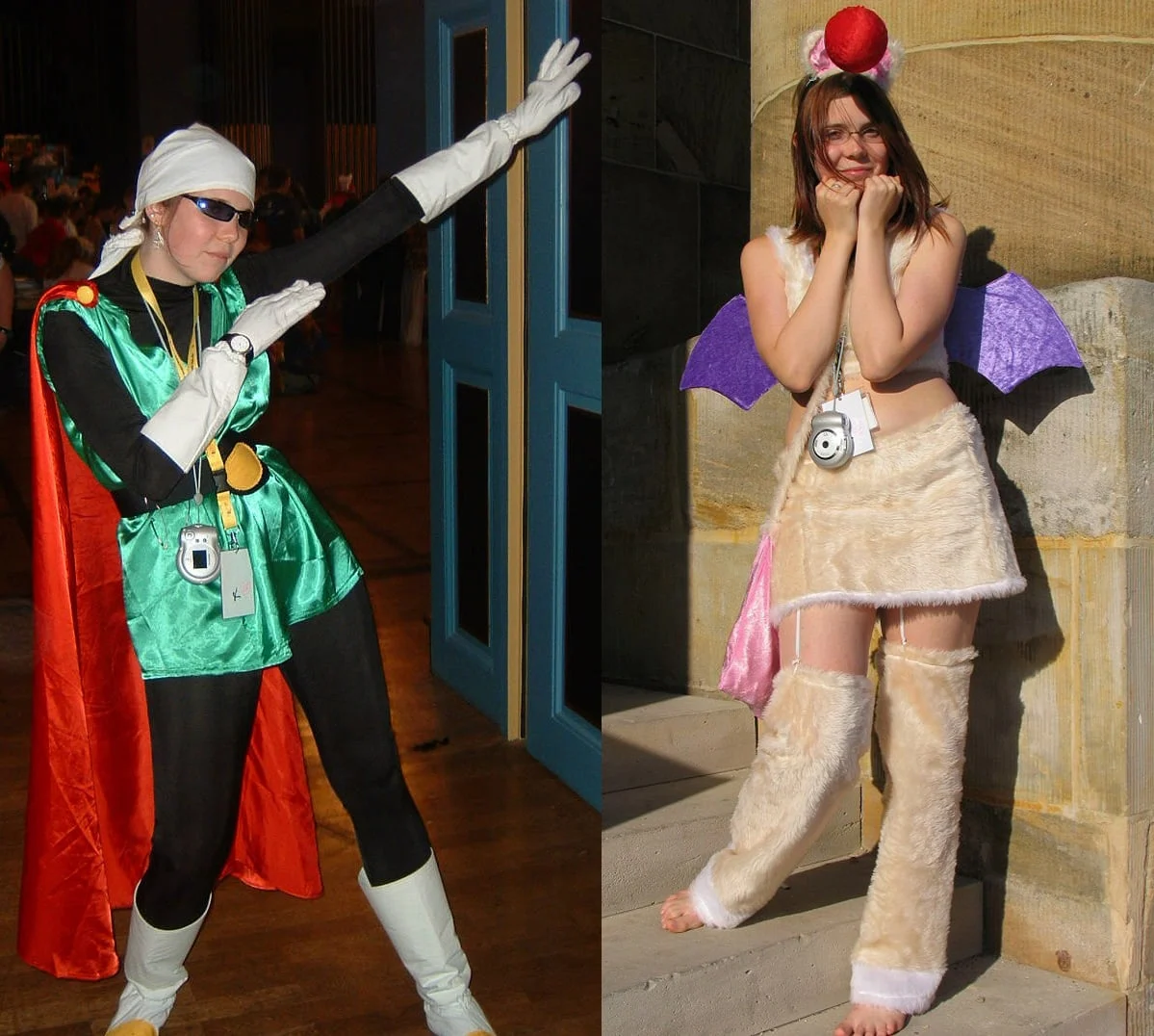
For the past two decades, the world of cosplay has undergone a radical transformation. What began as a niche subculture defined by humble materials—paper-mâché, expanding foam, and bargain-bin fabrics—has evolved into a sophisticated discipline that frequently intersects with cutting-edge engineering. As professional cosplayers like the renowned duo behind Kamui Cosplay continue to push the boundaries of craftsmanship, a pressing question has emerged within the community: Has the barrier to entry become insurmountable for the average hobbyist?
Main Facts: The Digital Shift in Craftsmanship
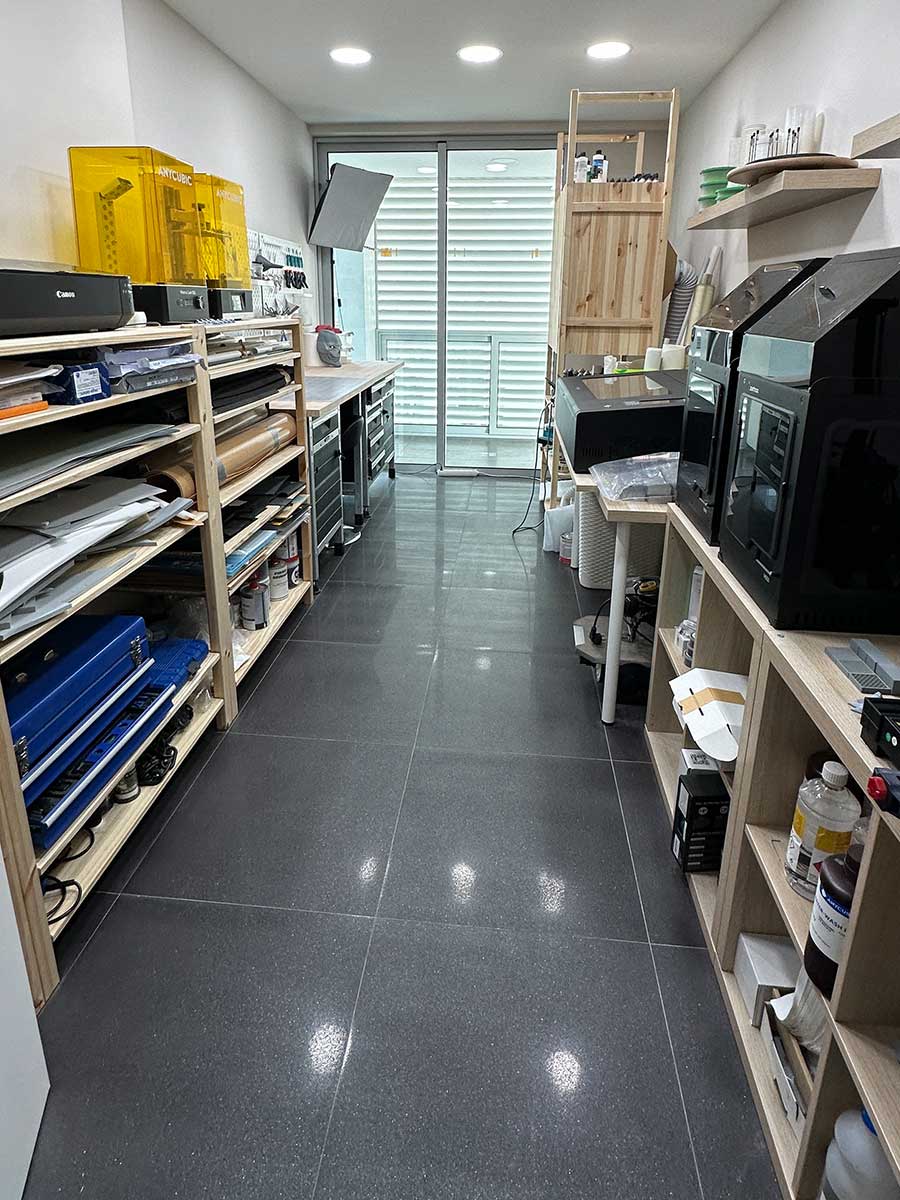
The modern cosplay workshop bears little resemblance to the sewing corners of the early 2000s. Today, the integration of 3D printing (FDM and resin) and industrial-grade laser cutting has fundamentally altered the production pipeline.

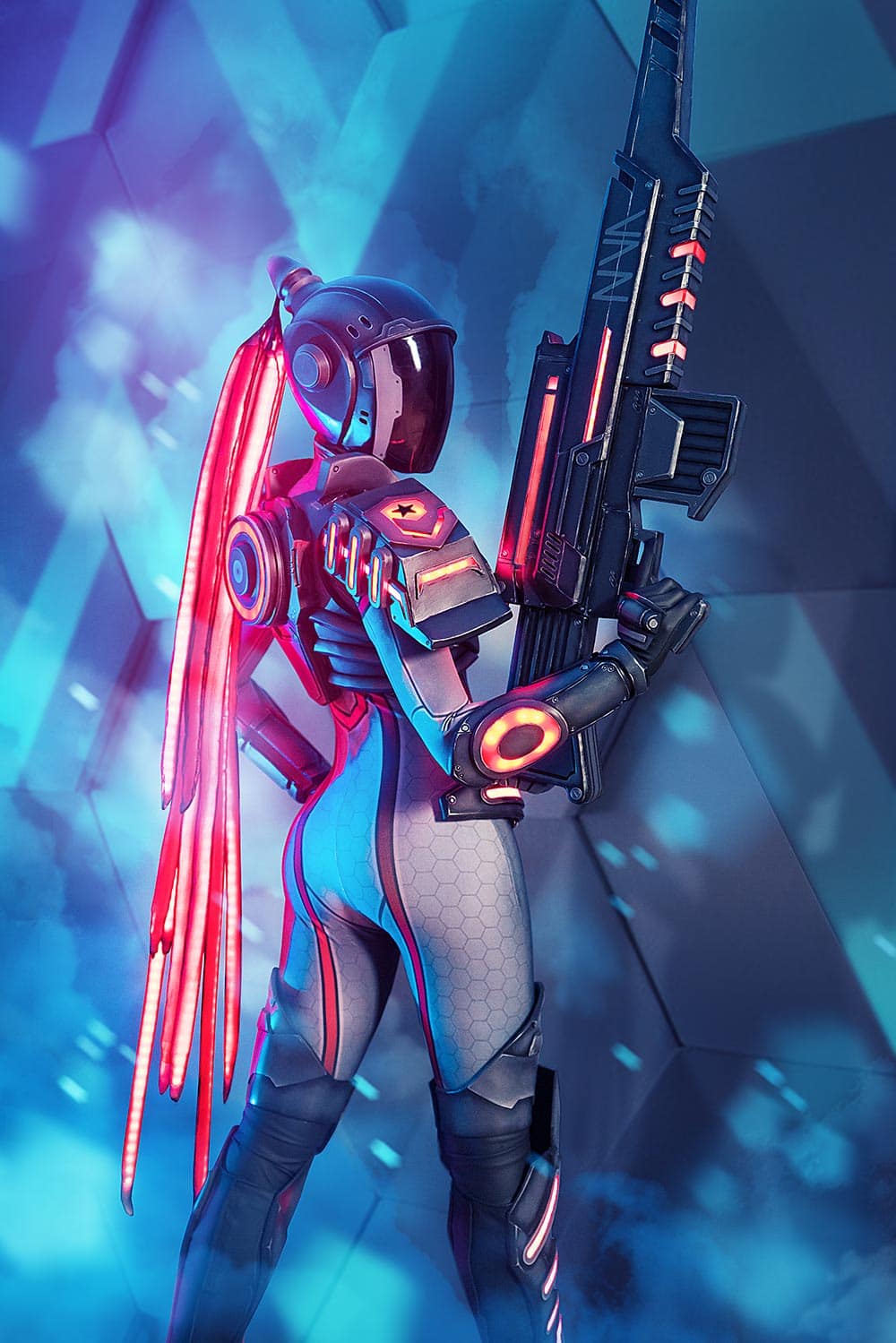
For professionals, these tools are not mere luxuries; they are essential for managing the high-fidelity demands of modern character designs. Characters from popular media, such as Genshin Impact or the Horizon series, often feature intricate, hard-surface armor and complex geometry that would require hundreds of hours to replicate by hand. By utilizing 3D modeling software like Blender and high-speed laser cutters, creators can condense weeks of labor into days of precision-engineered production. However, this shift has fostered a perception that without a five-figure workshop, one cannot compete in the modern cosplay landscape.
A Chronology of Craft: From Paper-Mâché to 3D Printing
To understand the current state of the hobby, one must look at the historical trajectory of its materials.

- 2003–2008 (The Analog Era): Early pioneers relied on household items. The primary tools were hot glue guns, box cutters, and second-hand sewing machines. Materials were often sourced from hardware stores (expanding foam) or thrift shops.
- 2009–2014 (The Thermoplastic Revolution): The introduction of materials like Wonderflex and later, Worbla, revolutionized armor building. These heat-activated thermoplastics allowed for smoother curves and more durable builds, signaling a professional shift in costume longevity.
- 2015–2020 (The Digital Integration): This period marked the democratization of 3D printing. As machines became more affordable, they transitioned from industry R&D labs to home workshops, allowing for unprecedented detail in props and accessories.
- 2021–Present (The Efficiency Era): The current landscape is defined by "workflow optimization." Laser cutters and high-speed FDM printers have become standard for those who aim for professional-grade accuracy in tight timeframes.
Supporting Data: The Economics of the Hobby
While the technological ceiling has risen, the entry-level floor remains surprisingly low. Critics argue that cosplay is becoming a "pay-to-win" endeavor, citing the high cost of premium fabrics and electronic components. Yet, data suggests that the hobby is more accessible than ever due to the following factors:
- Affordability of Tech: A functional 3D printer can now be acquired for approximately $200—the historical price of a mid-range sewing machine.
- Market Availability: The rise of specialized cosplay retail platforms (e.g., DokiDoki) has made high-quality, ready-to-wear costumes accessible to those who may not yet possess the skills to sew from scratch.
- Educational Abundance: Twenty years ago, techniques were guarded secrets or passed down via word-of-mouth. Today, a wealth of free tutorials, open-source 3D files, and community forums allows beginners to bypass years of trial and error.
Official Perspectives: The Philosophy of the Craft
Professional artists argue that tools are merely extensions of the creator, not substitutes for talent. A common sentiment shared by industry leaders is that a "good chef does not need a professional kitchen to make a delicious meal."
"Owning a 3D printer does not make you a master crafter," notes one industry veteran. "It requires hundreds of hours of learning 3D sculpting, print management, and post-processing. A machine does not press a button and output a finished costume; it requires the same patience and persistence that hand-sewing or foam-smithing requires."
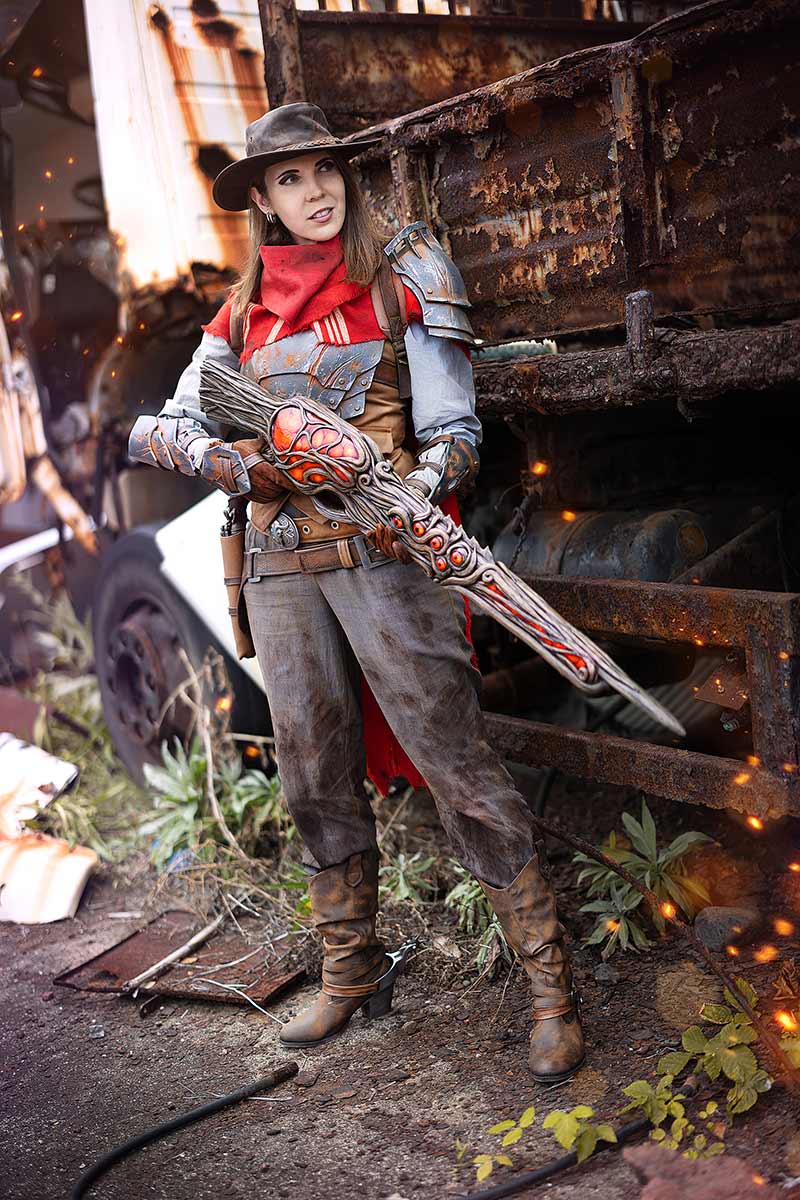
The philosophy holds that true craftsmanship is defined by the artist’s vision, not their inventory. In regions with significant economic constraints, such as Cuba, cosplayers have demonstrated that innovation thrives under necessity, utilizing recycled materials to create award-winning armor that rivals high-budget builds.
Implications for the Future of Cosplay
The perceived "inaccessibility" of the hobby is often a psychological barrier rather than a physical one. When beginners compare their day-one projects to the polished, decade-refined work of established creators on social media, they fall into the trap of "comparison fatigue."
The "All-or-Nothing" Fallacy
There is a prevailing myth that one must build every element of a costume from scratch. However, the most sustainable approach to the hobby is iterative. Beginners are encouraged to:
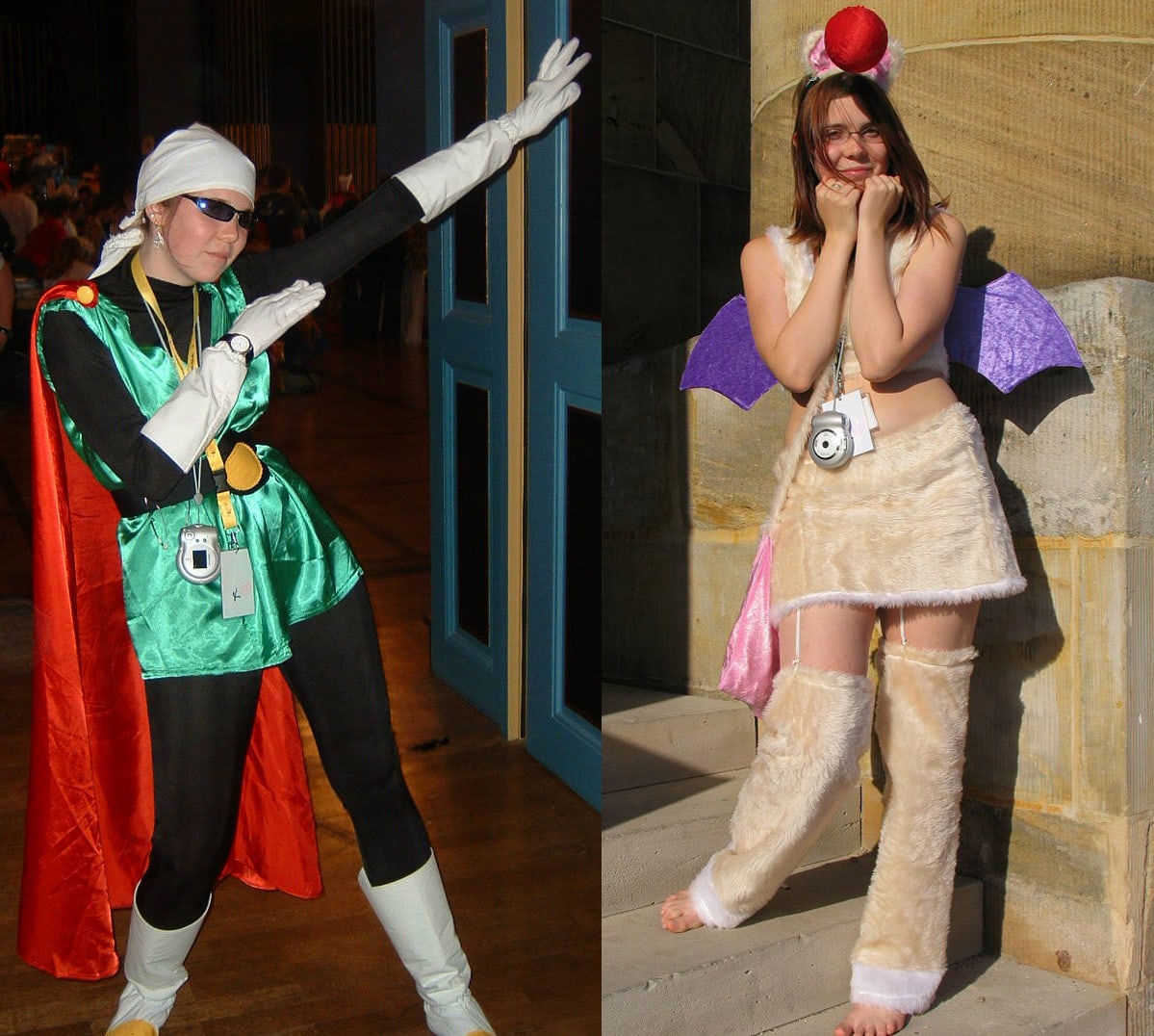
- Repurpose: Alter existing clothing for "casual" versions of characters.
- Hybridize: Combine store-bought base garments with custom-made accessories, such as 3D-printed pauldrons or EVA foam bracers.
- Scale: Invest in tools incrementally. A sewing machine, a heat gun, and a standard craft knife remain the "holy trinity" for any newcomer.
The Role of Community and Growth
The long-term health of the cosplay community relies on the normalization of the "beginner stage." By showcasing early, imperfect works alongside professional projects, the community can dismantle the intimidating facade of perfection.
Furthermore, the rise of professional-grade tools has actually lowered the cost of certain components. Laser-cut patterns and 3D-printed parts can now be outsourced to local makerspaces or online printing services, allowing individuals to benefit from high-tech production without the capital investment of owning the hardware.
Conclusion: A Hobby Defined by Passion
Ultimately, cosplay remains an inherently accessible hobby. The evolution of materials and tools has provided more paths to creativity, not fewer. While the presence of laser cutters and 3D printers may change the aesthetic outcome of a project, they do not invalidate the effort of those working with cardboard and glue.
The barrier to entry is not found in the price of a machine, but in the willingness to start. As with any artistic endeavor, the journey is one of gradual improvement. Whether you are cutting foam scales by hand or running a print farm, the core of the hobby remains unchanged: it is a celebration of fandom, a test of patience, and a labor of love. The tools will continue to evolve, but the spirit of the maker is the only constant that truly matters.
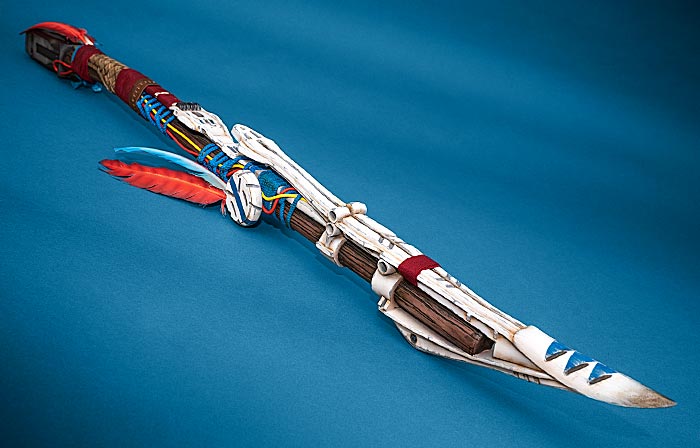
The next time you feel discouraged by a professional’s workshop, remember that every master was once a beginner struggling with safety pins and second-hand fabric. The tools you have today are more than enough to begin your own story.