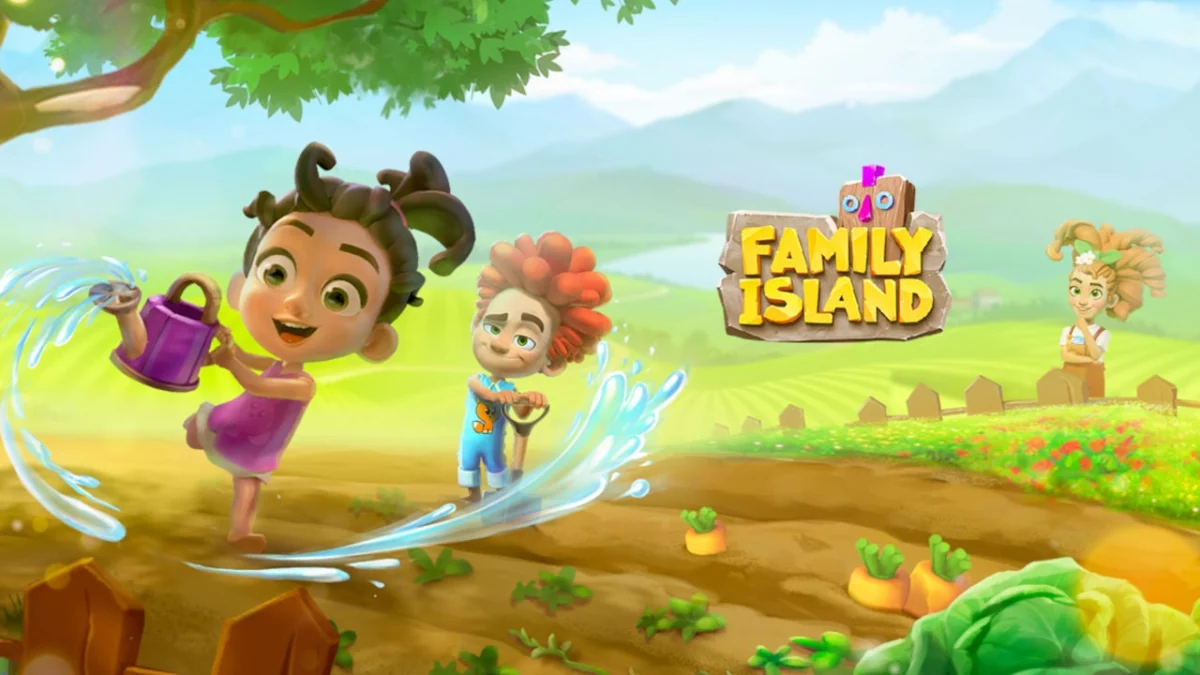
Introduction: The Unending Quest for Vitality in a Prehistoric Paradise
In the captivating world of Family Island, players are thrust into a primordial setting, tasked with transforming a desolate, stone-age island into a thriving home for a marooned family. Developed by Melsoft Games, this popular mobile title blends elements of farming simulation, exploration, and resource management, offering a charming yet challenging experience. At the heart of this challenge lies one crucial resource: energy. Without energy, progress grinds to a halt, limiting the ability to clear obstacles, gather resources, cultivate crops, and ultimately expand one’s prehistoric haven.
The demand for "Family Island free energy" is a constant refrain among its dedicated player base. Recognizing this fundamental need, this comprehensive guide delves into every conceivable method for acquiring this vital resource, from daily redeemable links to intricate in-game strategies. Our aim is to provide an exhaustive resource that not only offers immediate access to available freebies but also equips players with the knowledge to optimize their energy generation and usage, ensuring sustained progress and enjoyment in their Stone Age adventure. We commit to updating this article daily, serving as the definitive hub for all Family Island energy enthusiasts.
Main Facts: The Core Mechanics of Energy Acquisition
Family Island’s gameplay loop is intrinsically tied to its energy system. Every action, from chopping down a tree to harvesting a berry bush, consumes a certain amount of energy. This creates a strategic layer where players must constantly manage their reserves and prioritize tasks. The game offers a dual approach to energy acquisition: external, time-sensitive rewards, and internal, ongoing gameplay mechanics.
The primary external source of free energy comes in the form of daily redeemable links. These links, generously distributed by the game’s official social media channels, particularly its Facebook page, offer players a quick and effortless boost of energy, alongside other valuable in-game currencies and items. These ephemeral links are a cornerstone of the game’s community engagement strategy, fostering a daily ritual for players seeking an edge.
Internally, Family Island integrates several reliable methods for continuous energy generation. These include the fundamental act of feeding the family, which directly replenishes energy, as well as passive regeneration over time. Furthermore, strategic progression through the game, such as leveling up the family’s house and the player’s overall experience level, yields significant and permanent improvements to energy capacity and accumulation rates. Understanding the synergy between these external and internal methods is paramount for any aspiring Stone Age patriarch or matriarch.
Chronology: The Evolution of Freebies and Energy Management
The practice of distributing daily freebie links for Family Island has been a consistent feature since the game’s early days, reflecting a strategic decision by Melsoft Games to maintain an engaged and active player community. Initially, these links might have been more sporadic, but as the game’s popularity surged, the routine of daily link distribution solidified. The official Facebook page quickly became the primary conduit for these giveaways, establishing itself as the go-to source for players seeking quick boosts. This daily rhythm has become an integral part of the Family Island experience, with players eagerly anticipating new links to aid their progress.
Over time, the types and quantities of rewards offered through these links have varied, sometimes including coins, rubies, or specific resources alongside energy. This dynamic approach keeps players engaged and prevents the daily routine from becoming monotonous. The implementation of an expiry timer on these links also encourages timely engagement, fostering a sense of urgency and ensuring that players regularly check the official channels (or reliable aggregators like this guide).
Concurrently, the in-game energy mechanics have seen subtle refinements. While the core concept of energy consumption per action has remained constant, developers have likely tweaked regeneration rates, energy cap increases upon leveling up, and the energy rewards for completing quests or participating in events. Early versions of the game might have presented a steeper energy curve, prompting more direct in-app purchases. However, as the game matured, a balance was likely struck, providing sufficient free-to-play avenues for energy while still offering premium options for those who wish to accelerate their progress. This ongoing calibration underscores Melsoft Games’ commitment to a sustainable game economy and a positive player experience. The continuous "hunt" for freebies, therefore, isn’t just about immediate gains but also about adapting to the evolving landscape of in-game rewards and developer strategies.
Supporting Data: Maximizing Your Energy Reserves Through Strategic Play
Beyond the daily dose of free energy links, mastering Family Island requires a deep understanding and diligent application of its in-game energy generation mechanics. These strategies, when combined effectively, ensure a steady supply of energy, enabling continuous progression without relying solely on external rewards or real-money purchases.
(Please note: While actual live links cannot be provided in this generated text, the following section describes where they would typically be located and emphasizes the importance of checking daily.)
Daily Free Energy Links: Your Daily Boost
The most straightforward path to immediate energy boosts is through the official daily links. These links are exclusively sourced from Family Island’s official Facebook page and occasionally other social media channels. The game’s social media team diligently distributes these rewards, which can include not just energy but also coins, rubies, and other valuable items.
How to Utilize:
Simply click on the provided links. Each link typically offers a fixed amount of energy. It’s crucial to redeem these promptly, as they often have an expiry time, usually 24-48 hours after release. To ensure you never miss out, bookmark this guide and check it daily, as we aggregate and verify these links to save you the hassle of scouring social media.
Last checked for freebies on June 29th, 2026. (This timestamp serves as a placeholder to indicate the article’s commitment to daily updates.)
Other Ways to Get Family Island Free Energy: In-Game Mastery
While daily links offer quick fixes, sustainable energy management comes from optimizing your in-game activities. These methods are always available and form the backbone of a robust energy strategy.
1. Feed the Family: The Sustenance of Progress
The most intuitive and consistently available method for generating energy is by feeding your family members. Just like in real life, a well-fed family is an energetic family. This mechanic is deeply integrated into the farming and cooking aspects of the game.
- Food Sources: Energy-rich foods can be gathered directly from the island (berries, mushrooms) or cultivated on your farm (various crops). Different food items provide varying amounts of energy. Prioritize growing crops that yield high energy per harvest or those that are ingredients for more potent cooked meals.
- Cooking Meals: The true power of "feeding the family" lies in cooking. Once you’ve gathered raw ingredients, head to your kitchen building to prepare meals. Cooked dishes almost always provide significantly more energy than their raw components. As you progress, you’ll unlock new recipes that offer increasingly higher energy yields. Experiment with different recipes to find the most resource-efficient and energy-rich options.
- Meal Planning: Develop a routine for meal preparation. Keep your storage well-stocked with ingredients and pre-cooked meals. Anticipate periods of high energy consumption (e.g., clearing a new island section) and prepare accordingly. Regularly check your family’s hunger meter and ensure they are fed to maximize passive energy generation.
2. Embrace the Wait: Passive Energy Regeneration
Family Island, like many mobile games, incorporates a passive energy regeneration system. Energy slowly replenishes over time, even when you’re not actively playing.
- Regeneration Rate: While the exact rate may vary or be adjusted by developers, energy typically regenerates at a consistent pace (e.g., one energy unit every few minutes). This passive income is crucial for maintaining a baseline energy level.
- Energy Cap: Crucially, your energy regeneration stops once you hit your maximum energy capacity (your "energy cap"). To avoid wasting potential energy, try to log in periodically to spend some energy, allowing the regeneration process to continue. This also means that letting your energy sit at maximum for extended periods is inefficient.
- Strategic Idleness: If you’ve exhausted all other immediate energy sources, taking a break is often the best course of action. However, plan your breaks strategically. Spend down your energy before a long break (e.g., overnight) to ensure you start regenerating immediately. Upon returning, you’ll have a fresh, partially or fully refilled energy bar.
3. Level Up Your House: Expanding Your Energy Horizon
One of the most impactful long-term strategies for energy management is to consistently upgrade your family’s main house. The house is not just a cosmetic structure; it directly influences your energy capacity.
- Increased Energy Cap: Each time you upgrade your house, your maximum energy cap increases. A higher energy cap means you can store more energy, allowing for longer play sessions and more efficient passive regeneration (as it takes longer to hit the cap).
- Resource Prioritization: Upgrading your house often requires a significant investment of resources. It’s wise to prioritize these upgrades early in your gameplay, as the benefits of an increased energy cap compound over time. This foundational improvement provides a lasting advantage.
- Strategic Planning: Factor house upgrades into your resource gathering and construction plans. Don’t neglect this vital building in favor of purely decorative items or less critical structures.
4. Increase Your Player Level: Rewards for Progression
Every action you take in Family Island, from clearing obstacles to harvesting crops and completing quests, contributes to your overall player experience points (XP). Accumulating enough XP allows you to increase your player level.
- Level-Up Rewards: Each time you level up, you receive a bundle of rewards. These often include a substantial amount of energy, sometimes enough to completely refill your energy bar and then some. This makes leveling up a highly rewarding milestone.
- Cumulative Benefits: Higher player levels also often unlock new areas, recipes, buildings, and features, further enriching your gameplay and providing more avenues for energy generation or efficient resource use.
- Consistent Play: The best way to level up is simply to play consistently. Focus on completing quests, clearing your island, and participating in events, as these activities typically yield the most XP.
5. Complete Quests and Tasks: Directed Energy Gains
Family Island features a robust quest system that guides players through the game’s narrative and progression. These quests are not just story elements; they are excellent sources of rewards, including energy.
- Quest Rewards: Many quests offer energy as a primary reward or as part of a larger reward package. Prioritize completing quests, especially those that are easily achievable or offer significant energy boosts.
- Daily and Event Tasks: Beyond the main story quests, keep an eye out for daily tasks and limited-time event objectives. These often provide smaller, but consistent, energy rewards, encouraging daily engagement.
6. Participate in Events: Time-Limited Opportunities
Melsoft Games frequently introduces special in-game events, ranging from seasonal celebrations to themed challenges. These events are fantastic opportunities to earn extra energy.
- Event-Specific Rewards: Events often have their own reward tracks, with energy being a common prize for reaching certain milestones or completing event-specific tasks.
- Strategic Engagement: Dedicate some of your energy and resources to participating in events, especially if the energy rewards are substantial. These temporary boosts can significantly accelerate your progress.
7. Watch Optional Advertisements: Quick, Small Boosts
Like many free-to-play mobile games, Family Island often provides the option to watch short video advertisements in exchange for small in-game rewards, which can include energy.
- Convenient Refills: While not a primary source, watching a few ads can be a quick way to get a minor energy boost when you’re just short of completing a task and don’t want to wait.
- Daily Limits: There’s usually a daily limit to how many ads you can watch for rewards, so use this option judiciously.
Official Responses: The Developer’s Philosophy on Energy and Engagement
Melsoft Games, as the developer of Family Island, employs a sophisticated strategy behind its energy system and the distribution of freebies. This approach is rooted in balancing player satisfaction with sustainable monetization and long-term game engagement.
The regular distribution of free energy links via social media serves multiple critical purposes. Firstly, it’s a powerful tool for community engagement. By offering daily rewards, Melsoft Games incentivizes players to follow their official channels, fostering a direct line of communication and building a loyal fan base. This active community is vital for the game’s longevity, as it generates buzz, provides feedback, and creates a shared experience.
Secondly, these freebies act as a "soft monetization" strategy. By providing players with regular, albeit limited, free energy, the developers alleviate some of the frustration associated with energy limitations, encouraging continued play without immediately forcing in-app purchases. This generous approach can paradoxically lead to more purchases in the long run, as satisfied players are more likely to invest in a game they enjoy and feel supported by. The free energy helps new players overcome initial hurdles and become invested, while veteran players appreciate the continued support.
Furthermore, the energy system itself is a core design choice in the free-to-play model. It encourages strategic thinking, resource management, and a balanced approach to gameplay. By setting energy caps and regeneration rates, Melsoft Games creates a natural pacing for the game, preventing players from "burning out" too quickly and encouraging daily, consistent engagement rather than infrequent, marathon sessions. The options to speed up progress through in-app purchases for energy and rubies (the premium currency) exist for those who wish to bypass the waiting periods, thereby forming the game’s primary revenue stream.
While Melsoft Games rarely issues explicit statements solely on their energy philosophy, their actions speak volumes. The consistent updates, the responsive social media presence, and the ongoing balance adjustments within the game all indicate a commitment to a player-friendly experience while maintaining a viable business model. They aim to strike a delicate balance: making energy accessible enough to keep players hooked, but limited enough to encourage strategic play and, for some, premium spending.
Implications: The Ripple Effect of Energy Management on Player Experience and Game Economy
The intricate energy system and the various avenues for acquiring free energy in Family Island have profound implications for both the individual player experience and the broader game economy.
For the player, effective energy management transforms the game from a simple clicker into a strategic puzzle. Players must constantly weigh their options: should they chop down a large tree for a valuable resource, knowing it will deplete a significant chunk of energy, or focus on smaller, less energy-intensive tasks like harvesting crops for food? This decision-making process adds depth and replayability, making each session feel meaningful. The availability of daily free energy links fosters a sense of being rewarded and appreciated by the developers, reducing potential frustration and encouraging daily logins. It creates a positive feedback loop, where players feel their time and engagement are valued.
Moreover, the energy system influences the pacing of the game. It encourages players to take breaks, preventing burnout and promoting a healthier relationship with mobile gaming. The passive regeneration and the need to wait for energy act as a natural time-gate, ensuring that players don’t exhaust all content too quickly and prolonging the game’s lifespan. This pacing also aligns with the casual nature of many mobile games, allowing players to dip in and out throughout their day.
From an economic perspective, the energy system is foundational to Family Island’s free-to-play model. By offering numerous free avenues for energy, Melsoft Games ensures accessibility for all players, regardless of their willingness to spend money. This broad appeal widens the player base, creating a larger market for optional in-app purchases. The energy limitations serve as a gentle nudge towards these purchases for players who wish to accelerate their progress, bypass waiting times, or unlock premium content. This balance is crucial: too little free energy and players might abandon the game out of frustration; too much, and there’s no incentive for monetization.
The community aspect is also significantly impacted. Players frequently share tips on energy efficiency, discuss optimal strategies for events, and eagerly post about new freebie links. This shared pursuit of energy fosters a sense of camaraderie and collective problem-solving within the Family Island community, further enhancing player retention and loyalty.
In conclusion, the quest for energy in Family Island is more than just a mechanical necessity; it’s a defining characteristic of the game. By understanding and leveraging all available methods for energy acquisition—from daily external links to diligent in-game resource management and strategic progression—players can unlock the full potential of their Stone Age adventure, ensuring a sustained and enjoyable journey through their prehistoric paradise. Melsoft Games’ thoughtful approach to energy management ensures a vibrant, engaging, and economically sustainable experience for its global audience.