

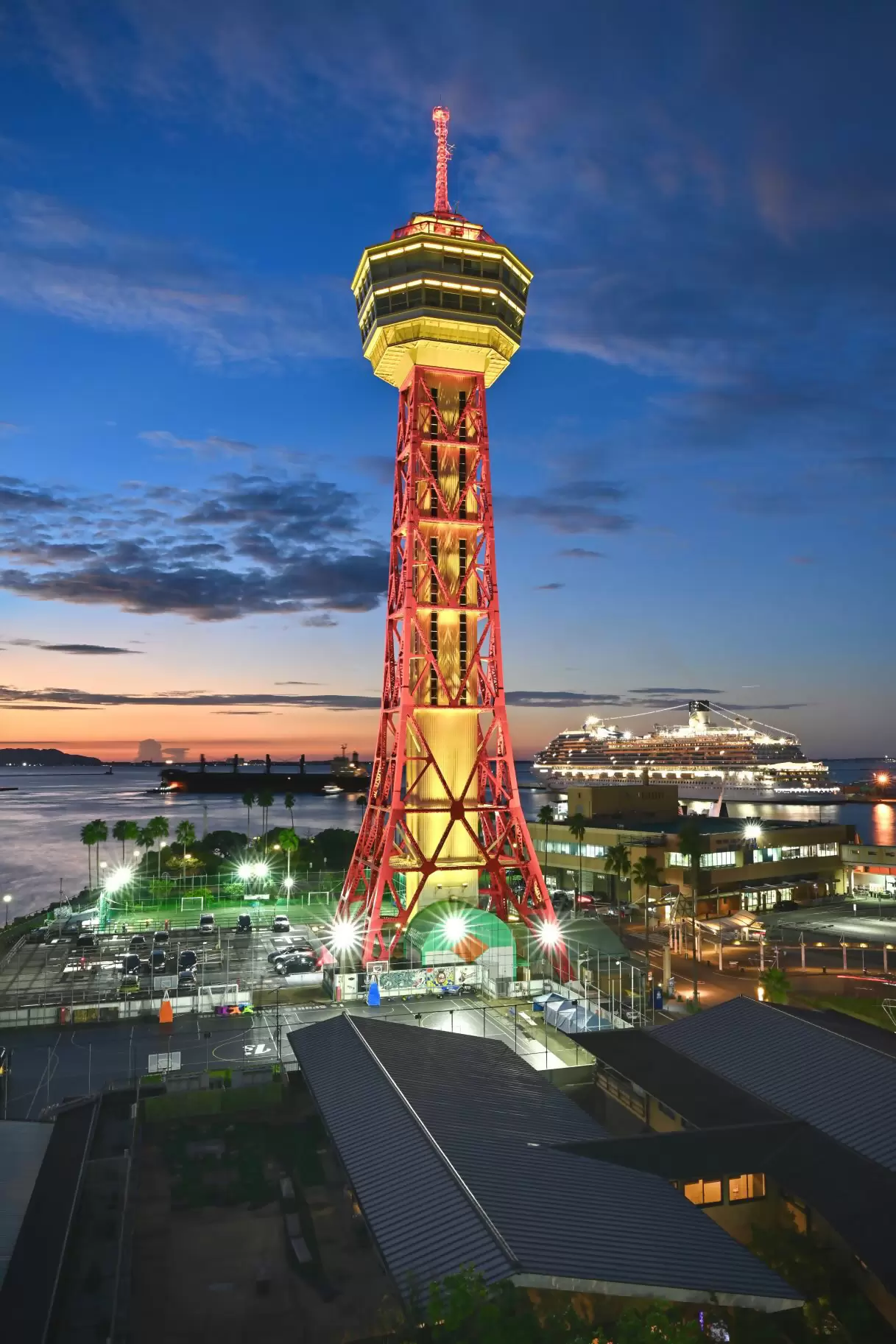
Fukuoka, the crown jewel of Kyushu’s culinary landscape, is a city that truly comes alive after the sun sets. While many Japanese cities retreat into quiet residential rhythms at night, Fukuoka pulses with an energy centered around its yatai—small, open-air food stalls that line the riverbanks. Among these, the Nakasu Yatai District stands as a legendary institution, a quintessential destination for food lovers that preserves the soul of traditional Japanese street food culture while embracing modern convenience.
The Essence of Nakasu: A Living Culinary Heritage
The yatai culture is more than just a place to eat; it is a social phenomenon. In an era where modern, climate-controlled dining dominates, these intimate, mobile wooden stalls offer a rare, unfiltered connection between the chef and the patron. Sitting shoulder-to-shoulder with locals and fellow travelers, one can watch as chefs expertly maneuver over charcoal grills and simmering pots of broth.
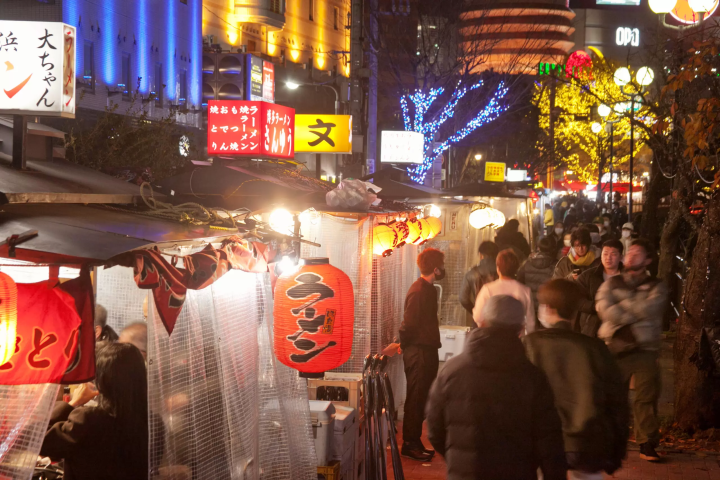
The Nakasu district, situated on an island between the Hakata and Naka Rivers, is arguably the most atmospheric of the city’s yatai zones. As the evening progresses, the warm glow of red paper lanterns reflects off the dark river water, creating a postcard-perfect scene that is as inviting as it is historic.
Chronology: From Post-War Necessity to Cultural Icon
The history of the yatai is intrinsically linked to the resilience of post-war Japan.
- 1945–1950s (The Emergence): Following the devastation of World War II, food stalls emerged across Japan as a vital means of economic survival. They provided affordable, quick meals for laborers and displaced citizens. While most cities eventually phased out these stalls in favor of brick-and-mortar establishments, Fukuoka preserved them as a deliberate part of its urban identity.
- 1960s–1990s (Institutionalization): As Fukuoka grew into a major metropolitan hub, the yatai were formally regulated. Local government efforts standardized hygiene practices and licensing, ensuring that the stalls remained safe, high-quality, and iconic.
- 2000s–2020s (Modernization): Recognizing their appeal to international tourists, the city of Fukuoka began implementing "neo-yatai" initiatives. These modern stalls have introduced cashless payment options, multilingual menus, and a broader culinary palette—including fusion cuisine—ensuring the tradition remains relevant in a digital, globalized world.
Supporting Data: Why Nakasu Leads the Gourmet Charts
Fukuoka consistently ranks as one of Japan’s top cities for food tourism, and the Nakasu district is a significant contributor to this status.
- Density and Variety: With over 100 stalls scattered throughout the city, the Nakasu/Tenjin axis represents the highest concentration of yatai in Japan.
- The "Hakata Ramen" Index: While the city is famous for its signature tonkotsu (pork bone) ramen, the stalls offer a diverse menu. Research indicates that the average yatai patron spends roughly 2,000 to 4,000 JPY per visit, making it a highly accessible luxury for international travelers.
- Economic Impact: Beyond the food, the yatai act as a gateway for tourism. Surveys conducted by the Fukuoka Convention & Visitors Bureau suggest that over 60% of international visitors to the city cite "local street food" as a primary motivation for their visit.
Spotlight: Recommended Stalls for the First-Time Visitor
To navigate the bustling Nakasu district, it is helpful to know where to begin. Here are four essential stops that capture the spectrum of the yatai experience:

1. Yatai Hidechan Ramen
A venerable institution, Hidechan is the gold standard for those seeking authentic Hakata Ramen. Their tonkotsu broth achieves a rare equilibrium: it is deeply rich in flavor, yet maintains a light finish that doesn’t feel heavy, even after a full evening of exploration. It is the definitive "finish" to a night out in Fukuoka.
2. Hakata Yatai Nakasu Juban
If you are looking for the quintessential "lively" atmosphere, look no further than Nakasu Juban. The sensory experience here is profound—the heady aroma of broth and the sizzle of meats on the grill create an immediate sense of belonging. It serves as an excellent introduction to the traditional yatai vibe.

3. KURO-chan
Specializing in charcoal-grilled local chicken, KURO-chan brings a touch of Miyazaki prefecture to Fukuoka. The owner utilizes fresh Itoshima chicken, delivered daily, and sears it over open flames to achieve a perfect, crispy exterior. The addition of yuzu pepper (yuzu-kosho) elevates the dish, proving that yatai food can be just as refined as restaurant fare.
4. Tsunatsuna (The "Neo-Yatai")
Representing the future of the industry, "Tsunatsuna" opened in 2023 with a mission to "connect people, food, and time." Their specialty is beef offal—both grilled and stewed—which provides a rich, savory depth. With a menu that includes teppanyaki and dumplings, it serves as a full-service dining option that appeals to the modern palate.
Official Stance and Regulations: The Future of the Stalls
The Fukuoka City Government maintains a rigorous stance on the preservation of yatai. Because the stalls occupy public land, they operate under strict municipal guidelines regarding operating hours, waste disposal, and safety.
Official reports from the city council emphasize that the yatai are not merely tourist attractions but protected cultural assets. Recent policy changes have focused on sustainability, encouraging owners to use eco-friendly materials and ensuring that the stalls can be easily moved or stored to maintain the cleanliness of the riverside parks. The government has also spearheaded efforts to train new yatai owners, ensuring that the skill set required to manage these unique, small-footprint kitchens is passed down to the next generation.

Implications: A Model for Sustainable Tourism
The Nakasu experience offers profound implications for urban planning and tourism. Fukuoka has successfully demonstrated that "heritage" and "modernization" are not mutually exclusive. By integrating digital payments and providing English-language resources, the city has ensured that the yatai are inclusive.
For the international traveler, Nakasu provides a unique vantage point into Japanese social dynamics. In a country often perceived as reserved, the yatai is a space where the barriers between strangers dissolve over a bowl of noodles and a glass of shochu.

Beyond the Stalls: Maximizing Your Fukuoka Itinerary
While the Nakasu food stalls are the heartbeat of the city, Fukuoka offers a wealth of surrounding activities. For those seeking a well-rounded trip, consider the following:
- Sports and Entertainment: Spend an afternoon at the MIZUHO PayPay Dome FUKUOKA. Even for those who aren’t baseball fans, the atmosphere is electric. Adjacent to the stadium, the BOSS E・ZO FUKUOKA complex offers state-of-the-art interactive art experiences and observation decks.
- Cultural Immersion: Fukuoka is home to a rich history of traditional performing arts. Check local listings for Noh or Kabuki performances at the city’s historic theaters.
- Art and Technology: For an immersive experience that challenges the senses, the teamLab exhibitions in the city are world-renowned, blending digital art with physical space in ways that mirror the city’s own blend of old and new.
Practical Information for the Visitor
To reach the Nakasu Yatai District, the most efficient route is the Fukuoka City Subway.

- Access: Disembark at Nakasu-Kawabata Station. The food stall area is a short, 3-to-5-minute walk from the station toward the Nakagawa River.
- Navigating from Kushida Shrine: If you are arriving from the Kushida Shrine area, take the subway to Tenjin-Minami Station on the Nanakuma Line, which is a pleasant 10-minute walk from the Nakasu district.
- Planning: While many stalls open as early as 6:00 PM, the district hits its peak between 8:00 PM and 11:00 PM. Weekends can be crowded, so arrive early if you have a specific stall in mind.
In conclusion, the Nakasu Yatai District is an essential component of the Japanese experience. It is a place where the city’s past and future collide, served on a plastic plate or in a ceramic bowl, under the watchful eyes of the river and the bright glow of the lanterns. Whether you are a solo traveler looking for conversation or a foodie searching for the perfect bowl of tonkotsu, Nakasu offers a seat at the table.












No comments yet. Be the first to join the conversation!