Nana
Nana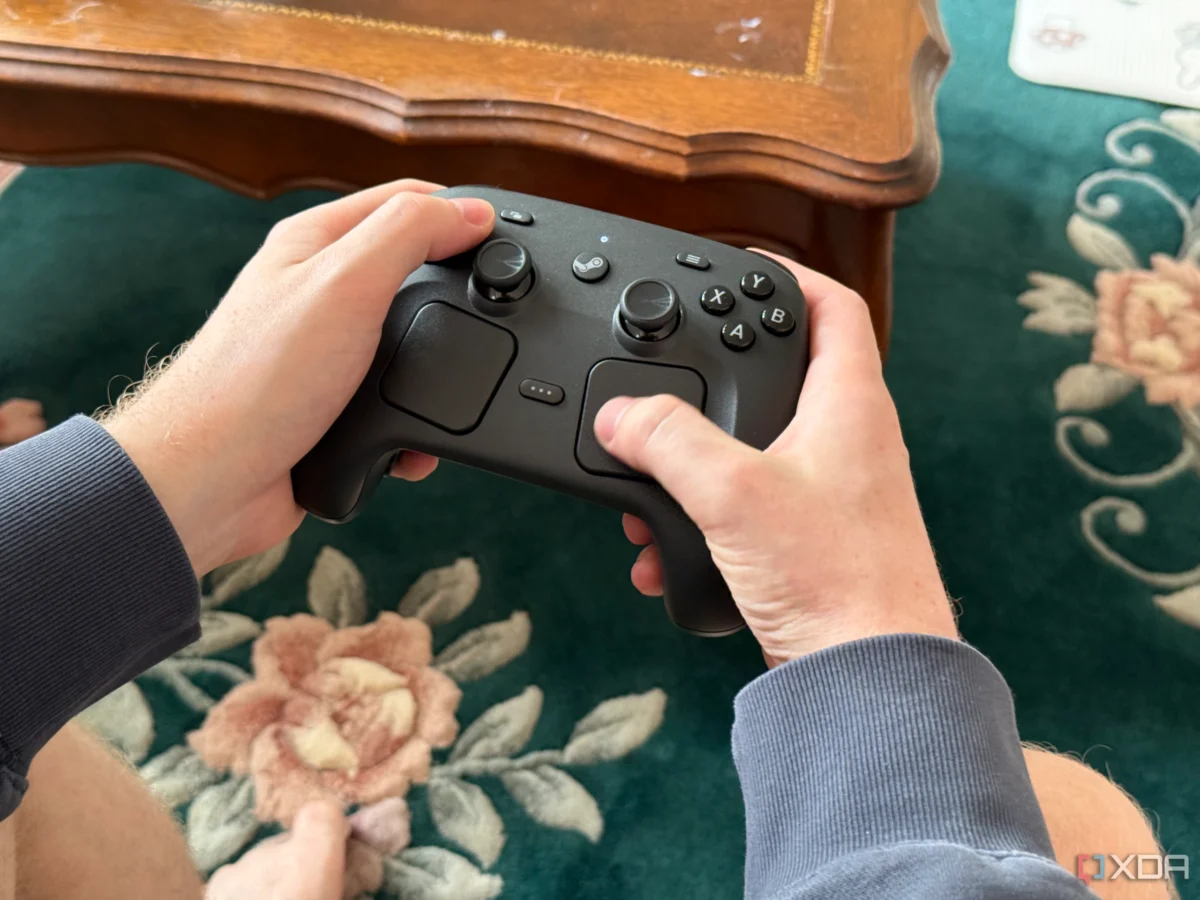
For years, the "couch PC" dream has been haunted by a singular, persistent ghost: the controller problem. Enthusiasts who prefer the fidelity and freedom of a PC have long struggled to bridge the gap between the desktop experience and the comfort of the living room sofa. Whether it was the connectivity woes of Xbox controllers or the clunky, compromise-heavy nature of standard gamepads, the "perfect" solution remained elusive.
However, with the arrival of the 2026 Steam Controller, Valve appears to have finally cracked the code. By blending high-end hardware innovation with the deep, unparalleled software integration of Steam Input, this device has not only redefined the standard for PC peripherals but has arguably become the most essential piece of hardware for any living room gaming rig.
The Evolution of the Input Problem: A Chronology
The journey toward this refined experience was long and iterative. For the better part of the last decade, PC gamers in the living room were caught in a trifecta of frustration:
- 2015–2018 (The Experimental Era): Valve’s first attempt at a proprietary controller introduced dual trackpads and gyro aiming. While visionary, it was ahead of its time, struggling with ergonomic complaints and a steep learning curve for users accustomed to traditional stick-based layouts.
- 2019–2024 (The Connectivity Crisis): As PC gaming migrated to the couch, many users relied on Xbox or PlayStation controllers. However, these were designed primarily for consoles. Bluetooth interference, input lag, and the lack of native "mouse-like" controls made managing complex PC menus or strategy games from a distance a chore.
- 2025–2026 (The Bazzite and Steam Input Renaissance): The rise of specialized Linux distributions like Bazzite, which mirror the Steam Deck’s "SteamOS" experience, created a demand for a controller that could handle the complexities of both native Linux gaming and high-fidelity Windows streaming.
The 2026 iteration represents the culmination of these lessons. It avoids the "gimmick" label by focusing on functional utility, directly addressing the pain points that previous generations failed to resolve.

Technical Superiority: Why the Specs Matter
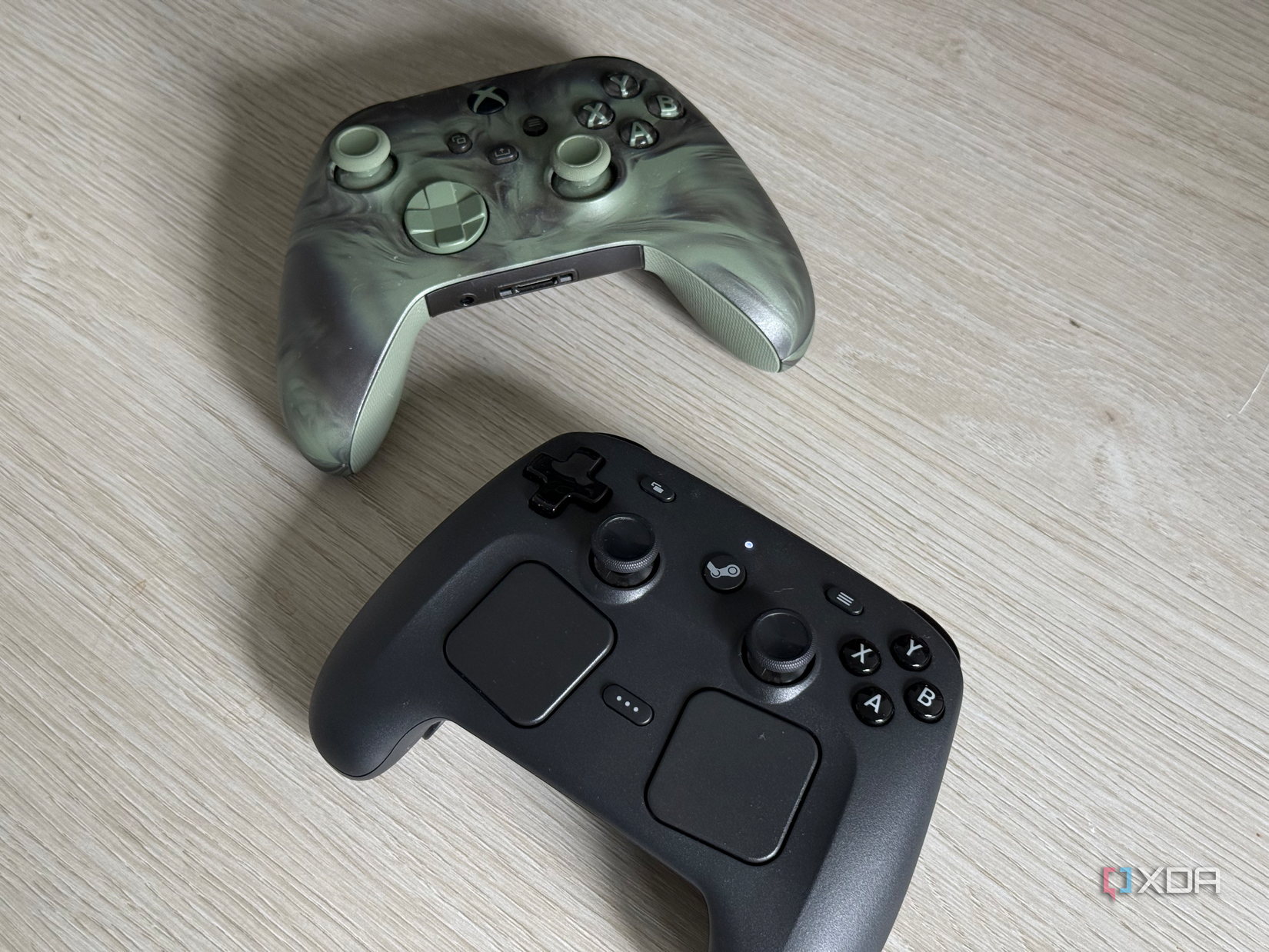
When evaluating the 2026 Steam Controller against industry giants like the Xbox Elite Series 2, the differences are stark. While the Elite series focuses on mechanical customization—adjustable tension sticks and swappable paddles—the Steam Controller offers a fundamental shift in input philosophy.
The Power of the "Complete Package"
The device bundles a suite of features that, individually, are considered "premium," but collectively, are transformative:
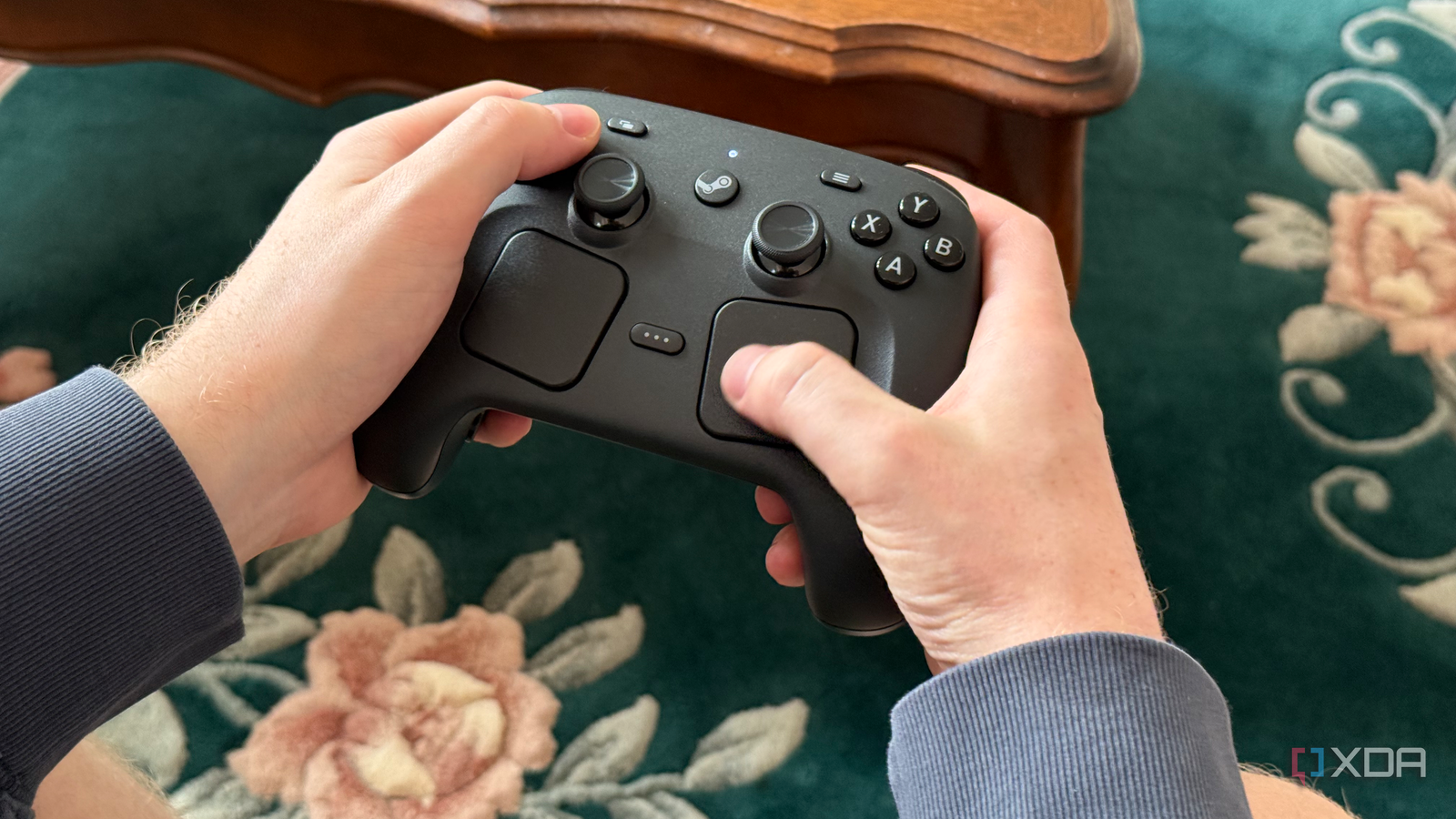
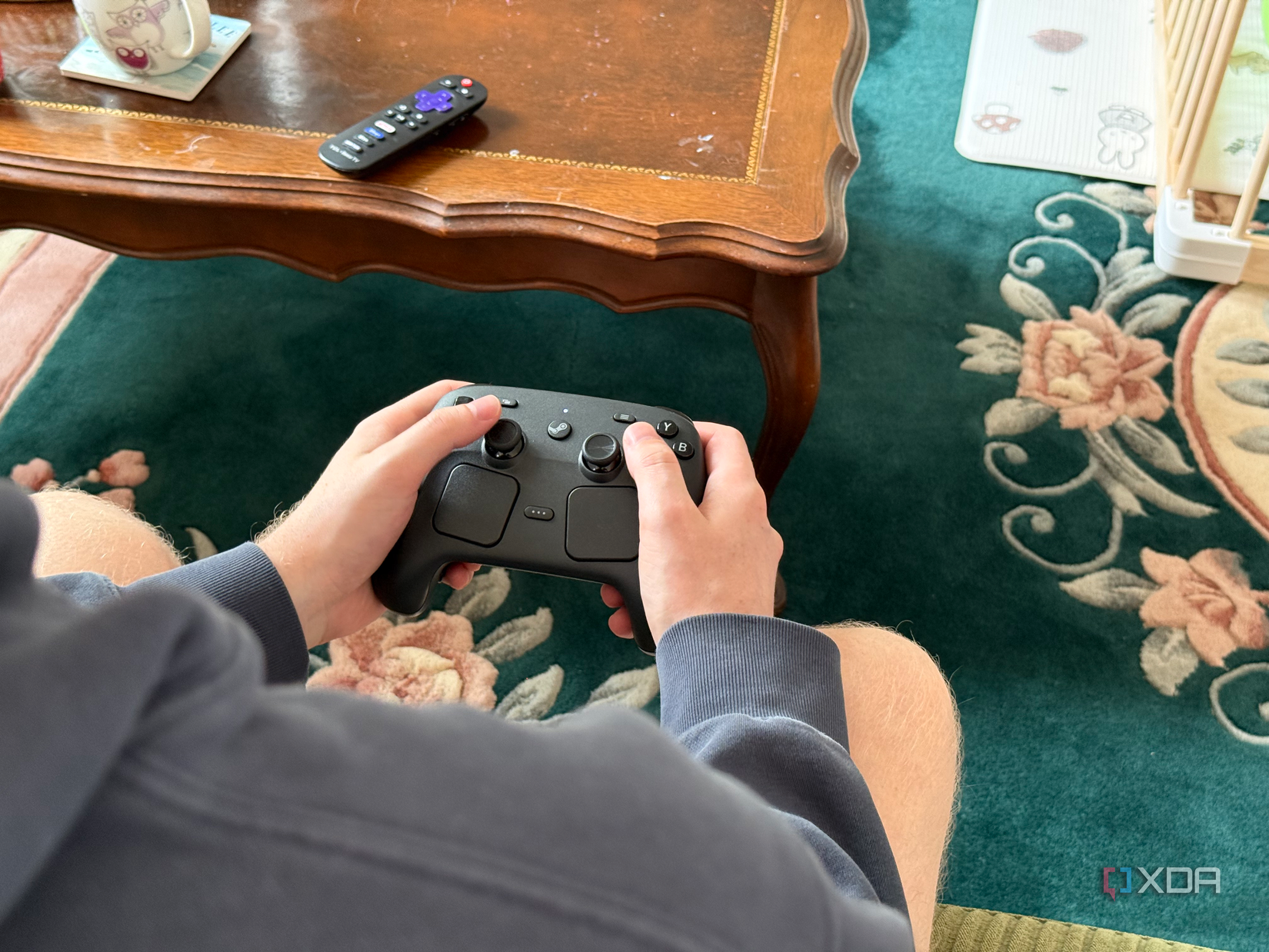
- Dual Haptic Trackpads: These are not just for cursor movement. They provide tactile feedback that mimics physical textures, making them indispensable for navigating complex PC launchers or strategy games that would otherwise require a mouse and keyboard.
- Grip Sense & Gyro: The six-axis gyro is no longer an afterthought. With Valve’s "Grip Sense" technology, the motion-control functionality only engages when the user is actively gripping the controller, eliminating the drift and "always-on" issues that plagued earlier iterations.
- Tunneling Magnetoresistance (TMR) Sticks: In a major win for durability, the sticks utilize TMR—a contactless magnetic sensing method. This effectively eliminates "stick drift," the primary killer of modern gamepads.
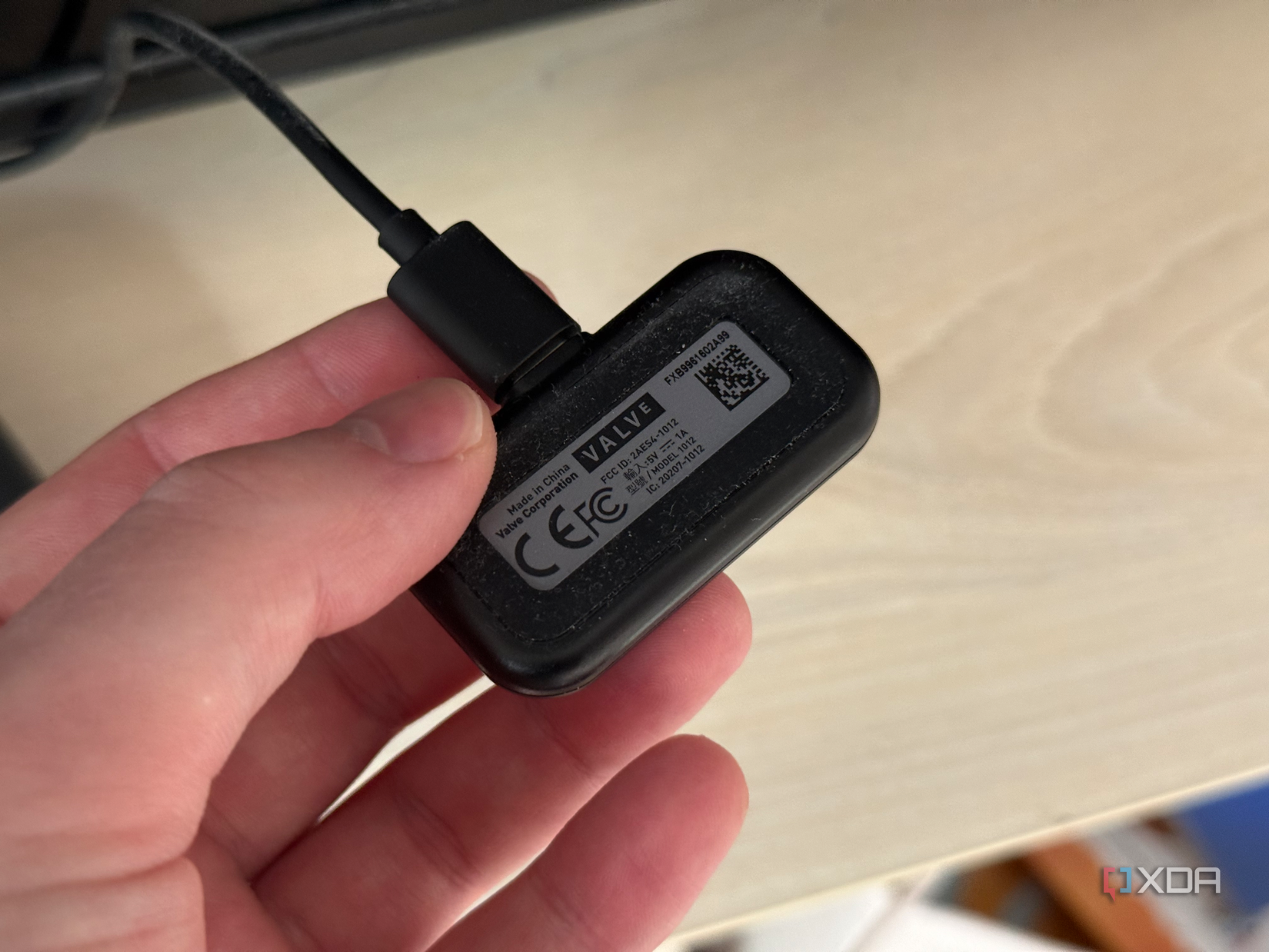
- The "Puck" Connectivity: Perhaps the most overlooked feature is the 2.4GHz "Puck" receiver. It serves as both a high-fidelity wireless bridge and a magnetic charging dock, effectively ending the reliance on volatile Bluetooth connections.
Supporting Data and User Experience
The real-world implications of these specs are significant. In comparative testing, the Steam Controller maintains a near-zero latency connection even in environments cluttered with multiple 2.4GHz signals.
Furthermore, the integration with Steam Input allows for per-game profiles that are shared globally. If a user is playing a complex CRPG that demands 30+ keybindings, the controller can be mapped to trigger these through chorded presses or touch-menu overlays on the trackpads. This is a level of customization that traditional controllers simply cannot match.
Comparative Cost-Benefit Analysis
In the North American market, the Steam Controller is positioned aggressively against the $150+ premium tier of "pro" controllers. By offering advanced haptics, TMR stick technology, and superior software integration at a lower price point, Valve is essentially subsidizing the hardware to cement their ecosystem. For the consumer, this translates to a higher "feature-per-dollar" ratio than any other mainstream device.
The "Invisible" Integration: A Case for Bazzite
The most profound implication of the 2026 Steam Controller is how it "disappears" into the user’s setup. For users running Bazzite or SteamOS-based systems, the controller acts as an extension of the operating system.
Configuring the device to wake the host PC from a sleep state—without accidental triggers—was a primary design goal. By configuring a specific "wake rule" through the Puck, users can transition from sitting on the couch to gaming in seconds. This eliminates the "fumbling for a keyboard" step that has been the death knell for many casual living room setups.
Official Responses and Manufacturer Intent
While Valve has remained characteristically quiet on long-term hardware sales projections, their commitment to repairability speaks volumes. Valve has officially confirmed that the controller is designed for modularity.
"We believe in the longevity of the input device," a spokesperson for the development team noted during the initial rollout. By pledging to sell individual spare parts—buttons, shells, and batteries—through iFixit, Valve is signaling a departure from the "disposable hardware" trend common in the gaming industry. While the sticks themselves are soldered to the main board (a point of contention for some power users), the ease of disassembly for the rest of the chassis is a significant win for the Right to Repair movement.
Implications for the Future of PC Gaming
The release of this controller carries several long-term implications for the industry:
- The Decline of "Peripheral Complexity": As more developers integrate Steam Input APIs into their games, the need for third-party mapping software like reWASD or JoyToKey will diminish. This lowers the barrier to entry for the "couch PC" lifestyle.
- Standardization of Advanced Inputs: By popularizing trackpads and TMR sticks, Valve is forcing competitors to innovate. We expect to see "Pro" versions of Xbox and PlayStation controllers eventually adopt TMR technology and enhanced haptics, driven by the pressure of Valve’s new hardware.
- The "Steam-First" Software Ecosystem: The controller’s reliance on Steam Input acts as a "moat" for Valve. While some might view this as a disadvantage for non-Steam games (like those on GOG or Epic), the emergence of SDL2-merged native mapping suggests that the controller is becoming a universal standard for PC gaming, regardless of the storefront.
Limitations and Considerations
No device is perfect. The Steam Controller’s reliance on Steam Input means that users running pure Windows HTPCs might encounter friction. If a game is not added to the Steam library as a "non-Steam title," the controller’s advanced features—specifically the trackpads—may not function as intended.
Additionally, the ergonomic design is polarising. For users with smaller hands, the reach required for the thumbpads can lead to fatigue over long sessions. Because the device is sold primarily through the Steam store, potential buyers do not have the luxury of trying it out in a brick-and-mortar retail environment, making the purchase a "blind" one regarding hand-fit.
Conclusion: Is It Worth It?
For the dedicated couch gamer, the 2026 Steam Controller is not just a peripheral—it is an essential upgrade. It successfully navigates the balance between complex, high-performance inputs and the plug-and-play simplicity required for a relaxing living room experience.
While it demands a degree of commitment to the Steam ecosystem, the payoff is a level of control and reliability that was previously impossible to achieve on a television screen. By prioritizing durability, repairability, and software-led innovation, Valve has once again proven that they understand the needs of the PC enthusiast better than anyone else in the market. If you are tired of connectivity drops, drifting sticks, and the constant need for a mouse-and-keyboard backup, this is the controller you have been waiting for.

 Suro Senen
 Ammar Sabilarrohman