Nila Kartika Wati
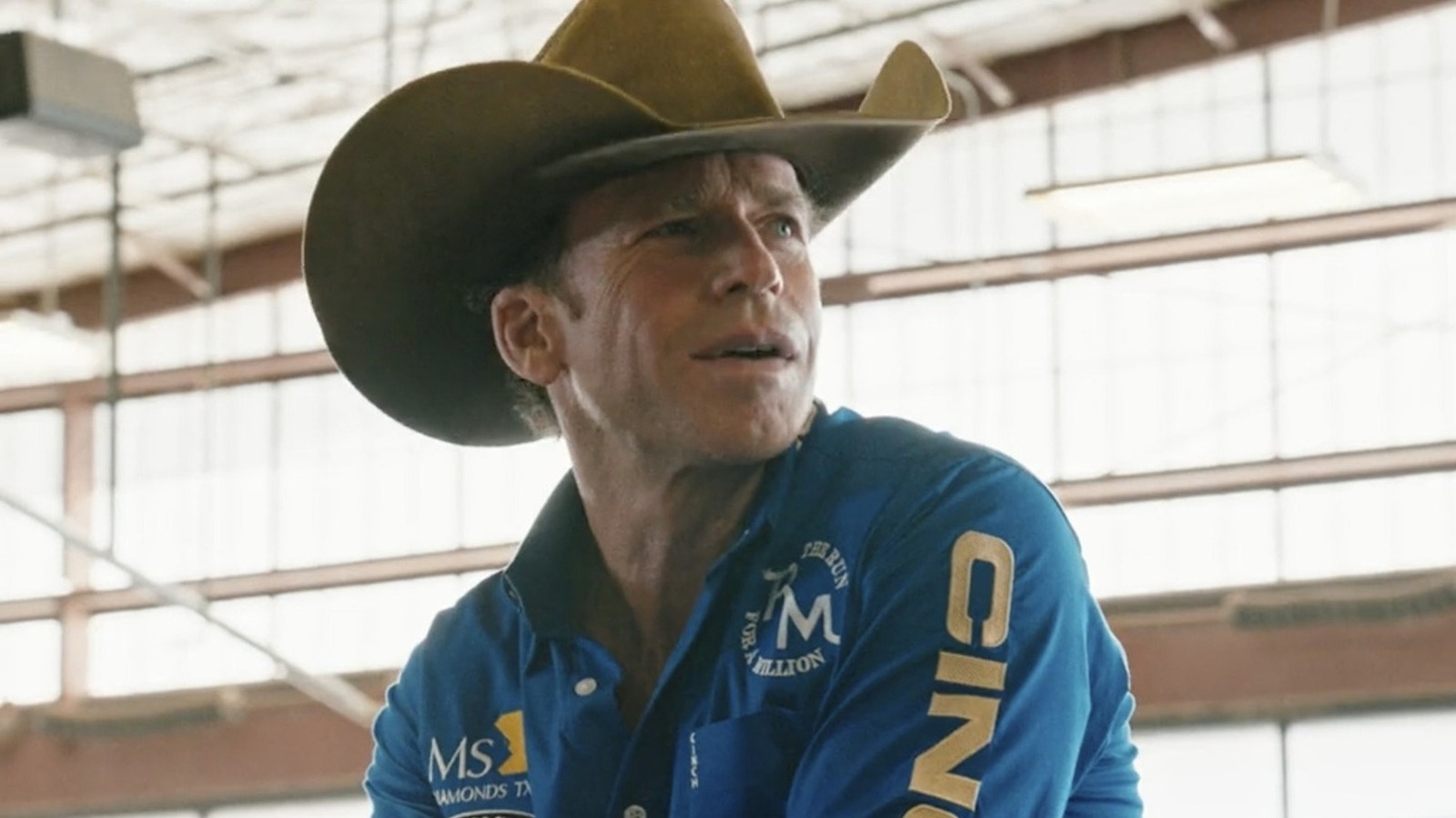
For years, the television landscape has been dominated by the rugged, high-stakes drama of Yellowstone. As the flagship series of Taylor Sheridan’s neo-Western empire, the show transformed from a cable sensation into a cultural phenomenon. However, the internal stability of the Dutton family ranch often seemed to mirror the chaotic, behind-the-scenes reality of the production itself. The most glaring fracture in that foundation was the abrupt and contentious exit of its lead, Kevin Costner, who portrayed the patriarch, John Dutton.
Following months of tabloid speculation, public threats of litigation, and a frustratingly disjointed conclusion to the series, showrunner Taylor Sheridan has finally provided clarity on the sequence of events that led to Costner’s departure. Speaking on The Bill Simmons Podcast, Sheridan peeled back the curtain on a corporate tug-of-war that pitted creative vision against network anxiety.
The Original Blueprint: A Three-Season Arc
To understand the departure, one must look at the inception of the project. According to Sheridan, the narrative arc for Yellowstone was never intended to be the sprawling, multi-year saga it eventually became—at least not where the John Dutton character was concerned.
"That was in his contract," Sheridan revealed during the podcast, referring to a three-season commitment. "In my mind, that’s when his youngest son takes over, and then we watch him lose that ranch or not lose it, whatever the case is going to be."
This original plan suggests that Sheridan envisioned Yellowstone as a tight, character-driven tragedy that would culminate relatively early. The focus was intended to shift from the elder Dutton’s iron-fisted rule to the next generation’s struggle for legacy and survival. This structural design aligns with the themes of change and the erosion of the "Old West" that permeate all of Sheridan’s writing. However, the sheer commercial momentum of the series fundamentally altered the production’s trajectory.
Chronology of a Contentious Exit
The tension between the star and the network did not happen overnight. It was a slow-burning friction that escalated as Yellowstone evolved into a "behemoth."
- The Contractual Agreement: Kevin Costner signed on for three seasons, intending to move on to other creative ventures after that tenure.
- The Network Pressure: As the series became the most-watched show on cable, Paramount, wary of losing its anchor, pressured Costner to extend his commitment.
- The Compromise: Costner agreed to stay for two additional seasons, pushing his involvement to five. During this time, he became increasingly vocal about his desire to pivot to his own passion project, the multi-part Western epic Horizon: An American Saga.
- The Scheduling Conflict: As production timelines for Yellowstone dragged and the shooting schedule became more demanding, the overlap with Horizon became untenable.
- The Public Fallout: Tensions reached a breaking point, leading to rumors of on-set friction, potential lawsuits, and a final season that many critics felt lacked the cohesive vision of earlier chapters.
Network Timidity vs. Creative Freedom
Sheridan’s comments illuminate a common industry malady: the refusal of a studio to let a successful product reach its natural conclusion. "The network was so scared of not having Kevin be a part of it," Sheridan explained. "Even though Kevin was ready to go—he had other things he wanted to do—he stayed on for another two seasons, and that was just because the show was such a behemoth."
This dynamic highlights a recurring tension in modern prestige television. When a show becomes a "cash cow," the financial imperatives of the parent company often clash with the original narrative intent of the creator. Sheridan’s admission that he had to "tread water for a bit" to accommodate the extended timeline serves as a candid critique of how corporate interference can dilute the quality of a series. While the fans wanted more of John Dutton, the narrative itself might have suffered from the forced elongation.
Implications for the Yellowstone Universe
While the flagship show has concluded, the "Yellowstone-verse" remains in a state of hyper-expansion. The success of spin-offs like 1883 and 1923, and the continued popularity of Dutton Ranch, proves that audiences are invested in the mythology of the Montana landscape, regardless of whether Kevin Costner is the one wearing the hat.
However, the loss of Costner—a Hollywood icon whose presence provided the show with its initial gravitas—has left a void. The finale of Yellowstone was widely criticized for being abrupt and lacking in the emotional resonance that defined its peak. By forcing a legendary actor to stay in a role he was mentally prepared to exit, the network inadvertently created a "limping" finish that arguably damaged the legacy of the show’s final act.
The Costner Factor: A Legacy of Complexity
It is important to note that Costner’s departure was not merely a matter of scheduling. His public statements regarding a potential lawsuit against Paramount suggested a deeper, more personal conflict. Whether these threats were purely posturing during contract negotiations or reflections of genuine legal grievances, they added a layer of toxicity to the final season.
Costner’s current predicament with Horizon: An American Saga further complicates the narrative. With the second installment in the series completed but struggling to find a clear path to the audience, and the future of parts three and four hanging in the balance, Costner’s "post-Yellowstone" career has hit a turbulent patch. The irony of the situation is palpable: having left the comfort of a guaranteed hit to pursue his own Western vision, Costner is now facing the harsh realities of independent film financing—a stark contrast to the massive corporate backing he enjoyed at Paramount.
Looking Ahead: The Future of the Franchise
Taylor Sheridan has proven that he can build worlds that survive without their central anchors. By shifting the focus to historical spin-offs and side stories, the Yellowstone brand has insulated itself against the fragility of any single star’s tenure.
Yet, the lesson for the industry remains clear: when a show reaches the scale of Yellowstone, the biggest obstacle to its success is often the network’s own inability to let a story finish. Sheridan’s honest assessment of the situation provides a rare, transparent look at the mechanics of television production. It reminds viewers that behind the epic sunsets and sweeping vistas of the Montana plains, there is a complex, sometimes frustrating, and ultimately human reality of contracts, bottom lines, and the difficult art of knowing when to walk away.
As for the fans, the final verdict remains mixed. While they mourn the loss of John Dutton, the massive popularity of the ongoing spinoffs suggests that they are more than willing to follow Sheridan into whatever corner of the American West he decides to explore next. For now, the story of Yellowstone serves as both a masterclass in modern franchise building and a cautionary tale about the perils of corporate interference in the creative process.

 Reynand Wu
 Layla Zulfa