Iffa Jayyana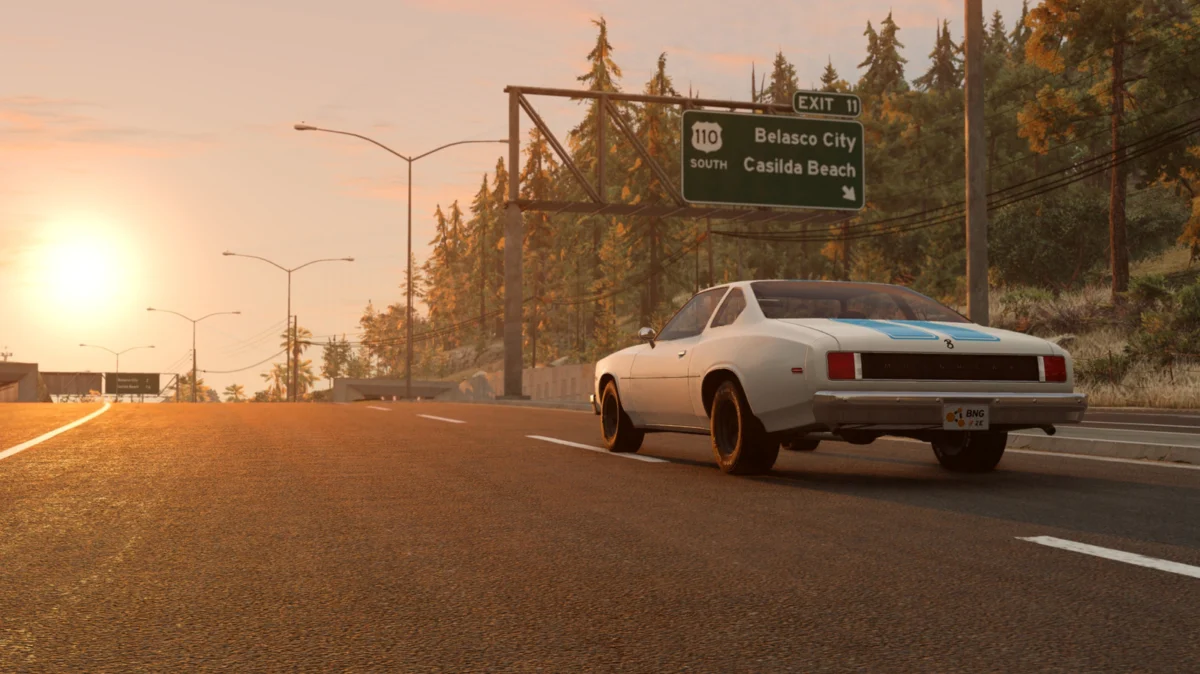
For fans of the long-running sitcom The Big Bang Theory, the character of Sheldon Cooper serves as a poignant, albeit comedic, reminder of a common modern dilemma: possessing immense intellectual capacity while lacking fundamental life skills. Sheldon, a theoretical physicist who has spent his youth unravelling the mysteries of the cosmos and accumulating advanced degrees, finds himself paralyzed by the prospect of operating a motor vehicle. In the fifth episode of season two, "The Euclid Alternative," Sheldon’s transportation arrangements collapse, forcing him to confront his fear of the road.
Instead of taking to the streets of Pasadena for traditional driving lessons, Sheldon’s engineer friend, Howard Wolowitz, provides him with a "SimuRide"—a sophisticated piece of military-grade hardware. While the show presents this as a niche, slightly absurd solution, it highlights a burgeoning reality: the bridge between virtual simulation and real-world competency is shorter than ever. Today, whether for training soldiers or preparing a nervous teenager for their permit test, the technology of the driving simulator has moved from the realm of science fiction into the living rooms of millions.
The Genesis of Digital Driving: From Military Tech to Consumer Gear
The simulator seen in The Big Bang Theory is not merely a prop. SimuRide is a genuine, high-end piece of equipment used by organizations such as the U.S. military to train personnel on heavy vehicles and manual transmissions in controlled, low-risk environments. With a market price point hovering around $10,000, such hardware is designed for professional use. However, the democratizing effect of modern gaming technology has allowed high-fidelity driving experiences to migrate from military bases to home setups equipped with force-feedback steering wheels, multi-pedal configurations, and manual shifters.
The shift in how we perceive driving simulators is rooted in the quest for "verisimilitude"—the appearance of being true or real. While traditional arcade racing games like Mario Kart prioritize excitement and exaggerated physics, the current generation of simulators prioritizes the mechanical intricacies of the internal combustion engine and the friction of rubber on asphalt.
A Chronology of Simulation Realism
The history of the modern driving simulator is a trajectory of increasing fidelity. Early titles focused on graphical representation, but the mid-2010s marked a turning point where physics engines began to account for variables previously ignored.
1. The Educational Foundation: City Car Driving
For those looking to replicate the actual experience of learning to drive, City Car Driving stands as the industry standard. Unlike racing games, its primary objective is to teach the basics of road safety, traffic laws, and vehicle operation. It is a pedagogical tool that simulates various traffic densities, weather conditions, and pedestrian behavior.
The software has been widely validated by driving enthusiasts and instructors, as it is compatible with a wide array of peripherals. Users can connect steering wheels and pedals to create a cockpit-like experience. Crucially, the software handles the nuances of a manual transmission; users will experience the engine stalling if the clutch is released improperly or the gears grinding if the timing is off. While it lacks the tactile "seat-of-the-pants" feedback of a real car, it is perhaps the most effective tool for internalizing the cognitive load of city driving.
2. Physics-Based Chaos: BeamNG.drive
If City Car Driving is the classroom, BeamNG.drive is the physics laboratory. Currently ranked as one of the most popular titles on the Steam platform, the game is renowned for its "soft-body physics" engine. Unlike traditional games where a car is a rigid box that loses health points, BeamNG simulates the structural integrity of every component.
This level of detail means that a crash is not merely a scripted animation; it is a complex calculation of mass, acceleration, and material stress. The engine calculates how force is transmitted through a chassis, how a suspension arm bends, and how a frame crumples upon impact. Researchers have used such engines to study crash dynamics, proving that the gap between entertainment and academic utility is nearly non-existent.
3. Precision Engineering: Assetto Corsa
For the automotive purist, Assetto Corsa represents the pinnacle of track-focused simulation. The developers utilized laser-scanning technology to map real-world tracks and vehicle specifications with millimeter-level accuracy. The game does not treat all vehicles as variations of the same template; rather, it simulates the unique handling characteristics of specific makes and models.
This creates a steep learning curve. Mastering a heavy GT car does not guarantee proficiency in a lightweight, rear-wheel-drive roadster. The necessity of manual car maintenance—adjusting tire pressures, brake bias, and suspension settings—mirrors the professional racing environment. It is a simulation that demands patience, making it less of a "game" and more of a digital training ground.
4. Professional Logistics: Euro Truck Simulator 2
Perhaps the most surprising entry in the simulator hall of fame is Euro Truck Simulator 2. Its popularity defies the conventional wisdom of gaming, which typically favors fast-paced action. Instead, this title offers the meditative, disciplined reality of long-haul logistics.
The game is so accurate in its representation of long-distance driving that it has been utilized by academic researchers to study driver fatigue. In controlled studies, participants use the software for extended sessions to replicate the mental and physical exhaustion experienced by professional truckers. By monitoring when the player’s reaction times slow down or their lane adherence falters, researchers are developing better alert systems for real-world vehicles.
5. The "Dark Souls" of Rallying: DiRT Rally 2.0
Finally, DiRT Rally 2.0 represents the most challenging end of the spectrum. Developed with the input of professional rally drivers like Jon Armstrong and Ryan Champion, the game is unforgiving. Every surface—be it gravel, mud, or tarmac—changes the vehicle’s behavior fundamentally. It is frequently referred to as the "Dark Souls" of the genre because it requires total concentration and precise physical inputs. For the user, the lesson is clear: if you lose focus for a split second, the simulated environment will penalize you.
Supporting Data: The Utility of the Virtual Cockpit
The efficacy of these simulators is supported by the hardware evolution that accompanies them. The modern enthusiast’s setup usually includes a direct-drive steering wheel, which utilizes a high-torque motor to simulate the resistance of the road. This provides the driver with the essential "feel" of the car’s front tires, allowing them to sense the limit of traction before a slide occurs.
Furthermore, the rise of Virtual Reality (VR) has solved the "look-around" limitation inherent in older simulators. By wearing a headset, a driver can naturally turn their head to check mirrors or scan an intersection, creating an immersive experience that tricks the brain into registering the spatial awareness required for real-world driving.
Official Responses and Industry Implications
Automotive manufacturers have taken notice. Many brands now use simulation software in their R&D departments to test how drivers interact with new dashboard layouts or safety features. Similarly, professional racing teams use these platforms to allow drivers to memorize track layouts and tire wear patterns before ever setting foot in the physical car.
However, industry experts remain cautious. While simulators are exceptional for building muscle memory and understanding traffic rules, they cannot fully replace the "seat time" required to handle the visceral, unpredictable nature of a real vehicle. The sensory input of G-forces, the smell of burnt rubber, and the genuine physiological adrenaline of a near-miss are variables that even the most expensive military-grade simulator cannot fully replicate.
Conclusion: The Road Ahead
Sheldon Cooper’s journey from a nervous passenger to a competent driver—facilitated by the SimuRide simulator—serves as a metaphor for the broader integration of technology into human experience. We are entering an era where the divide between the virtual and the physical is increasingly blurred.
For the average consumer, these simulators offer more than just a pastime. They provide a safe space to fail, to learn, and to master the complex machinery of the modern world. Whether you are a student preparing for your first driving test, a logistics enthusiast, or a racing aficionado, the current crop of driving simulators offers a sophisticated, high-fidelity experience that, while perhaps not replacing the need for a real steering wheel, certainly ensures that when you finally do take to the road, you are far better prepared for the journey ahead.


 Evan Lee Salim
 Ali Ikhwan