

Throughout the 20th century, the landscape of global cinema was defined by a shifting tapestry of genres. From the rapid-fire dialogue of the screwball comedies of the 1930s to the sweeping, sun-drenched vistas of the Westerns of the 1950s and the gritty, uncompromising realism of the 1970s, film has always mirrored the anxieties and aspirations of its era. Yet, few genres have maintained the evergreen audience approval, enduring critical acclaim, and ferocious cultural staying power of the crime drama.
Crime cinema acts as a dark mirror to society. By utilizing groundbreaking directorial techniques, daring narrative structures, and an unflinching appetite for moral ambiguity and violence, the genre has established itself as one of the most intellectually absorbing and emotionally challenging forms of storytelling. From the shadowy, cigarette-smoke-filled offices of the classic noir era to the neon-soaked, cerebral psychological thrillers of the 1990s, the following films are widely regarded as flawless entries in the canon—triumphs of craft that have solidified their place in the pantheon of cinematic history.
The Evolution of the Crime Genre: A Chronological Journey
The history of the crime film is not merely a list of heists and shootouts; it is a timeline of evolving human ethics.
The Birth of Noir: 1931–1944
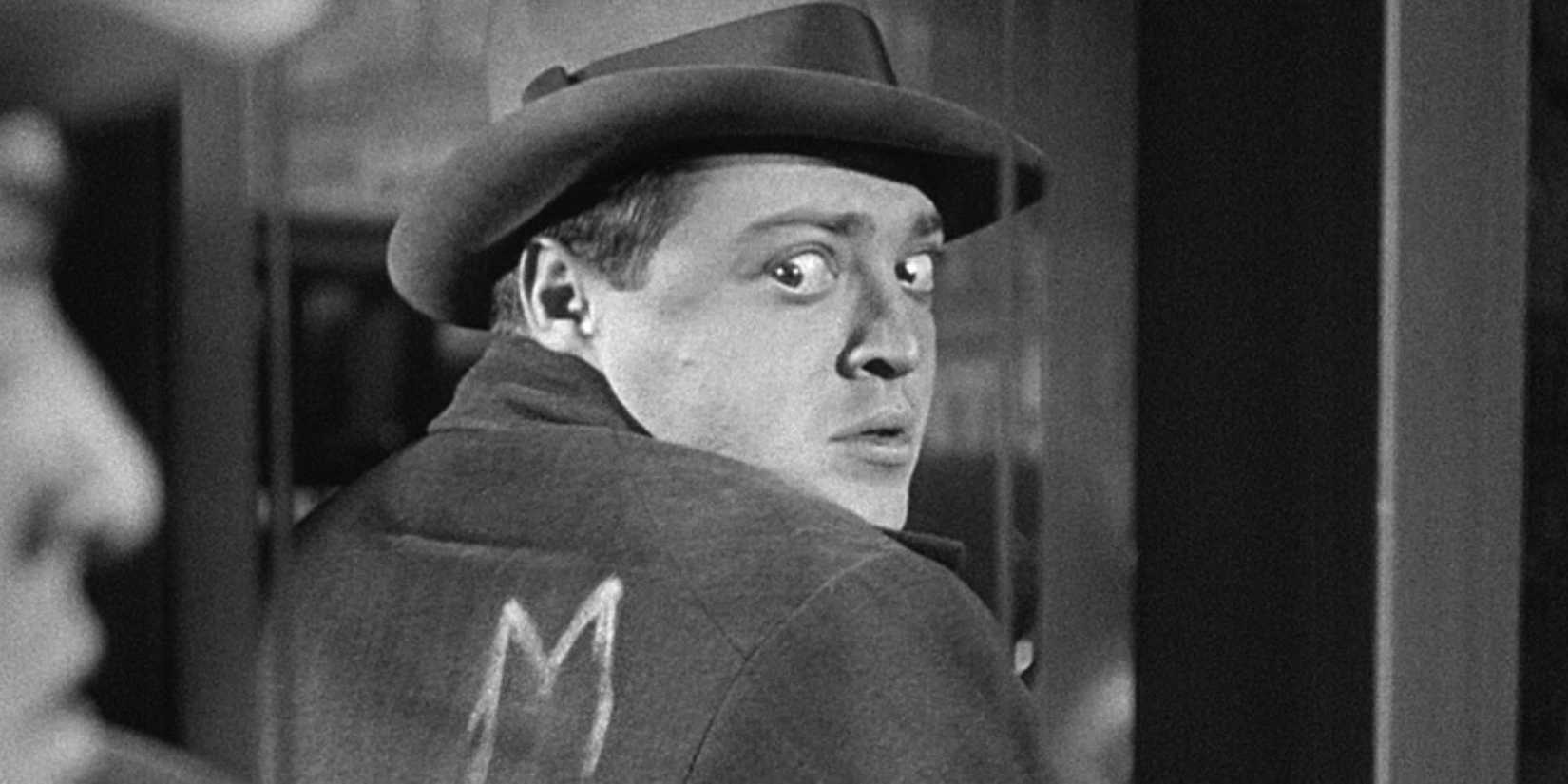
The genre began to take its modern shape in the early 1930s. Fritz Lang’s M (1931) remains a foundational masterpiece, decades ahead of its time. By utilizing sound as a narrative device—most notably the haunting, whistled leitmotif of Edvard Grieg’s "In the Hall of the Mountain King"—Lang turned a child-murdering serial killer into an object of terrifying, yet strangely sympathetic, complexity.

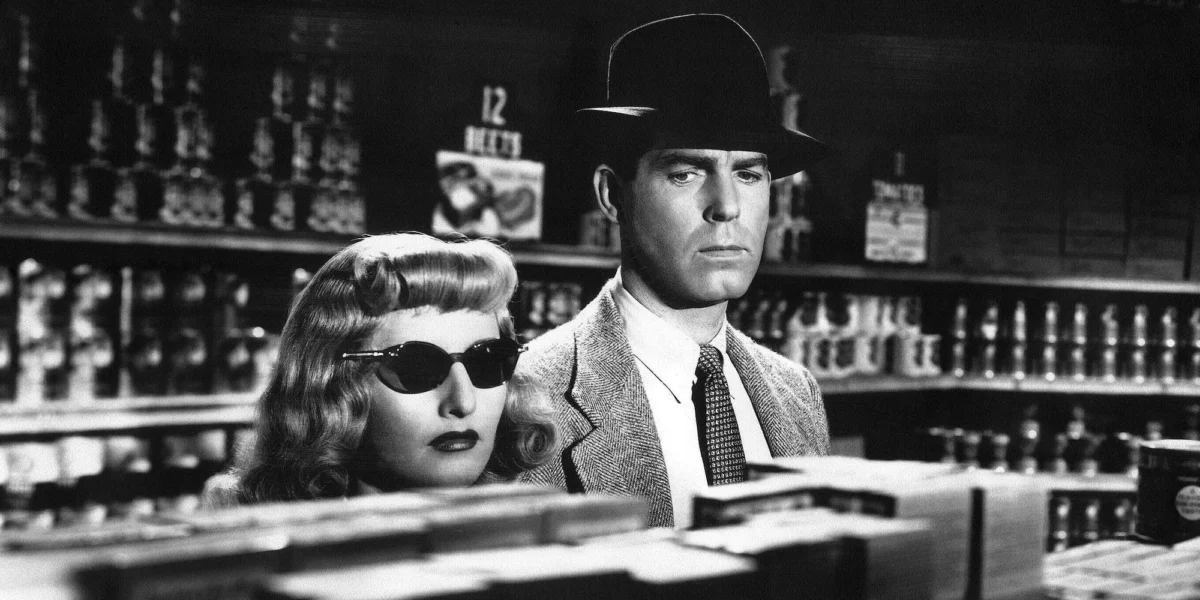
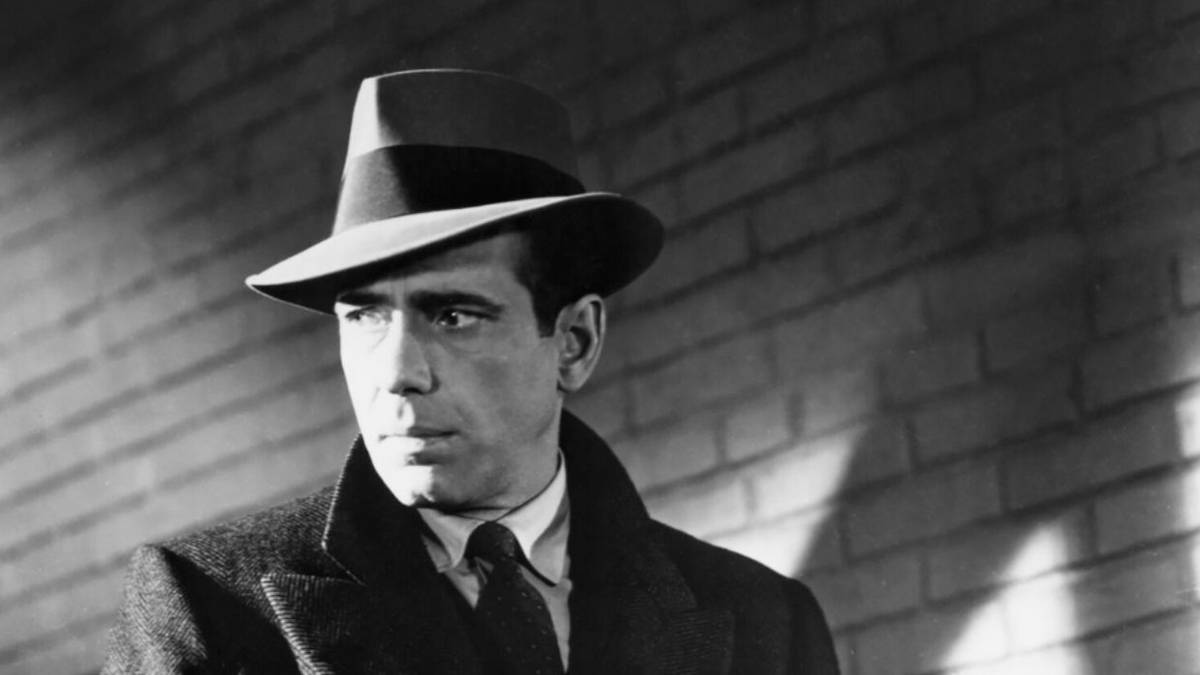
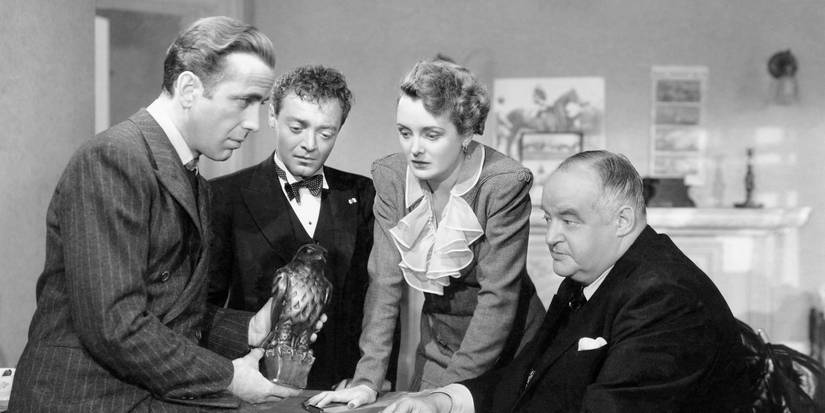
This foundation paved the way for the 1940s, a decade dominated by the "Noir" aesthetic. John Huston’s directorial debut, The Maltese Falcon (1941), serves as the quintessential spark for the genre. With Humphrey Bogart as the cynical private eye Sam Spade, the film introduced the world to the "hard-boiled" archetype. Shortly thereafter, Billy Wilder’s Double Indemnity (1944) solidified the trope of the femme fatale, blending greed, lust, and betrayal into a cocktail of pure, atmospheric tension.
The Rise of the Anti-Hero: 1963–1974
As the world entered the mid-20th century, the genre shifted from simple morality plays to examinations of social inequality and institutional corruption. Akira Kurosawa’s High and Low (1963) is perhaps the finest example of the genre’s international reach. By using sharp, theatrical framing to highlight class divides, Kurosawa turned a kidnapping case into a profound indictment of a society that allows the wealthy to live above the consequences of their actions.
The 1970s brought a darker, more cynical edge to the American crime film. Roman Polanski’s Chinatown (1974) is often cited by critics as possessing the greatest screenplay ever written. Through the lens of Jack Nicholson’s Jake Gittes, the film explored the rot at the heart of the American Dream, proving that in the world of crime, the most dangerous criminals are often those with the most power.
The Modern Masterpiece: 1990–1995
The final decade of the 20th century saw the genre pushed to its stylistic limits. Martin Scorsese’s Goodfellas (1990) changed the pace of storytelling forever. With Thelma Schoonmaker’s kinetic, rapid-fire editing and a soundtrack that served as a heartbeat, the film seduced audiences with the allure of the mob before stripping away the glamour to reveal the hollow paranoia of a life spent looking over one’s shoulder.
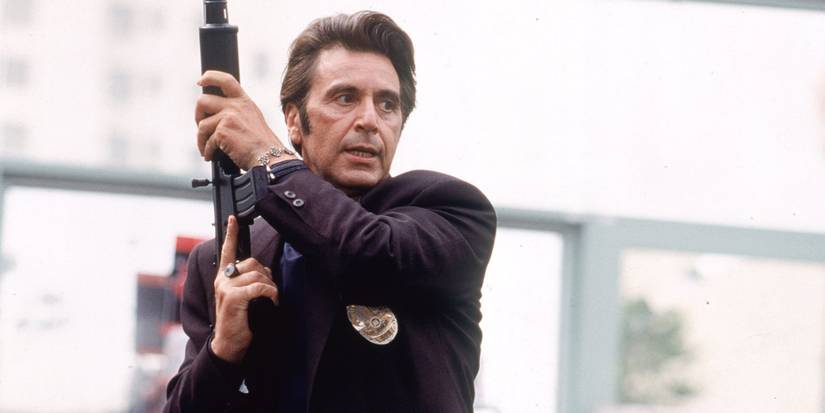
Following this, Michael Mann’s Heat (1995) redefined the "heist" film by treating the bank robber and the detective with equal, obsessive weight, while David Fincher’s Se7en (1995) turned the crime thriller into a nihilistic, rain-drenched descent into madness, proving that the genre could effectively cross-pollinate with horror.
Supporting Data: Why These Films Endure
The staying power of these films is not accidental. A study of their production and reception reveals several key factors that set them apart:
- Narrative Economy: Films like Chinatown and The Maltese Falcon are masterclasses in efficient storytelling. Every frame serves a purpose, leaving no room for narrative bloat.
- The Power of Contrast: The most successful crime films rely on the dichotomy between the criminal and the law. In Heat, Neil McCauley (Robert De Niro) and Lt. Vincent Hanna (Al Pacino) are reflections of one another; both are isolated by their absolute commitment to their respective professions.
- Technological Innovation: From Kurosawa’s use of handheld cameras to capture the chaos of a kidnapping in High and Low to the revolutionary use of sound in M, these filmmakers were constantly expanding the technical vocabulary of cinema.
Official Responses and Cultural Legacy
The cultural impact of these films is immeasurable. The Godfather (1972) and The Godfather Part II (1974), directed by Francis Ford Coppola, remain the ultimate benchmark. Upon their release, they were not just hits; they were seismic shifts in the cultural landscape. The American Film Institute and various critics’ circles have consistently ranked them as the greatest films ever made.
Official recognition, such as Academy Awards and inclusion in the National Film Registry, underscores the significance of these works. They are no longer viewed merely as "gangster movies" or "detective stories," but as Shakespearean tragedies that explore the fundamental themes of power, family, and the corruption of the soul.
Implications for the Future of the Genre
What does the legacy of these films mean for the future of crime cinema? The primary implication is that the audience’s appetite for "grit" is evolving. Modern audiences demand more than just a clever plot twist or a thrilling shootout; they demand a psychological excavation.
The success of these classic crime films proves that the genre is most potent when it uses crime as a lens to view the human condition. As we move further into the 21st century, the torch has been passed to filmmakers who understand that a great crime movie must be:
- Thematically Rigorous: It must ask uncomfortable questions about the nature of justice and the cost of power.
- Visually Distinct: It must create a world—like the green-tinted, claustrophobic city of Se7en—that reflects the internal states of its characters.
- Human-Centric: It must avoid the trap of glorifying violence, instead focusing on the personal toll that a life of crime or law enforcement takes on the individual.
Conclusion: The Unending Appeal of the Crime Drama
The crime drama remains one of the most resilient genres in cinematic history because it speaks to the most primal aspects of our existence. We are drawn to these stories because they deal with the fundamental struggle between order and chaos, greed and sacrifice, and truth and deception.
Whether it is the haunting whistled notes of a killer in 1930s Berlin, the frantic, high-octane streets of 1990s Los Angeles, or the quiet, terrifying power dynamics of a Corleone dinner table, these films provide more than just entertainment. They provide a warning, a reflection, and a deeply human understanding of the shadows that exist just beyond the edge of our own lives. As long as there is society, there will be crime, and as long as there is cinema, we will continue to look into that dark mirror, searching for the truth that lies hidden in the shadows.











No comments yet. Be the first to join the conversation!