

By Alfredo Federico Robelo | June 30, 2026
Cinema is built upon the fragile scaffolding of human error. If every protagonist in a thriller or horror movie possessed a rational, methodical approach to conflict—namely, the immediate utilization of law enforcement—the cinematic landscape would look significantly different. We would be left with a collection of ten-minute shorts rather than two-hour epics.
This phenomenon, often referred to as the "911 Paradox," explores the narrative necessity of characters bypassing the authorities. While audience members often find themselves shouting at the screen, imploring characters to simply dial emergency services, the reality is that the suspension of disbelief requires our heroes to be headstrong, impulsive, or tragically isolated.
The Narrative Necessity of Inaction
At the heart of the "911 Paradox" lies a fundamental rule of storytelling: conflict is the engine of drama. A police intervention, while legally sound and logically superior, acts as a "deus ex machina" that resolves tension instantly. Writers, therefore, must construct elaborate reasons for their protagonists to avoid the police.

These justifications usually fall into three categories:
- The "Lone Wolf" Complex: The protagonist believes they are the only ones capable of solving the issue.
- The "Lack of Evidence" Trap: Characters fear that the police will not believe them, leading them to gather "proof" themselves.
- The "Isolated Environment" Trope: The characters are physically or situationally removed from help, making a phone call impossible or impractical.
A Chronological Breakdown of Cinematic Avoidance
Throughout the history of film, we have seen this pattern manifest in various genres. Here is a closer look at how some of the most celebrated films would have been rendered moot by a simple, timely phone call.
The Home Invasion: From Home Alone to The Burbs
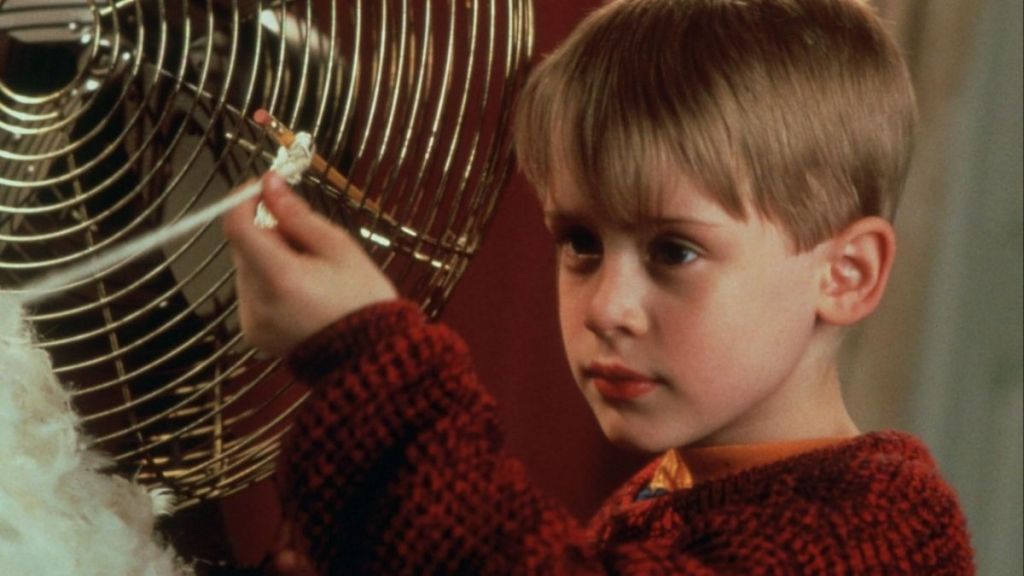
In Home Alone (1990), young Kevin McCallister is left to defend his home against the "Wet Bandits." While his ingenuity is the source of the film’s charm, a child calling the police at the first sign of suspicious activity would have resulted in the immediate apprehension of Harry and Marv. Similarly, in the dark comedy The Burbs (1989), Ray Peterson and his neighbors succumb to suburban paranoia. Instead of documenting their "findings" regarding the Klopeks, a simple tip-off to the local precinct would have likely revealed the truth without the property damage and near-death experiences that defined the film’s climax.
The Stalker and the Obsessed: Fatal Attraction and One Hour Photo
The psychological thriller genre is particularly guilty of this trope. In Fatal Attraction (1987), Dan Gallagher’s infidelity leads to a catastrophic campaign of harassment by Alex Forrest. While the film accurately portrays the legal difficulties of the time, the failure to secure a restraining order or formal police protection early in the stalking phase is a classic example of character agency being sacrificed for narrative tension.
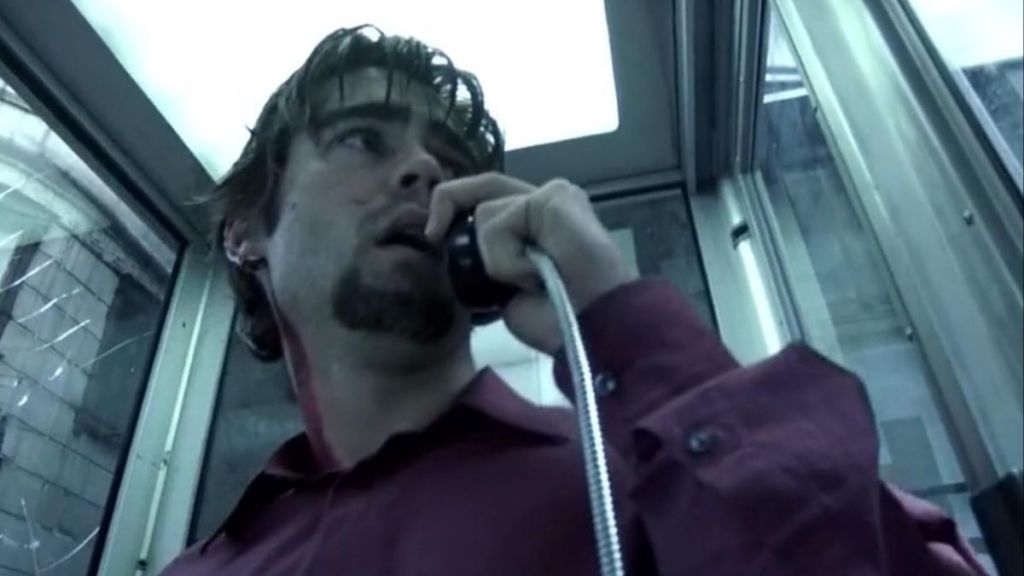
A similar dynamic is present in One Hour Photo (2002). Sy Parrish’s descent into obsession with the Yorkin family is a slow-burn terror. While Sy is skilled at hiding his tracks, his presence in their lives is so overtly invasive that modern surveillance and a proactive call to the police would have likely flagged his behavior long before the film’s violent crescendo.
Supporting Data: The Cost of Vigilantism
While these films prioritize entertainment, they reflect a deeper cultural fascination with the idea that the system is either too slow or too incompetent to handle "special" cases.

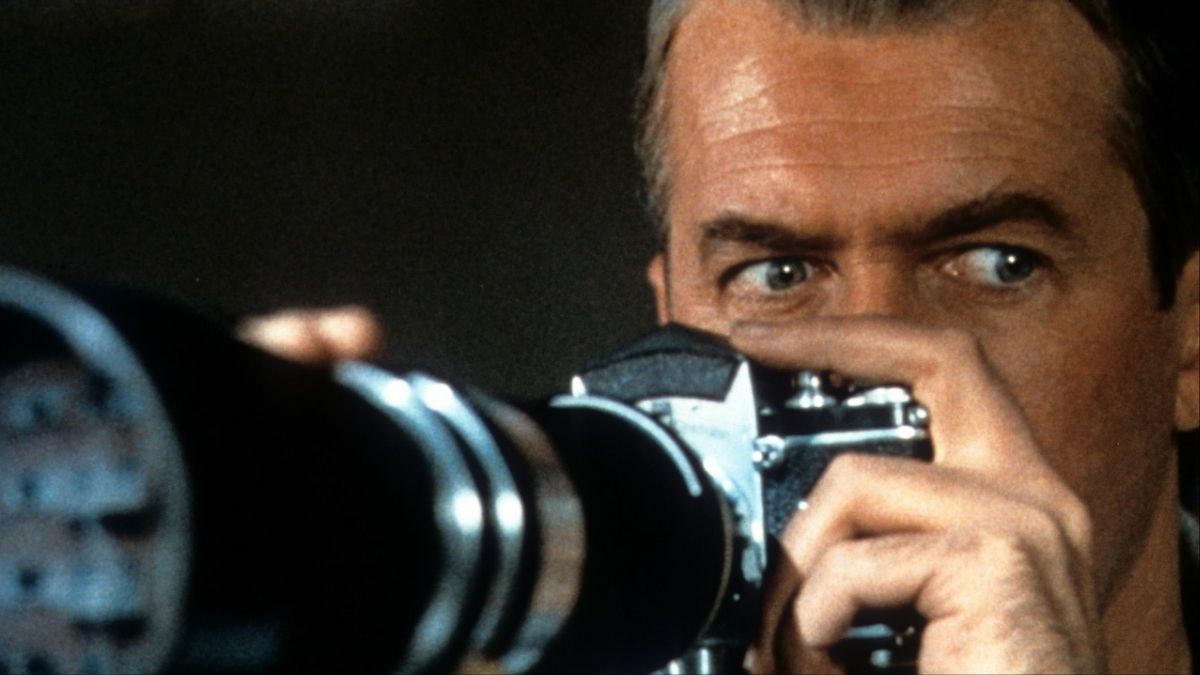
In Rear Window (1954), Alfred Hitchcock creates a masterclass in voyeurism. L.B. Jefferies, confined to a wheelchair, turns his observation of his neighbors into a full-blown investigation. From a law enforcement perspective, Jefferies’ actions are not just dangerous; they are obstructionist. By tampering with the crime scene and engaging the suspect directly, he compromises the integrity of any potential case. The "supporting data" for why he should have called the police is clear: professionals have forensic tools, search warrants, and the legal authority to enter the suspect’s apartment—tools that a photographer with a telephoto lens simply lacks.
Analyzing the "Disturbia" and "The Gift" Dynamic
In Disturbia (2007) and The Gift (2015), we see the "Lack of Evidence" trap in full effect. In Disturbia, a teenager under house arrest suspects his neighbor is a killer. The film justifies his choice to investigate personally by noting his house arrest status, but the sheer lack of communication with law enforcement turns a manageable suspicion into a life-or-death battle.
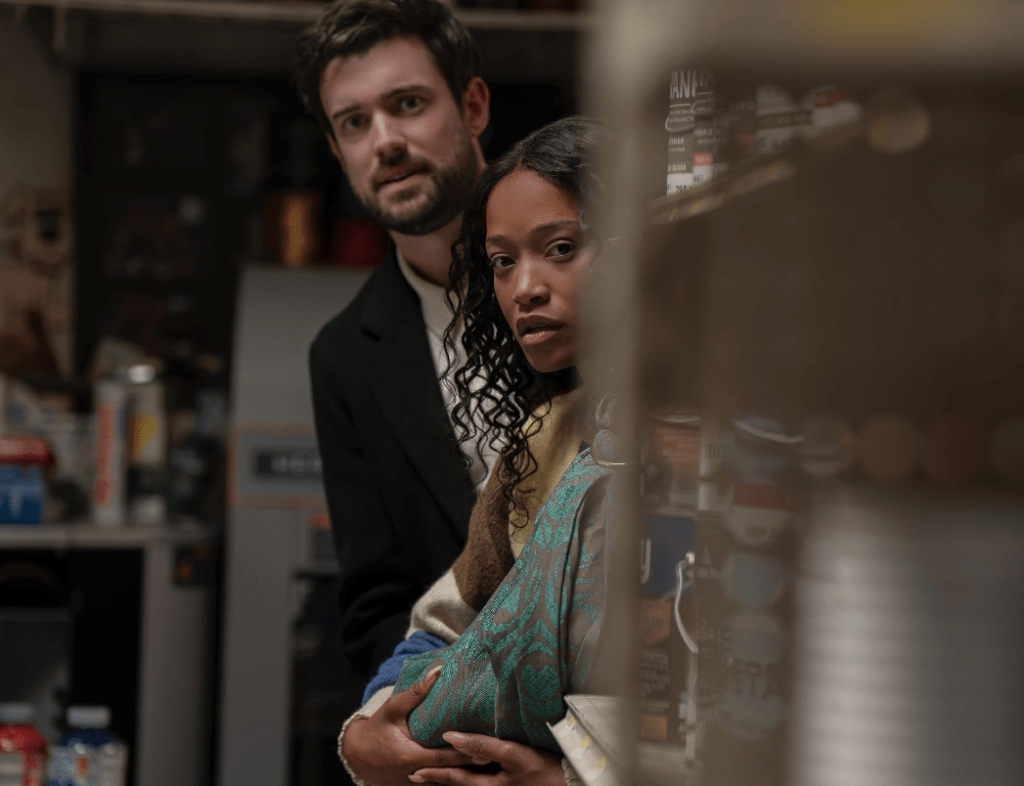
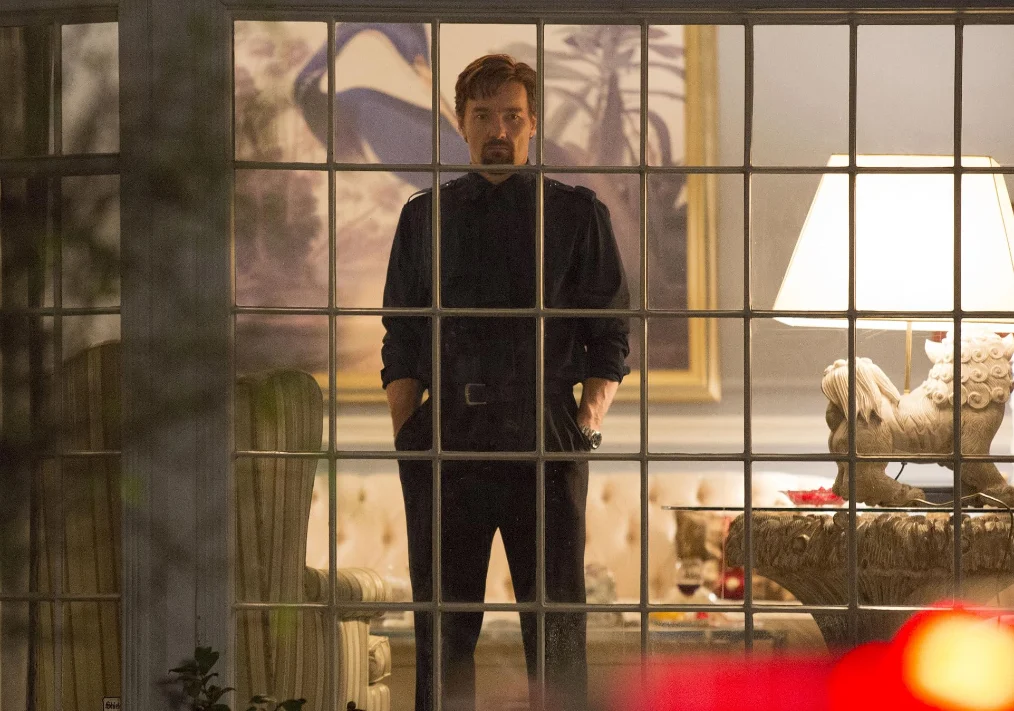
In The Gift, the psychological warfare waged by Gordo against Simon and Robyn is subtle. By the time they realize the severity of the threat, the psychological damage is already done. If the couple had reported the initial trespasses and the unwanted "gifts," a paper trail would have been established, potentially neutralizing Gordo’s influence before his long-term plan came to fruition.
Official Responses and Legal Realities
From a legal standpoint, the scenarios depicted in films like Cape Fear (1991) are particularly egregious. In this film, Sam Bowden is a lawyer who knows the system, yet he repeatedly chooses to confront the vengeful Max Cady on his own terms.
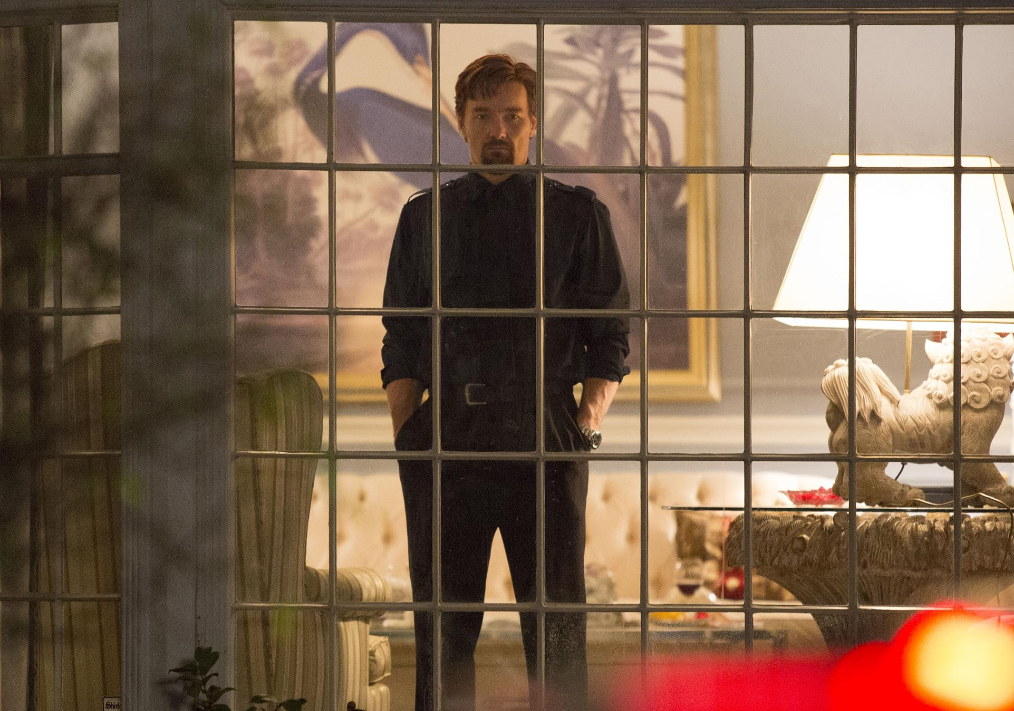
Legal experts often note that in cases of stalking or criminal harassment, the "official response" is to document everything. The cinematic version of these events often ignores the efficacy of protective orders. If Sam Bowden had strictly adhered to police protection, the film would lose its high-stakes tension, but the Bowden family would have been objectively safer. The irony, of course, is that the films that most aggressively feature legal professionals as protagonists are often the ones that most frequently ignore legal protocols.
Implications: The Death of the "Slow Burn"
What does this tell us about the future of film? As technology evolves, the "911 Paradox" becomes harder to justify. With the ubiquity of smartphones, doorbell cameras, and real-time GPS tracking, the "I couldn’t call for help" excuse is becoming a relic of the past.
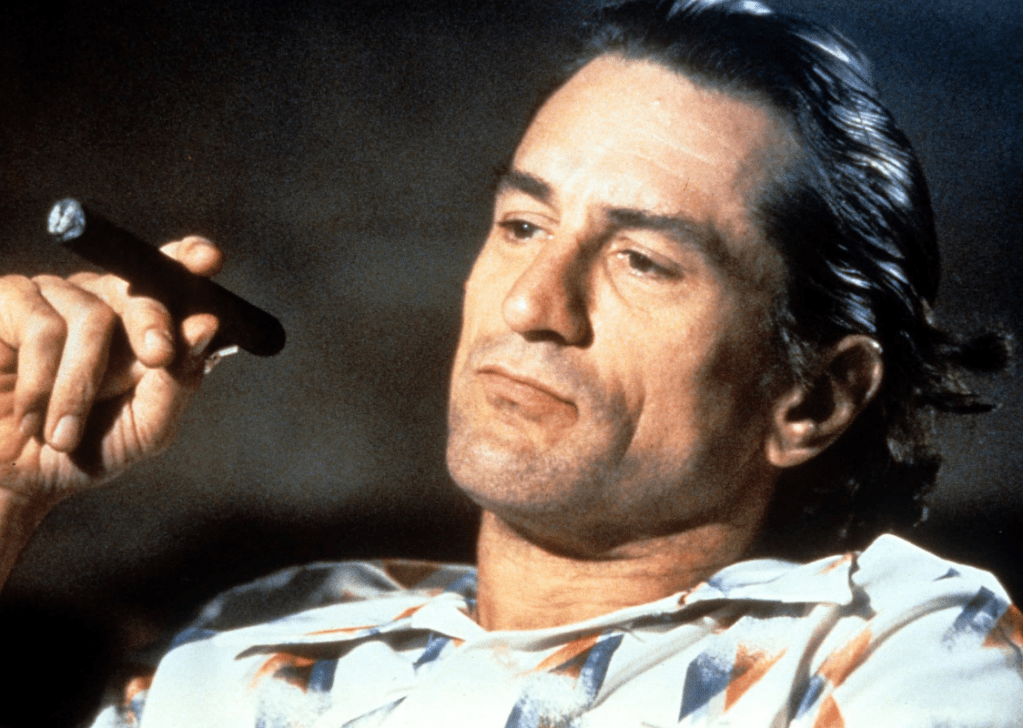
Modern thrillers, such as The Menu (2022), attempt to address this by removing the characters from the grid entirely. By hosting the film on a remote island, the writers eliminate the possibility of a quick call to the police. This is a clear acknowledgment that the modern audience is too savvy to accept a character ignoring their phone when their life is at risk.
Conclusion: The Audience’s Role in the Paradox
We continue to watch these films not because we agree with the characters’ decisions, but because we are fascinated by the "what if." We enjoy the spectacle of a character forced into a corner where they must act alone.
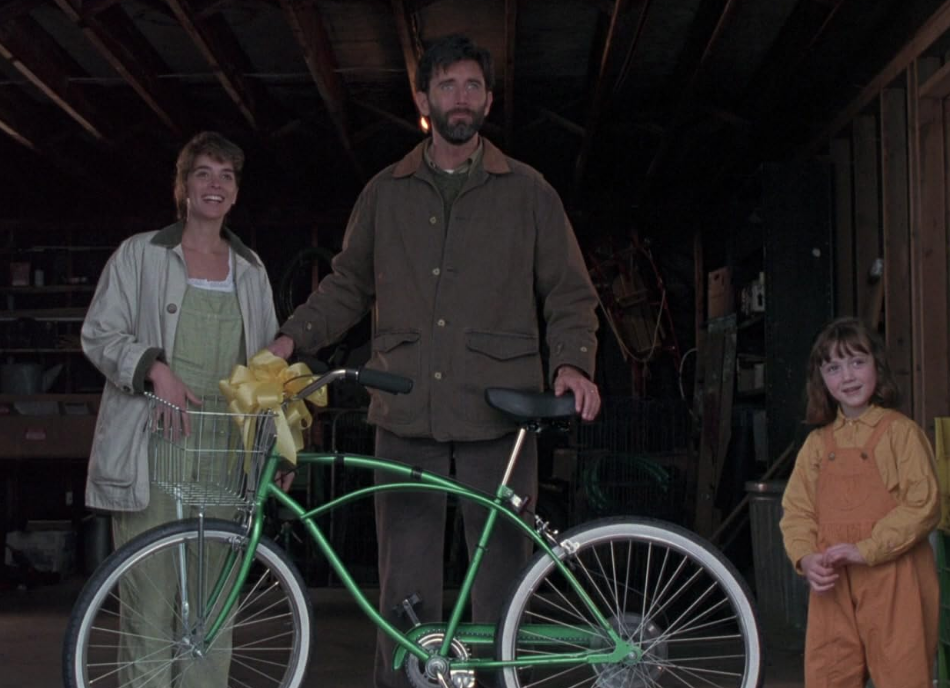
Ultimately, the "911 Paradox" is not a flaw in screenwriting; it is a feature of the medium. We want our protagonists to be tested. We want them to overcome obstacles that the police—with all their resources and bureaucracy—would resolve in minutes. As long as cinema demands high stakes and intense conflict, we will continue to watch characters stare at their phones, ignore the "call" button, and step into the darkness, leaving the police to arrive only for the final, tragic cleanup.










