Iffa Jayyana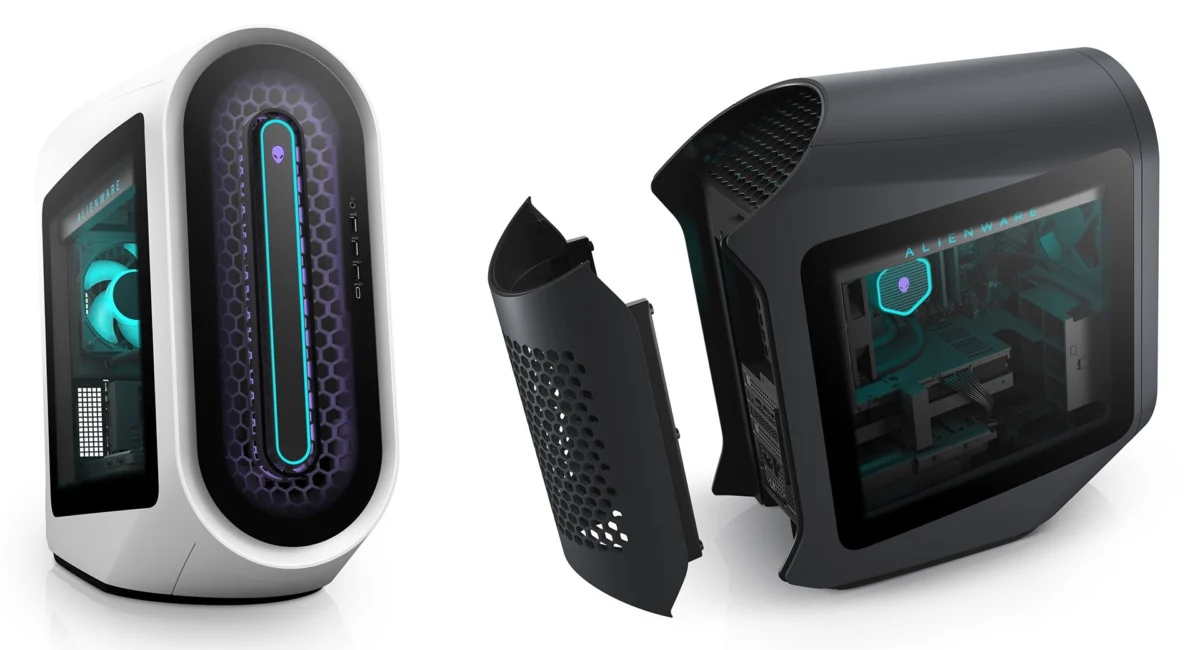
As the gaming industry reflects on the rapid evolution of hardware over the last 25 years, few names carry the same cultural weight as Alienware. To commemorate its 25th anniversary, the Dell-owned titan has pulled back the curtain on a reimagined iteration of its iconic Aurora desktop line. While the company is hosting a celebratory Twitch stream to mark the milestone, the core of the announcement lies in a fundamental hardware shift: a chassis overhaul designed to prioritize airflow, modularity, and the aesthetic demands of the modern gaming enthusiast.
Main Facts: A New Chapter for the Aurora
The new Alienware Aurora represents more than just a commemorative product; it is a structural evolution. Alienware has effectively "plumped up" the dimensions of the previous Aurora R12 chassis, resulting in an internal volume increase of 50 percent. This design shift is a direct response to the industry-wide trend of increasingly power-hungry, heat-intensive components.
The most visible update is the optional transparent left-side panel, a feature that brings Alienware in line with modern custom-build trends. By showcasing the internal LED lighting and meticulous cable management, Alienware is signaling a shift toward transparency and pride in component aesthetics. Furthermore, the chassis now features an optional magnetic rear cable cover—a subtle but significant addition aimed at eSports arenas and professional setups where the rear of the PC is often visible to spectators.
Despite the excitement, Alienware remains tight-lipped regarding the specific CPU configurations that will sit at the heart of these machines. While we know the flagship will support up to an NVIDIA GeForce RTX 3090, the processor options remain under wraps, likely pending upcoming announcements from Intel and AMD.
A Chronology of Innovation
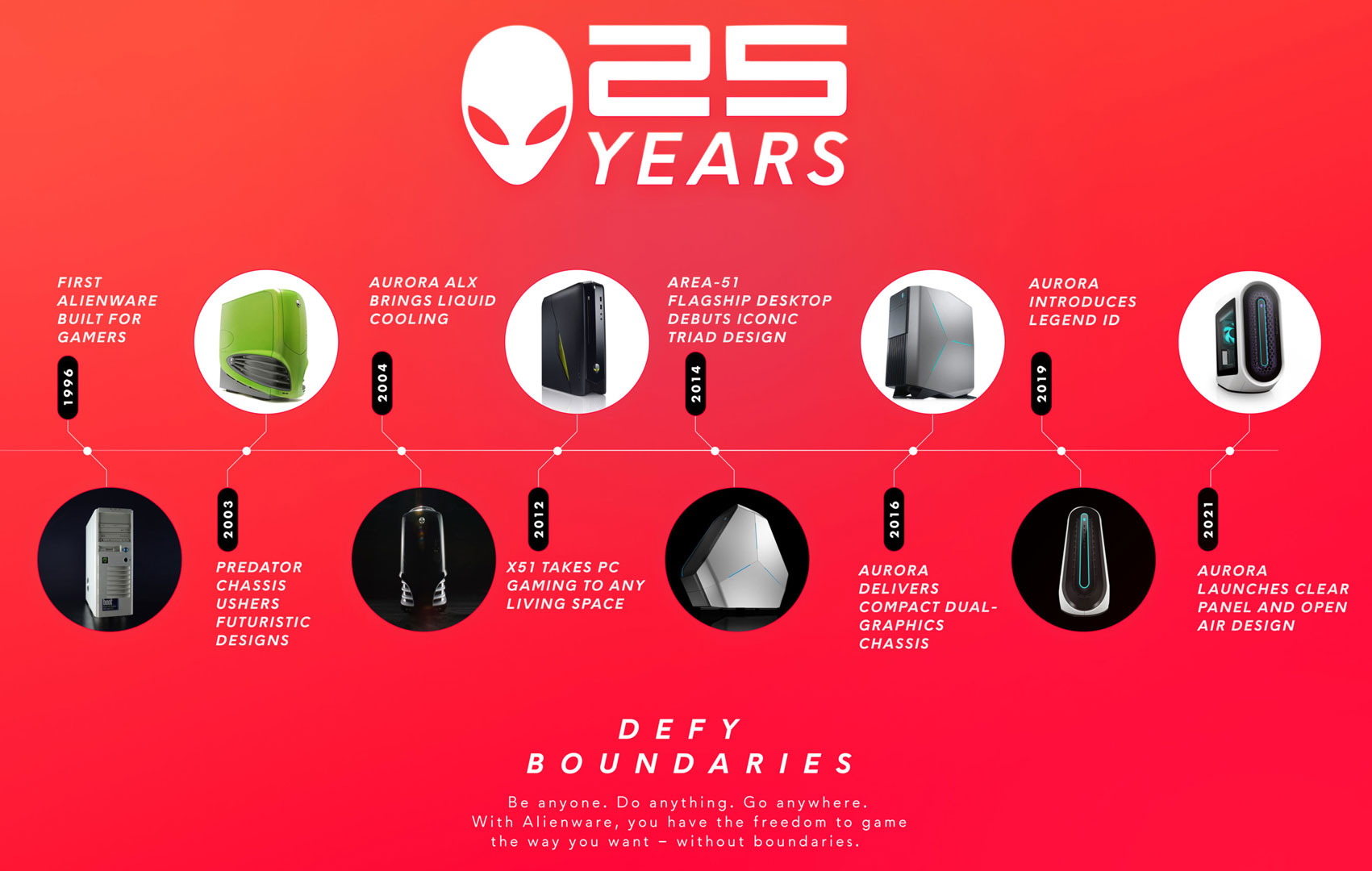
To understand the significance of this launch, one must look at the trajectory of the Alienware brand. Founded in 1996 in a small Miami office, Alienware was a pioneer in the "boutique" PC market, catering to gamers who demanded performance beyond the beige boxes of the era.
- 1996–2006: The Formative Years: Alienware established its brand identity through futuristic, unconventional designs that prioritized raw power.
- 2006: The Dell Acquisition: A watershed moment in the brand’s history, the purchase by Dell allowed Alienware to leverage massive supply chain capabilities while retaining its "alien" design philosophy.
- 2010: The Aurora ALX Era: The Aurora line had already become a staple of the desktop market by 2010. Reviews from that era, such as those archived by Bit-Tech, highlight the ALX as a high-water mark for liquid-cooled, high-performance gaming.
- 2010–2021: The Iterative Decade: Throughout the 2010s, the Aurora line underwent numerous internal updates (from R1 to R12). However, the external chassis design remained largely static, leading to criticism regarding thermal efficiency and internal space constraints.
- 2021: The 25th Anniversary Overhaul: The current announcement marks the most significant architectural change to the Aurora chassis in over a decade. It represents a move away from the "cramped" aesthetic toward a design-forward, airflow-optimized future.
Supporting Data: The Science of Silence and Speed
Alienware’s move to increase the chassis volume is not merely an aesthetic choice; it is backed by empirical data regarding thermal management. The transition from the R12 design to this new, larger form factor has yielded measurable improvements in both acoustic output and computational performance.
The Thermal-Acoustic Balance
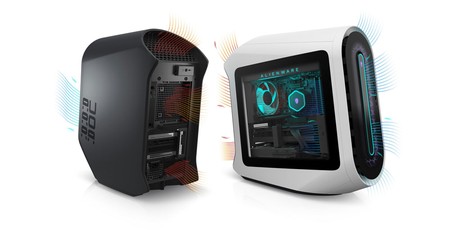
The new chassis architecture allows for a more robust cooling configuration. Every unit comes standard with at least two 120mm fans—one intake and one exhaust. Higher-spec models can be fitted with up to four 120mm fans and liquid cooling loops. According to internal tests provided by Alienware:
- Acoustic Improvements: The larger internal volume and refined airflow paths allow the system to operate up to 16 percent quieter while at idle. During intensive gaming sessions, the system is recorded as being up to 9 percent quieter than its predecessor.
- Performance Gains: By reducing the "thermal ceiling"—the point at which components throttle their speed to prevent overheating—Alienware reports that the new chassis allows for a 5 percent increase in gaming performance compared to the old chassis using identical internal components.
These figures suggest that the 50 percent increase in volume is effectively neutralizing the heat generated by the latest generation of GPUs and CPUs, which have historically pushed the thermal limits of smaller, more restrictive PC cases.
Official Responses and Strategic Positioning
Alienware’s strategy with this release is a balancing act between heritage and modern consumer expectations. During the pre-announcement briefings, company representatives emphasized the concept of "meticulous internal cable management." By offering a clear window into the machine, Alienware is essentially telling customers that they no longer need to build a custom PC to achieve the "clean" look seen in enthusiast forums.
Regarding the choice of finishes, Alienware will continue to offer the classic "Lunar Light" and "Dark Side of the Moon" colorways. These color schemes have become synonymous with the brand, providing a consistent visual language that allows the new chassis to feel like a natural evolution of the product line rather than an alien entity.
While the lack of specific CPU details is notable, industry analysts suggest this is a calculated delay. By leaving the processor options vague, Alienware keeps the door open for the upcoming releases of next-generation silicon, ensuring that the flagship Aurora remains a "future-proof" investment for the early adopters who will inevitably purchase these systems upon launch.
Implications for the Gaming Desktop Market
The release of this new Aurora has several far-reaching implications for the PC hardware market.
The Death of the "Black Box"
For years, boutique pre-built systems were often criticized for being "black boxes"—sealed, proprietary environments that were difficult to service and even harder to look at. With this move toward tool-less chassis, magnetic covers, and transparent side panels, Alienware is actively courting the DIY (Do-It-Yourself) crowd. They are acknowledging that a modern gaming desktop is as much a piece of home decor as it is a computational engine.
The Rise of the eSports Aesthetic
The focus on the rear cable cover is particularly telling. As eSports grows into a multi-billion dollar industry, the appearance of the hardware used on stage matters. Tournament organizers want clean, professional visuals, and gamers want their equipment to look as good as it performs. By integrating professional-grade cable management into a consumer flagship, Alienware is positioning itself to be the default choice for the professional gaming circuit.
Thermal Headroom as a Selling Point
As CPUs and GPUs consume more power than ever before, thermal management has become the primary bottleneck for performance. Alienware’s decision to increase the chassis size by 50 percent proves that even the largest manufacturers cannot overcome the laws of physics with software alone. The industry is trending toward larger, better-ventilated cases, and Alienware is now at the forefront of that shift.
Conclusion: A Look Toward the Next 25 Years
The 25th anniversary of Alienware is not just a celebration of the past; it is a declaration of intent for the future. By moving away from the restrictive designs of the previous decade and embracing the demands of the modern enthusiast—transparency, thermals, and cable management—Alienware has ensured that the Aurora remains relevant.
While the tech community waits for the final word on processor specifications, the new chassis serves as a robust foundation. It is a reminder that in the world of high-performance computing, the environment in which your components live is just as important as the components themselves. As the brand moves into its next quarter-century, the Aurora remains the lighthouse of the Alienware fleet—constantly shifting, slightly larger, and always focused on the horizon of performance. Whether you are a long-time fan of the brand or a new player looking for your first flagship, the new Aurora signals that Alienware is far from finished with its mission to dominate the desktop space.

 Ali Ikhwan
 Nana
Nana