Ammar Sabilarrohman
A subtle, nostalgic patch for Animal Crossing: New Horizons marks a significant milestone for the beloved life simulation series, reigniting conversations about the game’s "feature complete" status and Nintendo’s unique approach to post-launch support.
In an unexpected development that has delighted fans globally, Animal Crossing: New Horizons, the record-breaking Nintendo Switch title, received a surprise patch today, version 3.0.2. This seemingly minor update carries significant weight, as it commemorates the 25th anniversary of the Animal Crossing series, which first debuted in Japan a quarter-century ago. The patch, available now for the Nintendo Switch platform, introduces a single, poignant new item: a Leaf Statue, serving as a heartfelt nod to the franchise’s deep roots and enduring legacy.
For many players, this unexpected content drop offers a moment of reflection on a game widely considered to have concluded its major update cycle. The addition of the anniversary item, while small, underscores Nintendo’s characteristic blend of sentimentality and subtle communication, reminding fans of the series’ rich history and the special place it holds in the gaming landscape.
Main Facts: A Surprise Anniversary Gift for New Horizons
The core of today’s news revolves around the release of Animal Crossing: New Horizons patch 3.0.2. This update, weighing in with minimal data, has been deployed across the Nintendo Switch, bringing with it a solitary but symbolically potent new addition. Players who install the patch will find a special delivery awaiting them in their in-game mailbox: a commemorative Leaf Statue.
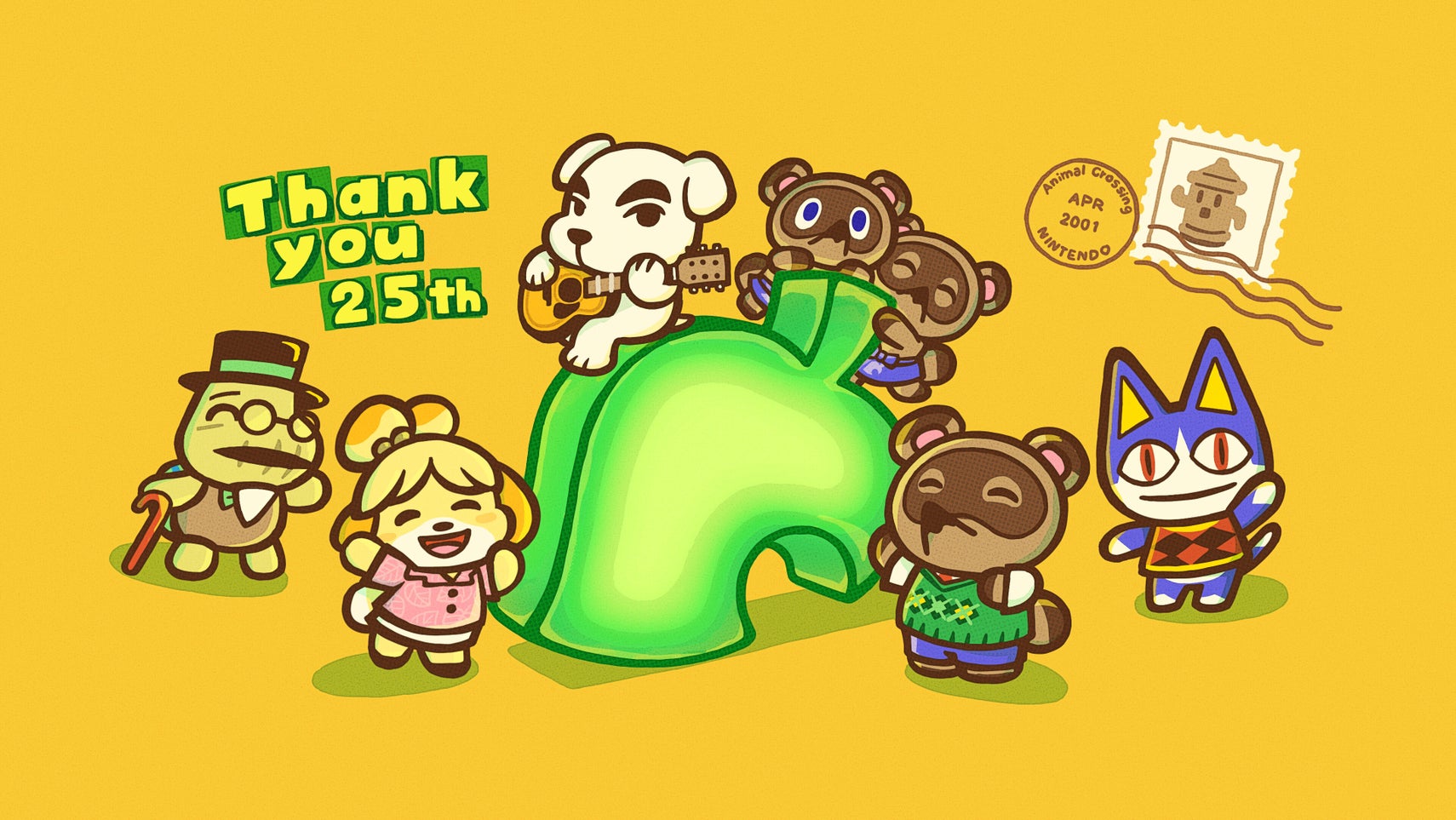
Acquiring this unique decorative item requires no special quests, Nook Miles redemption, or interaction with specific villagers. Instead, it’s a direct gift from Nintendo, automatically placed into every player’s mailbox. Accompanying the Leaf Statue is a heartfelt message from the developers, expressing gratitude to the legions of fans who have supported the Animal Crossing series throughout its illustrious history. This message is further adorned with a charming Nintendo 64-era stamp, a direct visual homage to the console where the series first took root.
The Leaf Statue itself, when placed within a player’s home or across their island, offers a subtle visual flourish by emitting a gentle glow. Its design echoes the iconic leaf motif that has become synonymous with the Animal Crossing brand – representing items, resources, and the very essence of the game’s natural, pastoral setting. For a title that many believed had received its final significant content update, this anniversary item serves as a delightful, if modest, reminder of the series’ ongoing vitality and Nintendo’s occasional propensity for pleasant surprises. While the bulk of the patch notes detail various bug fixes and performance enhancements – a standard practice for maintaining game stability – the Leaf Statue stands out as the undeniable highlight, a small beacon celebrating a monumental anniversary.
A Quarter-Century Journey: The Animal Crossing Chronology
The Animal Crossing series has cultivated a unique identity over 25 years, evolving from a niche Japanese release into a global cultural phenomenon. Its journey is a testament to the enduring appeal of tranquil village life, charming animal neighbors, and the freedom of self-expression.
From "Animal Forest" to Global Phenomenon: The Genesis
The genesis of Animal Crossing dates back to April 14, 2001, with the Japanese release of Dōbutsu no Mori (literally "Animal Forest") on the Nintendo 64. This foundational title, developed by Katsuya Eguchi and Hisashi Nogami, laid the groundwork for the core gameplay loop: a human character moving into a village populated by anthropomorphic animals, engaging in activities like fishing, bug catching, fossil digging, decorating, and forging friendships. Its real-time clock and calendar system, which synchronized with the player’s console, introduced a revolutionary sense of persistent, evolving world-building, making each day a unique experience.
Later that year, in December 2001, the game received an enhanced port for the Nintendo GameCube in Japan, titled Dōbutsu no Mori+. This version incorporated additional features and content, setting the stage for its international debut. It was this GameCube iteration that was localized and released in North America in September 2002 as Animal Crossing, introducing Western audiences to its distinctive brand of life simulation. The GameCube version further expanded with Dōbutsu no Mori e+ in 2003, adding even more content for Japanese players.
Expanding Horizons: Handheld Success and Wii Innovations
The series truly began its ascent into mainstream consciousness with the release of Animal Crossing: Wild World for the Nintendo DS in 2005. Leveraging the DS’s dual screens and wireless capabilities, Wild World refined the core formula, offering greater portability and introducing online multiplayer, allowing friends to visit each other’s towns for the first time. This game sold over 11 million copies worldwide, solidifying the series’ potential for broader appeal.
The next major console entry, Animal Crossing: City Folk (known as Animal Crossing: Let’s Go to the City in Europe and Australia), arrived on the Nintendo Wii in 2008. While building upon the Wild World foundation, it introduced a new central hub – the city – where players could access shops, a theatre, and even a salon. It also supported the Wii Speak accessory for in-game voice chat, further enhancing the social aspects.
New Leaf and Mobile Ventures: Deepening Customization and Accessibility
The Nintendo 3DS saw the release of Animal Crossing: New Leaf in 2012 (2013 internationally), a pivotal title that drastically expanded player agency. For the first time, players assumed the role of the town’s mayor, granting them unprecedented control over public works projects, town ordinances, and the placement of new buildings. This enhanced customization, coupled with improved graphics and a wealth of new items and villagers, made New Leaf a critical and commercial success, selling over 13 million units and cementing its status as a fan favorite.
In 2017, Nintendo ventured into the mobile market with Animal Crossing: Pocket Camp. This free-to-play title brought the series’ charm to smartphones, focusing on campsite management, crafting, and building relationships with animal campers. While different in scope from the mainline games, Pocket Camp served as an accessible entry point for new players and maintained the series’ presence ahead of its next major console release.
The Pandemic Phenomenon: Animal Crossing: New Horizons
The most recent and arguably most impactful installment, Animal Crossing: New Horizons, launched on the Nintendo Switch on March 20, 2020. Its release coincided almost perfectly with the onset of global lockdowns due to the COVID-19 pandemic. New Horizons offered players a much-needed escape, a virtual island paradise to customize, develop, and share with friends when real-world interactions were limited.
The game broke sales records for the franchise and for Nintendo Switch titles, selling over 44.79 million units worldwide as of March 2024, making it the second best-selling game on the console. It introduced extensive terraforming capabilities, advanced crafting, and a robust online component that allowed for elaborate island tours and community events. While New Horizons received numerous free updates throughout its first year and a half, culminating in the massive Happy Home Paradise paid DLC and the 2.0 free update in November 2021, Nintendo explicitly stated that the 2.0 update would be the "final major free content update." This made today’s anniversary patch a truly unexpected, albeit minor, addition, adding another interesting chapter to the series’ long and storied history.
Supporting Data: The Enduring Appeal and Community Engagement
The continued engagement with Animal Crossing: New Horizons, even years after its initial release and the conclusion of major content updates, speaks volumes about the series’ profound impact and its dedicated player base. The game’s sales figures alone are staggering, with over 44 million copies sold globally, positioning it as one of the best-selling titles on the Nintendo Switch and in Nintendo’s history. This commercial success is not merely a number; it represents millions of players who have invested countless hours into cultivating their virtual islands, fostering relationships with animal villagers, and expressing their creativity through customization.
The critical reception for New Horizons was overwhelmingly positive, with reviewers praising its expansive customization options, charming aesthetic, and therapeutic gameplay loop. It garnered numerous Game of the Year awards and nominations, lauded for its ability to provide comfort and community during a challenging global period. The game’s release during the initial wave of the COVID-19 pandemic amplified its cultural significance, transforming it from a mere entertainment product into a vital social platform for many. Players used their islands for virtual weddings, graduations, talk shows, and even political campaigns, demonstrating the game’s unexpected versatility and its capacity to bridge real-world needs with digital spaces.
Beyond sales and critical acclaim, the Animal Crossing community remains incredibly vibrant. Online forums, social media groups, and dedicated fan websites continue to thrive, with players sharing island designs, trading rare items, and celebrating their in-game achievements. This enduring engagement, even in the absence of frequent major updates, highlights the intrinsic replayability and timeless appeal of the Animal Crossing formula.
The decision by Nintendo to release a small, commemorative item like the Leaf Statue, years after the declared "final major update," demonstrates an awareness of this passionate fan base. While not a game-changing addition, it serves as a symbolic gesture, a small "thank you" that acknowledges the loyalty and love players have poured into their islands. Such an update, though minimal in scope, can often reignite community discussions, prompt players to revisit their islands, and generate renewed appreciation for the game’s long-term support, however intermittent. It taps into the nostalgia factor, reminding veteran players of the series’ origins and introducing newer fans to the depth of its history.
Official Responses: Nintendo’s Subtle Nod to Legacy
Nintendo’s approach to game updates, particularly for titles considered "feature complete" like Animal Crossing: New Horizons, often differs from that of other major publishers. Rather than elaborate press releases or developer diaries detailing every minor patch, Nintendo frequently opts for a more understated, almost silent, deployment. The 3.0.2 update is a prime example of this philosophy. There was no pre-announcement, no grand reveal; simply a new patch available for download, with the anniversary item discovered by players upon logging in.

This subtle communication style is characteristic of Nintendo, which often allows the content to speak for itself, relying on its dedicated community to discover and disseminate the news. In the context of an anniversary, this quiet delivery adds a layer of genuine sentimentality. It feels less like a marketing ploy and more like a heartfelt, personal gift to the player base. The accompanying in-game message, brief and appreciative, reinforces this notion, echoing Nintendo’s general philosophy of fostering a direct, almost familial, relationship with its audience.
The inclusion of the Nintendo 64 stamp on the in-game mail is particularly telling. It’s a direct and deliberate homage to the series’ origins, signaling that Nintendo remembers and values its own history. For a company known for its meticulous preservation of its intellectual properties, this detail is more than just an aesthetic choice; it’s a statement. It connects New Horizons, the pinnacle of the series’ modern success, back to its humble beginnings on a console from a different era. This subtle historical linkage serves to enrich the player’s experience, providing a deeper context for the beloved game they are playing.
Furthermore, this update can be interpreted as a reinforcement of Nintendo’s commitment to the longevity of its first-party titles. Even when major content expansions cease, minor updates for bug fixes or commemorative items demonstrate that a game is not truly abandoned. It reassures players that their investment in a Nintendo title, even years down the line, can still yield small, delightful surprises. This long-term, if often quiet, support fosters a sense of trust and loyalty that is unique to Nintendo’s brand.
Implications: What This Means for New Horizons’ Future
The arrival of the 25th-anniversary patch for Animal Crossing: New Horizons carries several implications, both for the game itself and for broader player expectations within the live-service gaming landscape.
Firstly, regarding New Horizons‘ "feature complete" status, this update doesn’t fundamentally alter it. Nintendo’s previous declaration that the 2.0 update would be the final major free content expansion likely still stands. The Leaf Statue is a commemorative item, a historical bookmark, rather than the vanguard of a new wave of gameplay features or significant expansions. Players hoping for new villagers, substantial gameplay mechanics, or additional paid DLC should likely temper their expectations. However, it does suggest that small, celebratory, or bug-fix-oriented patches remain a possibility. This maintains a subtle pulse for the game, ensuring its technical stability and allowing for these occasional, nostalgic gestures.
Secondly, this update highlights the remarkable longevity of Nintendo Switch titles and Nintendo’s strategic approach to its console lifecycle. The Switch, now several years into its lifespan, continues to receive support for its most popular games. By periodically pushing out these minor updates, Nintendo keeps its flagship titles relevant and occasionally brings players back, even if just for a moment. This strategy is crucial in maintaining player engagement and ensuring the Switch remains a vibrant platform, particularly as discussions about next-generation hardware continue. It also underscores that even without constant new content, the core appeal of New Horizons is strong enough to warrant these touches.
Thirdly, the player sentiment surrounding this update is multifaceted. Many players will simply appreciate the unexpected gift and the opportunity to celebrate a cherished series. For these fans, the small gesture is enough to evoke fondness and a sense of connection. However, some segments of the community, who have long vocalized their desire for more substantial content or quality-of-life improvements, might view this as a bittersweet reminder of unfulfilled potential. It’s a delicate balance for developers of live-service games: how to acknowledge an anniversary without inadvertently fueling expectations for a renewed content roadmap. In this case, the highly specific, commemorative nature of the item helps to frame it as a standalone tribute rather than a precursor.
Finally, this update contributes to a broader industry trend of celebrating anniversaries within live-service or long-running game titles. It’s a way for developers to acknowledge their heritage, engage their existing player base, and potentially attract lapsed players back into the fold. For Animal Crossing, a series deeply rooted in nostalgia and community, such a tribute resonates particularly strongly. It reinforces the idea that games, much like real-world communities, have histories worth celebrating, and that small tokens can carry significant emotional weight. The Leaf Statue is not just an in-game item; it’s a symbol of a quarter-century of shared experiences, friendships forged, and virtual worlds brought to life.
Conclusion
The surprise 25th-anniversary patch for Animal Crossing: New Horizons is a small update with a large heart. It serves as a gentle reminder of the series’ enduring charm, its remarkable quarter-century journey from "Animal Forest" on the N64 to the global phenomenon that is New Horizons. While not a harbinger of major new content, the Leaf Statue and its accompanying N64-stamped message represent a poignant nod from Nintendo to its dedicated fan base, acknowledging their unwavering support and the profound cultural impact of the Animal Crossing universe.
This subtle gesture reinforces Nintendo’s unique approach to game longevity and community engagement, demonstrating that even "feature complete" titles can still offer delightful, nostalgic surprises. As players place their glowing Leaf Statues on their islands, they are not just decorating a virtual space; they are participating in a celebration of a beloved legacy that continues to bring joy, creativity, and connection to millions around the world. The Animal Crossing series, even after 25 years, continues to thrive, leaving an indelible mark on the gaming landscape.


 Lina Irawan
 Sagoh
Sagoh