Asep Darmawan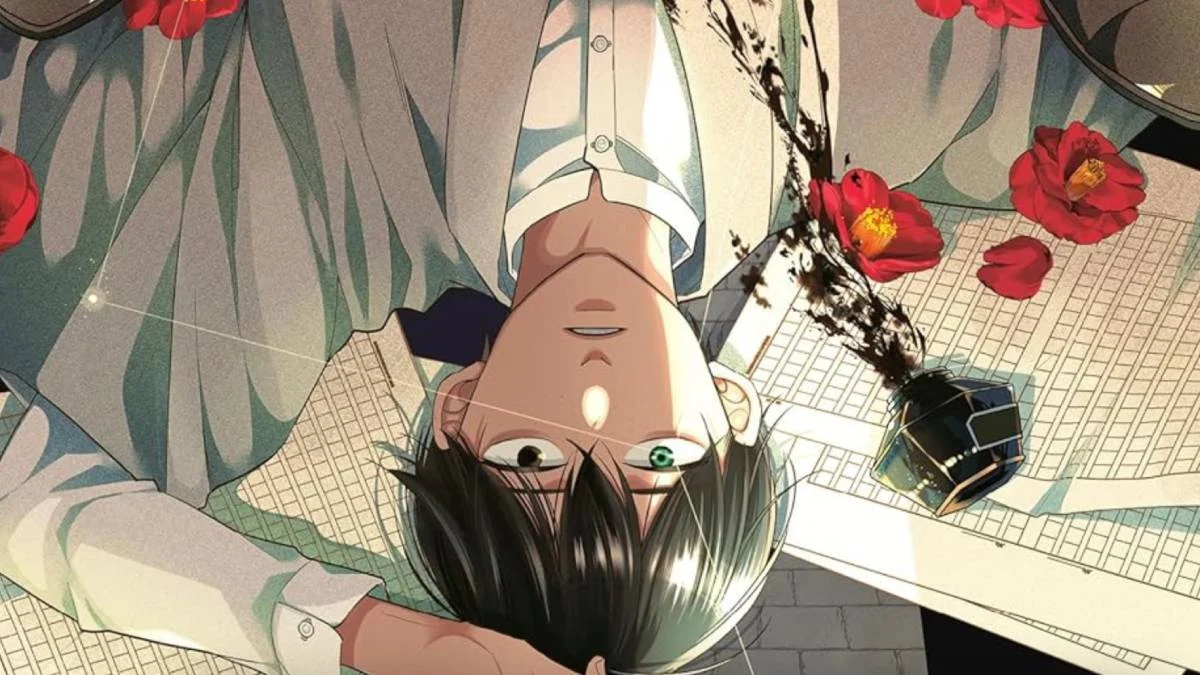
After the meteoric success of Cherry Magic: Thirty Years of Virginity Can Make You a Wizard, mangaka Yuu Toyota cemented their status as a master of the "feel-good" genre. The series, which chronicled the heartwarming, supernatural-tinged romance of Adachi and Kurosawa, became a global cultural phenomenon, spawning both a beloved anime adaptation and a successful live-action drama. Given this trajectory, the industry and fans alike were poised to see if Toyota would continue to mine the depths of wholesome romantic comedy.
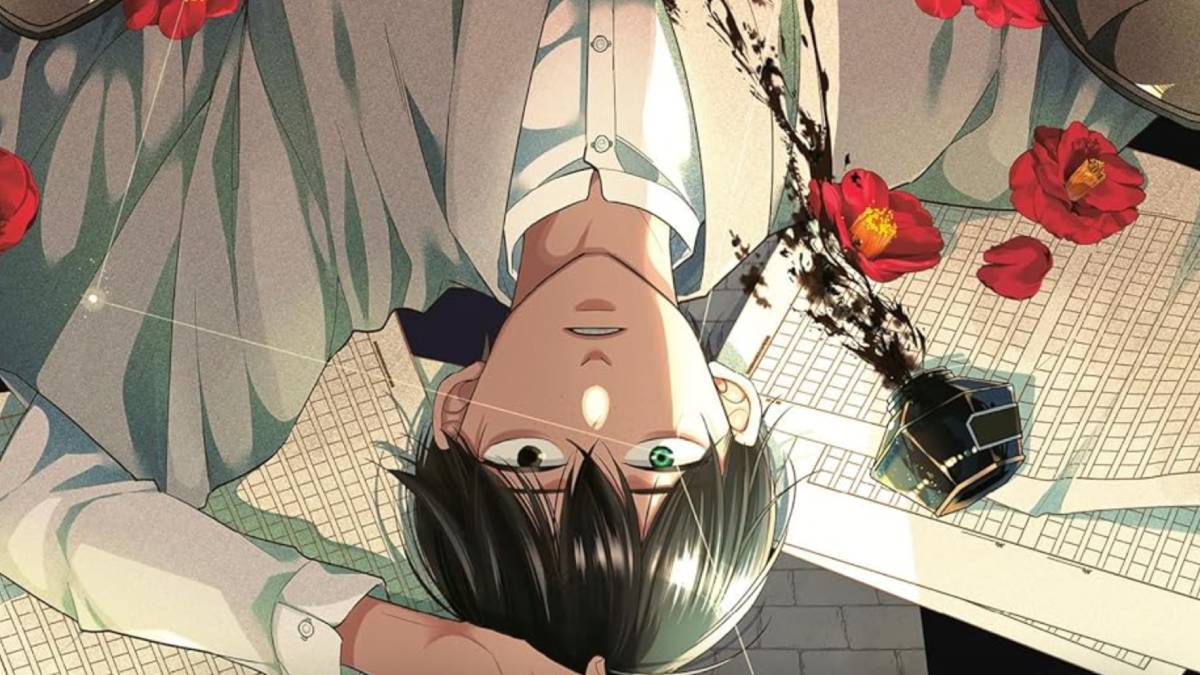
However, with the release of A Starlit Darkness, published internationally by Square Enix, Toyota has taken a jarring, albeit brilliant, left turn. Trading the whimsical office corridors of Cherry Magic for the atmospheric, high-stakes gloom of Taisho-era Japan, Toyota has traded "magic" for "menace." This new series serves as a psychological thriller that explores the toxicity of envy, the burden of failure, and the dangerous allure of a savior who might actually be a siren.
The Foundation: A Shift in Tone and Setting
A Starlit Darkness departs from the contemporary, lighthearted tropes that defined Toyota’s previous work. Set against the backdrop of the Taisho era—a time of rapid cultural shifts and social inequality in Japan—the story introduces us to Subaru Karasuma. Subaru is a man at the end of his rope, physically and emotionally drained by crushing debt and a career that has stalled before it truly began.
The narrative hook is immediate and haunting. Subaru’s attempt to reclaim a coal brazier from his neighbors—a move driven by the desperate desire to end his own life via carbon monoxide poisoning—is intercepted by the unexpected presence of a literary collective. Among them is Geppo Yagira, a highly successful, wealthy, and socially adept author. The encounter is not one of gentle intervention, but rather a calculated, predatory engagement. Geppo sees the vulnerability in Subaru and, rather than offering simple charity, offers a "deal with the devil": a chance to write for their exclusive magazine in exchange for money, effectively bullying Subaru back into the world of the living.
Chronology of a Descent: From Despair to Dependency
The narrative structure of A Starlit Darkness is meticulously crafted to mirror the psychological disintegration of its protagonist.
- The Catalyst: The first chapter establishes the baseline of Subaru’s life: a suffocating sense of failure. His interaction with Geppo is the turning point, moving him from a state of total isolation to a state of forced inclusion.
- The Envy Cycle: As the narrative progresses, the reader is forced to sit within the headspace of Subaru. He is hyper-aware that he and Geppo are peers—they attended school together, they were published in the same venues—yet their trajectories have diverged violently. This creates a volatile cocktail of admiration and intense, burning jealousy.
- The False Savior: Throughout the first volume, Geppo appears to be an angel of mercy. He secures funds for Subaru, provides him a platform, and offers mentorship. However, the pacing of the storytelling allows the reader to perceive the suffocating nature of this "help." Every act of kindness from Geppo feels like a tightening noose around Subaru’s agency.
- The Perspective Shift: In chapters three and four, the narrative scope expands. By moving away from a purely subjective experience of Subaru’s misery, the reader gains a glimpse into Geppo’s internal world. This pivot is essential, as it transforms the story from a simple tale of victim and savior into a complex study of two men whose lives are inextricably linked by a dark, mutual obsession.
Supporting Data: The Anatomy of a Psychological Thriller
To understand why A Starlit Darkness is so compelling, one must analyze the thematic pillars that support the narrative. Unlike Cherry Magic, which relies on the "what if" of supernatural mind-reading to facilitate communication, A Starlit Darkness relies on the "what if" of human manipulation.
The Taisho Aesthetic as a Character
The choice of the Taisho era is not merely for period flavor. It represents a liminal space in Japanese history—a period of "Taisho Democracy" that struggled against deep-seated traditions and the encroaching shadow of militarism. By placing a struggling artist in this specific time, Toyota highlights the fragility of the individual against a society that demands perfection.
The Mechanics of Manipulation
Psychological studies on dependency often highlight how "benevolent" manipulation is the most difficult to detect. Geppo’s characterization is a masterclass in this. He utilizes:
- Financial Leverage: By controlling Subaru’s economic survival, he gains control over his creative output.
- Intellectual Dominance: By constantly reminding Subaru of their shared past, he keeps Subaru in a state of perpetual comparison.
- Isolation: By pulling Subaru into a small, insular collective of writers, he limits Subaru’s external support systems.
Official Stance and Industry Reception
Square Enix’s decision to bring A Starlit Darkness to a worldwide audience signals a clear strategy: they are betting that the audience who discovered Toyota through Cherry Magic is sophisticated enough to follow the creator into darker territory.
While the publisher has not released raw sales figures, the proactive localization and the scheduling of Volume 2 for September 15, 2026, suggest strong confidence in the series’ longevity. The marketing campaign has leaned into the "from the creator of Cherry Magic" tag, not to sell a similar story, but to sell a transition. It is an invitation to witness a creator’s range.
In interviews surrounding the Japanese release, Toyota has hinted that this series is an exploration of the "dark side of passion." While Cherry Magic explored how love can heal, A Starlit Darkness explores how creative obsession can consume.
The Implications: Why This Matters for Manga
The success of A Starlit Darkness could mark a significant shift in how we perceive the "authorial brand" in manga. Too often, mangaka are pigeonholed into specific sub-genres based on their breakout hits. Toyota’s pivot is a bold defiance of this industry trend.
Implications for Readers
For the reader, this series provides a challenging experience. It lacks the safety net of the "happily ever after" expectations associated with rom-coms. It forces the audience to question their own empathy. Are we rooting for Subaru because he is "good," or because he is broken? Are we disgusted by Geppo, or are we secretly impressed by his command of the situation?
Implications for the Medium
The psychological complexity of the interaction between the two leads demonstrates the maturity of the seinen/josei market. As manga continues to break into mainstream Western literature circles, stories that prioritize psychological nuance over genre tropes are becoming increasingly valuable. A Starlit Darkness is not just a manga; it is a case study in human dynamics.
Conclusion: A Dangerous Allure
A Starlit Darkness is a testament to Yuu Toyota’s versatility. By stripping away the supernatural convenience of Cherry Magic, Toyota has exposed the raw, ugly, and fascinating nerves of the human condition. It is a story about the weight of expectations, the bitterness of comparison, and the terrifying realization that the person saving you might be the one keeping you trapped.
As readers await the second volume, the question remains: will Subaru eventually break free from the gravitational pull of Geppo’s influence, or is he destined to be pulled into the event horizon of his own envy? Whatever the outcome, A Starlit Darkness has firmly established itself as one of the most intriguing, tension-filled, and psychologically dense manga series currently on the market. It is a haunting departure that proves, definitively, that Toyota’s talent is far from one-dimensional. Whether you are a fan of their previous work or a newcomer looking for a dark, character-driven narrative, this is a series that demands your attention—and perhaps, tests your nerves.


 Asro
Asro
 Muslim