Nana Wu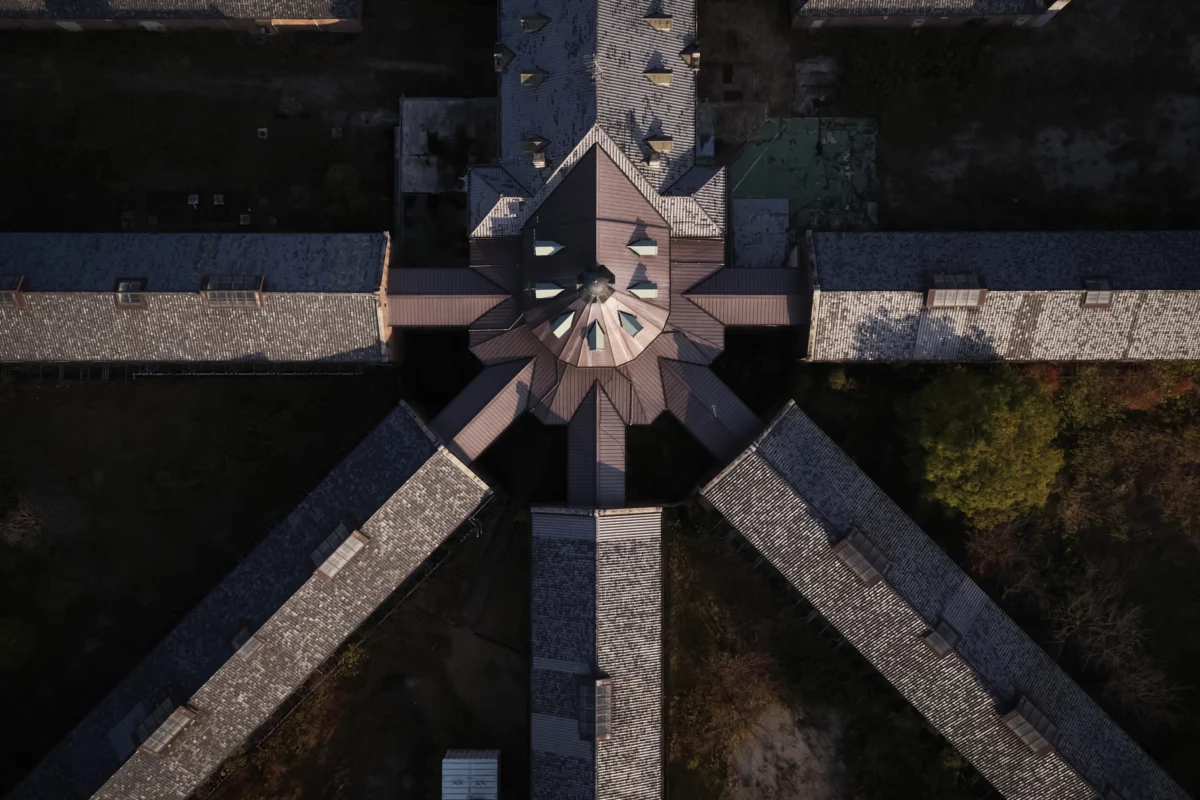
In a bold reimagining of heritage conservation and high-end hospitality, Hoshino Resorts has officially opened the doors to Hoshinoya Nara Prison. This groundbreaking project, which welcomed its first guests on June 25, 2026, breathes new life into one of Japan’s most significant architectural relics: the former Nara Prison. By blending the stark, disciplined aesthetic of a Meiji-era correctional facility with the refined, minimalist luxury for which the Hoshinoya brand is renowned, the resort offers an experience that is as historically profound as it is exclusive.
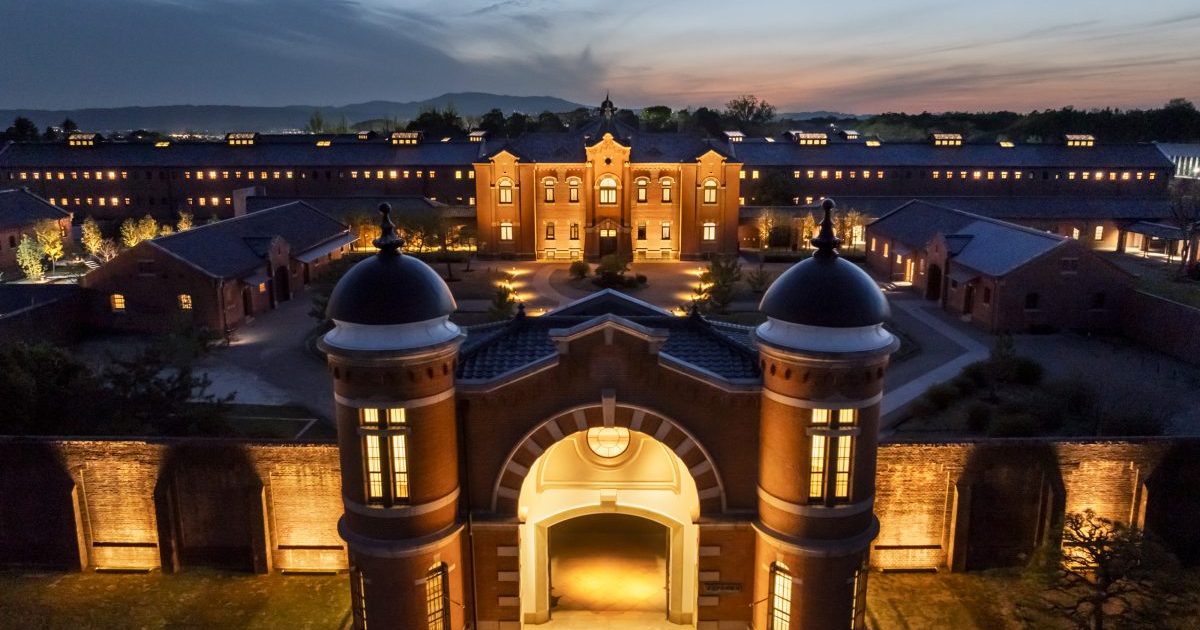
For travelers seeking a departure from the traditional ryokan or modern skyscraper hotel, this property offers a rare opportunity to sleep within the thick, red-brick walls of a site that once stood at the center of Japan’s penal evolution.
The Genesis of an Architectural Icon
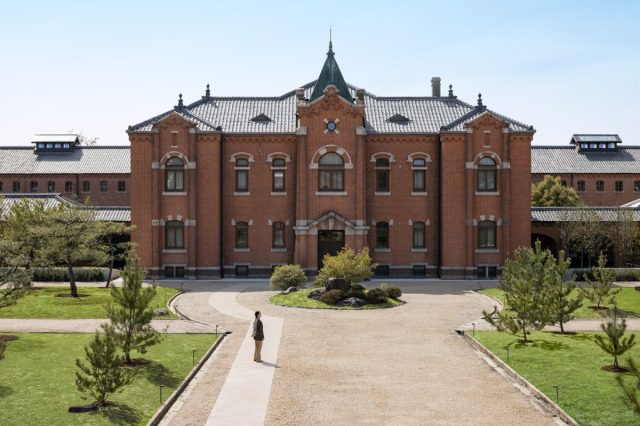
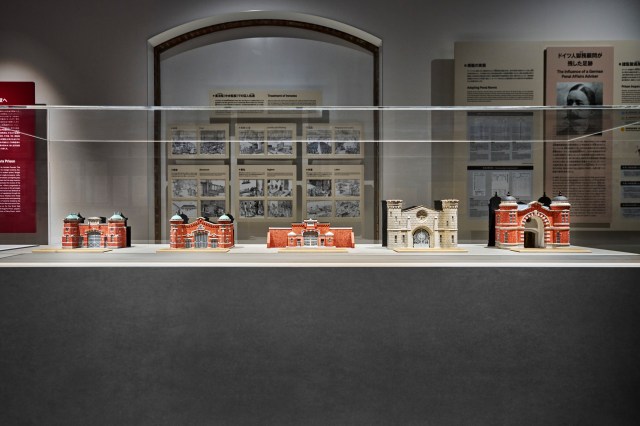
Constructed in 1908, the Nara Prison was one of the famed "Five Great Meiji Prisons," a collection of state-of-the-art facilities designed to signal Japan’s modernization to the Western world. Alongside counterparts in Chiba, Kanazawa, Nagasaki, and Kagoshima, the Nara site was designed by the visionary architect Keijiro Yamashita.
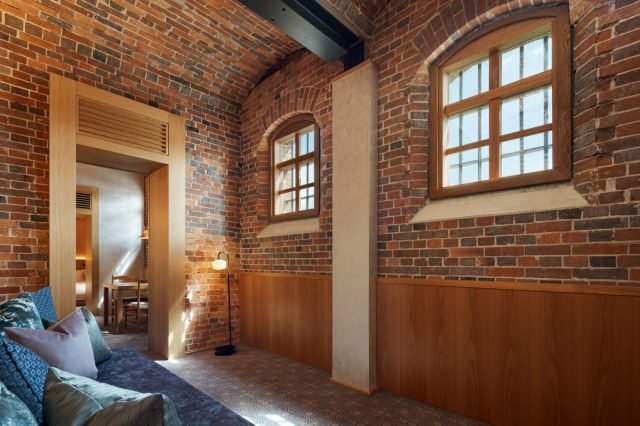
Yamashita’s design was revolutionary for its time, incorporating the "Haviland System"—a radial floor plan where cell blocks emanate from a central guard tower. This layout allowed for maximum surveillance with minimal staff, a hallmark of 19th-century penology. Built from locally sourced bricks, the facility is a masterclass in Meiji-era industrial architecture, featuring imposing Romanesque-style arched windows and robust masonry that has stood the test of time for over a century.
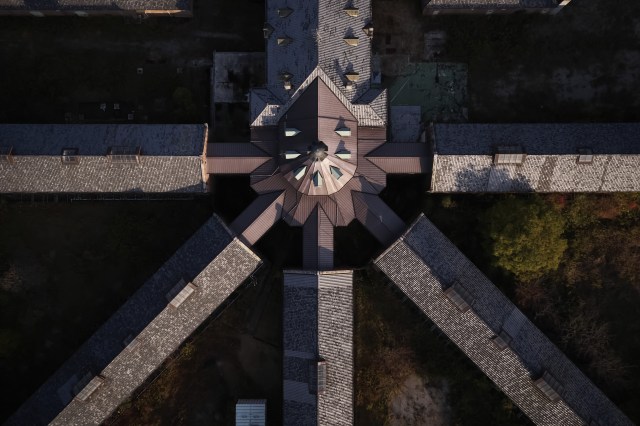
A Century of Transformation: From Incarceration to Innovation
The site’s transition from a functioning prison to a luxury hotel has been a long, meticulous process. For decades, the facility operated as the Nara Juvenile Prison, housing young offenders until its eventual closure in 2017. Following its decommissioning, the site was designated as an Important Cultural Property, prompting a nationwide conversation about how to preserve such a massive, politically sensitive structure.
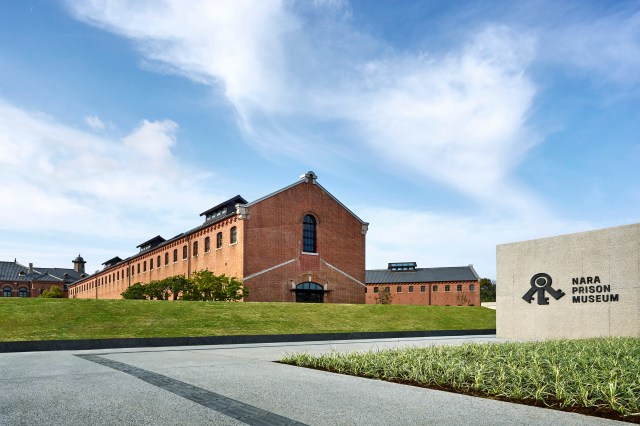
Recognizing the site’s potential as a cultural asset, the Japanese government sought proposals from the private sector to revitalize the land. Hoshino Resorts emerged as the successful bidder, pledging to balance the preservation of the prison’s somber, historic identity with the demands of a world-class hotel.
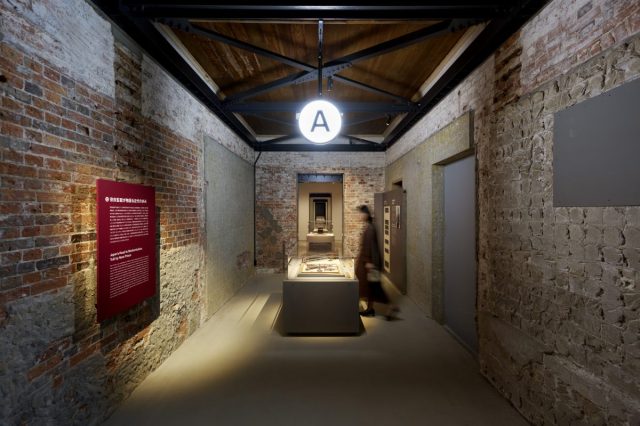
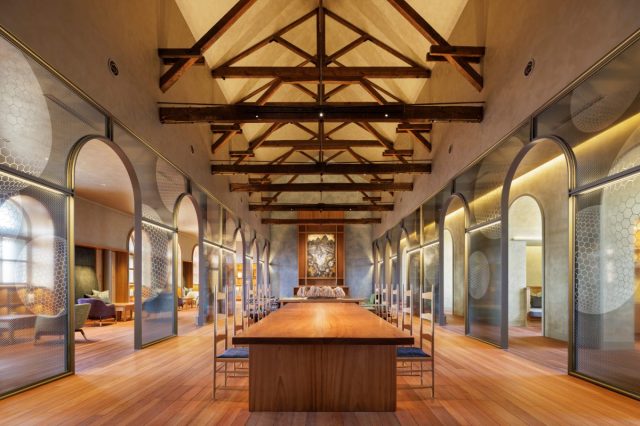
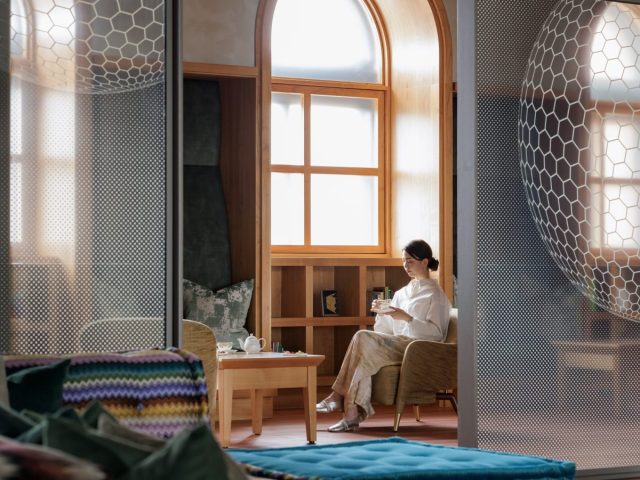
The resulting transformation is a careful study in contrasts. The facility now functions as a dual-purpose site: a 48-room luxury hotel and a comprehensive public museum. The museum, which occupies key wings of the former prison, serves as a poignant reminder of the site’s history, while the hotel offers a surreal, meditative environment for guests who are encouraged to "slow down" by the intentional absence of modern distractions like televisions and clocks.
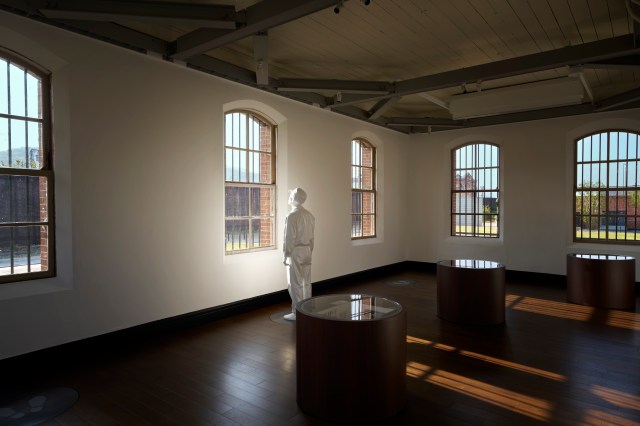
Architectural Integrity and the "11-Cell Deluxe" Experience
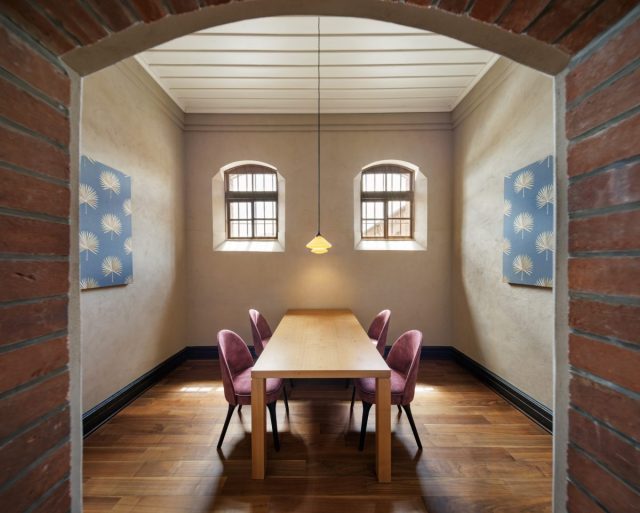
The hotel’s design philosophy, described by Hoshino Resorts as "classic prison architecture meets modern elegance," relies on the clever repurposing of existing volumes. Because individual prison cells were small, the architects have combined between nine and eleven former single-occupancy cells to create a single guest room.
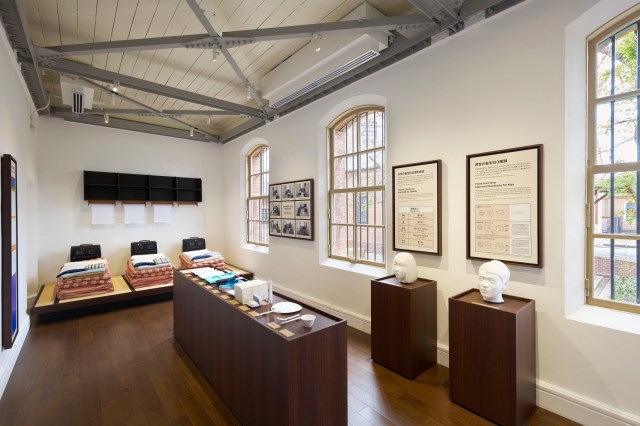
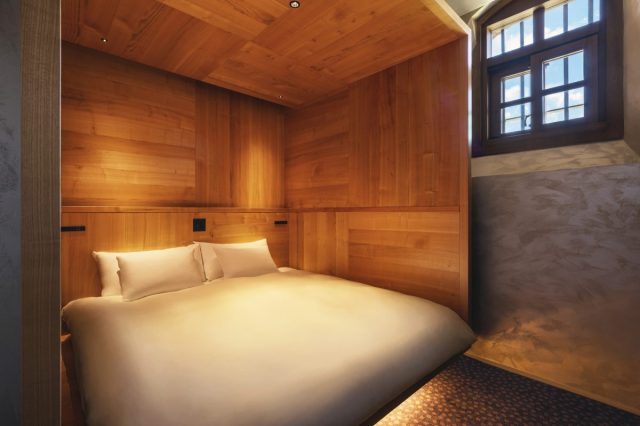
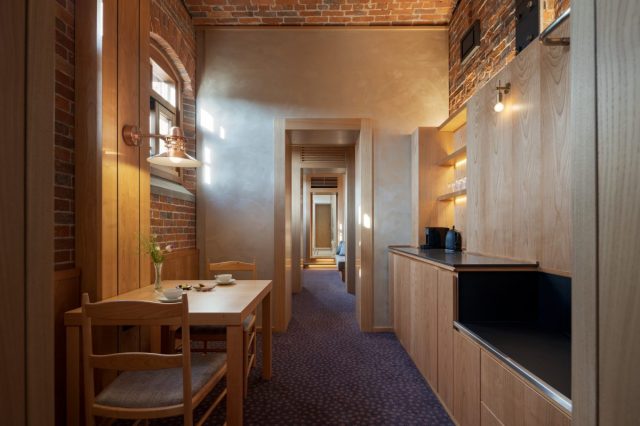
This structural intervention has resulted in unique, expansive suites. The flagship "11-Cell Deluxe" category, for instance, spans the combined footprint of eleven cells, offering guests a cavernous living space that retains the original 3.5-meter (11.5-foot) vaulted ceilings and heavy iron window grilles. The juxtaposition of soft, high-end linens against the cold, historic brick walls creates an atmosphere of "monastic luxury."
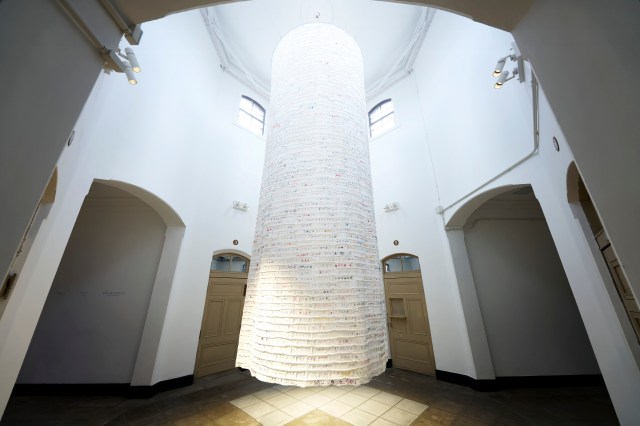
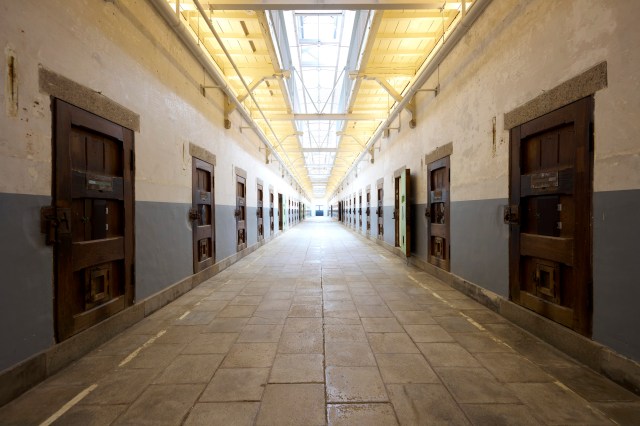
Visitors can still observe the original wooden doors and heavy iron locks—elements that have been preserved to remind guests of the building’s original purpose. By removing the visual clutter of modern technology, Hoshino Resorts forces a sensory focus on the architecture itself, allowing the light filtering through the high, narrow windows to dictate the rhythm of the day.
The Cultural Narrative: The Nara Prison Museum
For those who wish to engage with the site’s history without checking in for the night, the Nara Prison Museum provides a comprehensive look at the evolution of Japanese justice. The museum is divided into three distinct exhibition wings, each focusing on different facets of the prison experience.
One of the most moving sections is located in the former infirmary, where a collection of artwork, calligraphy, and literary works produced by former inmates is on display. These pieces offer a raw, humanizing perspective on life behind bars, challenging visitors to reconsider the concepts of justice, rehabilitation, and the loss of freedom.
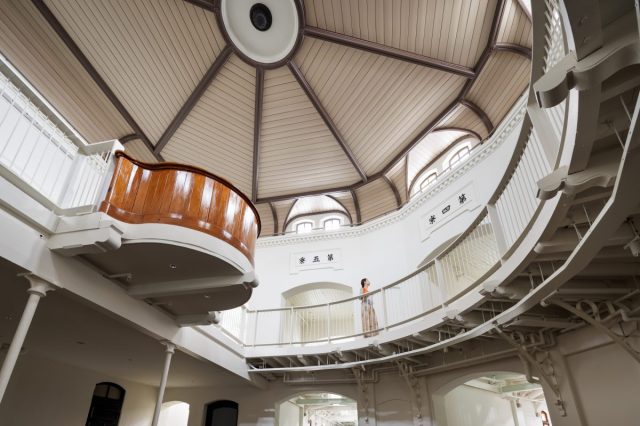
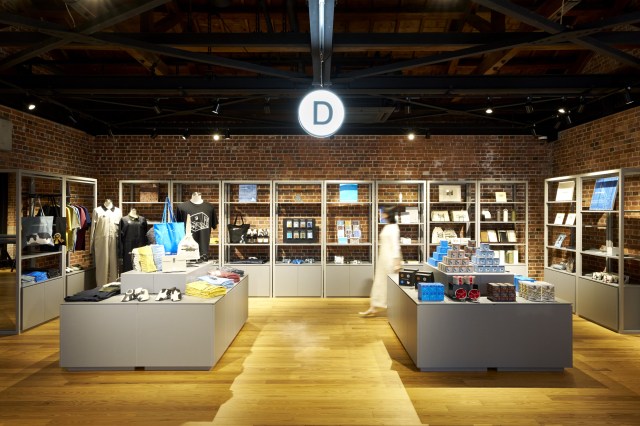
The museum’s shop further underscores this mission by offering items crafted in correctional facilities across Japan, highlighting the modern vocational training programs that still exist within the Japanese penal system.
Gastronomy: A Journey Through Time
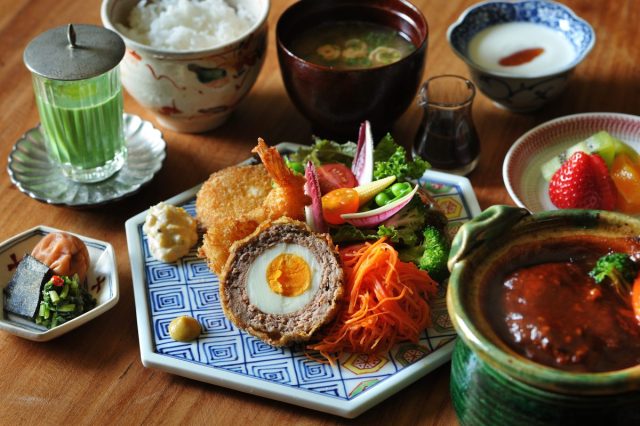
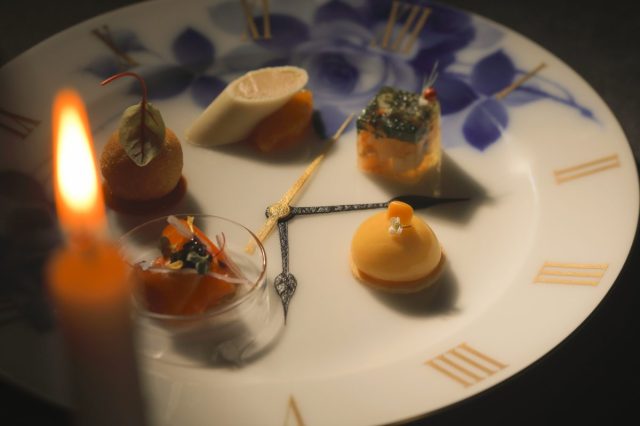
Dining at Hoshinoya Nara Prison is an event in itself. Located in the area of the building once used for processing inmates awaiting trial, the dining room now serves as an upscale venue for French-inspired, locally sourced cuisine. The culinary concept, dubbed "A Gastronomic Journey Through Japan’s Modernization," seeks to mirror the historical shifts of the Meiji era through the lens of food.
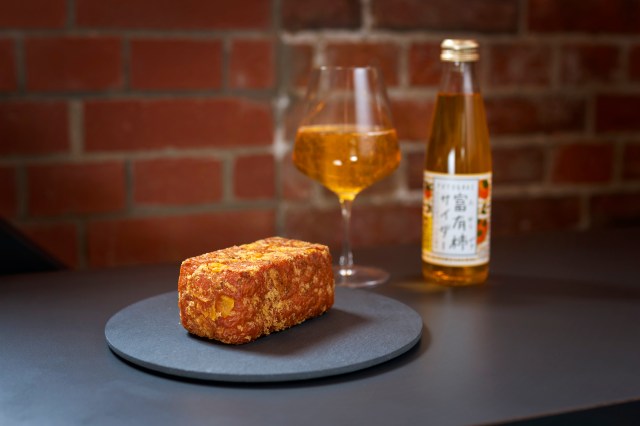
The attention to detail extends even to the cafe, where guests can enjoy playful nods to the setting, such as brick-shaped curry bread—a direct reference to the iconic red masonry of the building’s exterior.
Official Responses and Strategic Implications
Hoshino Resorts has positioned this project as a flagship example of "heritage tourism." By taking a site that might otherwise have fallen into disrepair and turning it into a revenue-generating, culturally significant destination, they are setting a new standard for historic preservation in Japan.
"We wanted to honor the history of this place while providing a space for reflection," a representative from Hoshino Resorts stated during the opening ceremony. "It is not about glamorizing incarceration; it is about recognizing the architecture of the past and giving it a new life that serves the community and the traveler alike."
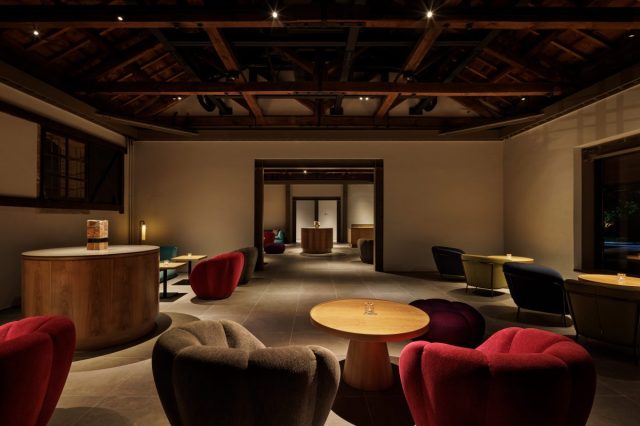
Critics and preservationists have generally praised the project for its restraint. Unlike other "prison hotels" globally that lean into kitsch or horror tropes, Hoshinoya has maintained a respectful, somber, and deeply architectural focus.
The Cost of History: Economic Barriers and Accessibility
Despite the project’s success, it remains an exclusive experience. With room rates starting at 147,000 yen (approximately US$910) per night—before meals—the hotel is positioned firmly in the ultra-luxury segment. This price point has sparked debate regarding the accessibility of public heritage sites.
However, the tiered access model—where the public can visit the museum for a modest fee of 2,500 yen—acts as a democratic bridge, ensuring that the site remains available to the general public, not just the elite.
Implications for the Future of Historic Landmarks
The success of Hoshinoya Nara Prison will likely influence how other municipalities in Japan approach the disposal of aging government infrastructure. With a shrinking population and an abundance of historic yet aging public buildings, Japan faces a crisis of what to do with its architectural legacy.
If Hoshino Resorts can prove that such a challenging, stigmatized, and structurally rigid building can be successfully adapted for modern use, it may open the door for a wave of similar projects. From old factories to defunct government offices, the model of "adaptive reuse" pioneered here suggests that history does not have to be demolished to be useful.
For the traveler, Hoshinoya Nara Prison offers more than just a bed; it offers a dialogue with the past. As guests walk through the silent, sunlight-streaked corridors, they are invited to contemplate the meaning of confinement in a space that has finally, after a century, been granted its own form of liberation.


 Neng Nana
 Asro
Asro