

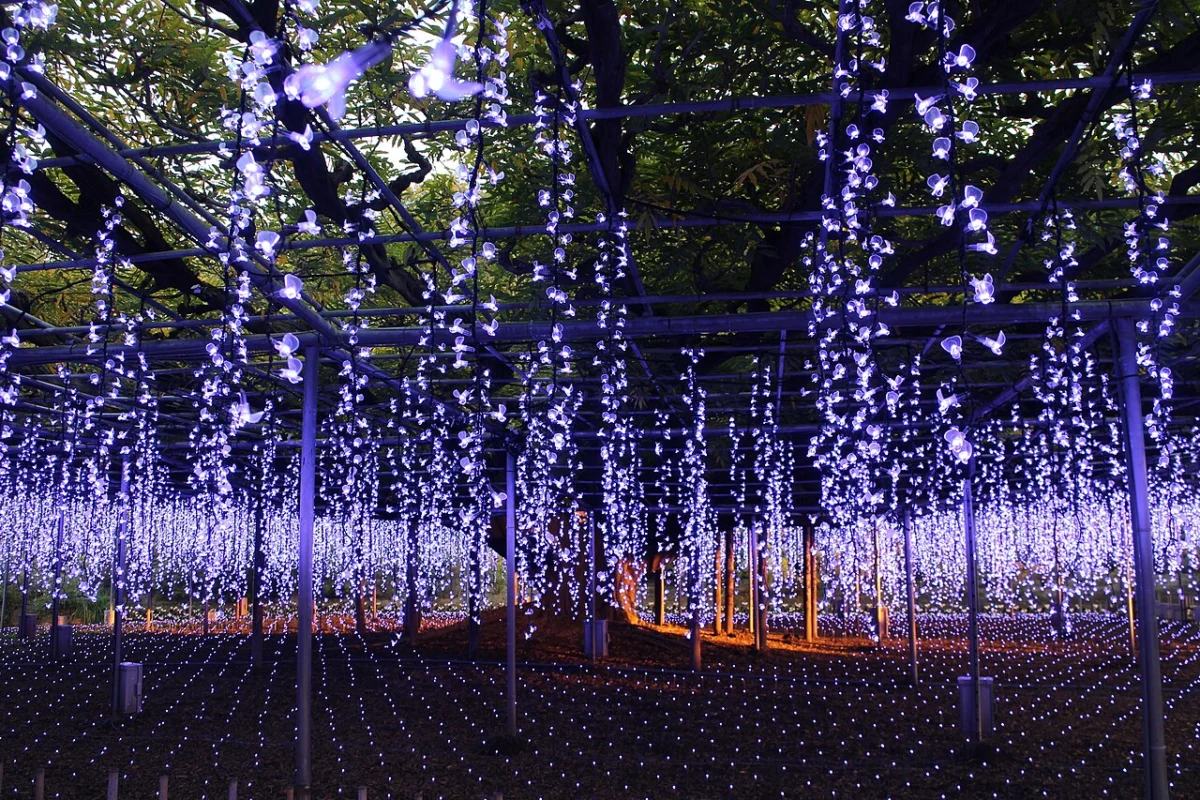
In the southern reaches of Tochigi Prefecture, hidden beneath the shadow of Japan’s more celebrated cultural titans, lies a modest, four-kilometer waterway known as the Sakasagawa. Translated literally as the "backward-flowing river," its name is a geological curiosity—a tribute to its defiance of the Watarase River system into which it eventually merges. While visitors flock to the historic Banna-ji Temple or the radiant wisteria of the Ashikaga Flower Park, the Sakasagawa remains a quiet, unpretentious artery of suburban life.
For the traveler weary of the "set-piece" tourist trail, the Sakasagawa offers something rare in modern Japan: an experience of the everyday, stripped of artifice, souvenir shops, and crowds.
Main Facts: The Geography of the Quiet Path
The Sakasagawa is, by all traditional metrics, a minor tributary. Stretching only four kilometers from its upper reaches in the Ishibashi-cho district to its confluence with the broader Watarase River, it serves more as a flood-control levee than a scenic destination. However, its value lies precisely in its lack of fame.
- Path Composition: The route is a blend of compacted gravel and semi-paved paths. It is flat, accessible, and requires no specialized hiking equipment.
- Access: Located approximately 15 to 20 minutes from JR Ashikaga Station.
- Accessibility: Roughly 60% of the path is bicycle-friendly, though the narrowest sections are reserved exclusively for pedestrians.
- Infrastructure: There are no vending machines, cafes, or public restrooms along the path. Visitors are advised to prepare by using facilities at the station or local convenience stores before departure.
- Seasonal Dynamics: The path functions as a living barometer for the seasons, from the cherry blossom canopies of spring to the stark, contemplative silence of winter.
Chronology: A River Through the Seasons
To walk the Sakasagawa is to witness the cycle of a Japanese suburb. The riverbank has been shaped by municipal beautification efforts—most notably the planting of 200 somei-yoshino cherry trees in the 1960s—and it continues to evolve with the community it serves.
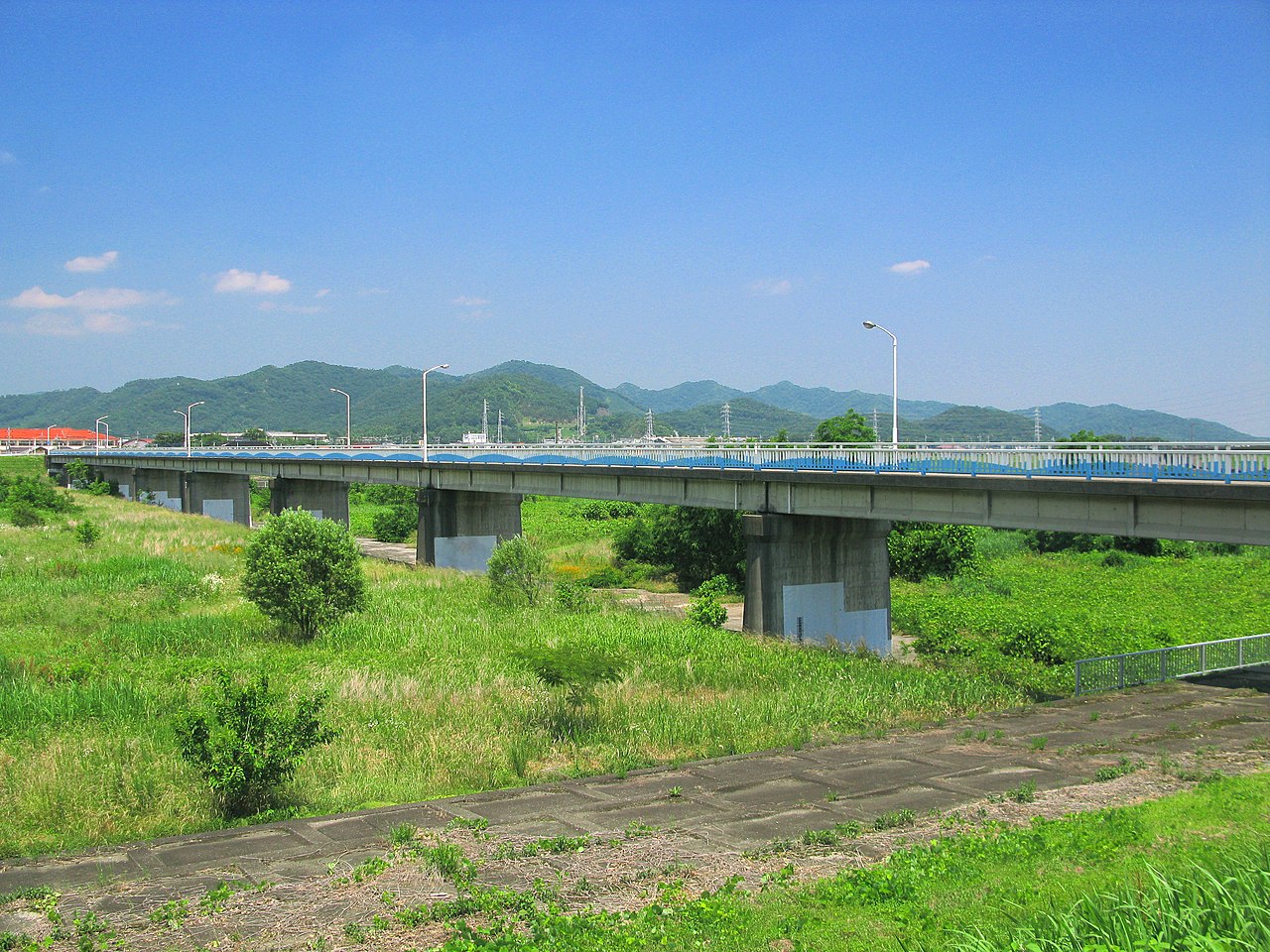
Spring (Late March – Early April)
The arrival of the cherry blossoms transforms the middle section of the levee into a tunnel of pale pink. Unlike the frenzied crowds of Ueno Park in Tokyo, the Sakasagawa attracts only local families and joggers. The bloom, typically peaking between March 28 and April 8, provides a rare, tranquil viewing experience.
Summer (June – August)
Summer brings a lush, verdant canopy, but with it comes the intensity of the Tochigi climate. Humidity and temperatures often exceeding 35°C make the exposed levee challenging during midday. However, mid-June brings a magical, albeit fleeting, phenomenon: fireflies in the upper reaches, a testament to the relative cleanliness of the stream.
Autumn (Mid-October – Late November)
As the heat dissipates, the zelkova and maple trees lining the path ignite in shades of burnt orange and gold. This is arguably the most contemplative season, where the silence of the path is matched only by the rustling of fallen leaves.
Winter (December – February)
The landscape becomes skeletal and austere. While the stream itself rarely freezes, the biting wind and empty banks offer a stark, monochromatic beauty. For the photographer or the solitary thinker, these months provide the ultimate escape from the noise of the city.
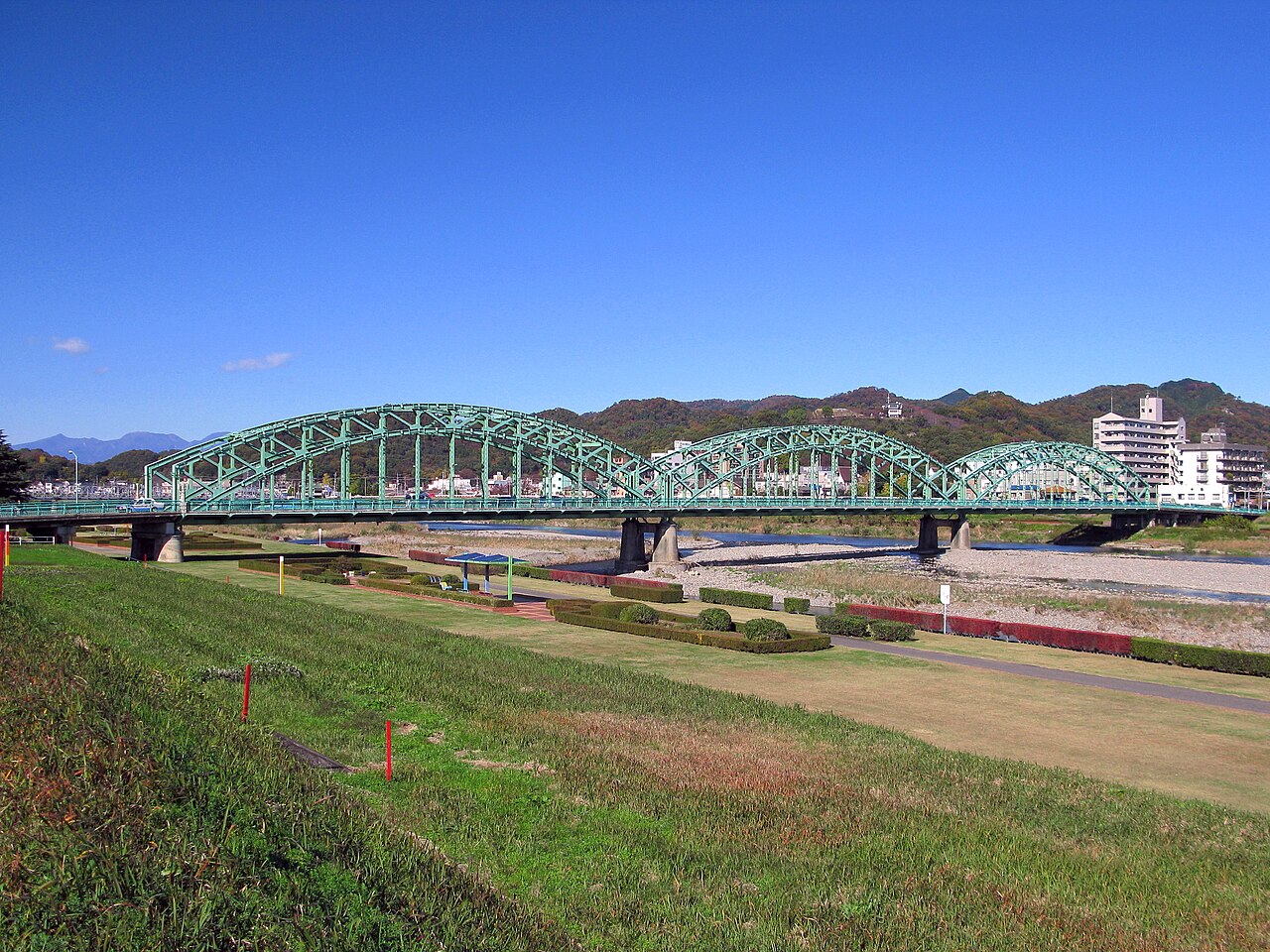
Supporting Data: The "Flower Walking Course" Context
The Sakasagawa is a critical component of the city’s informal "Hana no Walking Course" (Flower Walking Course). This municipal initiative links a dozen disparate sites—parks, temples, and river corridors—into a 10-kilometer loop.
| Feature | Details |
|---|---|
| Total Route Length | Approx. 10km (Full Loop) |
| Estimated Time | 2.5 to 3 hours (leisurely) |
| Signage | Primarily Japanese; minimal English |
| Topography | Flat; low-impact walking |
| Connectivity | Links with Banna-ji and Orihime Shrine |
While the full 10-kilometer circuit is a rewarding endeavor for the dedicated walker, most experts recommend a "segment-based" approach. By combining a 90-minute walk along the Sakasagawa with a visit to the Ashikaga Textile Tradition House or the historic Ashikaga School, visitors can curate a balanced day of light exercise and cultural immersion.
Official Perspectives and Local Implications
According to the Ashikaga Municipal Works Department, the Sakasagawa serves a dual purpose: it is a vital component of the city’s flood mitigation infrastructure and a recreational lifeline for residents.
"The path is maintained not as a tourist attraction, but as a public utility," says one local municipal official. "The fact that it has become a destination for slow-tourism is a byproduct of its maintenance. We see elderly residents walking their dogs in the morning and students cycling home in the evening. It is the pulse of the residential district."
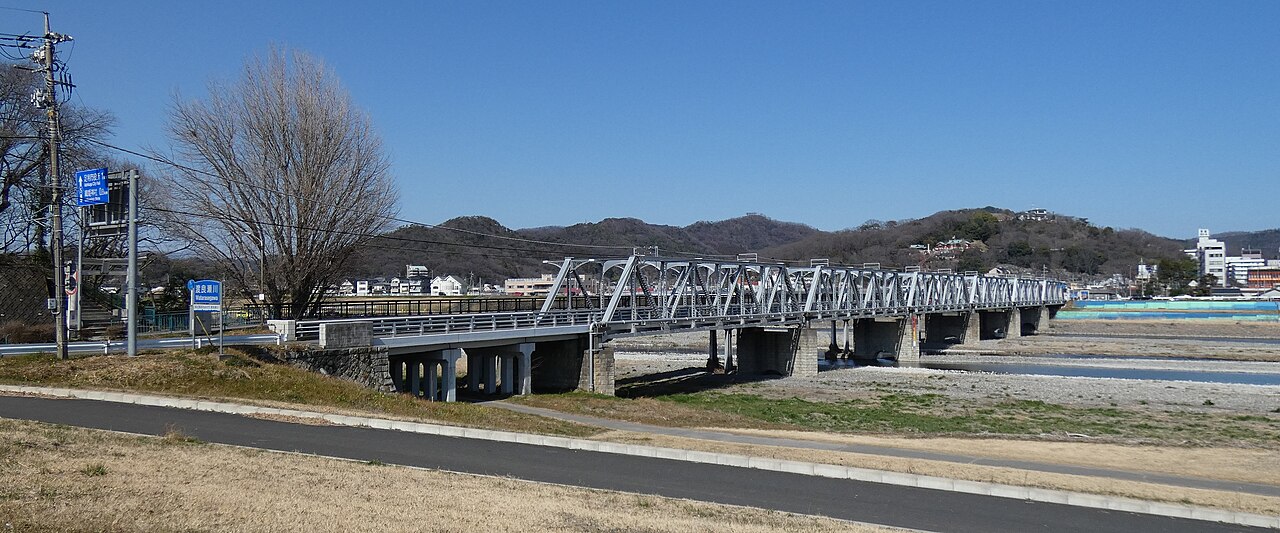
The lack of commercial development—the absence of cafes and shops—is a deliberate choice by the community to preserve the quietude of the area. This has profound implications for the local tourism board, which positions the Sakasagawa as a "second-tier" destination designed for those who have already completed the "first-tier" circuit of Banna-ji and the Flower Park.
The "Real Japan" Implications
What does a place like the Sakasagawa signify for the contemporary traveler? In an era where "over-tourism" has turned many Japanese landmarks into crowded, queue-filled environments, the Sakasagawa represents a reclamation of the travel experience.
The Authenticity Factor
Walking the Sakasagawa is not about checking an item off a list. It is about observing the mundane, beautiful realities of life in Japan: the school-age children navigating their bicycles on the levee, the elderly citizens performing morning stretches, and the meticulously kept vegetable gardens that abut the riverbank.
Infrastructure and Planning
For international visitors, the lack of English signage and amenities can be daunting. However, in the age of smartphone navigation, the "lost" feeling is precisely what makes the experience rewarding. It forces the traveler to engage with their surroundings rather than following a pre-planned guide.

The "Completionist" Dilemma
While the Sakasagawa is an excellent addition for those seeking "the unglamorous everyday," it is not for everyone. The tourism board is clear: if a traveler has time for only one activity in Ashikaga, the Banna-ji Temple complex or the Flower Park are objectively more significant. The Sakasagawa is an elective, not a requirement.
Final Guidance for the Prospective Walker
For those determined to experience this slice of Tochigi, keep these practical considerations in mind:
- Preparation is Key: Because there are no toilets or shops on the path, the 20 minutes spent at the convenience store near JR Ashikaga Station are crucial.
- Footwear: Avoid open-toed shoes. The path’s composition can shift from dry, hard-packed earth to muddy terrain depending on recent rainfall.
- Timing: If visiting in summer, strictly adhere to early morning or late evening windows to avoid heat exhaustion.
- Cultural Etiquette: The Sakasagawa is a neighborhood path. Keep noise levels low, stay on the marked paths to avoid encroaching on private agricultural plots, and offer a polite "Konnichiwa" to local residents.
Ultimately, the Sakasagawa asks very little of you, yet provides a rare, unmediated window into the rhythm of a Japanese town. It is a place where the flow of time seems to move as slowly as the water itself—a "backward-flowing" oasis in a country that is constantly rushing toward the future.











