Neng Nana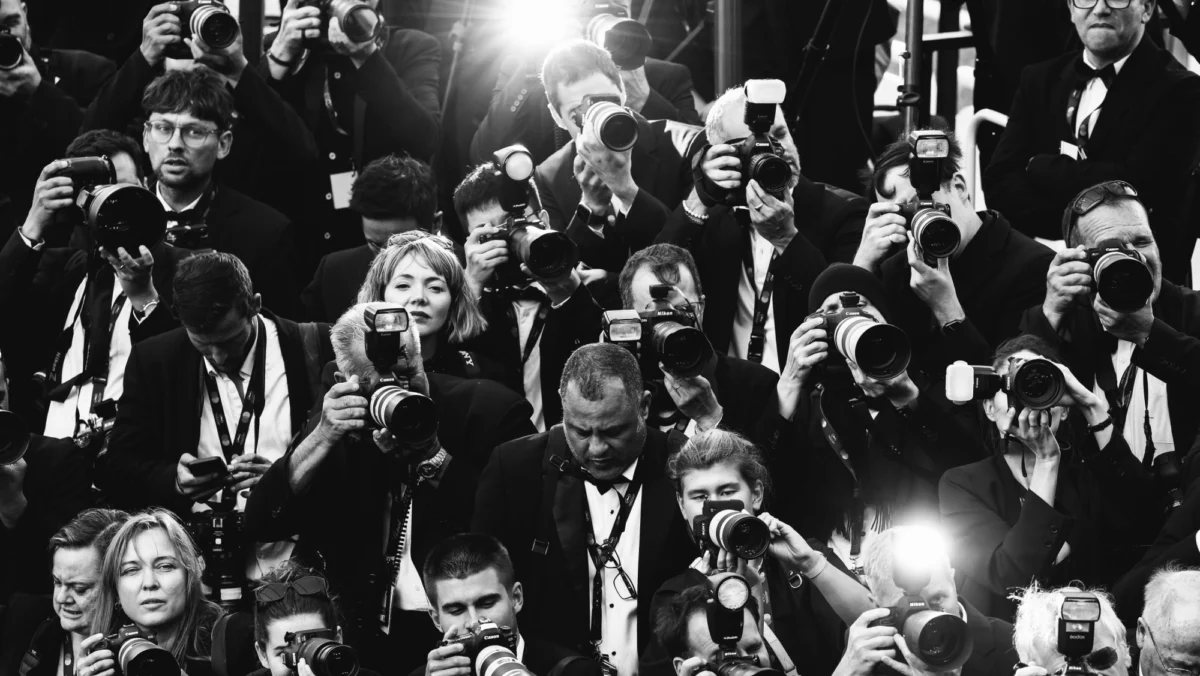
In a seismic shift for the digital content landscape, the proposed $3.7 billion merger between Getty Images and Shutterstock—two of the world’s most dominant stock imagery and editorial video marketplaces—has officially collapsed. The dissolution of the deal, confirmed by Getty Images on Tuesday, marks the end of a high-stakes effort to consolidate the visual media industry. The move, which would have united two of the most significant image libraries in existence, was thwarted not by internal corporate failure, but by the immovable object of British regulatory oversight.
For observers of global corporate strategy, the collapse of this merger serves as a potent reminder of the growing influence of the United Kingdom’s Competition and Markets Authority (CMA). As regulatory bodies worldwide tighten their grip on mega-mergers, the Getty-Shutterstock deal has become the latest casualty in an era where market dominance is under unprecedented scrutiny.
A Chronology of the Failed Union
The path to this abandoned merger began in January 2025, when the industry was still reeling from the rapid integration of generative artificial intelligence into creative workflows. At the time, both Getty Images and Shutterstock were facing an existential question: how to remain relevant in a world where AI models were being trained on, and effectively mimicking, their proprietary intellectual property.
The logic behind the deal was straightforward: consolidation. By combining Getty’s vast, high-end editorial archives—the gold standard for film festival premieres, red carpets, and global news coverage—with Shutterstock’s massive library of 450 million photos and illustrations, the new entity hoped to create a singular, insurmountable marketplace for visual content.
However, the regulatory timeline accelerated quickly. By June 10, the CMA had formally opened an in-depth investigation into the merger. The regulator’s focus was clear: the preservation of competition within the editorial media sector. By July, the CMA issued a mandate that effectively doomed the transaction: they required the divestiture of Shutterstock’s entire editorial business as a condition for approval. For Getty Images’ board of directors, led by CEO Craig Peters, this was a non-starter. In a regulatory filing with the Securities and Exchange Commission (SEC), the board confirmed that they had unanimously decided to scuttle the deal rather than comply with the divestiture order, which they deemed strategically unacceptable.
The Financial and Strategic Rationale
The merger was not merely a play for market share; it was a calculated attempt to unlock massive efficiencies. Under the original proposal, the combined entity was projected to generate between $150 million and $200 million in cost synergies within the first three years of operation. By streamlining global operations and unifying their technology stacks, the leadership team believed they could weather the inflationary pressures and competitive threats posed by both free-access AI tools and smaller, niche competitors.
Under the leadership of Craig Peters, the combined company would have sought to leverage a massive, singular library to provide tiered services to media conglomerates, advertising agencies, and small businesses alike. Yet, the price of that efficiency—divesting the editorial arm—would have arguably stripped the merger of its most prized asset. Editorial content, which requires deep relationships with news organizations and live-event access, is notoriously difficult to replicate. Forcing Shutterstock to sell off that wing would have essentially dismantled the very competitive advantage the merger was intended to fortify.
Following the termination of the deal, Getty Images has announced it will retain a financial advisor to explore "strategic financing alternatives." The company is moving forward with a focus on its independent future, a path that looks significantly different than it did when the merger was first proposed.
The Shadow of the CMA and the Paramount Connection
The collapse of this merger is not an isolated event; it is emblematic of the aggressive posture currently held by the U.K. Competition and Markets Authority. The CMA has recently signaled that it is willing to challenge even the most complex, high-value mergers if it believes they threaten media plurality or market health.
This stance has sent ripples through the entertainment industry, particularly as David Ellison and his investment vehicle move forward with their massive $111 billion takeover attempt of Warner Bros. Discovery. The stakes in the Paramount-Warner Bros. deal are exponentially higher, and the U.K. government’s involvement is becoming increasingly direct.
On June 30, Lisa Nandy, the U.K. Secretary of State for Culture, Media and Sport, hinted that the British government might intervene in the Paramount deal. Nandy stated that the next logical step would be for the CMA to conduct a formal assessment regarding the impact on competition and media plurality. This has created a nervous tension in Hollywood, where executives have long viewed the U.K. market as a crucial component of global distribution.
Paramount’s leadership, however, remains publicly optimistic. A company spokesperson noted, "We are grateful for the continued constructive engagement with all interested government bodies and relevant authorities, including in the U.K. We are confident that our proposed transaction does not pose any media plurality issues in the U.K. and remain confident in our stated transaction timeline." The CMA has set an August 7 deadline for its ruling on the Paramount deal, a date that will now be watched with even greater scrutiny given the precedent set by the Getty-Shutterstock collapse.
Implications for the AI Era
Perhaps the most critical dimension of the Getty-Shutterstock saga is the changing relationship between stock image providers and artificial intelligence. In the months leading up to the merger’s termination, the tech landscape underwent a radical shift.
Just days before the merger was called off, Getty Images signed a landmark pact with OpenAI, allowing its library to be licensed for use across ChatGPT. This partnership highlights a pivot in strategy for Getty: rather than merging with a direct competitor, Getty is positioning itself as an essential data partner for AI developers. By licensing its high-quality, rights-cleared data to AI labs, Getty is creating a new revenue stream that is both scalable and less dependent on traditional stock photography sales.
For Shutterstock, the failure of the merger leaves it at a strategic crossroads. While it remains a dominant force in the digital marketplace, the loss of the Getty merger forces the company to reconsider how it competes with the influx of AI-generated imagery. Without the combined synergies of the Getty deal, both companies must now navigate a landscape where they are competing not just with each other, but with the very AI tools that their own libraries helped to build.
The Future of Global Media Consolidation
What can we conclude from the death of this $3.7 billion deal? Primarily, that the era of "easy" mega-mergers is over, particularly in the media and technology sectors. Regulatory bodies are no longer satisfied with mere promises of efficiency; they are demanding structural concessions that can fundamentally change the viability of a deal.
For companies like Getty Images, the future lies in proprietary licensing and specialized partnerships. For regulators like the CMA, the goal is clear: prevent a future where the ownership of visual culture is concentrated in too few hands. As the world watches the Paramount-Warner Bros. Discovery saga unfold, the message from London is clear: global corporations operate in a regulatory environment where the threat of a veto is very real, and the cost of non-compliance is the deal itself.
The dissolution of the Getty-Shutterstock merger is a cautionary tale for any board of directors considering a path of consolidation. It serves as a reminder that market power, while desirable, is subject to the democratic and competitive constraints of the markets in which they operate. As the dust settles, Getty Images will have to prove that it can remain a titan of the industry as a standalone entity, utilizing its new AI-driven licensing agreements to secure its place in an increasingly automated world.
The strategy of "bigger is better" has hit a regulatory wall. Now, the industry waits to see who will be the next to try—and potentially fail—to navigate the treacherous waters of international antitrust oversight.


 Pevita Pearce
 Nana
Nana