Evan Lee Salim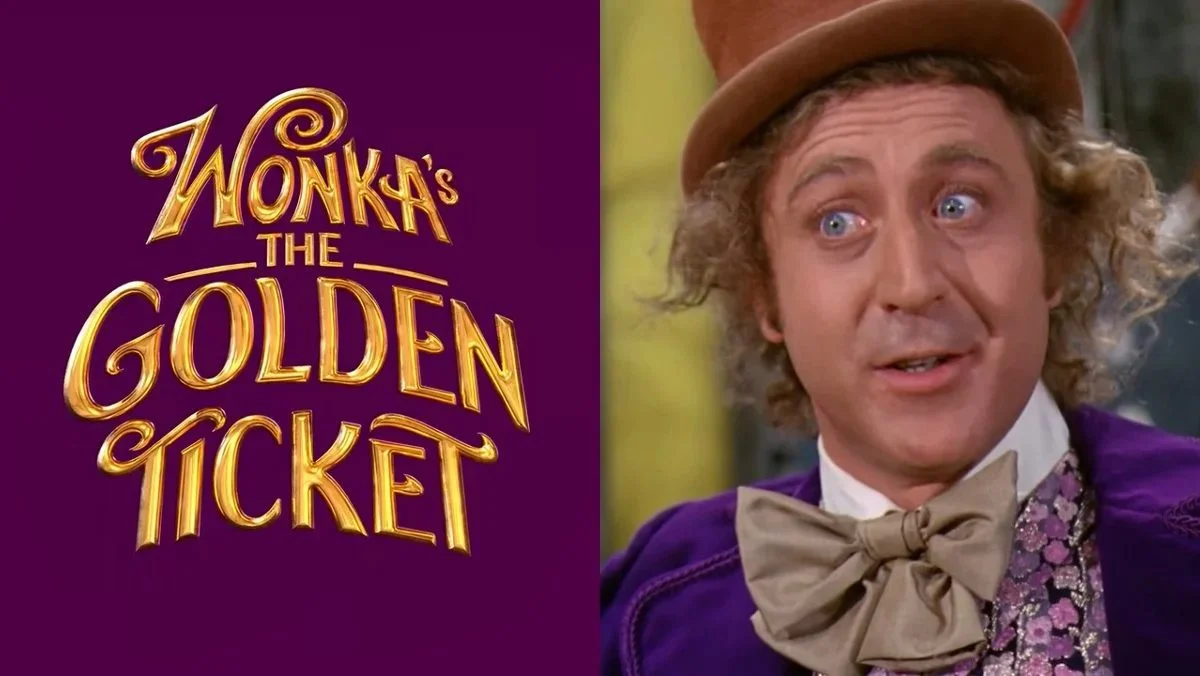
In an era where the boundary between legacy and technology continues to blur, Netflix has announced a project that strikes at the heart of the modern entertainment debate. The streaming giant is set to premiere Wonka’s The Golden Ticket, a competition reality series that pulls inspiration directly from the 1971 classic Willy Wonka & the Chocolate Factory. While the concept of a high-stakes, candy-themed reality show is unusual in its own right, the project’s reliance on artificial intelligence to recreate the voice of the late Gene Wilder has sparked a firestorm of ethical, legal, and artistic discourse.
The Premise: Navigating the Factory Floor
Netflix, in collaboration with Eureka Productions, has conceptualized a series that moves away from the traditional narrative structure of the Roald Dahl source material. Instead, the show centers on 12 participants—dubbed "Golden Ticket winners"—who are dropped into an elaborate, immersive set inspired by the whimsical, yet occasionally menacing, aesthetic of the 1971 film.
According to promotional materials, these contestants will not merely be touring a factory; they are expected to navigate a gauntlet of games, psychological puzzles, and moral dilemmas. The production aims to challenge the participants physically, mentally, and ethically, ostensibly mirroring the "tests" that Wilder’s iconic Wonka put his guests through in the original cinematic outing. The production design seeks to evoke the nostalgia of the Gene Wilder era, relying heavily on the visual language that defined the 1971 classic for millions of viewers worldwide.
A Chronology of the Controversy
The path to Wonka’s The Golden Ticket has been marked by rapid technological advancements and shifting industry norms regarding the use of "digital doubles."
- 2016: Gene Wilder, the beloved actor who immortalized Willy Wonka, passes away at the age of 83. At this point, the public perception of AI in media is largely confined to science fiction.
- 2020–2023: The rapid rise of generative AI platforms—such as ElevenLabs and OpenAI’s suite of tools—democratizes voice synthesis. The entertainment industry begins to grapple with the "digital afterlife," as seen in projects like The Mandalorian and the controversial use of CGI in The Flash.
- Mid-2024: Netflix and Eureka Productions enter negotiations with the Gene Wilder estate regarding the use of his likeness and voice for the upcoming reality project.
- September 2026: Netflix announces the official premiere date for Wonka’s The Golden Ticket, confirming the use of an AI-generated model of Gene Wilder’s voice to guide the contestants through the show’s various stages.
The AI Integration: A Technological Crossroads
The most contentious element of the announcement is the decision to employ AI to synthesize Wilder’s voice. In the eyes of critics, this represents a significant shift in how we handle the cultural inheritance of deceased performers. Unlike a voice double—an actor who mimics the tone and cadence of a predecessor—AI synthesis uses existing audio archives to build a digital ghost, capable of reciting new scripts with chilling accuracy.
Netflix has confirmed that they have received full authorization from the Wilder estate. This underscores a growing trend in the entertainment industry where estates act as curators of a star’s digital assets. By utilizing deep-learning voice models, the production team can effectively "resurrect" the cadence, warmth, and whimsical inflection that made Wilder’s performance so enduring. However, this raises a profound philosophical question: Does the permission of an estate equate to the consent of the artist?

Official Responses and the Estate’s Perspective
The Gene Wilder estate, led by his widow, Karen B. Wilder, has been vocal in its defense of the project. In a formal statement addressing the backlash regarding the use of AI, the estate positioned the move as a celebratory tribute rather than a commercial exploitation.
"More than five decades after Gene brought Willy Wonka to life, people of all ages and backgrounds around the world continue to find joy, laughter and inspiration in his performance," Karen B. Wilder noted. "Gene had a remarkable ability to bring humor, wonder and heart into people’s lives, and that connection has endured for generations. We are delighted that Wonka’s The Golden Ticket celebrates the warmth and imagination that he brought to the role, introducing that magic to a new generation while honoring the fans who have cherished it for decades."
The estate’s position is clear: they view the AI integration as a bridge between the past and the future, ensuring that the essence of Wilder remains a living, breathing part of modern pop culture. For the estate, the technology is a tool to preserve legacy, not to diminish it.
The Implications of Synthetic Media
The choice to bring Gene Wilder back via AI is not occurring in a vacuum. It follows a series of high-profile labor disputes in Hollywood, most notably the 2023 SAG-AFTRA strikes, which saw actors demand protections against the unauthorized use of their digital likenesses. While the Wilder estate has provided its blessing, industry analysts point out that this sets a precedent that could be problematic for less established actors.
1. The Erosion of Originality
If major franchises begin to rely on AI-generated recreations of iconic figures, we risk entering a cycle of "nostalgia baiting" where the industry leans on the past to avoid the risk of creating new, original talent. When a voice as distinct as Wilder’s can be programmed into a reality show, it diminishes the unique value of the human actor’s craft.
2. Legal and Ethical Gray Zones
The legal framework surrounding "right of publicity" for deceased individuals is fragmented. While some states have robust protections, others are less clear. As AI technology evolves faster than the law, we are likely to see a wave of litigation surrounding who owns the "soul" of a performance. If an AI can perfectly mimic a performance style, does that style belong to the actor, the estate, or the studio that owns the original film rights?
3. The Audience Experience
For the average viewer, the experience of hearing a synthetic Gene Wilder might range from comforting to uncanny. The "uncanny valley"—the discomfort felt when a digital object looks or sounds almost, but not quite, human—is a significant risk. If the AI voice fails to capture the subtle, erratic genius of Wilder’s comedic timing, it may end up alienating the very fans the production seeks to honor.
The Future of Reality Television
Wonka’s The Golden Ticket represents a pivot point for reality television. By blending high-concept competition formats with legacy intellectual property and cutting-edge synthetic media, Netflix is testing the waters for a new genre of immersive, tech-driven entertainment.
Whether this experiment succeeds will ultimately be decided by the audience. If the show garners high viewership, it will likely pave the way for other studios to utilize the voices and likenesses of deceased icons in similar ways. We could soon see "AI hosts" for game shows or historical figures "narrating" documentaries they never signed up to participate in.
Conclusion: A Delicate Balance
The announcement of Wonka’s The Golden Ticket serves as a stark reminder that the digital age has no "off" switch for fame. Gene Wilder was a man who famously valued the nuance of performance and the sanctity of the artist’s role. While his estate believes that this project honors that legacy, the broader public discourse suggests that we are still far from a consensus on the morality of AI resurrection.
As we approach the September 23 premiere, the conversation will undoubtedly intensify. Is this a heartfelt tribute to a cinematic giant, or the beginning of a cold, automated era of entertainment? Perhaps the answer lies somewhere in between. What is certain is that when the digital version of Willy Wonka speaks to the contestants this autumn, he will be speaking not just for himself, but for the complex, evolving relationship between humanity, technology, and the ghosts we choose to keep in the machine.

 Siti Muinah
 Azzam Bilal Chamdy