Dwi Wanna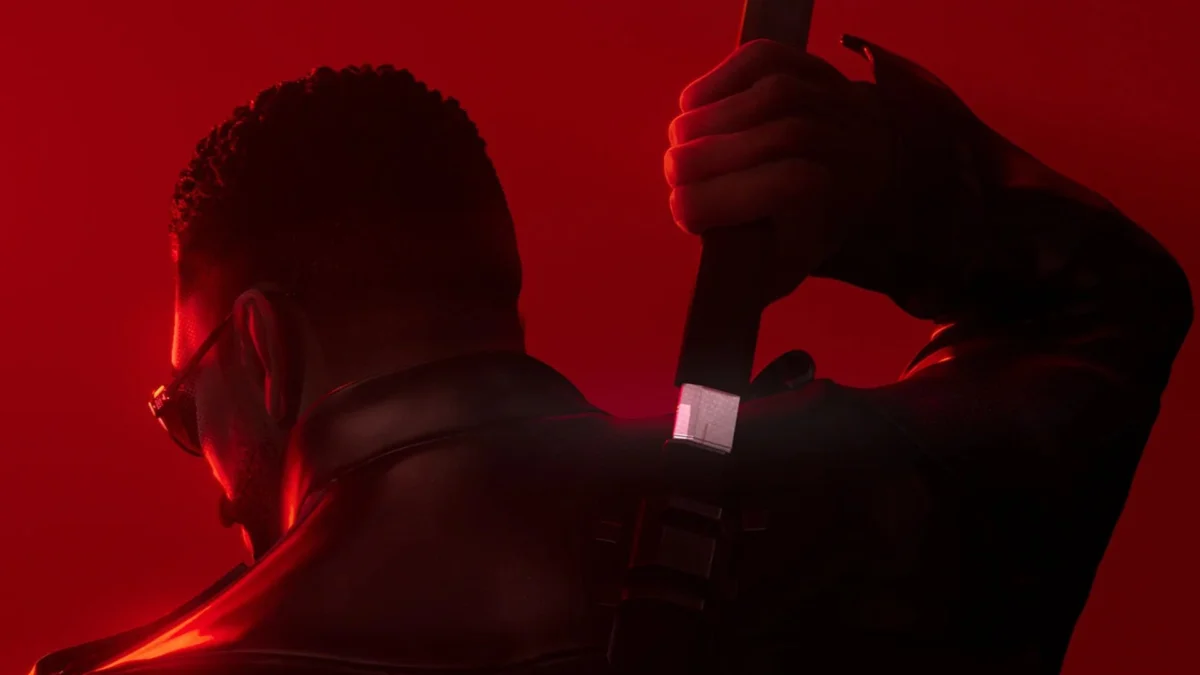
The gaming industry is currently witnessing one of its most turbulent periods in recent history, and at the epicenter of this storm is Microsoft’s Xbox division. Following a series of aggressive acquisitions intended to bolster the Game Pass ecosystem, the company is now undergoing a radical and controversial restructuring. Recent reports indicate that the landscape of Microsoft-owned studios is shifting, with major projects—including the highly anticipated Blade title—facing cancellation, and several historic development houses teetering on the edge of closure or divestment.
Main Facts: A Tense Atmosphere of Uncertainty
At the heart of the current crisis is a growing list of studios under the Microsoft umbrella that are reportedly being evaluated for closure or spin-off. While names like Double Fine, Ninja Theory, and Compulsion have been mentioned in recent industry discourse, the inclusion of Undead Labs—the team behind the State of Decay franchise—has signaled that no studio, regardless of its history or contributions to Game Pass, is safe from the current cost-cutting mandate.
The most shocking development involves Arkane Studios. Long regarded as a prestige developer responsible for critical darlings like Dishonored and Prey, the studio is now reportedly at a critical juncture. Sources suggest that Microsoft is exploring the possibility of selling Arkane, a move that would represent a significant retreat from the expansive, studio-heavy strategy the company pursued just a few years ago. Compounding this, the internal project centered on Marvel’s Blade appears to be in dire straits. Originally slated for a 2025 release, the project has faced significant budgetary overruns and internal delays, leading to whispers of total cancellation.
Chronology: From Acquisition Spree to Retrenchment
To understand the current state of affairs, one must look at the rapid-fire expansion that defined Xbox’s strategy between 2018 and 2023. Under Phil Spencer’s leadership, Microsoft sought to secure its position in the market by purchasing ZeniMax Media (Bethesda) and Activision Blizzard. The goal was simple: provide an endless stream of content for the Game Pass subscription service.
However, the economic reality of the industry has shifted. Inflation, rising development costs, and a plateauing subscriber growth rate have forced Microsoft’s hand.
- Early 2024: Whispers began to circulate regarding the long-term viability of several smaller, boutique studios under the Xbox banner.
- June 2026: Bloomberg reports confirmed that Microsoft had withdrawn as an external partner for IO Interactive’s Project Fantasy, a move that sent shockwaves through the developer community, as IO had been relying on that partnership for the project’s development.
- Late June 2026: Reports surfaced regarding the potential shuttering of Undead Labs and the precarious future of Arkane.
- July 6, 2026 (Projected): According to multiple sources, this date marks the beginning of a massive wave of layoffs across the Xbox division, potentially affecting up to 1,000 employees. Should the five currently debated studios be shuttered, an additional 500 roles are expected to be eliminated, pushing the total impact to a staggering 1,500 positions.
Supporting Data and Industry Context
The financial pressure on Microsoft’s gaming division is significant. While Microsoft as a corporation remains one of the wealthiest entities on the planet, the internal requirements for "making the line go up"—a common industry shorthand for quarterly profit growth—have become increasingly stringent.
Data from the last year suggests that the "subscription-first" model is facing a reality check. While Game Pass remains popular, the cost of maintaining hundreds of developers across dozens of studios has outpaced the revenue generated by the service. The cancellation of Blade and the withdrawal from Project Fantasy are not isolated incidents; they are symptomatic of a broader retreat from high-risk, long-cycle development.
Conversely, some projects have survived the "reset." Hideo Kojima’s mysterious horror title, OD, appears to be safe. Analysts suggest that the high-profile nature of the partnership and the unique technological nature of the game have shielded it from the broader cull, highlighting a shift toward protecting "prestige" or "visionary" projects while cutting the "meat-and-potatoes" studio work that supports the subscription library.
Official Responses and Corporate Silence
As of the time of writing, Microsoft has remained largely tight-lipped regarding the specific details of the pending layoffs and the future of individual studios. When reached for comment, representatives typically reiterate the company’s commitment to "long-term growth" and "delivering the best games for our players," standard corporate boilerplate that has done little to assuage the fears of employees.
The lack of transparency has caused significant frustration among industry analysts and the gaming press. The Verge’s recent reporting, which broke much of the news regarding Blade and the potential sale of Arkane, has highlighted a massive disconnect between Xbox’s public-facing "player-first" branding and its internal "efficiency-first" operational reality. Without an official roadmap, employees and fans are left to rely on leaked memos and anonymous sources, further destabilizing morale.
Implications: The Future of the Gaming Landscape
The potential closure or sale of studios like Arkane and Undead Labs carries profound implications for the gaming industry.
1. The Consolidation Hangover
We are witnessing the "consolidation hangover." After years of buying up independent studios, major publishers are realizing that they cannot manage these diverse, creative cultures under a single, profit-obsessed corporate umbrella. The loss of creative autonomy is the first casualty; when a studio is constantly under the threat of closure, its ability to innovate is severely hampered.
2. A Shrinking Creative Pool
If 1,500 developers are laid off in a single cycle, the industry loses a massive amount of institutional knowledge. These aren’t just numbers on a spreadsheet; these are the engineers, artists, and writers who defined the last decade of gaming. Many may choose to leave the industry entirely, creating a "brain drain" that will make it harder for the sector to recover in the long term.
3. The End of the "Game Pass Era"?
If Microsoft continues to trim its internal studios, the value proposition of Game Pass itself comes into question. The service relies on a steady cadence of "Day One" releases. If the internal studios responsible for those games are sold off or shuttered, Microsoft will be forced to rely entirely on third-party deals, which are increasingly expensive and prone to the same volatility seen with the Project Fantasy withdrawal.
4. The Human Cost
Beyond the spreadsheets and the business logic lies the human cost. The anxiety surrounding July 6th is palpable within the industry. For many developers, the dream of making games has turned into a nightmare of corporate restructuring. Solidarity among the development community is at an all-time high, but support from the players and the industry at large remains a complex, often polarized issue.
Conclusion
The situation at Xbox is a sobering reminder that even the most successful corporations are not immune to the cyclical nature of the tech and entertainment markets. The potential loss of Blade and the possible dissolution of studios as storied as Arkane marks a turning point. Microsoft is no longer playing for market share at any cost; it is playing for survival and profitability in a cooling market.
As we look toward July 6th and the weeks that follow, the eyes of the entire gaming industry will be fixed on Redmond. The decisions made in these boardrooms will not only determine the fate of these specific studios but will likely set the tone for the next five years of video game development. Whether this is a necessary "reset" or a catastrophic loss of creative potential remains to be seen, but one thing is certain: the gaming landscape is changing, and the human cost of this evolution is becoming impossible to ignore.


 Asro
Asro
 Muslim