
For decades, the monster-collecting genre has lived under the long, inescapable shadow of the Pokémon franchise. Its grip on the medium is near-absolute, drawing in successive generations of players with a polished, iterative formula that has become the industry standard. Yet, as the original generation of fans grows older, a persistent question has begun to echo through community forums and editorial desks alike: Is the genre truly evolving, or is it merely resting on its laurels? For those yearning for a more mature, tactically demanding iteration of the monster-catching experience, the answer may finally be here. Enter LumenTale: Memories of Trey, the debut title from Beehive Studios.
The Genesis of an Ambition
Beehive Studios, the team that garnered significant acclaim for their work on the fan-driven project Pokémon Xenoverse, has officially stepped into the arena of original IP development. With LumenTale, the team aimed to craft a more refined and ambitious take on the genre. The premise is lofty: a deeper narrative, intricate, multi-layered combat mechanics, and a suite of secondary systems designed to provide depth that borders on the encyclopedic.
On paper, LumenTale presents a compelling recipe for the "evolved" monster-catching game many have clamored for. However, the transition from concept to execution is rarely a straight line. As we delve into the mechanics and design philosophy of this title, we must ask ourselves: Do the "elder" fans of the genre actually know what they want, or has the genre’s simplicity been its greatest strength all along?
Visual Aesthetics: A Dialogue with History
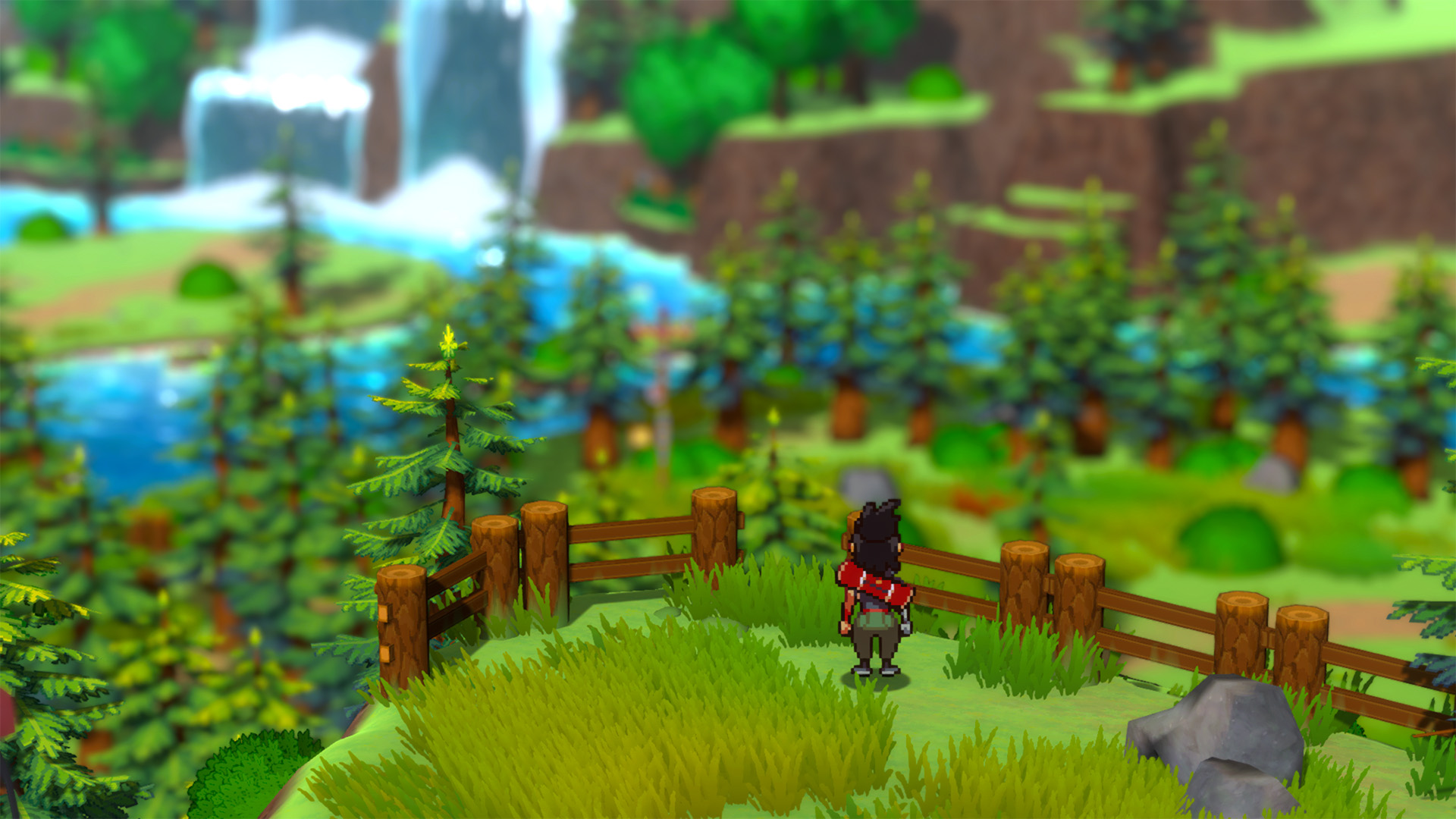
One of the most immediate strengths of LumenTale is its visual identity. Rather than tethering itself to a single aesthetic era, Beehive Studios has opted for a sophisticated synthesis of gaming history. The game employs a masterful blend of classic, high-fidelity pixel art—reminiscent of the Game Boy Advance golden era—juxtaposed against a pseudo-3D camera perspective that evokes the charm of the Nintendo DS and 3DS generations.
This is not merely a stylistic choice; it is a functional one. Through clever camera manipulation during cutscenes and overworld traversal, the developers create a sense of depth and scale that feels surprisingly modern. The world feels lived-in and coherent, proving that one does not need to abandon the charm of 2D sprites to achieve a cinematic quality.
The Animon: Designing the Bestiary
The creatures inhabiting the world of LumenTale, dubbed "Animon," are the heartbeat of the experience. With over 120 unique designs, the bestiary is varied, showcasing a high level of creative flair. While not every creature hits the iconic status of the genre’s most recognizable staples, several designs stand out for their distinct silhouettes and elemental cohesion.
Specifically, creatures such as Anizord, Fulgaze, Obsidedge, and Tamboal demonstrate a refined design philosophy that favors anatomical complexity and visual "cool factor." While the subjective nature of creature design remains, the consistency of the art style across the entire 120-strong roster suggests a studio with a clear, unified vision for their digital ecosystem.
Tactical Combat: The 4v4 Evolution
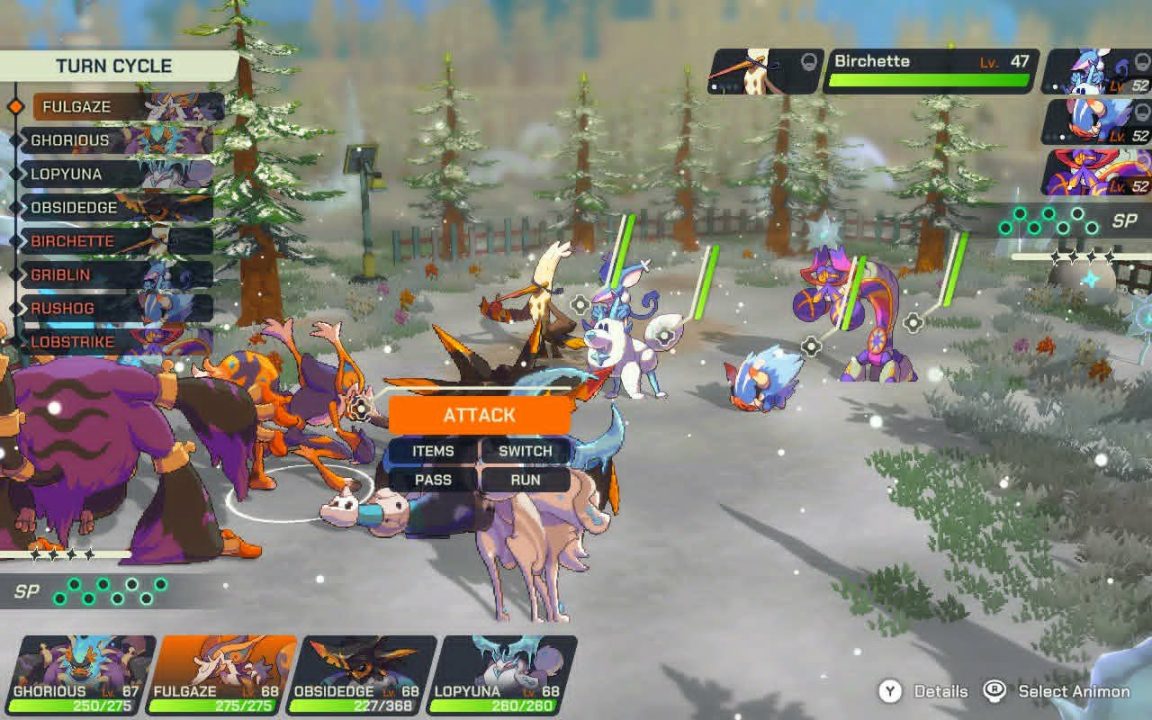
If the visual design is the hook, the combat system is the anchor. LumenTale represents a significant departure from the turn-based norms of the genre, opting for a hybrid combat engine that draws inspiration from the tactical depth of Final Fantasy X and the strategic punishing nature of Shin Megami Tensei.
The Shift in Strategy
Players expecting to "over-level" their starter creature and steamroll the opposition will find themselves quickly humbled. The game demands intellectual engagement. In the primary trainer matches, which utilize a 4v4 tactical formation with two reserves, every decision—from stat allocation to move selection—carries weight.
The game provides a deep level of customization, allowing players to tweak base stats for each Animon. This level of granular control is a double-edged sword; it is deeply rewarding for the "armchair general," but it can be overwhelming for those accustomed to more streamlined experiences. Furthermore, there is a noted "aggressiveness" in the RNG (Random Number Generator) modifiers. Critical hits and accuracy swings can turn a perfectly executed plan into a sudden defeat, a design choice that adds tension but may frustrate players seeking a more predictable difficulty curve.
Narrative Limitations and Philosophical Dissonance
While the combat mechanics push the genre forward, the narrative framework feels somewhat stagnant. The plot centers on a fundamental philosophical schism: the Mythos faction, which champions tradition, and the Lumos faction, which embraces radical technological progress.
It is a setup that mirrors our contemporary reality, yet the game struggles to fully realize the potential of this conflict. While key characters provide adequate exposition, the world-building does not consistently reinforce the stakes of this divide. The narrative often feels like a missed opportunity to provide a truly resonant commentary on progress and nostalgia. Whether this simplicity is a deliberate nod to the "simpler times" of classic RPGs or an unfortunate lack of narrative ambition remains a point of contention.

The Curse of Feature Creep
Perhaps the most significant hurdle for LumenTale is its overwhelming mechanical density. The game suffers from a clear case of "feature creep," packing in a laundry list of systems—item crafting, cooking, interior housing design, complex traversal puzzles, and mini-games—without providing adequate tutorials or meaningful integration.
In many cases, these systems feel disjointed. For instance, the interior decorating and cooking mechanics are largely optional and lack a clear incentive for the player to engage with them. When a game offers a dozen systems but only explains three of them well, the result is not depth; it is clutter. The tutorials themselves are frequently opaque, leaving players to decipher the game’s core loops through trial and error rather than intuitive design.
Chronology of the Development Cycle
The journey to LumenTale’s release has been characterized by high expectations and iterative refinement. Following their success with Pokémon Xenoverse, Beehive Studios moved quickly to secure original intellectual property rights. Early teasers in late 2024 showcased the unique art style, while beta testing throughout 2025 allowed the developers to gather feedback on the combat system.
Despite this, the final release was not without technical turbulence. Players have reported visual glitches and bugs in the main questline that, at launch, hindered progression. Beehive Studios has been active in deploying patches, demonstrating a commitment to post-launch support that is vital for an indie studio of this scale.
Supporting Data and Performance
The experience of LumenTale is a significant time investment. A standard playthrough, including side content and exploration, clocks in at approximately 67 hours. This length is bolstered by a stellar soundtrack that is arguably one of the best in the indie RPG space. The evolution theme, in particular, is a masterclass in composition.
Performance-wise, the game maintains a stable framerate, though users on lower-end hardware may notice stuttering in resource-intensive zones. The loading times are currently the most pressing performance bottleneck, occasionally testing the player’s patience during frequent transitions between the overworld and battle screens.
Official Responses and Industry Implications
When asked about the mechanical density and the "feature creep" concerns, representatives from Beehive Studios have noted that they wanted to create a "sandbox of possibilities" for players to explore at their own pace. They argue that the complexity is a feature, not a bug, intended to reward those who dedicate the time to master every facet of the game.
The industry implications of LumenTale are significant. It serves as a litmus test for the "monster-catching" market. If a game this dense and mechanically demanding can find a sustainable audience, it may signal to other developers that there is a viable, profitable space for "Hardcore Monster-Collecting RPGs." Conversely, if the lack of direction and narrative polish alienates the casual player base, it may reinforce the industry’s reliance on the current, safer, more streamlined models.
Final Verdict: A Bold Mutation
LumenTale: Memories of Trey is a fascinating, if occasionally frustrating, experiment in game design. It is a title that clearly loves the genre it inhabits, yet is desperate to escape the limitations imposed by its forebears. By successfully merging diverse artistic styles and implementing a deep, tactical combat engine, Beehive Studios has proven they have the technical chops to stand on their own.
However, the game’s struggle with pacing, narrative cohesion, and system bloat serves as a reminder that more is not always better. For the "elder" fan looking for a challenge, LumenTale provides a rewarding, if flawed, journey. It is a bold new evolutionary branch for the genre—a successful mutation that, despite some developmental growing pains, suggests a bright, albeit complex, future for Beehive Studios.
For those eager to dive in, the golden rule of RPGs remains as relevant as ever: save often, use multiple slots, and prepare for a steep learning curve. Whether this branch survives the harsh ecosystem of the modern gaming market is a question for time, but for now, LumenTale stands as a commendable, ambitious, and deeply memorable debut.