Nana Muazin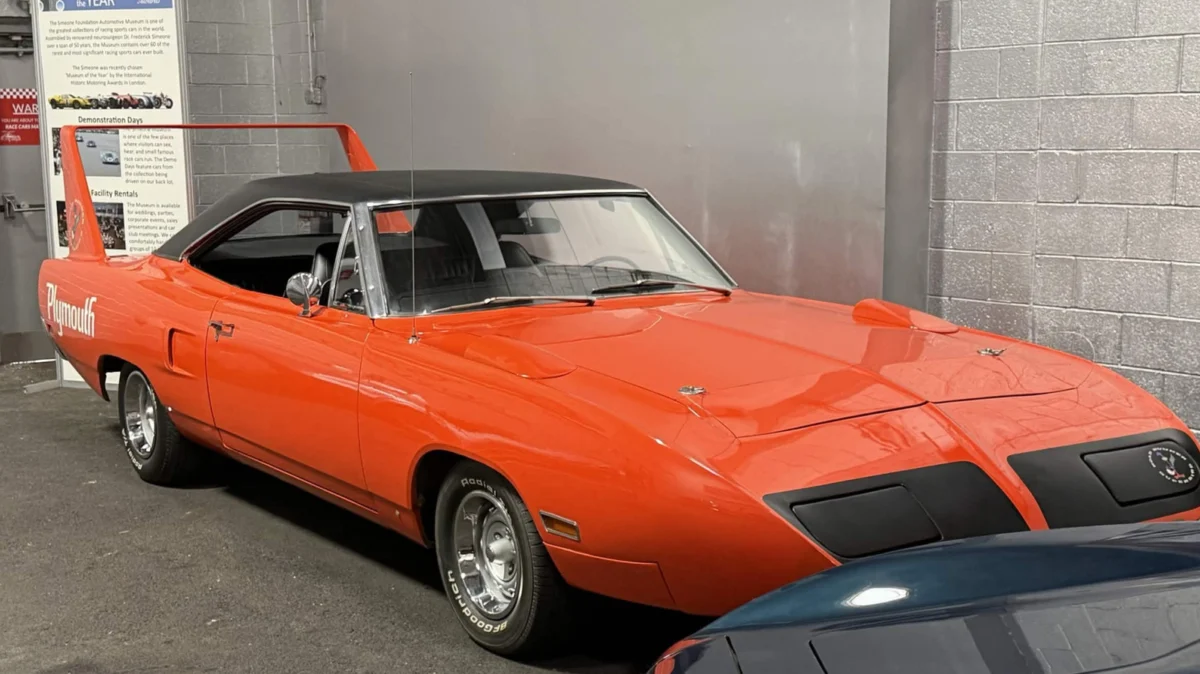
In the pantheon of American automotive history, few names carry the visceral, earth-shaking weight of the Chrysler 426 HEMI. Known affectionately as the "Elephant Motor," this powerplant was not merely an engine; it was a cultural phenomenon that defined an era of unapologetic performance. Today, these machines—clothed in the sheet metal of Plymouth and Dodge—represent the pinnacle of the collector car market, commanding prices that rival high-end modern exotics.
For the enthusiast, owning a Mopar vehicle equipped with the 426 Street HEMI is the automotive equivalent of holding a winning lottery ticket. These are not just cars; they are artifacts of a "win on Sunday, sell on Monday" philosophy that pushed Detroit to the absolute limits of mechanical engineering.
The Genesis of the Elephant: Engineering for Dominance
The story of the 426 HEMI begins in the high-stakes world of NASCAR. In the early 1960s, Chrysler’s engineers sought to reclaim the winner’s circle. The result was the legendary 426 Race HEMI, a powerhouse that utilized hemispherical combustion chambers to optimize airflow and fuel ignition. The design was so effective that it essentially forced the sanctioning bodies to rewrite the rules of racing.
By 1966, Chrysler felt the pressure to offer this racing technology to the public. The "Street HEMI" was born, detuned slightly for pump gas but retaining the brutal 425-horsepower rating—a figure widely considered to be conservative, with many dyno tests suggesting actual output closer to 500 horsepower.
The Cost of Performance
In 1966, opting for a HEMI engine in a Dodge Charger was a massive financial commitment. At roughly $900, the engine option alone cost nearly 25% of the vehicle’s total price. To put that into perspective, if you were purchasing a $60,000 sports sedan today, the engine upgrade would set you back $15,000. It was an investment reserved for the most dedicated performance junkies, a exclusivity that contributes to the astronomical valuations these cars command in today’s market.
A Chronology of Mopar HEMI Icons
The production run of the Street HEMI was relatively short, lasting only until the dawn of the 1970s when tightening emissions regulations and soaring insurance premiums signaled the end of the first golden age of muscle.
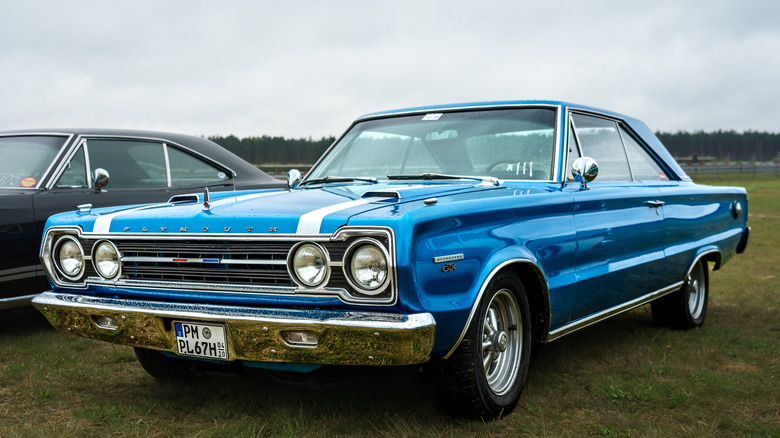
The 1967–1971 Plymouth GTX: The Sleeper Supercar
Often called the "gentleman’s muscle car," the Plymouth GTX was designed to offer high-speed performance wrapped in a refined package. While the standard Belvedere models were basic, the GTX featured luxury trim and a robust B-body chassis. Under the hood, however, the HEMI transformed it into a predator. Today, authentic J-code (the serial number designation for a factory HEMI) GTX models are highly sought after, with prices regularly crossing the $150,000 threshold.
The Dodge Charger: An American Legend
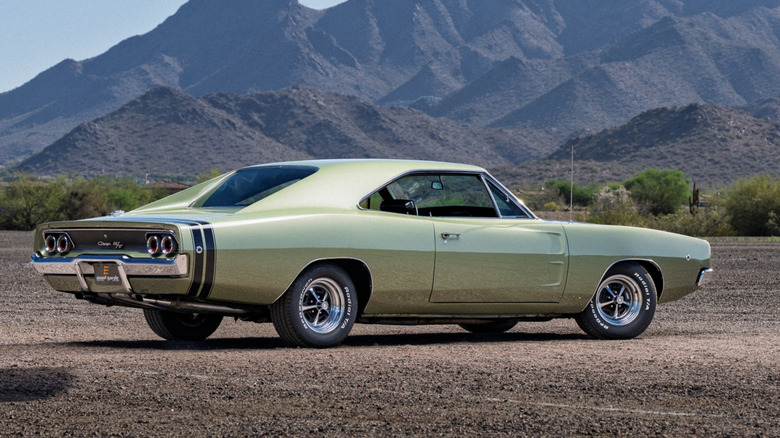
Perhaps no car is more synonymous with the HEMI than the Dodge Charger. From its debut in 1966 to the sleek, aggressive lines of the 1971 model, the Charger was the face of Mopar performance. The 1968–1970 iterations, made famous by pop culture, have seen their values skyrocket. A pristine 1971 HEMI Charger can easily fetch over $400,000 at elite auctions, reflecting its status as one of the most recognizable silhouettes in automotive history.
The Pony Car Revolution: ‘Cuda and Challenger
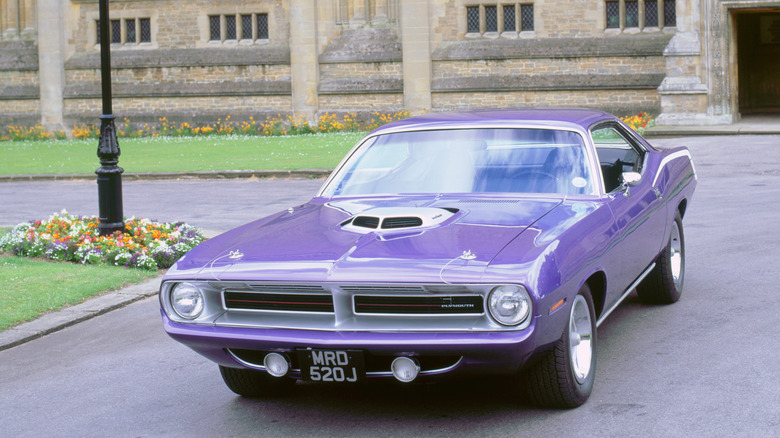
By 1970, the battleground shifted to the "Pony Car" segment. The Plymouth Hemi ‘Cuda and the Dodge Challenger R/T were built to dismantle the Ford Mustang and Chevrolet Camaro. These cars, featuring aggressive stances and a vast array of high-impact colors (like Plum Crazy and SubLime), remain the most desirable Mopars for collectors. Because of their limited production numbers and their sheer visual impact, a well-optioned HEMI ‘Cuda convertible can command prices deep into the seven-figure range.
The Homologation Specials: LO23 Darts and BO29 Barracudas
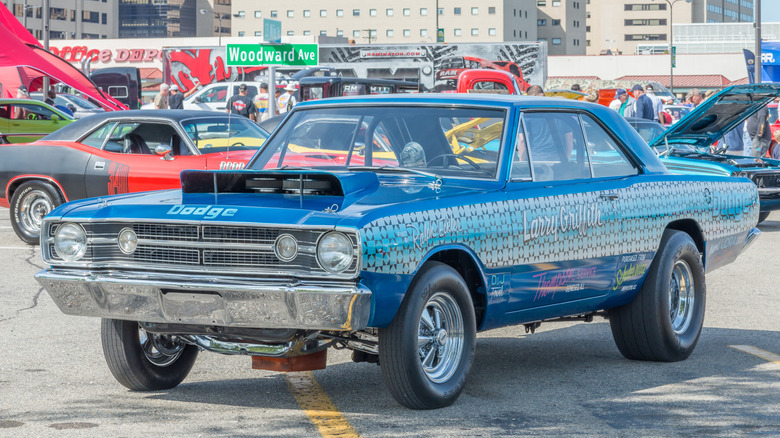
For those who viewed the street as merely a path to the drag strip, Chrysler produced the 1968 LO23 Dodge Dart and the BO29 Plymouth Barracuda. These were not cars for the casual driver; they were factory-built race cars. They lacked sound deadening, radio, heaters, and even door window mechanisms to save weight. With fiberglass fenders and racing-spec internals, these cars were capable of running 10-second quarter-miles straight off the assembly line. Because only a handful were produced, they represent the "Holy Grail" for drag racing collectors.
The Winged Warriors: Daytona and Superbird
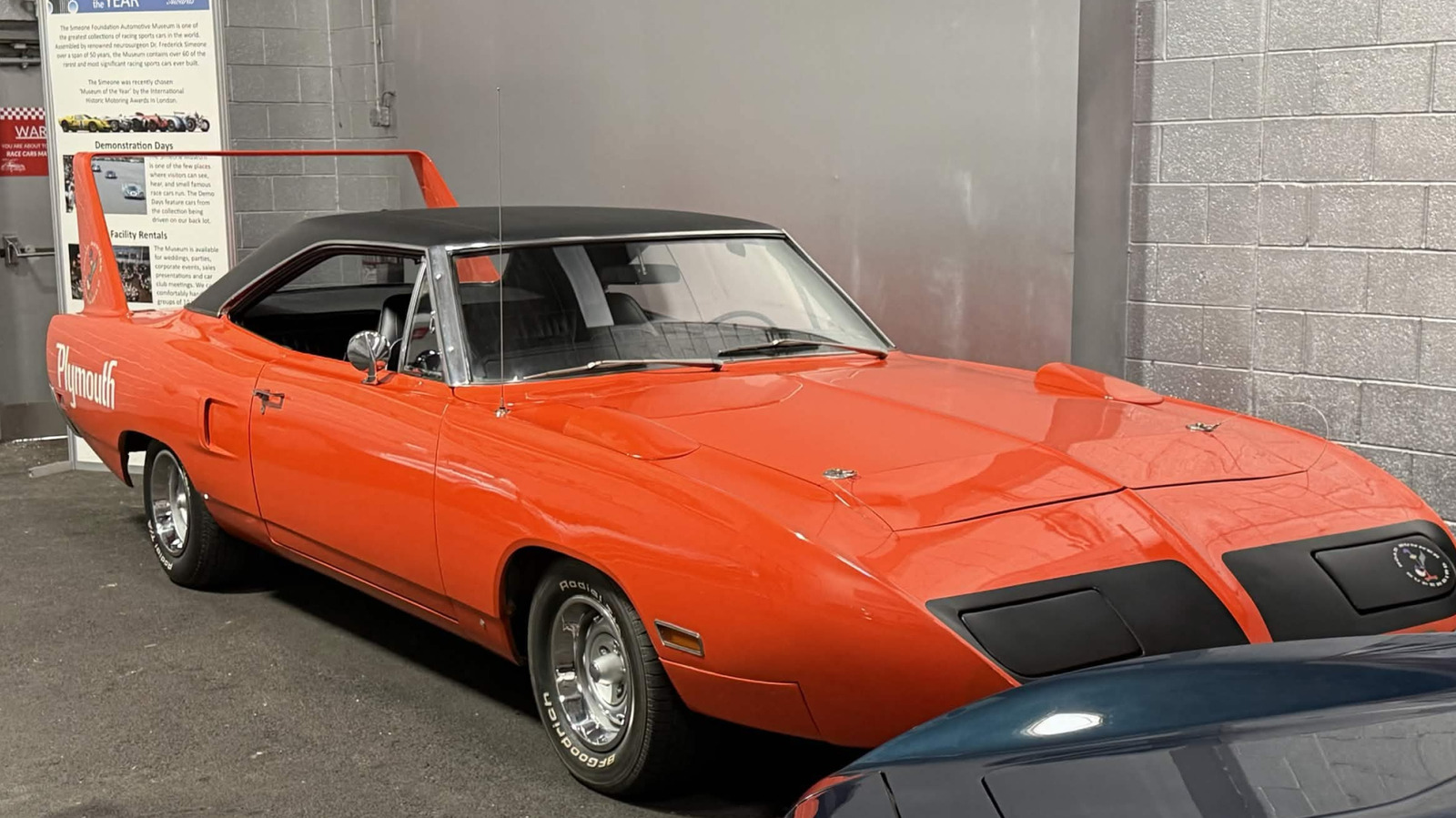
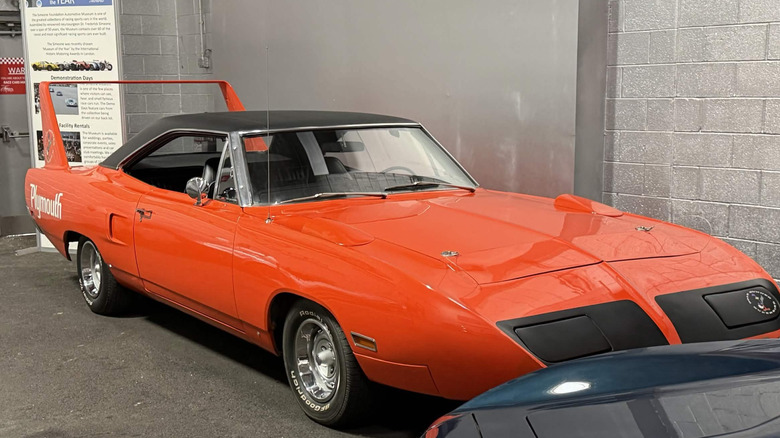
In 1969 and 1970, Chrysler took aerodynamics to the extreme with the Dodge Charger Daytona and the Plymouth Superbird. Featuring massive rear wings and elongated noses, these cars were designed to dominate the high-banked oval tracks. They were the first production cars to break the 200 mph barrier. Today, these "Winged Warriors" are among the most valuable vehicles on the planet, with prices often reflecting their rarity and their singular place in motorsport history.
Market Data and Valuation Trends
Valuing a HEMI-powered Mopar is an exercise in precision. Experts from platforms like Hagerty and Classic.com emphasize that the "J-code" remains the most critical factor. An engine swap or a non-original block can slash the value of these vehicles by hundreds of thousands of dollars.
The Volatility of Rarity
Auction results show a clear trend: the higher the originality, the higher the price. For example, a 1970 Superbird sold for over $400,000 at a recent auction, despite having traded for over $1.6 million just two years prior. This volatility underscores the importance of provenance. Collectors are increasingly focused on "numbers-matching" vehicles—cars that still possess their original engine, transmission, and rear end.
Official Perspectives on the HEMI Legacy
Chrysler executives and historians have long maintained that the 426 HEMI was never just a commercial product; it was a statement of intent. The engine served as a halo, casting a glow of performance over the entire brand lineup. By creating a car that could outperform anything on the road, Chrysler established a brand identity that remains the cornerstone of their marketing and enthusiast engagement decades later.
Historians note that the demise of the HEMI was unavoidable, yet its influence persists. Modern "HEMI" engines from Stellantis (the current parent company of Dodge) pay direct homage to this architecture, proving that the brand equity built in the 1960s is still one of the most powerful assets in the automotive world.
The Implications for Modern Collectors
What does this mean for the future of the classic car market? As the generation that lived through the 1960s begins to pass these vehicles down, the market is seeing a shift. Younger collectors are increasingly drawn to the "survivor" aesthetic—cars that haven’t been over-restored but have been carefully preserved.
A Warning for Prospective Buyers
If you are entering the market for a 426 HEMI vehicle, tread carefully. The classic car market is subject to rapid shifts. The key is to prioritize documentation:
- The Fender Tag: This metal plate under the hood contains the "birth certificate" of the car, detailing its original options and engine specifications.
- The VIN: Verify the J-code sequence.
- Professional Appraisal: Never purchase a high-value HEMI car without an inspection from a marque-specific expert.
The Investment Perspective
While these cars are undeniably expensive, they are also historically significant. They represent a brief window in time when the internal combustion engine was pushed to its absolute mechanical zenith. Whether the market rises or falls, the 426 HEMI remains the definitive muscle car engine. It is a piece of American iron that changed the way the world viewed speed, power, and the open road.
In the final analysis, a 426 Street HEMI is not just an investment in a depreciating asset; it is a stake in a legacy of raw, unbridled power that will likely never be replicated in the same way again. For the collector who values history as much as horsepower, there is simply no substitute.


 Laily UPN
 Azzam Bilal Chamdy