After a two-year hiatus that felt like an eternity for fans of the Marvel animated resurgence, X-Men ’97 has finally returned to Disney+. Picking up the narrative baton, the show immediately plunged audiences back into the chaotic, time-displaced lives of the X-Men. However, it was the second episode of the new season, titled “A Force to be Reckoned With,” that truly captured the collective imagination of the fanbase. In a bold stylistic choice, the series introduced the animated iteration of X-Force, accompanied by a tailor-made opening credit sequence that serves as a love letter to 90s comic book aesthetics and deep-cut Marvel lore.
Main Facts: A Stylistic Shift for a New Era
The core of this narrative development lies in the show’s willingness to experiment with its own identity. X-Men ’97 has never been a show content to rest on the laurels of its 1992 predecessor. By creating a bespoke opening title sequence for “A Force to be Reckoned With,” the production team has signaled that the series is evolving into an anthology-adjacent experience.
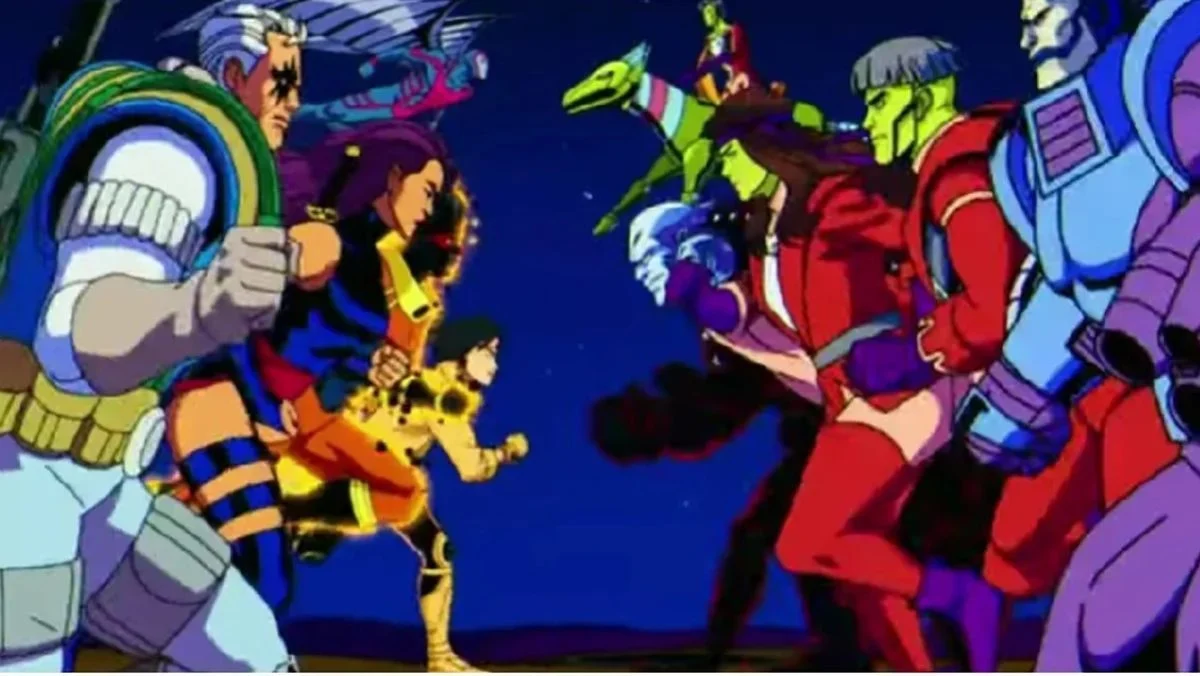
The sequence maintains the iconic, pulse-pounding theme music—a composition so synonymous with Saturday morning nostalgia that changing it would have been social suicide—but replaces the visual roster. Instead of the traditional X-Men lineup facing off against Magneto, the spotlight shifts to Cable, the cybernetic soldier from the future, and his militant black-ops squad, X-Force. This shift is not merely cosmetic; it reflects the tonal pivot of the current season, which leans heavily into the darker, more tactical side of mutant survival.
Chronology: From ’92 Nostalgia to ’97 Escalation
To understand the significance of this change, one must look at the trajectory of the series. X-Men: The Animated Series (1992–1997) was defined by its static, reliable opening sequence, which served as a constant anchor for viewers over five seasons. When X-Men ’97 debuted, it painstakingly recreated that original sequence with modern animation fidelity, acting as a bridge between the past and the present.
With the advent of Season Two, the show has entered a new phase of storytelling. The chronology of the X-Men ’97 production design suggests that the showrunners are interested in "remixing" the medium. The introduction of the X-Force opening sequence in episode two is a meta-commentary on the characters’ own growth.
- The Cable Era: The sequence opens with Nathan Dayspring Summers, a.k.a. Cable, engaging in a high-octane battle against a battalion of Sentinels, grounding the stakes in the grim reality of his future-war origins.
- The Costume Update: Jubilee, a cornerstone of the original series, returns with a visual refresh, sporting a modernized 90s-inspired tactical aesthetic.
- The Inclusion of Sunspot: Roberto da Costa, or Sunspot, finally earns his place in the opening credits, donning his classic Marvel Comics uniform—a nod to the character’s long-standing, if often overlooked, history in the source material.
- The Expansion of the Roster: Psylocke is showcased prowling the neon-drenched rooftops of Japan, while Archangel takes to the skies, firing his iconic razor-sharp wing projectiles, signaling the inclusion of more lethal mutant operatives.
Supporting Data: Dissecting the Visual Narrative
The opening credits are not just a collection of flashy animations; they are a narrative device that fills in crucial gaps in the story of the episode.
One of the most striking sequences involves a training montage between Psylocke and Jubilee. In a scene reminiscent of Luke Skywalker’s training aboard the Millennium Falcon, Jubilee is seen blindfolded, forced to rely on her intuition and mutant reflexes to deflect attacks in a sterile military hangar. This provides vital context: with the X-Mansion and its Danger Room currently compromised or inaccessible, the team has had to adapt to a guerrilla-style existence.
Furthermore, the sequence incorporates archival-style clips from the original X-Men: The Animated Series. Fans are treated to quick, jarring cuts of Cable’s legendary confrontation with Apocalypse and the traumatic transformation of Warren Worthington into the metallic-winged Archangel. These clips serve as "historical footnotes" within the show, reminding the audience that these characters have deep, complex histories that define their current, often hardened, personalities.
The climactic moment of the original opening—the iconic "running toward each other" shot—has been subverted. In the X-Force iteration, the squad is seen charging toward Apocalypse and his Horsemen. This thematic swap from the X-Men vs. Magneto dynamic to X-Force vs. Apocalypse highlights the shifting focus of the season’s central conflict: the existential threat of the ancient mutant deity.
Official Responses and Creative Direction
While Marvel Television has remained tight-lipped regarding the specific creative roadmap, showrunners have previously expressed a desire to explore the broader Marvel mutant universe. The integration of X-Factor into the same episode has already sparked intense speculation.
Industry analysts suggest that this "variant opening" approach allows the show to highlight different mutant factions without bloating the core X-Men narrative. By treating the opening credits as a dynamic canvas, the production team can pay homage to various comic book "eras" (e.g., the X-Force boom of the 90s, the X-Factor investigations, or the New Mutants era) without requiring a permanent change to the show’s core branding.
When asked about the potential for further variations, sources close to the production noted that the series is designed to be "fluid." This suggests that if a specific episode focuses heavily on another team, such as X-Factor, fans should be prepared for yet another reimagined credit sequence.
Implications: The Future of the Mutant Franchise
The decision to utilize rotating opening sequences has significant implications for the future of animated storytelling in the Marvel Cinematic Universe (MCU).
- Audience Engagement: By turning the opening credits into a "collectible" or a "surprise," the show incentivizes live viewing. Fans are now watching the credits with the same level of scrutiny usually reserved for post-credits scenes.
- Narrative Flexibility: This structure allows the show to introduce secondary characters without the need for lengthy, exposition-heavy introductions. A 30-second sequence in the opening credits can establish a character’s powers, personality, and current loyalties in a way that would take minutes of dialogue.
- Comic Accuracy: The inclusion of specific costumes and team dynamics serves as a "deep bow" to long-time comic readers. It validates the lore, acknowledging that the audience knows the history of characters like Sunspot and Archangel.
- A Blueprint for Spin-offs: The success of the X-Force opening sequence proves that the X-Men ’97 format is versatile enough to support potential spin-offs. If the showrunners decide to test the waters for an X-Force or X-Factor series, they have already built the aesthetic and tonal foundation.
As X-Men ’97 continues its second season, the question is no longer just "what will happen to the team," but "how will the show present them to us?" The X-Force credits are a testament to the fact that the creative team understands the assignment: they are not just reviving a classic; they are evolving it. Whether we will see an X-Factor intro or perhaps a return to the classic team in a new, high-stakes formation remains to be seen. However, one thing is certain: the mutant revolution in animation is far from over, and it is going to look spectacular.
The dedication to these small, intricate details is what separates X-Men ’97 from other modern reboots. By treating its source material with reverence while simultaneously refusing to be chained by it, the series has secured its place as a high-water mark for modern animation. As the season progresses, fans would do well to keep their eyes glued to the screen from the very first note of the theme song—because in the world of X-Men ’97, the credits are just the beginning of the story.