Siti Muinah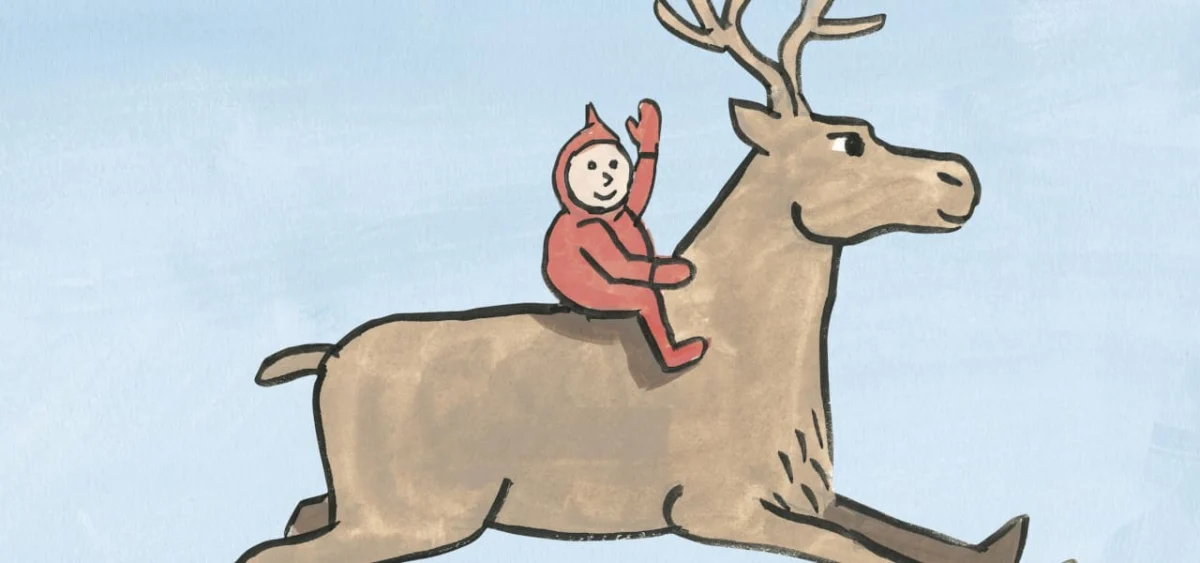
Main Facts: A Holiday Origin Story
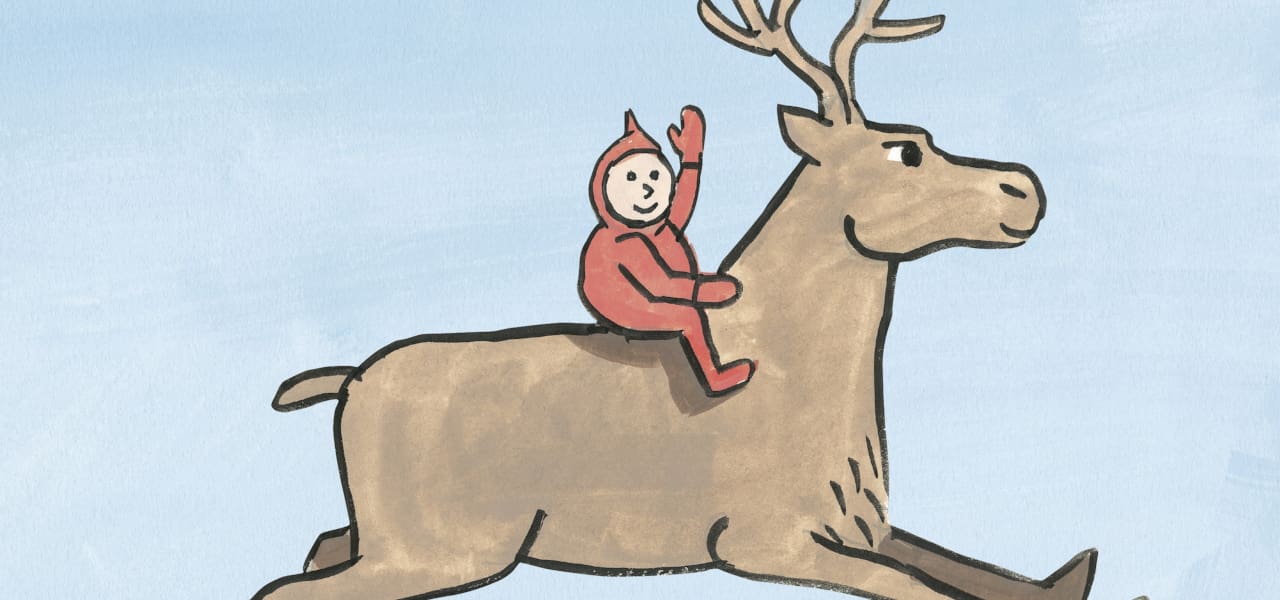
Apple Original Films has officially signaled its intent to dominate the holiday animation landscape with the acquisition of Little Santa, a feature-length project based on the beloved 2013 children’s book by acclaimed author and illustrator Jon Agee. The project, described as a musical comedy adventure, reimagines the origins of Santa Claus, tracing his journey as a young boy navigating the wonders and perils of the North Pole.
The film boasts a formidable creative team, signaling Apple’s commitment to high-end, prestige animation. Peter Baynton, who garnered an Academy Award for his work on Apple’s The Boy, the Mole, the Fox and the Horse, will direct the feature. The screenplay is penned by Martin Hynes, known for his work on Toy Story 4, and the musical score—a pivotal element for a project of this nature—will be crafted by the Oscar-winning songwriter Bret McKenzie. Production duties are being handled by Julia Pistor, whose credits include The SpongeBob SquarePants Movie and The Magician’s Elephant.
Chronology: From Page to Streaming Platform
The trajectory of Little Santa from a standalone picture book to a major studio production reflects the ongoing industry trend of "IP expansion," where streaming platforms seek out established literary properties with built-in emotional resonance.
- 2013: Jon Agee publishes Little Santa, introducing readers to a reimagined, youthful version of the iconic holiday figure. The book gains traction for its whimsical illustrations and clever narrative conceit regarding the birth of Christmas traditions.
- Early 2020s: Apple Original Films begins solidifying its animation strategy, prioritizing high-art aesthetic choices—as seen in Wolfwalkers—and emotionally resonant short-form content.
- June 19, 2026: Apple officially announces the acquisition and development of Little Santa. The announcement reveals a finalized creative team, indicating that the project has been in quiet development for a significant period.
- Future Outlook: While no release date has been set, the project enters a multi-year production cycle involving WildBrain for primary animation and House of Cool for pre-production, positioning it as a cornerstone of a future holiday release schedule.
Supporting Data: The Creative Engine
The strength of Little Santa lies not just in its source material, but in the pedigree of its production house and creative leads. By partnering with WildBrain, Apple secures one of the most established animation studios in the industry, known for its technical versatility. House of Cool, which will oversee the critical pre-production phase, is highly regarded for its storyboard and narrative development capabilities.
The creative synergy is highlighted by the roles of Hynes and McKenzie. Martin Hynes brings a wealth of experience in character-driven storytelling, essential for an origin story that must balance mythic elements with relatable human themes. Bret McKenzie’s involvement is arguably the film’s most "musical" asset. Having previously won an Oscar for "Man or Muppet," McKenzie’s ability to infuse humor and emotional depth into song sequences is expected to elevate the film’s musical comedy framework.
Official Responses and Strategic Positioning
Apple’s strategy, as evidenced by this acquisition, is one of curation. Unlike competitors that focus on high-volume output, Apple has consistently opted for a "prestige-first" model. By selecting Peter Baynton as director, Apple is doubling down on a proven partnership. Baynton’s success with The Boy, the Mole, the Fox and the Horse demonstrated that Apple is capable of winning top-tier industry awards, and Little Santa is being positioned to occupy a similar space in the awards circuit and in the hearts of family audiences.
While Apple has not yet released a formal statement detailing the budget, the caliber of talent attached suggests a significant capital investment. The project serves as a bridge between Apple’s established, smaller-scale animated successes and its ambitious, large-scale projects like Snoopy Unleashed.
Implications for the Animation Industry
The acquisition of Little Santa carries several broader implications for the animation sector:
1. The "Prestige" Shift in Animation
For years, the animation market was dominated by a few major studios producing broad, mass-market comedies. Apple’s entry into the space has shifted the needle toward stylized, boutique, and heartfelt storytelling. Little Santa reinforces this shift, proving that streamers are willing to back projects that prioritize artistic vision over sheer brand recognition.
2. The Rise of Hybrid Musical Comedies
The decision to include Bret McKenzie suggests that Apple is aiming for a "four-quadrant" hit. Musical animation has historically been the "gold standard" for family entertainment. By blending an origin story with the musical format, Apple is creating a product that can function as a "classic" holiday film, intended for annual re-watching, which provides long-term value for a streaming library.
3. The Power of "Small" Stories
Jon Agee’s book is a relatively compact narrative. By adapting such a work, Apple is demonstrating a preference for "small" stories that allow for deep character development. This is a departure from the "franchise-first" model often seen in contemporary filmmaking, where the scale of the world is often prioritized over the intimacy of the protagonist’s journey.
Examining the Narrative: A New Santa Mythos
At the heart of the film is the challenge of the "origin story." Audiences are intimately familiar with the "Santa Claus" archetype, but the "Little Santa" concept offers a blank slate. By focusing on his youth, the film explores themes of isolation, discovery, and the burden of destiny. The premise—a young Santa meeting the eccentric characters who help create the holiday spirit—allows for a world-building exercise that feels fresh rather than derivative.
.png)
The involvement of House of Cool suggests that the visual language of the North Pole will be a central focus. Whether the studio opts for a hand-drawn look that mimics Agee’s original illustrations or a stylized 3D render, the visual identity of the film will be the primary factor in its ability to stand out in a saturated holiday market.
The Role of WildBrain and Production Pipelines
The choice of WildBrain as the primary animation studio is a strategic one. Known for its ability to handle complex animation pipelines and its vast library of intellectual properties, WildBrain brings a level of operational stability that is essential for a high-budget feature. Their involvement ensures that, despite the creative risks involved in a new adaptation, the technical execution will meet the industry-leading standards that Apple’s subscribers have come to expect.
Conclusion: A Future Holiday Staple
Little Santa represents more than just another acquisition for Apple; it is a calculated effort to define the modern Christmas cinematic experience. By marrying the literary charm of Jon Agee’s work with the proven directorial talent of Peter Baynton and the musical expertise of Bret McKenzie, Apple is positioning Little Santa to become an perennial fixture in households during the winter season.
As production moves forward, industry observers will be watching closely to see how the film balances the whimsical nature of the source material with the high-production values of a prestige feature. If successful, Little Santa could prove that even the most well-trodden myths can be revitalized when approached with the right creative team and a commitment to storytelling excellence. For now, the North Pole has never looked more promising for Apple Original Films.

 Laily UPN
 Basiran