Introduction: The Visible and the Invisible
In the contemporary landscape of artistic practice, few creators manage to bridge the gap between industrial utility and profound human experience as effectively as Vancouver-born artist Adrian Wong. A recent graduate of the prestigious Combined Degree BA + BFA program at Tufts University, Wong has cultivated an image-based practice that serves as a diagnostic tool for the modern world. His work operates at the intersection of infrastructure and perception, peeling back the layers of the systems that dictate our daily lives—networks that often evade our notice until they fail.
Raised in Hong Kong by Cantonese parents, Wong’s upbringing provided a unique vantage point on the mechanics of globalized society. His work does not merely document the world; it interrogates the silent, often sterile architectures that facilitate human survival. Central to his recent output is the series Carton, a body of work that utilizes the humble egg as a lens to scrutinize the obsession with standardization and the high-stakes logistics of the modern industrial food chain.
The Genesis of the Carton Series
To understand the Carton series, one must first understand Wong’s philosophical engagement with "optimization." The artist views the egg not as a grocery staple, but as a symbolic nexus where biological life meets mechanical precision.
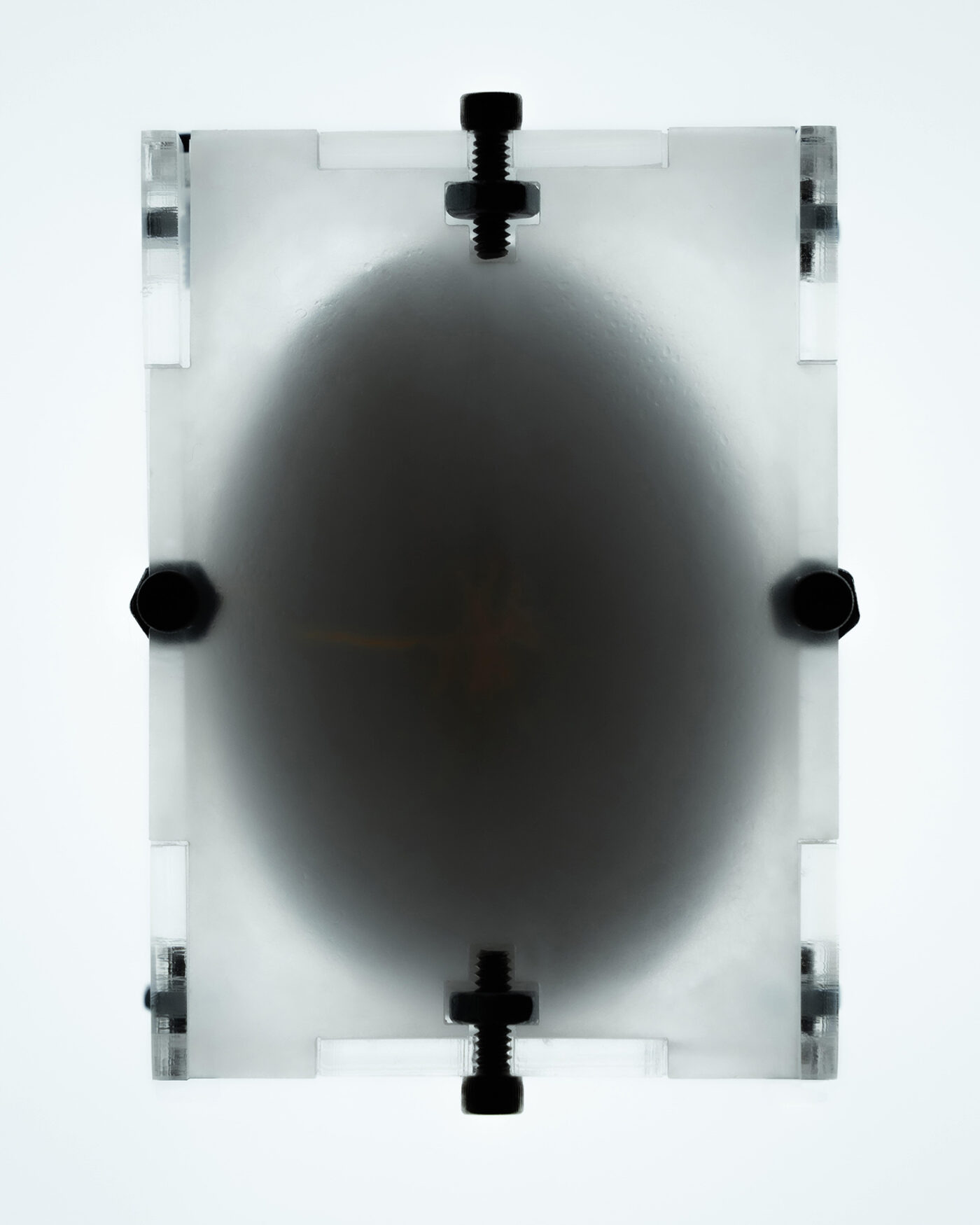
"I am thinking a lot about optimization and infrastructure," Wong notes. "The egg is, in many ways, a perfect metaphor for contemporary notions of perfection. Consider the ways in which chickens are cultivated in sterile environments—eggs are sorted so that only perfectly oval ones make it into the carton. Inversely, the infrastructure of the carton itself has to be quite physically precise so that eggs do not break under the stress of transportation. So, in this sense, I am thinking about the ways of ‘housing’ fragility."
The Chronology of the Project
Wong’s exploration began as a formal investigation into the relationship between the organic form and the industrial grid.
- Early Phase: Initial studies focused on the geometric uniformity required to transport organic matter across global supply chains.
- Developmental Phase: As the project matured, the focus shifted from the external infrastructure of the carton to the internal logic of the "perfect" product.
- Reflective Phase: The project took an unexpected, deeply personal turn when Wong realized the parallels between the agricultural industrial complex and his own biological origins.
Supporting Data: The Logistics of "Housing Fragility"
The industrial egg, in the eyes of the consumer, is a static object. In the eyes of the logistician, however, it is a high-risk unit of cargo. Wong’s work highlights the "sterile environments" mentioned in his artist statement—environments that prioritize the elimination of variance.

Statistical and Conceptual Context
In the global food system, the standardization of products like eggs is a prerequisite for scale.
- Standardization Metrics: Grade A eggs are judged by shell integrity, cleanliness, and size uniformity. Any deviation from these metrics results in the product being relegated to liquid egg processing, effectively removing the "imperfect" egg from the consumer’s visual field.
- Structural Integrity: The cardboard or pulp-fiber carton acts as an exoskeleton. Without the structural ribbing of the carton, the fragile egg—a structure designed for incubation, not shipping—would fail under the G-forces of modern transit.
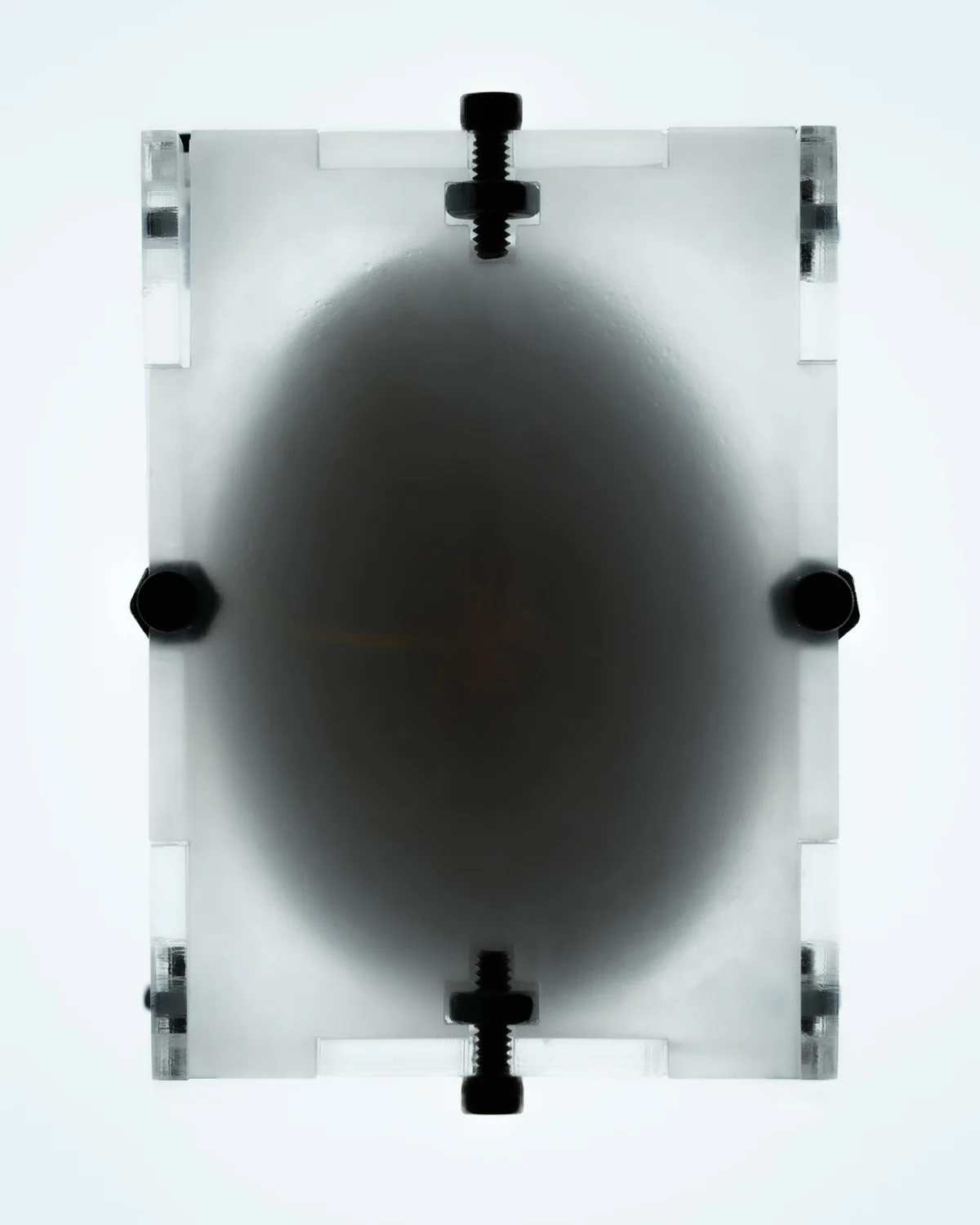
Wong’s photography captures this tension. His images isolate the egg within its protective environment, highlighting the interplay of shadow, curved surfaces, and the rigid, manufactured grids that hold them.
A Personal Turn: The IVF Connection
Perhaps the most poignant aspect of Wong’s work is his recent realization regarding his own existence. As he dove deeper into the themes of optimization and the "housing of fragility," he confronted his personal history: he is a child of in vitro fertilization (IVF).

"I had completely overlooked the fact that perhaps these themes arose out of my own origins as a child of in vitro fertilization," Wong admits. "Similarly, it is a process of optimization, precision, and risk—therein lies something strangely sublime about the end product."
This revelation elevates Carton from a critique of agricultural logistics to a profound philosophical inquiry into the nature of human life in the age of biotechnology. By drawing a line between the industrial egg and the clinical laboratory, Wong challenges the viewer to consider how we "house" human potential and at what point the pursuit of perfection—whether in a grocery aisle or a petri dish—becomes an act of design rather than nature.
Implications: The Sublime in the Engineered
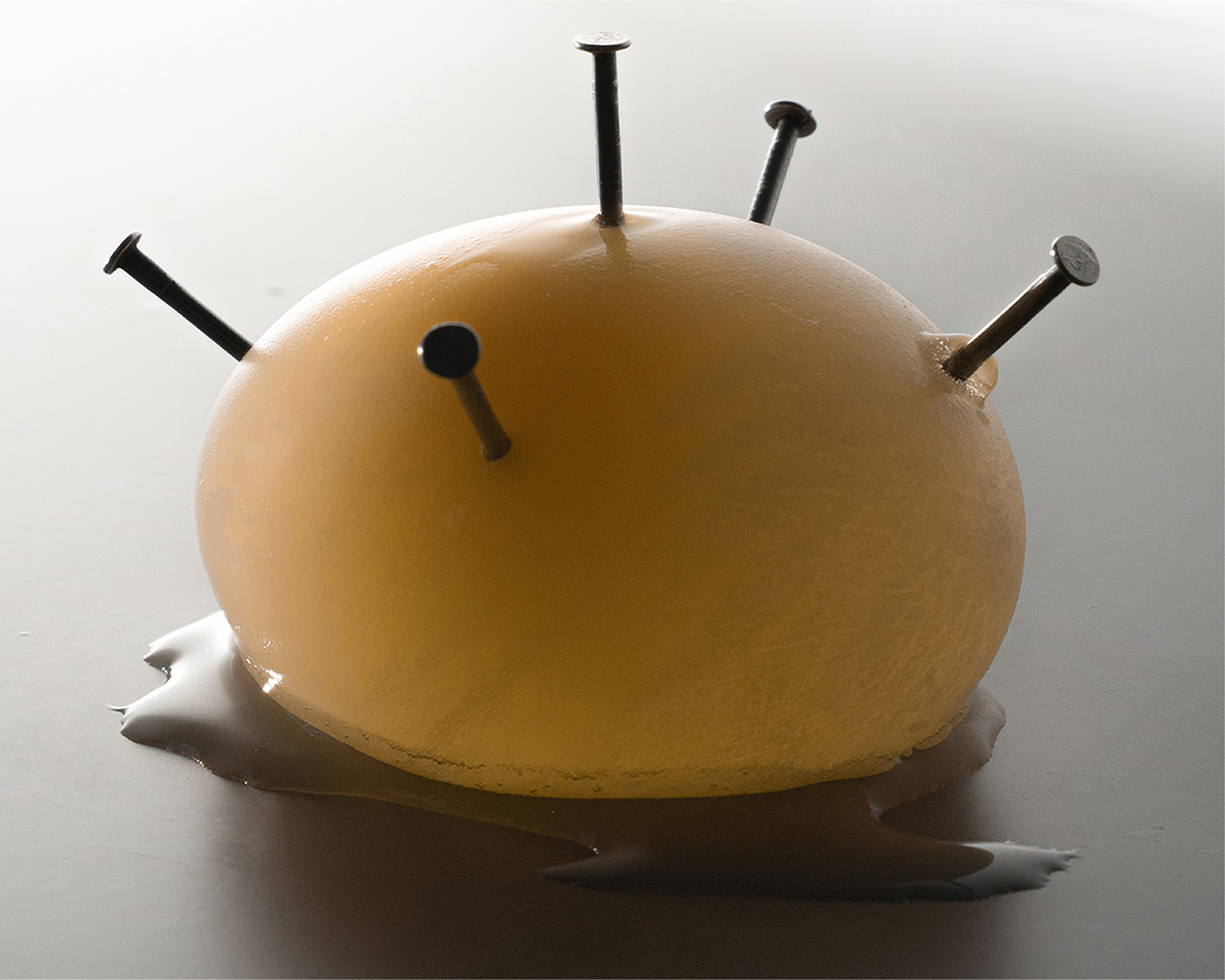
Wong’s work invites us to consider the "strangely sublime" nature of these engineered environments. In philosophy, the sublime is often associated with the overwhelming power of nature; in Wong’s work, it is found in the absolute, cold efficiency of human intervention.
The Aesthetics of Control
The imagery within Carton is marked by a clinical aesthetic. The lighting is deliberate, emphasizing the stark whiteness of the shells against the grey or molded textures of their containers. By focusing on the infrastructure that allows the fragile to survive, Wong suggests that our modern life is essentially a series of enclosures. We are all, in a sense, being "housed" by infrastructures that we rarely acknowledge until they are absent.
The Sociological Impact
Wong’s practice functions as a mirror to a society obsessed with data-driven results. When we prioritize the "perfectly oval" egg, we implicitly reject the irregular. By highlighting this, Wong encourages a shift in perspective—a moment of pause to appreciate the fragility that these systems are meant to protect, and the potential cost of that protection.
Official Responses and Artistic Critique
While the art world often demands a categorization of style, Wong resists simple labels. His academic background at Tufts, which balances a BA with a BFA, is evident in the research-heavy foundation of his visual work.
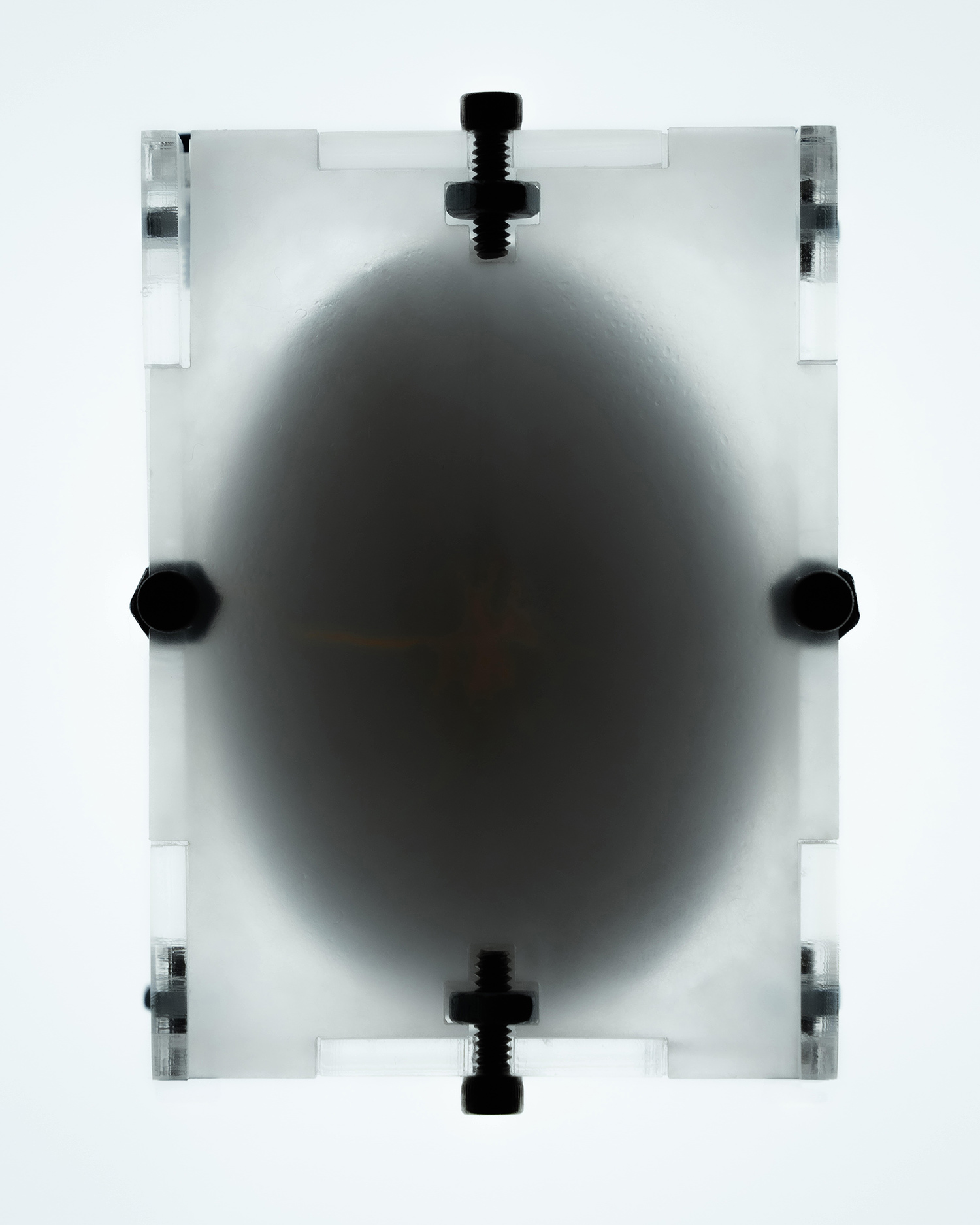
Critics have noted that Wong’s work occupies a space similar to that of the "New Topographics" photographers, albeit with a more contemporary, biological focus. His ability to render the mundane—a carton of eggs—as a site of complex existential inquiry is being hailed as a defining trait of his emerging career.
"Wong is not just taking pictures," one peer reviewer noted. "He is mapping the invisible architecture of our survival."
Conclusion: Looking Forward
Adrian Wong’s Carton serves as a sobering reminder that we live in a world where the lines between the organic and the manufactured are increasingly blurred. Whether through the lens of industrial food production or the microscopic precision of reproductive technology, Wong captures the inherent tension of being human in a world that demands optimization.

As he continues his career, Wong’s trajectory suggests a deeper exploration of the "invisible infrastructures" that shape our daily existence. By turning his lens toward the things we take for granted—the containers, the networks, and the processes—he ensures that we, the viewers, can no longer look at a simple carton of eggs with the same indifference.
In his work, the egg is never just an egg. It is a testament to the risks we take, the structures we build to mitigate those risks, and the fragile, beautiful result of a process that seeks perfection in an inherently chaotic world.
For more information on Adrian Wong’s practice and his upcoming exhibitions, visit his official website at adrian-wong.net.