


For centuries, the story of Japan has been written in wood. From the soaring eaves of ancient temples that have defied gravity and time to the humble, handcrafted magewappa lunchboxes that grace modern dining tables, wood is not merely a construction material in Japan—it is a cultural anchor. While the rapid modernization of the 20th century introduced concrete, steel, and glass, the Japanese affinity for timber has remained steadfast, evolving from a traditional necessity into a beacon of sustainable innovation.
Main Facts: A Symbiotic Relationship with Nature
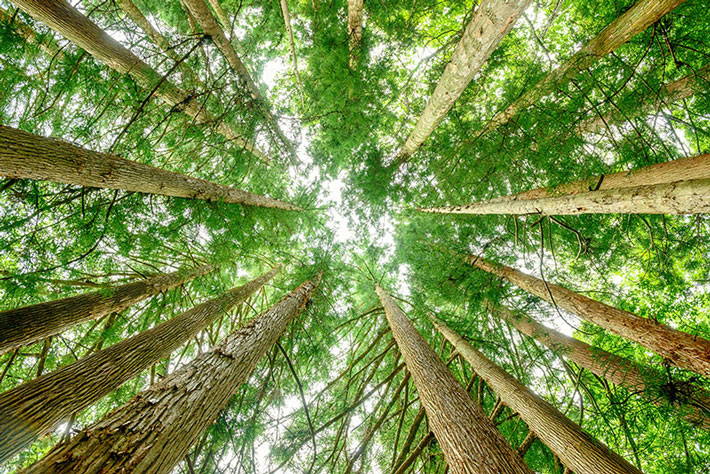
Japan’s landscape is defined by its forests, which blanket approximately two-thirds of the nation’s landmass. This topography, shaped by a distinct four-season climate and consistent humidity, has fostered an ecosystem rich in diverse timber species. Among these, Sugi (Japanese cedar) and Hinoki (Japanese cypress) stand as the pillars of Japanese material culture.

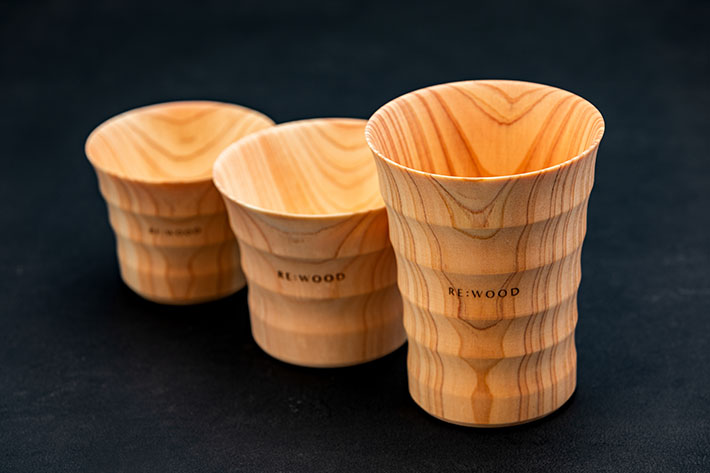
The choice of wood in Japan is rarely accidental. It is a sophisticated selection process where artisans and architects match the biological properties of a tree to its intended function. Hinoki, prized for its remarkable resistance to decay, insects, and humidity, has been the preferred material for the nation’s most sacred and enduring structures. Sugi, conversely, is celebrated for its softness, workability, and innate ability to regulate humidity, making it the premier choice for everything from structural columns to delicate bentwood containers.
Chronological Evolution: From Hōryū-ji to Expo 2025
The history of Japanese wood usage is a testament to longevity.
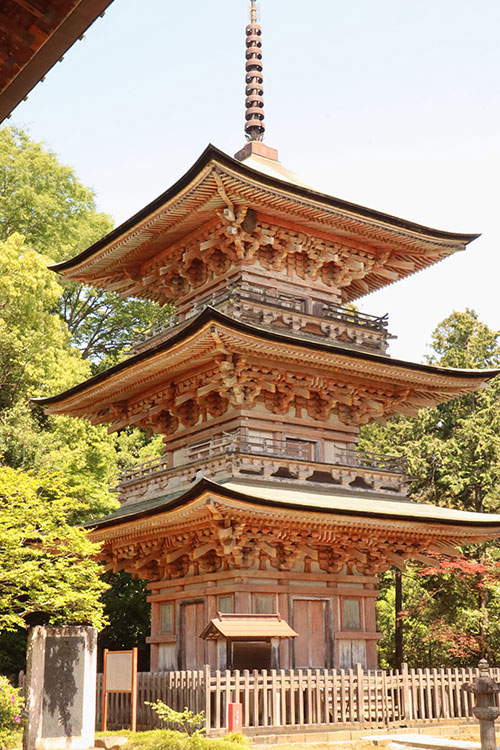
- 7th Century: Construction of Hōryū-ji in Nara Prefecture. Utilizing high-quality Hinoki, this site remains the world’s oldest wooden building. Its survival through over 1,300 years of seismic activity and climate shifts is the definitive proof of the durability of Japanese timber.
- The Edo Period (1603–1867): Wood became the primary medium for urban development, leading to the refinement of traditional carpentry techniques that eliminated the need for nails, relying instead on intricate joinery (kigumi).
- The Modern Era: Japan’s architectural landscape has bridged the gap between tradition and technology. The construction of the main pavilion for Expo 2025 in Osaka represents the current zenith of this evolution, standing as one of the world’s largest wooden structures and signaling a global return to timber-based mega-projects.
- 2024: A pivotal moment for international trade occurred in April, when the American Lumber Standards Committee officially certified Japanese Hinoki for use in the "two-by-four" construction method, opening the door for widespread adoption in North American markets.
Supporting Data: Why Japanese Timber Excels
The endurance of Japanese wood is backed by both traditional wisdom and modern scientific validation.
The Durability Factor
- Natural Resilience: Hinoki contains essential oils that act as natural fungicides and insecticides, allowing it to withstand environmental degradation for centuries.
- S-Tech Innovation: Nitrogen heat treatment (S-Tech) is a game-changing advancement. By treating timber at temperatures exceeding 200°C (392°F) in a nitrogen-rich environment, processors decompose the rot-prone components of the wood without the use of harsh chemicals. Boardwalks subjected to S-Tech treatment have demonstrated structural integrity for over two decades, even in high-moisture environments.
- Plywood Advancements: New, preservative-infused structural plywood is currently addressing the "weak points" of wooden construction—specifically exterior walls and subflooring—ensuring that modern wooden buildings can compete with concrete in terms of lifespan and maintenance ease.
Environmental Impact
In the context of the global Sustainable Development Goals (SDGs), wood is increasingly viewed as a carbon-sequestering asset. Unlike carbon-intensive materials like steel and concrete, responsibly managed Japanese forests act as "carbon banks." The push toward using domestic timber, supported by the Japan Wood Products Export Association, emphasizes a circular economy where longevity in construction directly equates to lower environmental impact and reduced deforestation.
Official Perspectives and Industry Implications
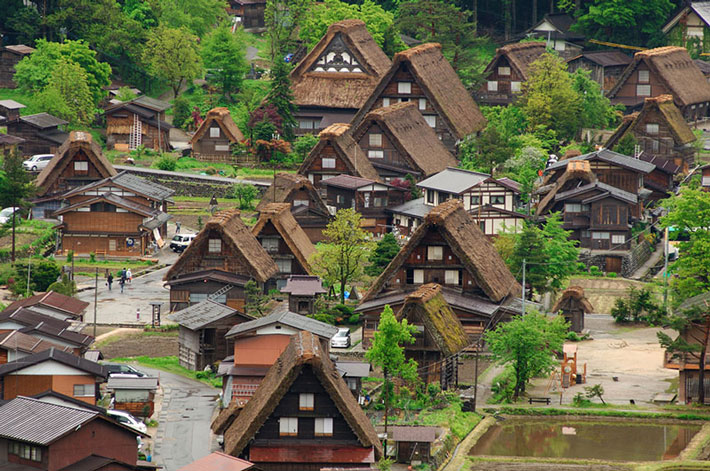
The Japan Wood Products Export Association (JWPEA) plays a critical role in bridging the gap between local craftsmanship and the global market. Their mission is twofold: to provide transparency regarding the sourcing of Japanese timber and to offer technical guidance for international architects and builders looking to integrate Japanese species into their projects.
The recent certification of Hinoki for the American two-by-four market is not merely a trade milestone; it is an acknowledgment of the structural superiority of Japanese timber. By aligning with international construction standards, Japan is effectively exporting its "culture of durability."
The Economic Shift
For decades, Japanese timber was an insular industry. However, as international demand for high-quality, sustainable materials rises, the domestic forestry sector is pivoting. This shift has several implications:
- Standardization: Adapting traditional high-grade wood to international standards (like the American Lumber Standards) encourages domestic mills to modernize their production lines.
- Sustainability: By creating a robust export market, Japan can better manage its vast plantation forests. Sustainable thinning and harvesting, supported by demand, are essential for maintaining the health of Japan’s mountain ecosystems.
- Cultural Diplomacy: Every wooden structure built abroad using Japanese techniques or materials serves as a vessel for Japanese philosophy—the idea that beauty, utility, and respect for nature are inseparable.
Conclusion: A Future Built on Tradition
The reliance on wood in Japan is not a refusal to modernize, but a profound understanding of material science. Whether it is the moisture-regulating properties of a magewappa box or the seismic resilience of an ancient pagoda, the Japanese approach to wood offers a blueprint for the future.
As the world grapples with the climate crisis, the marriage of ancient material wisdom and cutting-edge processing technology—such as S-Tech treatment and high-durability structural plywood—positions Japanese timber as a leading candidate for the next generation of sustainable architecture. Japan is moving beyond simply preserving its history; it is actively demonstrating that the future of the built environment is, and has always been, rooted in the forest.
For those interested in exploring the potential of these materials, the Japanese Wood Export Portal serves as the primary gateway, connecting the legacy of Japanese forests with the architects and builders of tomorrow.











