By Nikole Stewart
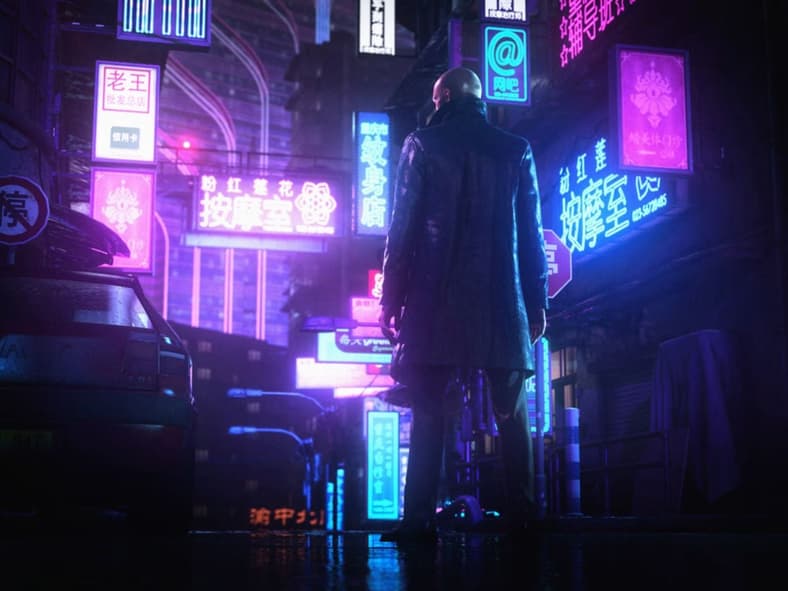
The landscape of the global video game industry continues to be marked by volatility, with Copenhagen-based developer IO Interactive the latest studio to announce significant workforce reductions. Known globally for its meticulous craftsmanship on the Hitman franchise and its recent critical success with the James Bond prequel 007 First Light, the studio confirmed on June 30, 2026, that it is undergoing a period of internal adjustment following the dissolution of a key partnership.
While the studio maintains a posture of resilience, the news of layoffs underscores the fragile nature of modern game development, particularly when ambitious, multi-year intellectual properties (IP) are reliant on external publishing agreements.
The Core Conflict: A Partnership Dissolved
The catalyst for the current restructuring appears to be the sudden termination of a relationship with an external publishing partner regarding "Project Fantasy." While IO Interactive has remained tight-lipped regarding the identity of the partner, industry analysts and leaked documentation strongly suggest that Microsoft’s Xbox division—which was previously linked to the project under the codename "Project Dragon"—has stepped away from the venture.

The fallout from this withdrawal has forced IO Interactive to pivot, resulting in what the studio described in its official statement as "short-term consequences, including staffing decisions." This move serves as a stark reminder of how deeply integrated large-scale project funding is with the day-to-day survival of creative teams. When a publisher retreats from a high-budget project, the immediate impact is almost always felt by the personnel tasked with bringing those worlds to life.
Chronology of a Developing Crisis
To understand the current state of affairs at IO Interactive, one must look back at the trajectory of the studio’s recent years.
- 2021-2022: The Rise of "Project Dragon": During the high-profile legal battles surrounding Microsoft’s acquisition of Activision Blizzard, court documents inadvertently revealed that IO Interactive was developing a fantasy RPG. At the time, the project was widely identified as an Xbox Game Studios-published title, meant to bolster the console manufacturer’s portfolio of exclusive fantasy content.
- 2023-2025: The 007 First Light Surge: IO Interactive shifted significant internal resources toward the development of 007 First Light. The game, which offered a fresh, "unproven" perspective on a young James Bond, garnered widespread acclaim. This success provided the studio with a "positive news cycle," which IO Interactive noted in its recent statement was a welcome period for the company.
- June 2026: The "Project Fantasy" Realignment: The bubble of positive momentum burst at the end of June when the studio formally announced the loss of its publishing partner for Project Fantasy.
- Late June 2026: The Immediate Layoffs: Following the announcement, the studio began the painful process of downsizing, citing the need to "adapt to this new reality."
Industry Context: The "Xbox Restructuring" Pattern
The layoffs at IO Interactive do not exist in a vacuum. They occur against the backdrop of a massive, industry-wide trend of contraction. Microsoft, in particular, has been embroiled in a series of strategic pivots that have seen the closure of several notable studios, including Arkane Austin and Tango Gameworks, earlier in the 2024-2026 window.
As Xbox navigates its transition toward a more service-oriented and multi-platform approach, its appetite for funding high-risk, long-term original IPs appears to have diminished. The potential decoupling of Project Fantasy from the Xbox publishing machine suggests a broader shift in strategy at Microsoft, one that prioritizes proven legacy titles over the incubation of entirely new, unproven fantasy universes.

For employees within the industry, this pattern creates a sense of profound instability. Labor unions and advocacy groups have begun to call for increased transparency and worker protections, arguing that the "at-will" nature of employment in the gaming sector leaves creative talent vulnerable to the shifting whims of corporate boardrooms and publishing contracts.
Official Stance and Future Outlook
Despite the grim news of staff reductions, IO Interactive’s leadership has been vocal about the survival of their upcoming projects. In a carefully worded message to the community, the studio attempted to decouple the loss of a partner from the loss of the game itself.
"Project Fantasy is a game, a world, and an IP that we absolutely love and remain 100 per cent committed to, now and in the future," the studio stated. "This wonderful universe will see the light of day."
The studio’s commitment to Project Fantasy is arguably a move to maintain investor and consumer confidence. By framing the layoffs as a necessary "adaptation" rather than a signal of project failure, the studio is attempting to protect the long-term equity of the brand. However, for those who lost their jobs, the corporate rhetoric offers little comfort. The studio has pledged to support those affected, though specifics regarding severance packages and career transition assistance remain opaque.

Implications for the Gaming Industry
The situation at IO Interactive raises critical questions regarding the future of independent-leaning AAA development.
1. The Risks of Publishing Dependency
The studio’s reliance on a single, external partner for Project Fantasy highlights the danger of the "publisher-developer" model. When a studio builds an entire project around the financial and marketing infrastructure of a corporate giant, it forfeits a degree of autonomy. If that giant decides to change course—due to internal restructuring, budget cuts, or shifts in corporate strategy—the studio is left exposed.
2. The High Cost of Ambition
Project Fantasy was slated to be a departure for IO Interactive, moving them away from the stealth-action mechanics of Hitman and into the complex, systemic world of a high-fantasy RPG. Such a leap is expensive and time-consuming. The industry’s current "risk-averse" climate makes such ambitious departures increasingly difficult to fund. Publishers are currently favoring "safe" bets—sequels, remakes, and established IPs—over the development of original worlds that require years of research and development before they become profitable.
3. The Human Cost of Corporate Agility
The term "restructuring" has become a buzzword in the tech and gaming sectors, often used to soften the blow of mass layoffs. However, the human cost is substantial. Every departure represents a loss of institutional knowledge, morale, and community. For a studio like IO Interactive, which relies on a specialized team of developers to execute the complex, emergent gameplay loops that characterize its titles, the loss of staff could have a tangible impact on the quality and development timeline of its future projects.
What Comes Next for IO Interactive?
Looking ahead, the studio is in a precarious but potentially resilient position. With the success of 007 First Light under its belt, the studio possesses a strong brand identity and a proven ability to handle high-profile, licensed intellectual properties. This may allow them to attract a new publishing partner for Project Fantasy, or perhaps transition the project to a self-publishing model—a path taken by other successful studios like Larian (creators of Baldur’s Gate 3), though such a move carries its own significant financial risks.
For the gaming public, the message is clear: IO Interactive is currently in a state of transition. While they remain committed to their upcoming fantasy project, the path to its release has become significantly more arduous. The coming months will be telling. If the studio can secure new funding or successfully restructure its internal operations to sustain development, Project Fantasy may yet become the masterpiece they envision. If not, it could become a cautionary tale of how quickly the tides can turn in an industry that demands constant innovation but offers little stability to those who provide it.
As we move toward 2027, all eyes will be on Copenhagen. Will IO Interactive weather the storm and deliver their original fantasy world, or will this moment be remembered as the point where the studio’s ambitions were permanently curtailed by the realities of corporate finance? For now, the developers remain at their desks, working through the transition, with the hopes of millions of fans resting on the success of their next chapter.