Nana Wu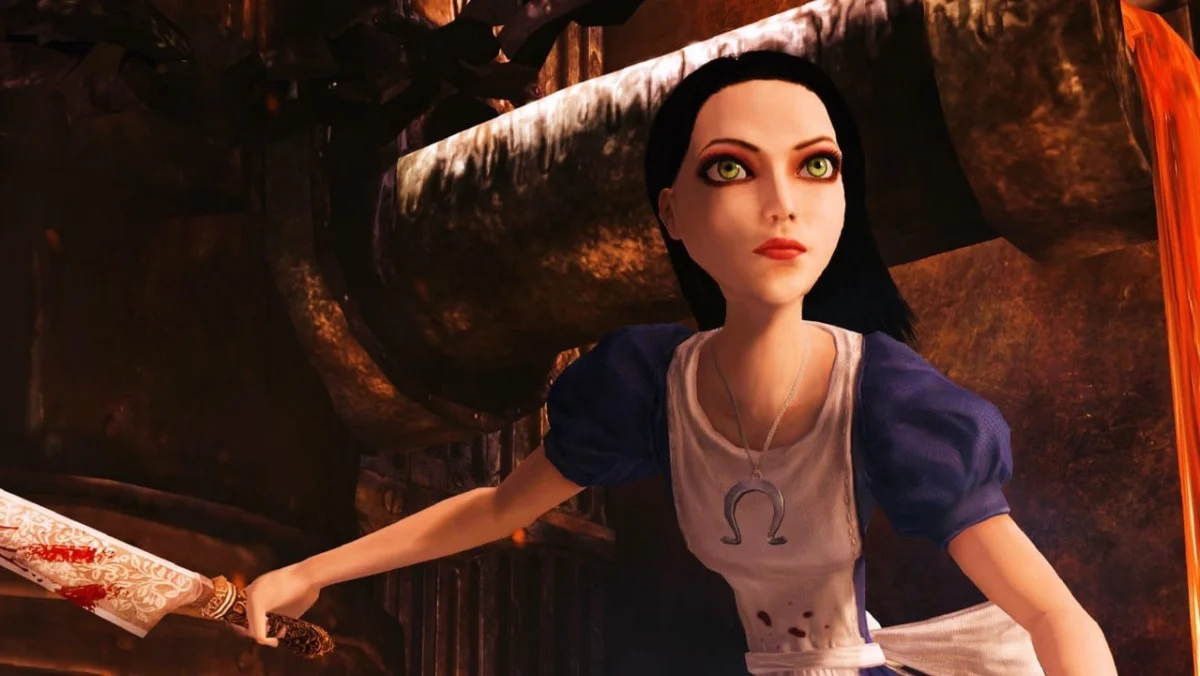
Fifteen years ago, a darkly enchanting vision of Wonderland, filtered through the uniquely macabre lens of American McGee, graced the PlayStation 3. Alice: Madness Returns, a sequel to the critically acclaimed American McGee’s Alice, is a game that has lingered in the memories of those who experienced its unsettling beauty and daring narrative. Despite its technical shortcomings and a publishing history that saw it largely relegated to the past, this somber platformer remains a testament to bold storytelling and artistic vision in the gaming landscape. As the years pass, the desire for a modern revisit on platforms like the PlayStation 5 grows stronger, fueled by a yearning for its distinct blend of psychological horror and whimsical, albeit twisted, fantasy.
The Enduring Allure of a Darker Wonderland
The allure of Lewis Carroll’s Alice in Wonderland is undeniable, a timeless tale that has captivated imaginations for generations. Its nonsensical narrative, a paradoxical fusion of childlike wonder and unsettling undertones, has a unique power to resonate with audiences of all ages. This enduring fascination is precisely what drew many, including this author, into the embrace of American McGee’s Alice and its subsequent, more ambitious sequel. The original PC title, released in 2000, offered a gothic reimagining of Alice’s journey, presenting a world steeped in shadow and psychological turmoil. The release of Alice: Madness Returns in 2011, initially as a pre-order bonus for its own sequel on the PlayStation 3, brought this dark reimagining to a wider console audience. Today, as the game marks its 15th anniversary, it’s a poignant reminder of a title that, despite its flaws, carved a significant niche for itself and continues to warrant a reappraisal.
Alice: Madness Returns was published by Electronic Arts (EA) as part of its experimental publishing line, a division known for taking creative risks. This initiative also brought forth titles like Shadows of the Damned, a similarly unique and often overlooked gem. While both games were released with little fanfare, their distinct artistic identities and mature thematic explorations set them apart in a gaming industry often hesitant to stray too far from established formulas. The unfortunate reality for Alice: Madness Returns is that it appears to be largely confined to its original platform, a digital purgatory for a game that deserves a far wider audience in the current gaming era. While a PC version remains available on Steam, its console presence is limited, leaving many PlayStation players yearning for its return.
A Chronology of a Troubled Masterpiece
The journey of Alice: Madness Returns is intertwined with its predecessor and the evolving landscape of video game development.

The Genesis: American McGee’s Alice (2000)
The foundation for Alice: Madness Returns was laid with American McGee’s Alice, a third-person action-adventure game developed by Rogue Entertainment and published by EA for Microsoft Windows. The game presented a significantly darker interpretation of the classic story, with Alice Liddell portrayed as a troubled young woman institutionalized after a tragic fire that claimed her family. Her descent into a warped Wonderland served as a metaphorical journey through her own psychological trauma. The game was lauded for its unique art direction, atmospheric storytelling, and challenging gameplay, establishing a cult following and setting the stage for a potential sequel.
The Long-Awaited Sequel: Alice: Madness Returns (2011)
Years later, the promise of a return to this twisted world materialized with Alice: Madness Returns. Developed by Spicy Horse, a studio founded by American McGee himself, and published by EA, the game was released in 2011. Notably, Spicy Horse was a rare example of a console game developer based in China, with American McGee, a prominent figure in Western game development known for his work on iconic franchises like DOOM and Quake at id Software, spearheading the creative vision.
The game’s narrative picked up after the events of the original, with Alice still grappling with the psychological aftermath of her family’s death. Now residing in Victorian London and undergoing treatment for her perceived madness, she is subjected to hypnotherapy. These sessions, however, plunge her back into a fractured Wonderland, a reflection of her escalating mental distress. The plot delved into disturbing themes, revealing the psychiatrist overseeing her treatment to be a pedophile who had sexually assaulted Alice’s older sister, adding a layer of profound trauma to her already complex psychological state. This mature and unflinching approach to storytelling was groundbreaking for its time, especially within the platformer genre.
A Pre-Order Bonus and a Lingering Legacy
The initial release of Alice: Madness Returns on PS3 was as a pre-order bonus for its own sequel, a somewhat peculiar marketing strategy that may have contributed to its limited initial reach. This meant that many players who wanted to experience the game had to commit to purchasing the subsequent title. While Alice: Madness Returns itself was a full-fledged game, its initial distribution method arguably hindered its standalone recognition and accessibility.

The Shadow of the PS3 Era
Like many games developed during the PlayStation 3 era, Alice: Madness Returns was built using Unreal Engine 3. While this engine powered a multitude of visually impressive titles, it also presented specific challenges for the PS3 hardware. Players often encountered issues such as heavy texture pop-in and a generally muddy visual aesthetic, which, by modern standards, can appear dated and detract from the game’s otherwise striking art direction. This technical compromise, however, did not entirely overshadow the game’s strengths.
Supporting Data: A Symphony of Darkness and Artistry
Despite its technical limitations, Alice: Madness Returns shone brightly in its artistic presentation and thematic depth.
A "Fractured World" Aesthetic
The visual identity of Alice: Madness Returns was a deliberate departure from the cheerful imagery often associated with Wonderland. Instead, players were immersed in a "fractured world," a distorted and nightmarish interpretation of Alice’s inner turmoil. This aesthetic, characterized by its gothic architecture, unsettling character designs, and vibrant yet disturbing color palettes, created an atmosphere of pervasive dread and melancholy. Comparisons can be drawn to contemporary titles that explore similar visual territories, such as Clair Obscur: Expedition 33, highlighting the lasting impact of Alice: Madness Returns‘s unique art direction.
One particularly striking visual detail that remains etched in the memory of players is Alice’s hair. The realistic animation of her hair, flowing dynamically as she leaped and fought, was a technical achievement for its time and significantly contributed to the gothic ambiance of the character. Each strand seemed to possess a life of its own, adding a subtle yet impactful layer to her ethereal and tormented presence.

Weapons of Whimsy and War
The combat mechanics of Alice: Madness Returns were built upon a foundation of rudimentary platforming action, but the game distinguished itself with its creative arsenal of weapons. These were not conventional firearms or swords but rather repurposed everyday objects, imbued with a sinister edge. The Pepper Grinder, for instance, functioned as a rapid-fire Gatling gun, while the Hobby Horse served as a brutal melee weapon, capable of delivering devastating blows. These unconventional armaments perfectly complemented the game’s surreal world and Alice’s desperate fight for survival.
A Bloated, Yet Brilliant, Campaign
The game’s narrative was undoubtedly its strongest suit, but the sheer length of the campaign was a point of contention for some. American McGee himself has since acknowledged that a more focused approach to the game’s length might have benefited the overall experience. Trimming down some of the more repetitive sections could have tightened the pacing and further emphasized the game’s narrative strengths. Despite this perceived bloat, the core story and its unflinching exploration of trauma and mental illness resonated deeply with many players.
Official Responses and the EA Enigma
The future of the Alice franchise has been a topic of much speculation and discussion among fans. American McGee has expressed a desire to create a third installment, and reports suggest that EA currently holds the rights to the game, effectively keeping it within their vault. This has led to frustration among fans who believe EA is not fully appreciating the commercial and artistic potential of the franchise.
Recent interviews and statements from American McGee have indicated that he is actively pursuing the creation of a spiritual successor to the Alice games. While he has expressed that there is an "obvious overlap" in themes and style, he is confident that any new project would not infringe upon EA’s intellectual property rights. This suggests a potential path forward for a new Alice-inspired experience, though it might not be a direct continuation of Madness Returns.

Implications for the Modern Gaming Landscape
The continued popularity of the Alice series, evidenced by the ongoing demand for its resurrection, speaks volumes about its enduring appeal. In 2026, a remaster or a full-fledged remake of Alice: Madness Returns and its predecessor would likely find a receptive audience. The gaming market has evolved significantly since 2011, with a greater appreciation for mature narratives, unique art styles, and challenging gameplay.
The Case for a PS5 Revival
A modern re-release on the PlayStation 5 would offer several significant advantages.
- Enhanced Visual Fidelity: The technical limitations that plagued the original PS3 release could be addressed, allowing for vastly improved graphics, higher resolutions, and smoother frame rates. This would bring the "fractured world" aesthetic to life in a way never before possible, showcasing the intricate details of its design without the visual clutter of texture pop-in.
- Improved Performance: Addressing any lingering performance issues and optimizing the gameplay would ensure a more fluid and enjoyable experience, allowing players to fully immerse themselves in Alice’s journey without technical distractions.
- Accessibility: Making the game readily available on current-generation hardware would introduce it to a new generation of gamers who may not have had the opportunity to experience it on the PS3. This would solidify its legacy and introduce its unique narrative and artistic vision to a broader audience.
- Potential for New Content: A remaster could also include optional enhancements such as updated control schemes, performance modes, or even some form of bonus content that could further enrich the player experience.
While used copies of the PS3 version are reportedly rising in price, indicating a growing demand, a digital re-release or a physical remaster would be the most effective way to satisfy this burgeoning interest. The fact that Alice: Madness Returns remains a standout title, even when not ranked among the absolute best PS3 games, speaks to its lasting impact. Its "glib subject matter and strong art style" are precisely the elements that continue to captivate players, making it a testament to the power of bold creative vision.
The current situation, where EA appears to be holding the franchise in stasis, is a missed opportunity. The market for dark, narrative-driven games is robust, and Alice: Madness Returns, with its unique blend of psychological horror and gothic fantasy, is perfectly positioned to thrive in today’s gaming landscape. The hope remains that EA will eventually recognize the value of this beloved franchise and allow it to escape the publisher’s vault, offering players the chance to revisit this twisted Wonderland once more, perhaps even on the cutting edge of gaming technology. Until then, the legacy of Alice: Madness Returns endures, a somber reminder of a game that dared to be different and continues to deserve our attention.

 Lina Irawan
 Sagoh
Sagoh