

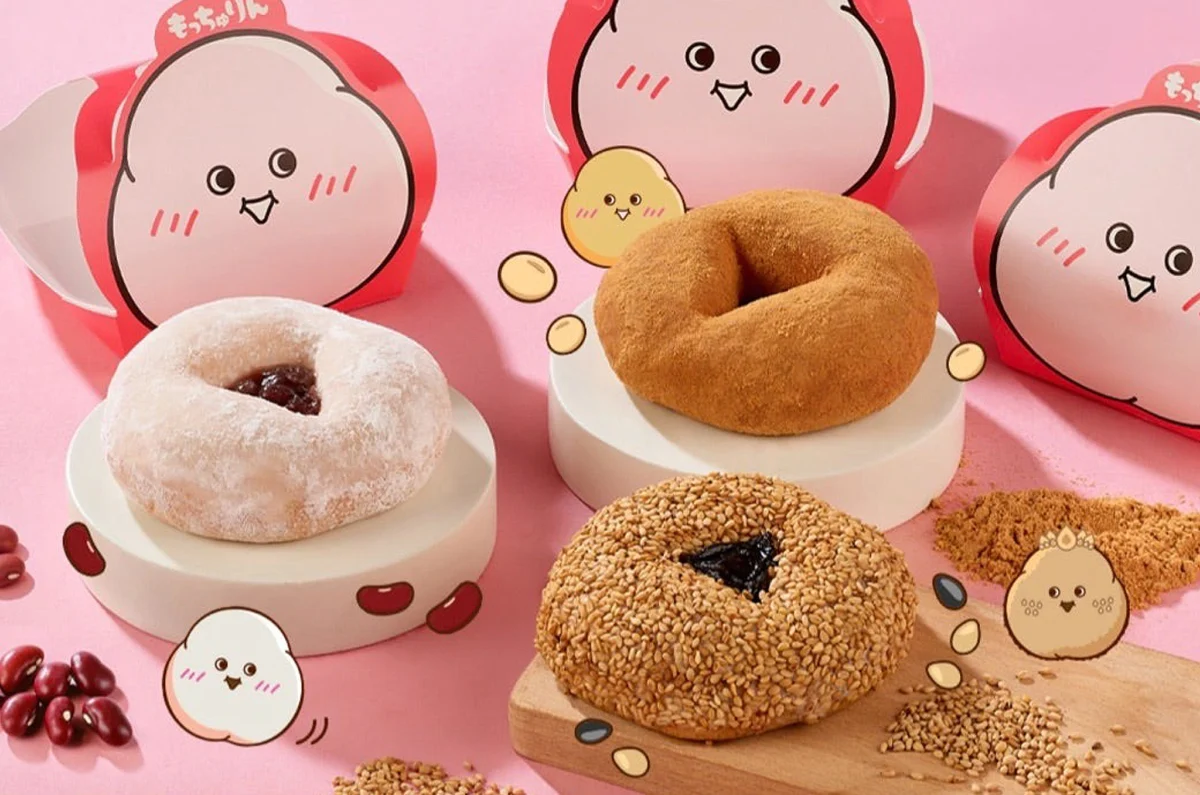
Usually, when a major food and beverage chain pulls a product from its menu, it is a quiet admission of failure—a response to lackluster sales, poor consumer feedback, or a pivot in corporate strategy. However, for the international doughnut-and-coffee giant Mister Donut, the current situation is the exact inverse. The brand is a victim of its own runaway success.
On Tuesday, July 1, 2026, the company announced a preemptive strike against its own supply chain: the early termination of the second wave of its wildly popular "Mocchurin" doughnuts. Despite the original schedule projecting availability through mid-August, the kinako (roasted soybean flour) and mitarashi (sweet soy glaze) varieties will now vanish from store shelves by mid-July, or as soon as current supplies are exhausted. Furthermore, a highly anticipated third iteration of the product, which was slated for a July release, has been scrubbed from the calendar entirely.
The decision highlights the paradoxical challenges faced by modern food retailers, where the power of viral social media trends can outpace industrial production capabilities, leading to logistical nightmares and store congestion.
The Rise of a Phenomenon: A Chronology of Mocchurin
The Mocchurin story began as a calculated celebratory move. Launched on June 4, 2025, the product was designed to commemorate Mister Donut’s 55th anniversary. The company sought to create something that bridged the gap between modern dessert trends and traditional Japanese confectionery.
June 2025: The Debut
Upon its initial launch, the Mocchurin was an overnight sensation. Unlike the company’s legendary Pon de Ring—which relies on a Brazilian cheese-bread inspired texture—the Mocchurin utilized a proprietary blend of mochi rice flour and standard rice flour. The result was a texture the company dubbed "mocchuri": a unique combination of pillowy, airy lightness and a dense, bouncy, satisfying chew.
Within forty-eight hours of its release, social media platforms in Japan were flooded with videos of the dough being pressed, showcasing its hollow center and distinctive "deflating" quality. The aesthetic, which closely mimics the sensory experience of wagashi (traditional Japanese sweets), struck a chord with a younger demographic. By the end of its first week, long queues became a permanent fixture outside of Mister Donut storefronts nationwide.
June 2026: The Second Wave
Following the overwhelming success of the 2025 launch, Mister Donut brought the Mocchurin back for a second limited-time engagement this year. This run included the fan-favorite kinako and mitarashi flavors, supplemented by a new strawberry-infused variation.
The strategy was intended to capitalize on the nostalgia of the previous year’s frenzy. However, demand did not merely return—it compounded. By late June 2026, the strawberry flavor concluded its run as scheduled, but the sheer volume of traffic in stores forced the company to re-evaluate the sustainability of the remaining items.
Anatomy of the Product: What Made It Viral?
To understand the logistical collapse, one must understand the product’s appeal. The Mocchurin is not merely a doughnut; it is a sensory experience.
The "Mocchuri" Texture
The technical brilliance of the Mocchurin lies in its starch profile. By utilizing a specific ratio of mochi rice flour, the pastry achieves a level of elasticity that traditional wheat-based doughnuts cannot replicate. When a customer presses down on the doughnut, the air pockets within the dough collapse, providing a tactile satisfaction that is inherently "Instagrammable."
The Aesthetic of Simplicity
In an era of overly complicated, high-sugar, and neon-colored desserts, the Mocchurin represented a return to elegance. The kinako and mitarashi glazes offered subtle, earthy, and savory-sweet profiles that appealed to a sophisticated palate. This positioning allowed the product to transcend the "junk food" label, making it a socially acceptable treat for office meetings, family gatherings, and high-traffic commuter stops.
Official Responses and Corporate Strategy
The decision to cancel the July release was not made lightly. In an official statement released via their website, Mister Donut management was remarkably candid about the motivations behind the move.
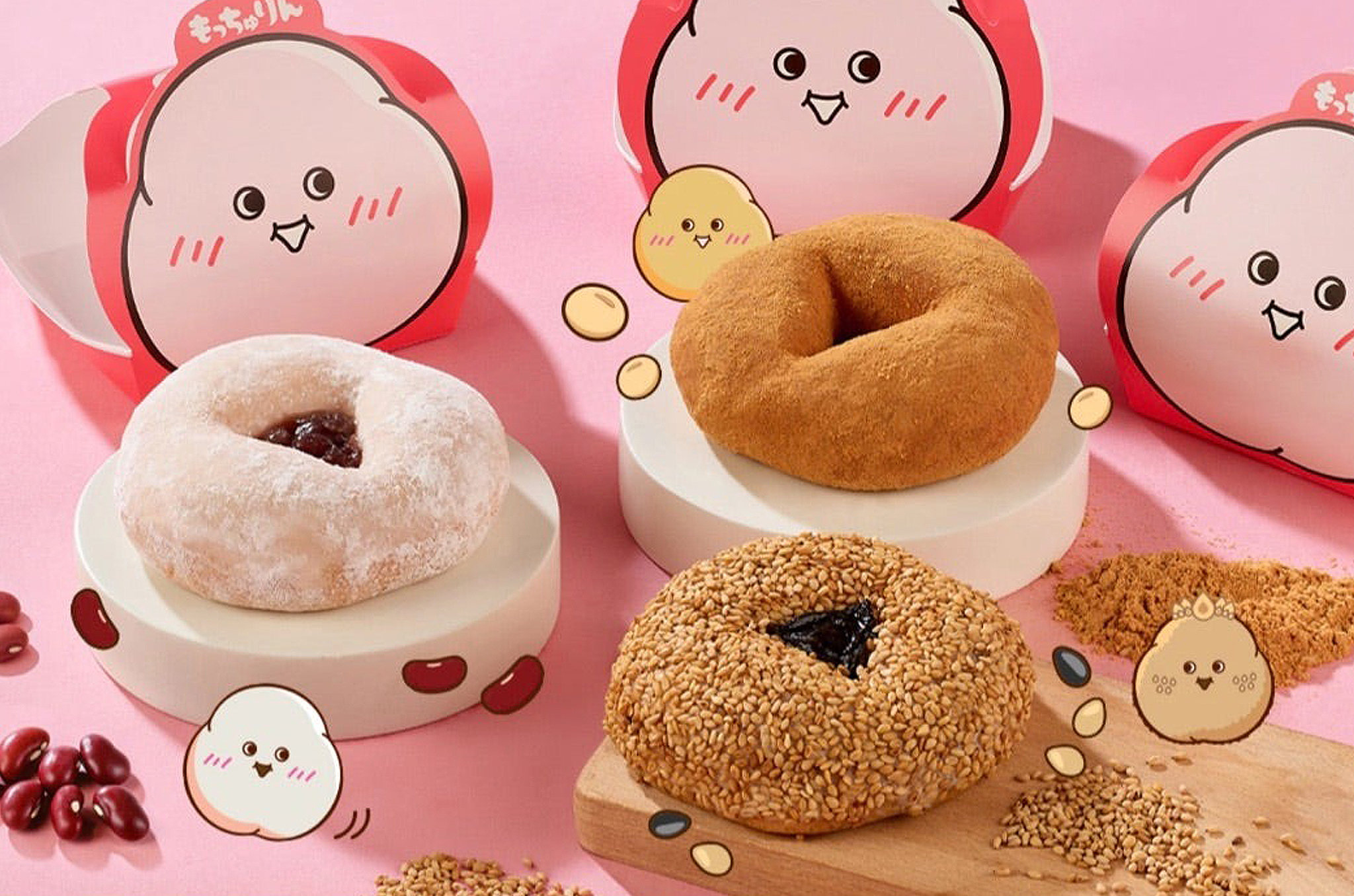
"We have decided to cancel the release of the second series of products to avoid inconveniencing customers, as we anticipate their launch would lead to even greater congestion at our stores," the company stated.
This statement serves as a rare example of a corporation prioritizing the customer experience over short-term revenue. By curbing the availability of a product that clearly has the potential to sell out, the company is effectively mitigating the risk of long wait times, frustrated staff, and potential safety hazards caused by overcrowding in shopping centers and train station outlets.
Furthermore, the company offered a public apology: "We would like to express our heartfelt gratitude to the many customers who have enjoyed Mocchurin. We also deeply apologize to everyone—especially those who were looking forward to these products—for failing to meet your expectations."
Implications for the Food and Beverage Industry
The "Mocchurin Effect" serves as a case study for the risks of modern viral marketing. When a product is too successful, it can destabilize a company’s entire operation.
1. The Supply Chain Bottleneck
For a company like Mister Donut, which relies on standardized production processes, the sudden spike in demand for a specific ingredient—such as high-quality mochi rice flour—can lead to supply chain strain. If the raw material cannot be sourced at scale without compromising quality, the company is forced to limit output.
2. Operational Congestion
In Japan, where many Mister Donut locations are situated in high-density areas such as subway stations and malls, massive queues create a negative externality. They block walkways, disrupt neighboring businesses, and create a stressful environment for both employees and patrons. The decision to pull the product is a form of crowd management.
3. The Scarcity Marketing Dilemma
There is a fine line between "limited edition" scarcity that drives excitement and "inaccessible" scarcity that leads to brand resentment. By cutting the run short, Mister Donut risks upsetting loyal customers. However, by preventing the potential for empty shelves and massive queues, they preserve the brand’s reputation for reliability.
Future Outlook: Will the Mocchurin Return?
As of July 2, 2026, the future of the Mocchurin remains opaque. The company has not provided a timeline for a third comeback, nor have they indicated whether they are attempting to optimize their manufacturing process to handle higher volumes in the future.
For now, the Mocchurin serves as a reminder of the immense power of Japanese consumer culture. In a market where innovation is constant and competition is fierce, a product that manages to bridge the gap between tradition and modernity can become a national obsession.
As the last batches of kinako and mitarashi doughnuts make their way through the final supply chain, they represent a fleeting, ephemeral moment in culinary history. For the fans who managed to secure one, it is a sweet, chewy memory. For the executives at Mister Donut, it is a lesson in the challenges of satisfying a public that has fallen deeply in love with a product that the company simply cannot produce fast enough.
Whether the "Mocchurin" eventually returns as a permanent menu item or remains a legendary, limited-time relic of 2025 and 2026, its impact on the industry is undeniable. It has redefined the expectations for "chewy" textures in the Japanese market and set a high bar for any future limited-edition promotions. For the time being, however, the queues have been silenced, and the "mocchuri" experience has retreated back into the annals of viral history.











