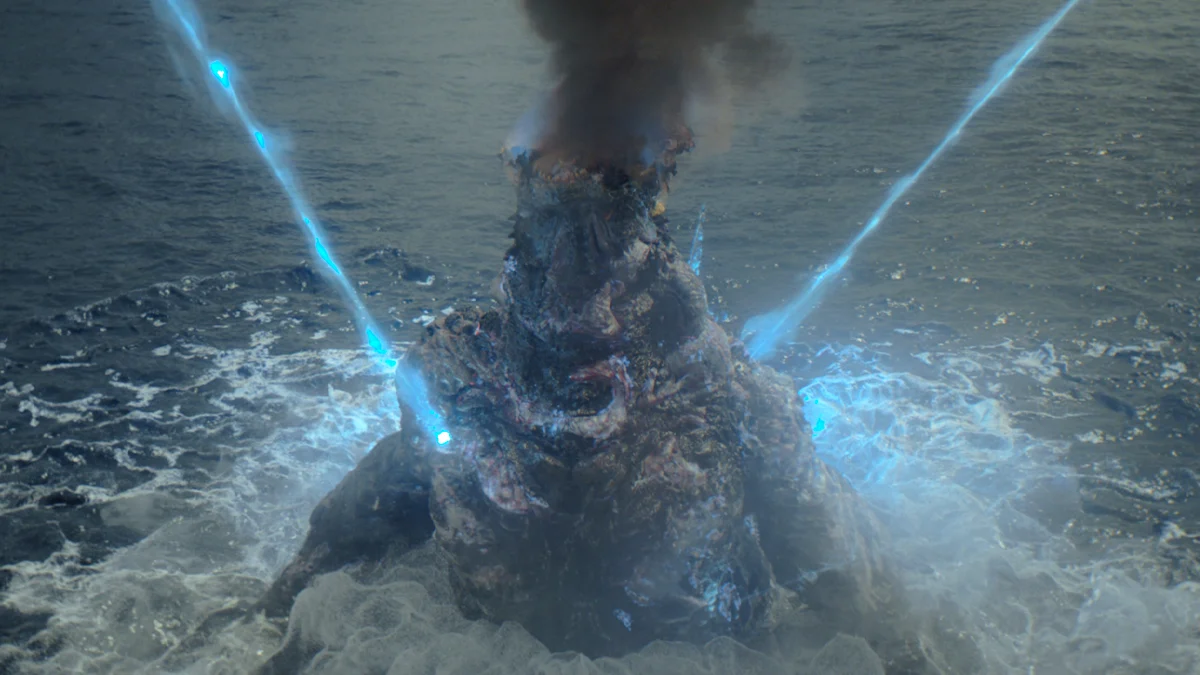
In a profound dialogue regarding the trajectory of Japan’s global cultural footprint, two of the nation’s most influential cinematic visionaries—Hideaki Anno, the creator of Neon Genesis Evangelion, and Takashi Yamazaki, the Academy Award-winning director of Godzilla Minus One—have issued a stark warning. While the Japanese government seeks to aggressively expand its "Cool Japan" initiative, Anno and Yamazaki argue that the industry is overlooking a fundamental pillar of its long-term survival: the cultivation of a new generation of viewers and creators through dedicated children’s programming and robust historical preservation.
Speaking to Forbes Japan, the two directors dissected the complexities of an industry that currently sits at a crossroads between unprecedented global popularity and internal structural decay. Their insights suggest that without a return to the "kid-specific" roots that birthed the modern anime and tokusatsu (special effects) genres, the industry risks losing the very sensibilities that made it a global powerhouse.
I. Main Facts: The "Cool Japan" Ambition vs. Internal Fragility
At the heart of the discussion lies the Japanese government’s revamped "Cool Japan" strategy. Launched with renewed vigor in 2024, the initiative sets an ambitious target: tripling overseas media sales from approximately $38 billion (5.7 trillion JPY) to 20 trillion JPY (roughly $131.4 billion USD) by the year 2033.
While the government views these figures through the lens of economic competition—noting that the export value of Japanese content now rivals traditional industries like steel—Hideaki Anno argues for a shift in perspective. According to Anno, the true value of Japanese media is not merely its revenue, but its efficiency as a tool of cultural transmission.
"Rather than the money, I think it’s good that attention has been paid to the fact that Japanese culture can be transmitted to the world at low cost," Anno stated. He emphasized that Japan is following a blueprint originally perfected by Hollywood and currently utilized with great success by South Korea and China. However, he cautions that this "soft power" is a byproduct of a healthy creative ecosystem, not just a financial goal.
Takashi Yamazaki echoed this sentiment, highlighting how media reshapes international relations. He cited the post-World War II era, where American sitcoms like Father Knows Best transformed Japanese perceptions of the United States from "devilish enemies" to "wonderful people." Yamazaki asserts that media is a "powerful weapon" that requires relatively little investment compared to military or industrial might, yet yields massive dividends in national prestige and consumer trust.
II. Chronology: From the Golden Age of Tokusatsu to the Era of "Variety"
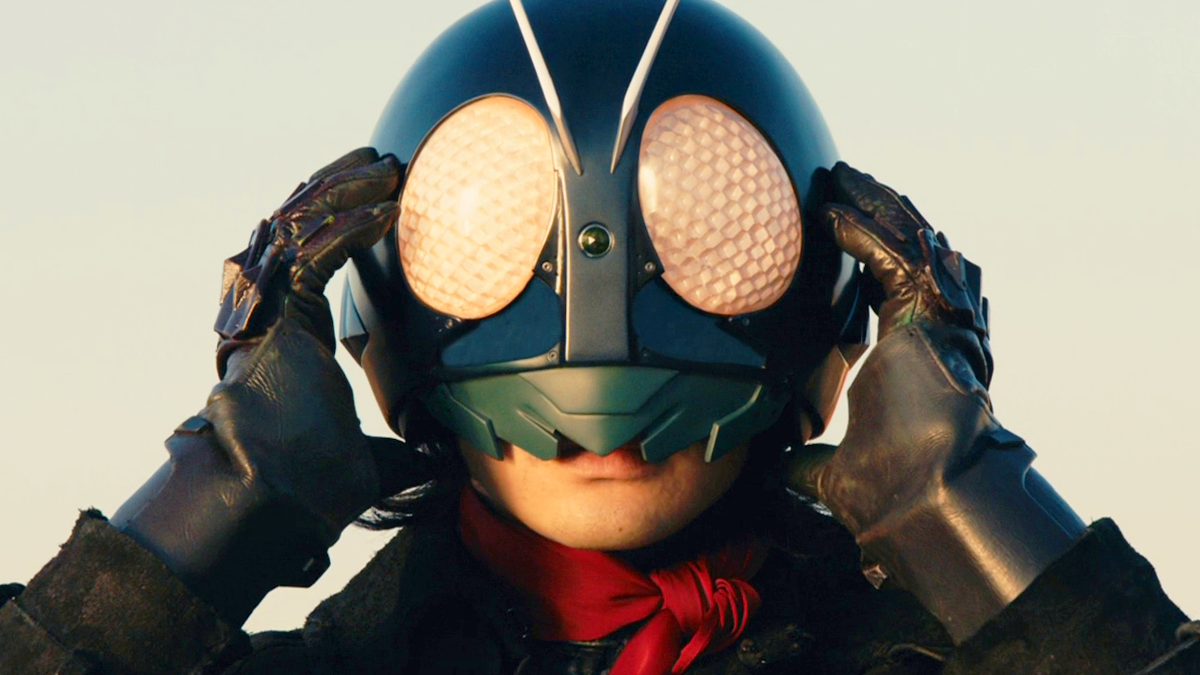
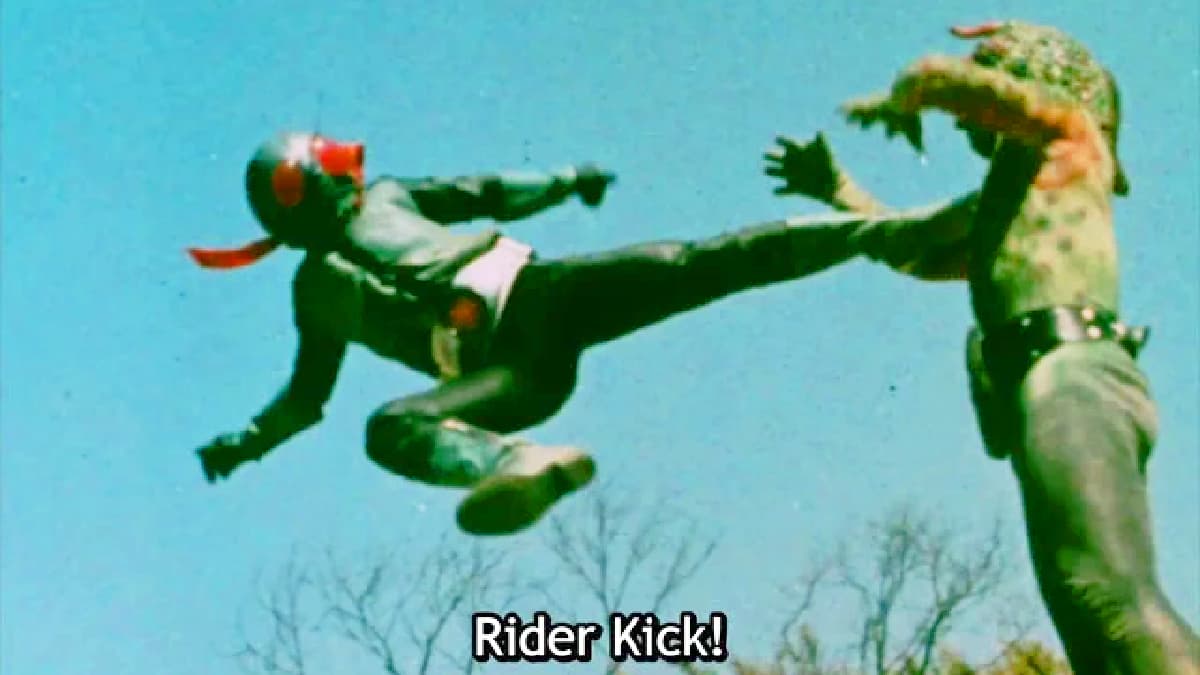
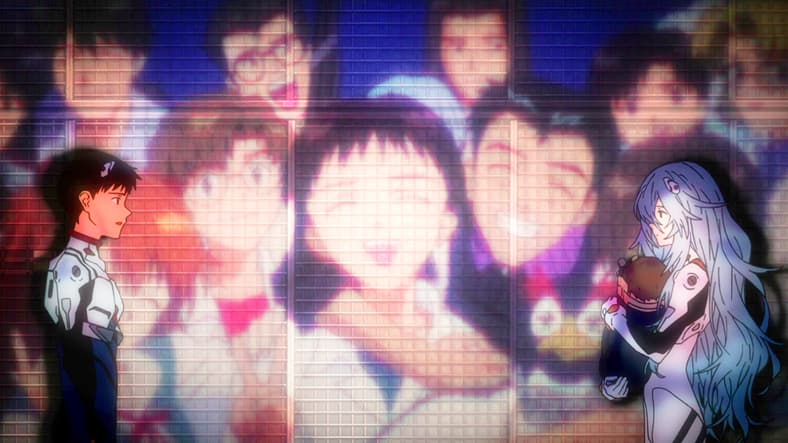
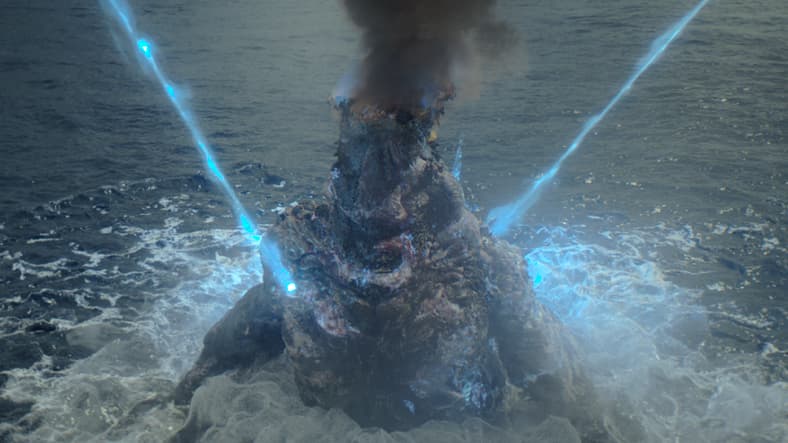
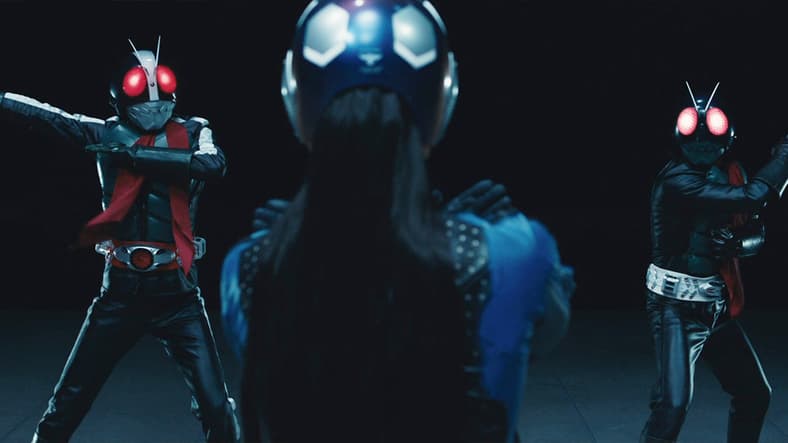
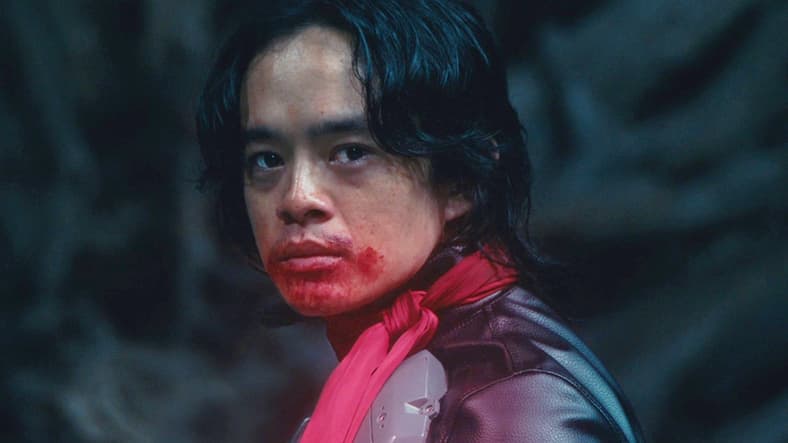
To understand the current crisis, one must look at the evolution of the Japanese media landscape over the last five decades. Hideaki Anno, born in 1960, grew up during the "Golden Age" of tokusatsu and early television anime. This period saw the birth of iconic franchises like Ultraman (1966) and Kamen Rider (1971), which Anno later reimagined in his "Shin" film trilogy (Shin Godzilla, Shin Ultraman, Shin Kamen Rider).
The Rise of the Youth-Centric Model (1960s–1980s)
During Anno’s childhood, Japanese television was saturated with programs designed specifically for children. These shows were not merely entertainment; they were "simple science programs" and morality plays that formed the sensibilities of an entire generation of creators. This era focused on high-quality storytelling for younger demographics, ensuring a steady stream of "inspired" fans who would eventually become the industry’s workforce.
The Shift to "Variety" and General Interest (1990s–Present)
Anno identifies a troubling shift that began in the late 20th century. As television trends evolved and the birthrate in Japan began its steep decline, prime-time slots once reserved for children’s anime and live-action hero shows were replaced by "variety shows"—low-cost, celebrity-driven talk and game shows. This shift prioritized immediate advertising revenue over the long-term cultivation of a youthful audience.
The Modern Bottleneck
Today, while anime is a global phenomenon, Anno argues that the content has become increasingly siloed. Much of the high-profile animation is now aimed at "otaku" (enthusiast) demographics or older teenagers, leaving a vacuum in the "younger age groups" category. This gap creates a break in the "chain of inspiration" that historically sustained the industry.

III. Supporting Data: The "Tent Pole" Economy and the Cost of Production
The economic reality of the Japanese film and animation industry is often obscured by its high-profile hits. Takashi Yamazaki introduced the concept of "tent pole" economics to explain the industry’s precarious nature.
- The Deficit Reality: Most domestic films in Japan run at a deficit. The industry does not operate on a steady profit margin across all projects.
- The "Gambling" Factor: The survival of a studio often depends on a single "tent pole" hit that supports the weight of several failed or break-even projects. If a major hit does not arrive, the "tent" collapses.
- The Export Surge: In 2023, Japanese content exports reached a record $38 billion. However, Anno points out that these profits often fail to trickle down to the "production floor," which remains "extremely tight" in terms of labor and capital.
Furthermore, the "apprentice system"—the traditional method of training animators and directors through hands-on mentorship—has largely collapsed. Without the financial buffer to support trainees, studios are forced to rely on a shrinking pool of established talent, leading to burnout and a lack of fresh perspectives.
IV. Official Responses and the Call for State Stewardship
While the Japanese government has been vocal about its financial targets for "Cool Japan," Anno argues that the state’s role should extend beyond marketing to historical preservation and structural support.
The Need for a National Archive
Anno has become a vocal advocate for the archiving of production materials. This includes original cels, scripts, props, and intermediate production outputs from anime, tokusatsu, manga, and games. He argues that local governments and individual companies lack the resources to maintain these archives indefinitely.
"By preserving materials… it connects to the next generation," Anno explained. "Ideally, a new generation sees that and thinks, ‘I want to make something like this too.’"
The Taxation Barrier
Another significant hurdle identified by Anno is the high tax burden on production companies. He suggested that "tax credits" and targeted financial support are essential to rebuilding the human resource infrastructure. Without state-level intervention to lower the cost of doing business, the "tight production floor" will continue to stifle innovation.
The Role of Critics
Anno also lamented the lack of "critics with real insight" who can comprehensively organize the history of Japanese film and animation. He believes that for an industry to grow, it needs intellectual stewardship—people who can guide the industry by understanding its historical context and cultural significance, rather than just its box-office potential.

V. Implications: The Risk of Cultural Stagnation
The warnings issued by Anno and Yamazaki carry weight because they come from creators who have successfully bridged the gap between domestic tradition and global appeal. The implications of their critique suggest three major risks for the future of Japanese media:
- The Loss of the "Next Generation" Creator: If children are not engaged by high-quality, age-appropriate content today, they will not grow up with the desire to enter the industry tomorrow. This creates a talent vacuum that cannot be filled by simply increasing budgets.
- Cultural Dilution: Both directors have previously argued that the key to overseas success is leaning into domestic aspects rather than "adjusting" for global audiences. If the industry loses its historical roots due to a lack of archiving and mentorship, it may begin to produce generic content that loses its unique "Japanese" appeal.
- Economic Volatility: Relying on the "tent pole" model is unsustainable in a global market where competitors like South Korea have more centralized state support and structured talent development pipelines.
Conclusion: A Call to Action
The dialogue between Hideaki Anno and Takashi Yamazaki serves as a call to action for both the Japanese government and the entertainment industry. While the 20 trillion JPY goal is a sign of confidence, Anno’s perspective suggests that the "Cool Japan" initiative must be more than a sales pitch. It must be a commitment to the "production floor," the children in the audience, and the archives of the past.
As Yamazaki noted, when the industry is bad, it is "extremely bad." To ensure the "tent" stays up, Japan must invest not just in the "poles" that represent their current hits, but in the ground that supports them—the education, inspiration, and preservation that turn a child watching a hero on screen into the visionary director of the future.