Iffa Jayyana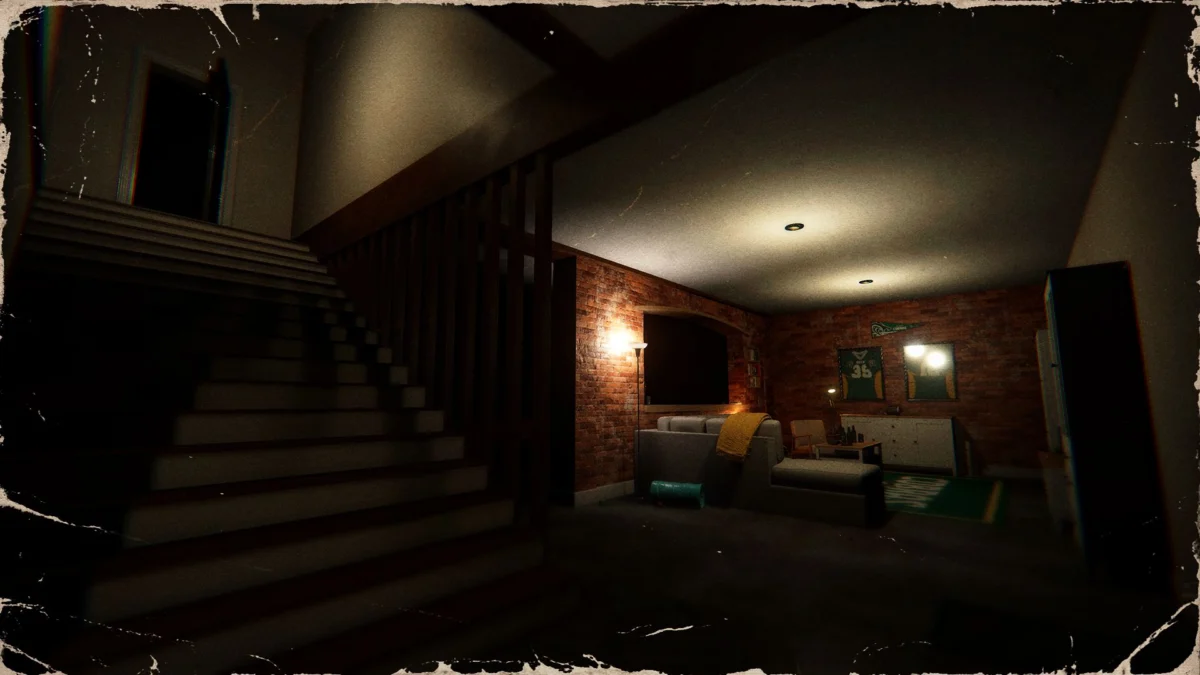
Since its initial early access launch in 2020, Phasmophobia has transcended the typical "indie success story" trajectory to become a cultural phenomenon in the cooperative horror space. By stripping away the reliance on jump scares in favor of genuine atmospheric dread and mechanical mastery, Kinetic Games has cultivated a dedicated community of paranormal investigators. Now, as the studio approaches its official 1.0 release, the developers are signaling a massive evolution for the title.
During Summer Game Fest 2026, the team at Kinetic Games provided an exclusive look at the upcoming 1.0 build, confirming that while the wait has been extended to the second half of 2027, the scope of the final product is expanding significantly. From map overhauls to a complete redesign of audio engineering, Phasmophobia is poised to transition from a successful early access title to a fully realized, cinematic horror experience.
The Evolution of 13 Willow Street
The hallmark of Phasmophobia has always been its accessible yet terrifying map design. Among these, the 13 Willow Street house remains a fan favorite—a starter location that offers a perfect balance of challenge for veterans and a manageable scope for newcomers. However, Kinetic Games is proving that no corner of the game is safe from improvement.
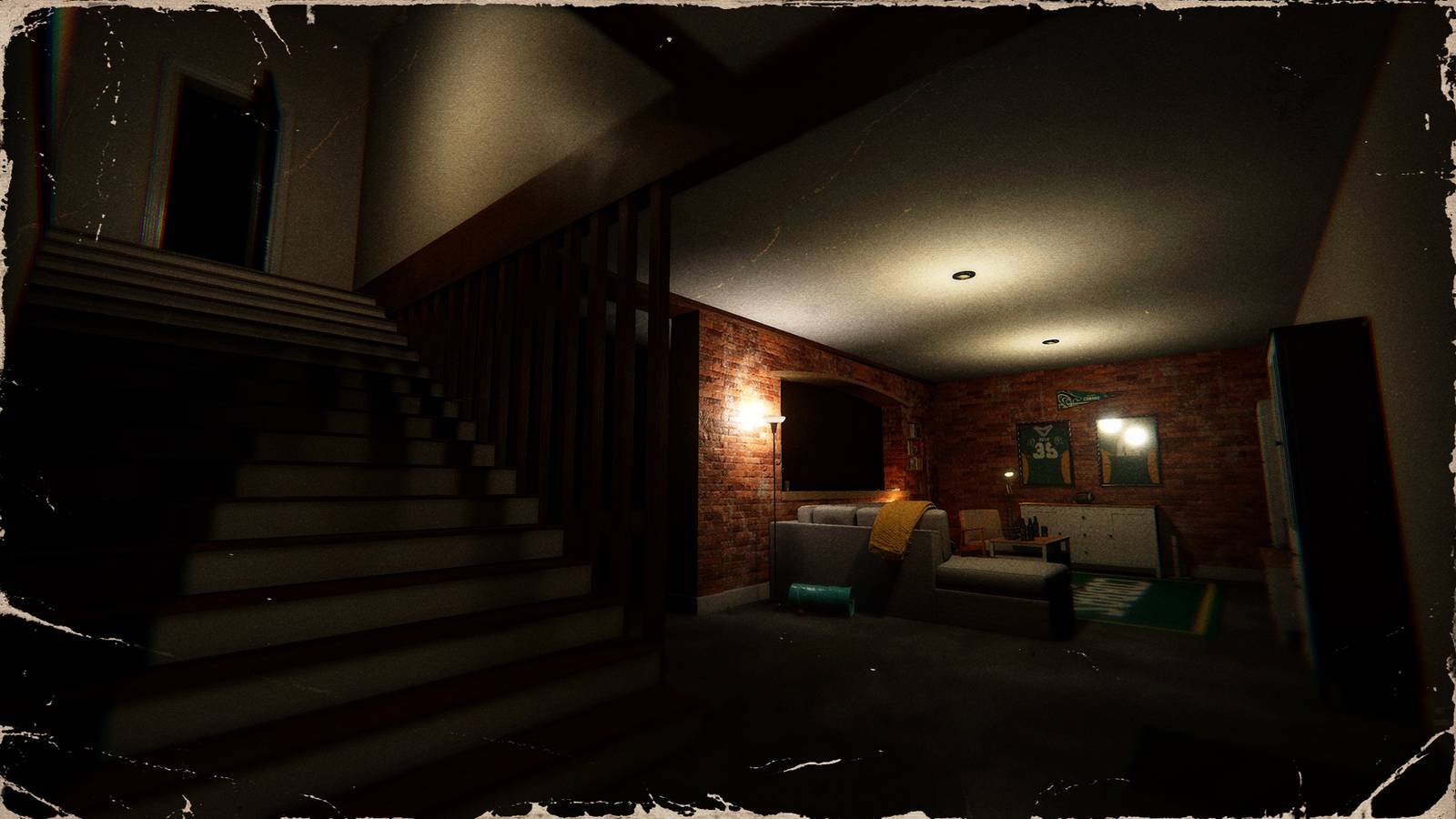
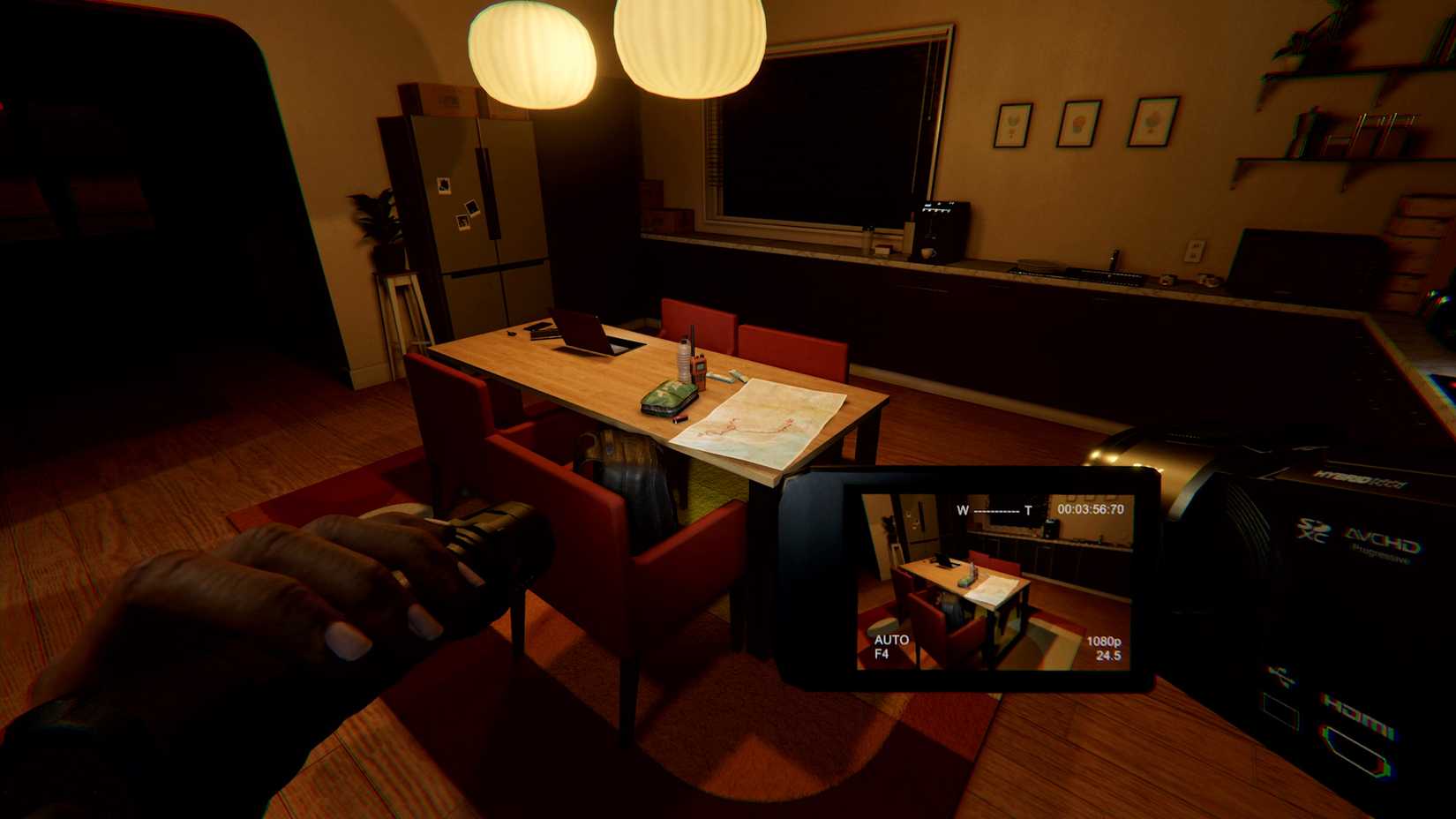
The upcoming rework of 13 Willow Street is far more than a simple visual polish; it is a total reconstruction. In the early days of development, the studio relied heavily on pre-made Unity assets. As the team has expanded, their creative mandate has shifted toward bespoke, custom-built environments.
The new Willow Street map retains the familiar floor plan that players have spent years memorizing, but the structural density has been vastly increased. The basement, previously a confined storage area, has been transformed into a sprawling "man cave" and utility zone, offering more hiding spots and strategic navigation points. The garage has been repurposed into a home gym, and nearly every room has been "fleshed out" with interactive props. These additions are not merely aesthetic; they are designed to make the environment feel lived-in and, consequently, more unsettling when the paranormal activity begins. The house now feels like a tangible home, heightening the horror when the familiar domestic space is violated by a spectral presence.
Redefining Horror: The Spatial Sound Rework
Audio design is the lifeblood of horror. A game can be visually stunning, but without the correct auditory cues, the tension inevitably evaporates. Phasmophobia has always excelled here, but the 1.0 update introduces a revolutionary overhaul to the game’s spatial sound system.

In previous versions, players could often hear teammates or ghosts with a flat clarity, even through walls or across large distances. The 1.0 update moves toward a more realistic, physics-based audio propagation model. In this new system, sound is directional and behaves differently depending on the architecture of the building.
During the demonstration, the difference was palpable. Players can no longer rely on omnidirectional sound cues. Instead, audio travels through doorways and around corners, requiring investigators to be physically positioned in line-of-sight or in close proximity to a sound source to identify its origin clearly. This creates a terrifying sense of isolation; a teammate calling for help from the other side of a wall may sound muffled and distant, turning the simple act of navigation into a high-stakes guessing game. This change is set to force players to rely on their equipment and teamwork more heavily than ever before, cementing the game’s reputation as the gold standard for co-op immersion.
Environmental Storytelling: Ghosts with a History
Perhaps the most ambitious shift in the 1.0 roadmap is the studio’s commitment to narrative. While Phasmophobia has always hinted at an overarching plot, the 1.0 release will weave that lore directly into the fabric of the gameplay through "environmental storytelling."
Each unique ghost type will now feature a deeper, more distinct background, complete with lore that players can uncover by interacting with specific trinkets and conduits hidden within the maps. These items are not just collectibles; they serve as windows into the history of the haunting. The developers are designing these ghosts to be as unique in their behavior as they are in their backstory—some may hunt with calculated aggression, while others might interact with the environment in subtle, psychological ways. This layer of depth moves the game away from being a "ghost-identifying simulator" and toward a cohesive, mystery-solving experience where the investigator is just as interested in why the ghost is there as they are in what the ghost is.
Official Commentary and Studio Growth
The decision to push the 1.0 release to late 2027 was not made lightly. Daniel Knight, CEO and Game Director at Kinetic Games, addressed the shift in a recent statement, emphasizing the studio’s commitment to quality over speed.
"We’re also investing more time into our 1.0 update, allowing us to add more content, further improve existing features, and ensure it launches at the highest standard possible," Knight stated. "From the beginning, my vision for Phasmophobia has been to create a unique and immersive co-op horror experience. As the studio has grown, so has our ability to realize that vision, and we’re excited to keep building on it until we can deliver the experience our players deserve."
This move also aligns with the company’s broader expansion plans, including the highly anticipated port to the Nintendo Switch 2, which will launch alongside the full 1.0 release. By taking the extra time, Kinetic Games is signaling that they are not looking for a quick exit from early access, but are instead focused on cementing the game’s longevity for years to come.
The 2026–2027 Roadmap: What’s Next?
While the 1.0 milestone is the final destination, the journey there is paved with a series of significant updates designed to keep the community engaged.
- July 21, 2026: The 13 Willow Street rework officially drops, accompanied by a suite of quality-of-life improvements aimed at smoothing out movement and interaction mechanics.
- October 2026: The fan-favorite "Crimson Eye" Halloween event returns, promising a haunting seasonal experience. Perhaps most importantly, October will see the game transition to the Unity 6 engine. This is a massive technical undertaking that will significantly improve the game’s lighting, performance, and stability, laying the groundwork for the 1.0 launch.
- Late 2027: The official 1.0 release. This will mark the conclusion of the six-year early access journey and introduce the final narrative components and expanded ghost mechanics.
Implications for the Genre
The implications of this update go beyond just one game. Phasmophobia helped define the "co-op deduction horror" genre, and by choosing to lean into narrative depth and complex spatial audio, Kinetic Games is setting a new bar for the competition.
The move toward more granular, realistic systems suggests that the team is interested in long-term retention rather than short-term hype. By listening to the community—who have been vocal about their desire for more "lore" and more "immersive horror"—Kinetic Games is validating the players’ investment in the project.
As we look toward 2027, the landscape of horror gaming is shifting. With high-profile projects like Silent Hill f also on the horizon, the competition for the scariest, most immersive experience is heating up. Phasmophobia is not just standing its ground; it is actively evolving, proving that even a ghost-hunting game can find new ways to haunt its audience. Whether you are a newcomer waiting for the 1.0 console release or a seasoned veteran who has already logged hundreds of hours in the van, the next eighteen months promise to be the most terrifying—and rewarding—period in the game’s history.


 Asro
Asro
 Muslim